
Used 2017 Van Trailers For Sale
Shop used 2017 van trailers with 53-foot dry van specs, air ride, sliding tandems, wood floors, and logistics-ready cargo interiors.
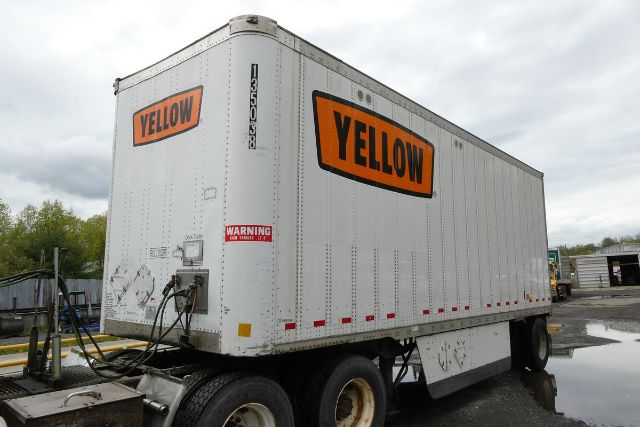
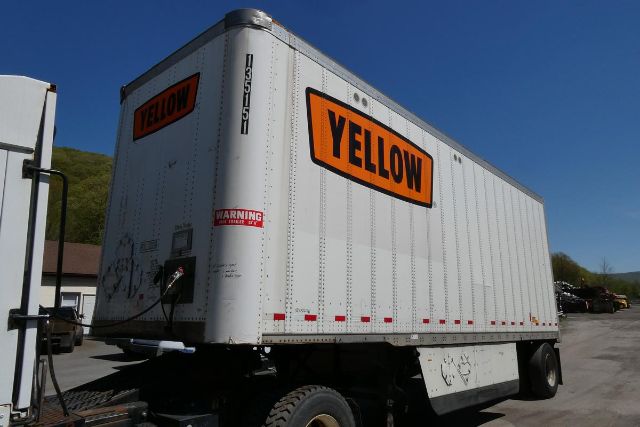
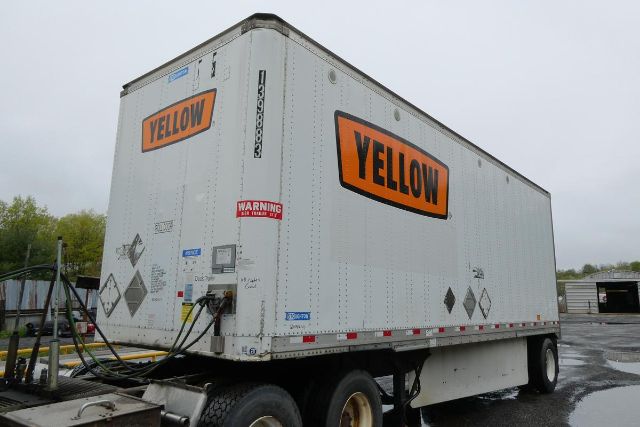
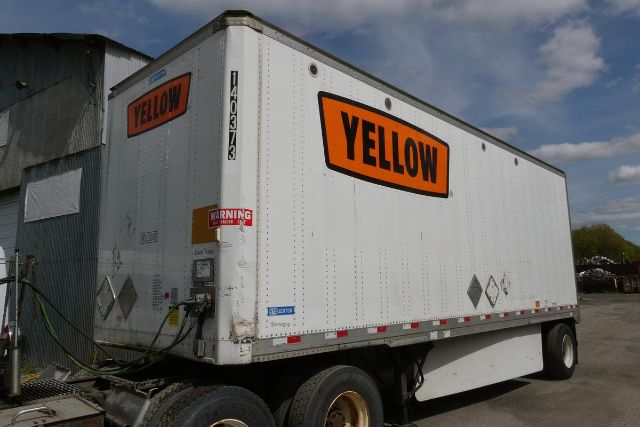
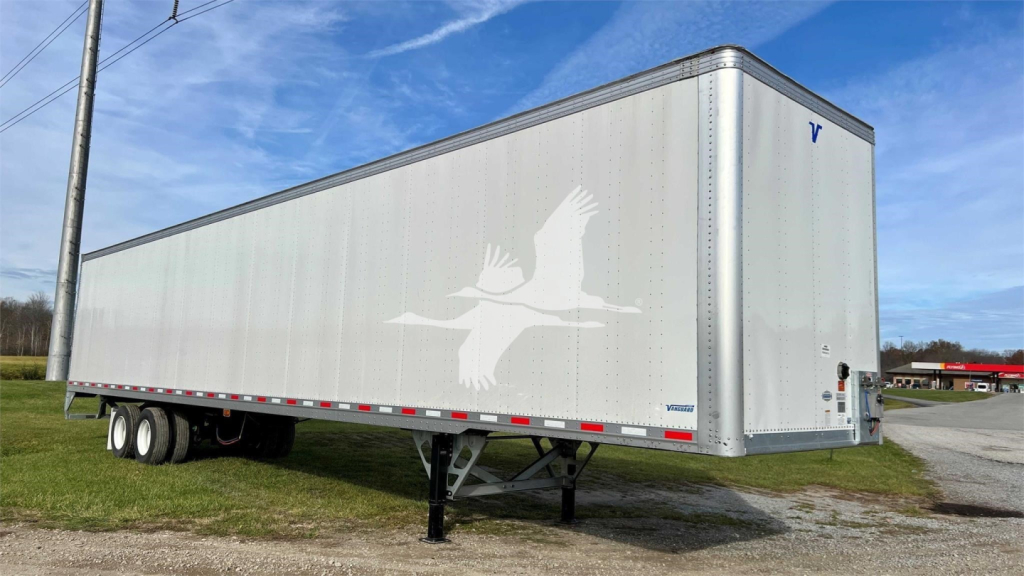
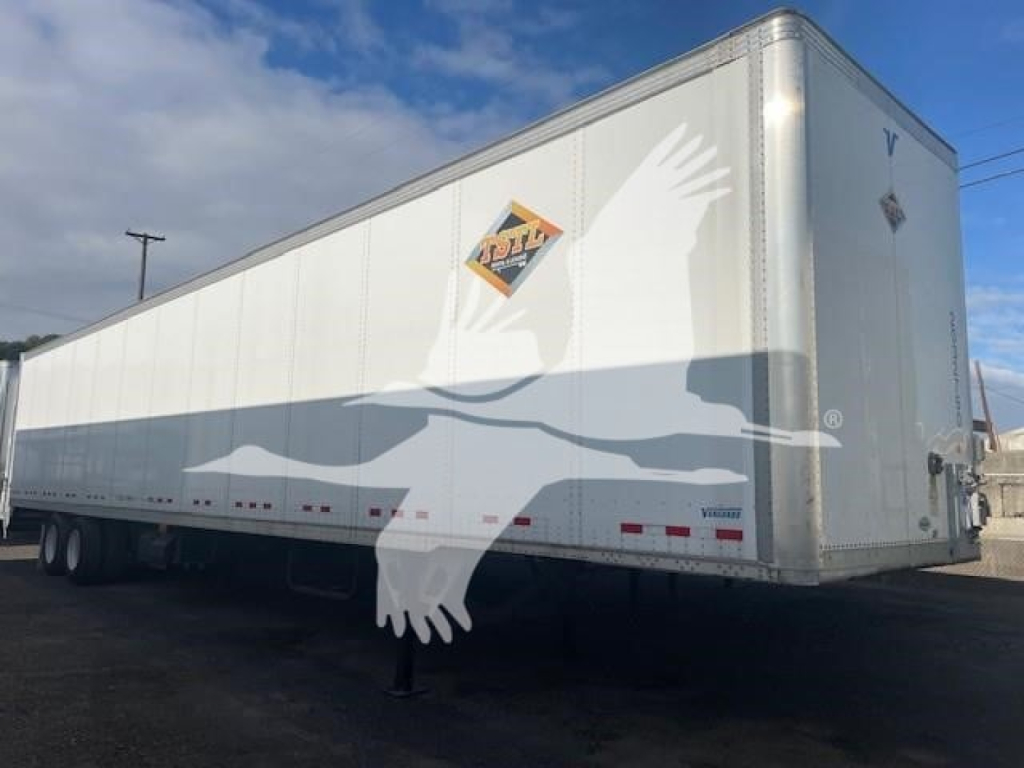
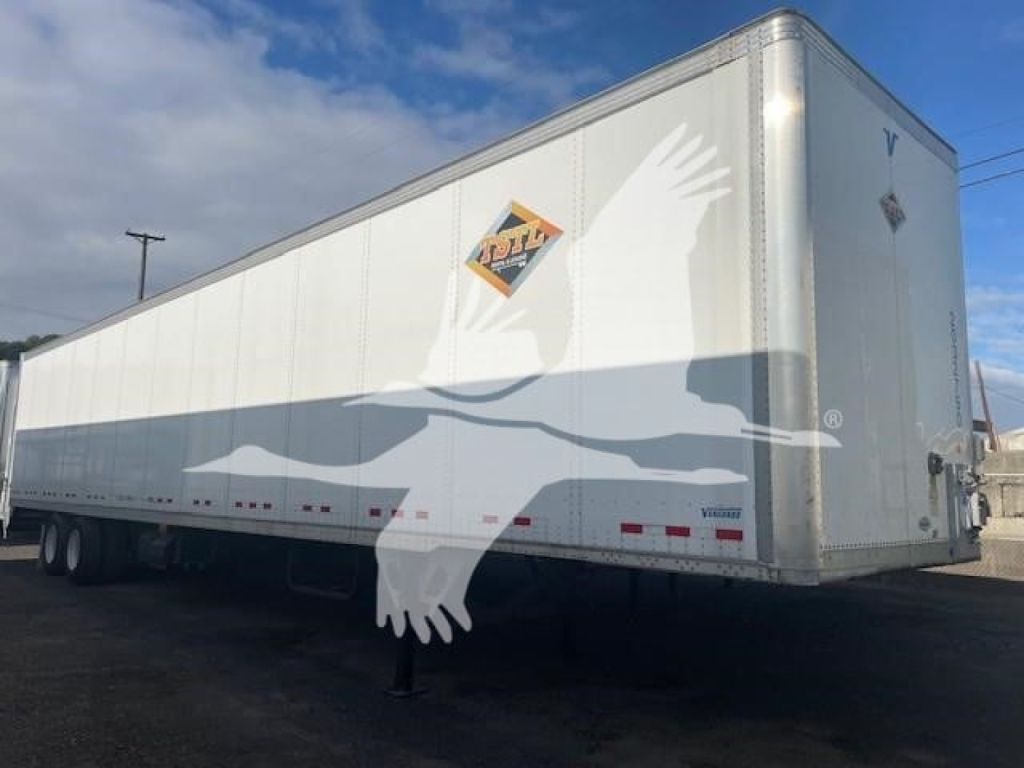
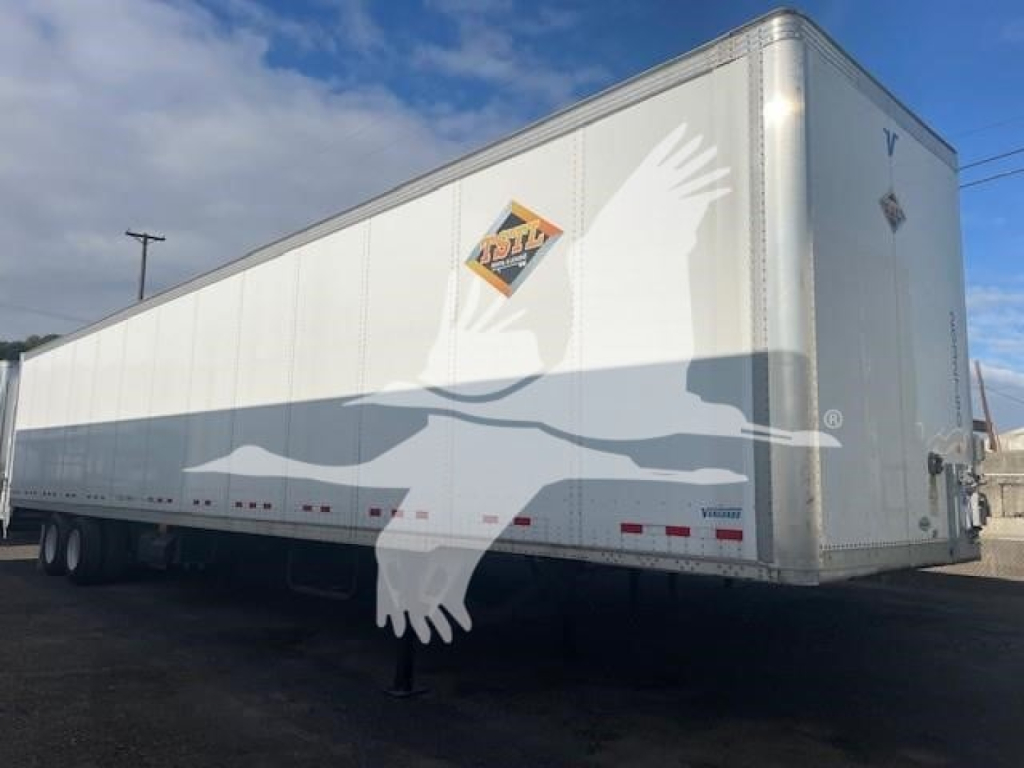
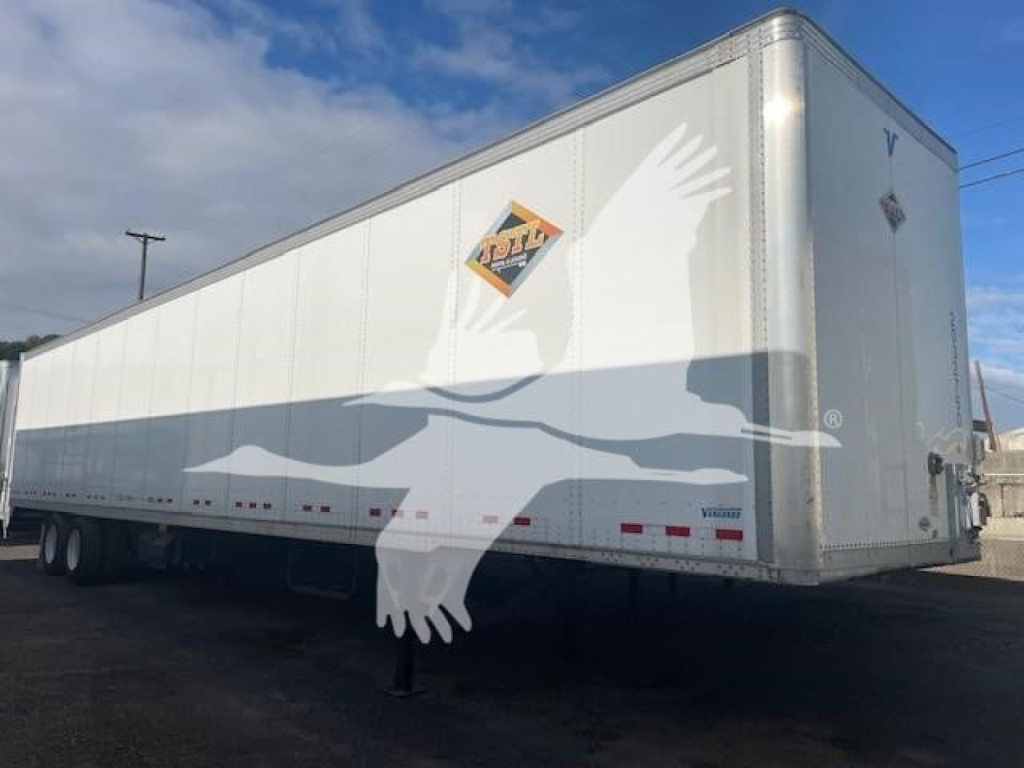
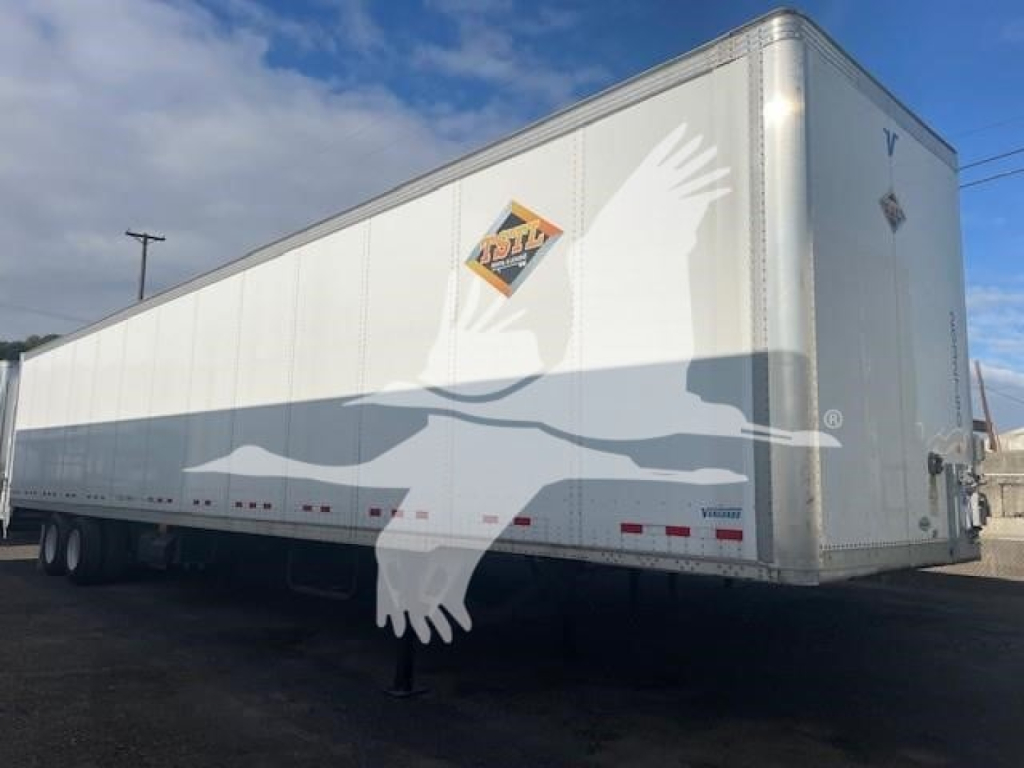
Showing 25 to 48 of 73 results
Have used 2017 van trailer to sell? List it here to reach thousands of buyers.
Used 2017 Van Trailers
The biggest buying decisions usually come down to structure, suspension, and interior spec. Buyers should look closely at sidewall construction, roof material, rear frame condition, floor life, and the type of doors. Composite plate or aluminum side constructions can reduce tare weight and resist corrosion, while a solid oak or laminated hardwood floor remains important for forklift traffic and repeated pallet loading. Swing doors are still preferred in many dock applications because of full opening width and simpler maintenance, while roll-up doors can be useful in route work but typically add weight and reduce opening clearance. Air ride suspension and a sliding tandem are common on 2017 vans and still matter for ride quality, freight protection, axle compliance, and bridge-law flexibility.
A 2017 dry van often has the specs buyers expect for modern freight handling, including logistics posts on 24-inch or 48-inch spacing, scuff liners, threshold plates, galvanized rear components, and standard kingpin settings around 36 inches. Those details affect how well the trailer handles load securement, dock impact, and daily wear. Crossmember spacing, usually tighter in high-forklift-traffic areas, can tell you a lot about how the trailer was designed for durability. Tire size, wheel type, landing gear brand, and tandem slider rail condition also deserve attention because replacement costs add up quickly on a used trailer. If the trailer has side skirts, buyers should confirm bracket condition and evaluate whether the aerodynamic savings justify the added repair exposure in their operation.
For most buyers, a used 2017 van trailer is about balancing remaining service life against maintenance history. Check roof repairs, floor patches, door frame alignment, leaks at the nose and rear header, suspension wear, brake condition, and signs of heavy dock damage around the bumper and threshold. A clean 2017 unit can still be a strong fit for regional freight, drop-and-hook distribution, and private fleet use, especially when the interior is logistics-ready and the tandem, brakes, and floor are in sound condition. The best choice is usually the trailer with the right combination of structural integrity, cargo compatibility, and compliance-ready running gear, not just the lowest purchase price.
Frequently Asked Questions about Used 2017 Van Trailers
What are the typical specs for a used 2017 van trailer?
Most used 2017 van trailers are 53 feet long, 102 inches wide, and 13 feet 6 inches tall overall. Many have interior heights near 110 inches, tandem axles, sliding tandems, wood floors, and either swing or roll-up rear doors. Air ride suspension, logistics posts, scuff liners, and 22.5-inch tires are also common on fleet-spec dry vans from this model year.
Is a 2017 dry van trailer still a good choice for general freight?
Yes, a well-maintained 2017 dry van trailer can still be a very good general freight trailer. This model year is new enough to match current dock standards and common shipper requirements, but old enough to offer better value than newer trailers. Condition matters more than age alone, so buyers should focus on floor integrity, roof condition, rear frame damage, brake wear, suspension health, and evidence of water intrusion.
What should I inspect first on a used 2017 van trailer?
Start with the floor, roof, rear frame, doors, and tandem slider system. The floor shows how hard the trailer has been worked by forklifts, while the roof and front corners often reveal leak history. Rear door alignment, threshold wear, dock bumper damage, and slider rail condition can all affect daily usability and repair cost. It is also smart to inspect tires, brakes, wheel ends, airlines, and the suspension for deferred maintenance.
Are swing doors or roll-up doors better on a van trailer?
Swing doors are usually better for full dock loading because they provide a wider, taller opening and are generally simpler to maintain. Roll-up doors can be convenient for frequent stop-and-go operations, but they add weight and reduce usable door opening height. The better choice depends on the freight, the dock setup, and how often the trailer is opened during a route.
Why does a sliding tandem matter on a used van trailer?
A sliding tandem gives the trailer more flexibility for axle weight distribution and bridge-law compliance. It also helps match different loading patterns and customer requirements across states and route types. On a used 2017 van trailer, the tandem slide should move properly and the rails, pins, and suspension components should be checked carefully because wear in that system can lead to expensive repairs and downtime.