
Used 2017 Hyundai Van Trailers For Sale
Browse used 2017 Hyundai van trailers with common specs, cargo features, suspension options, and maintenance points that matter to fleet buyers.
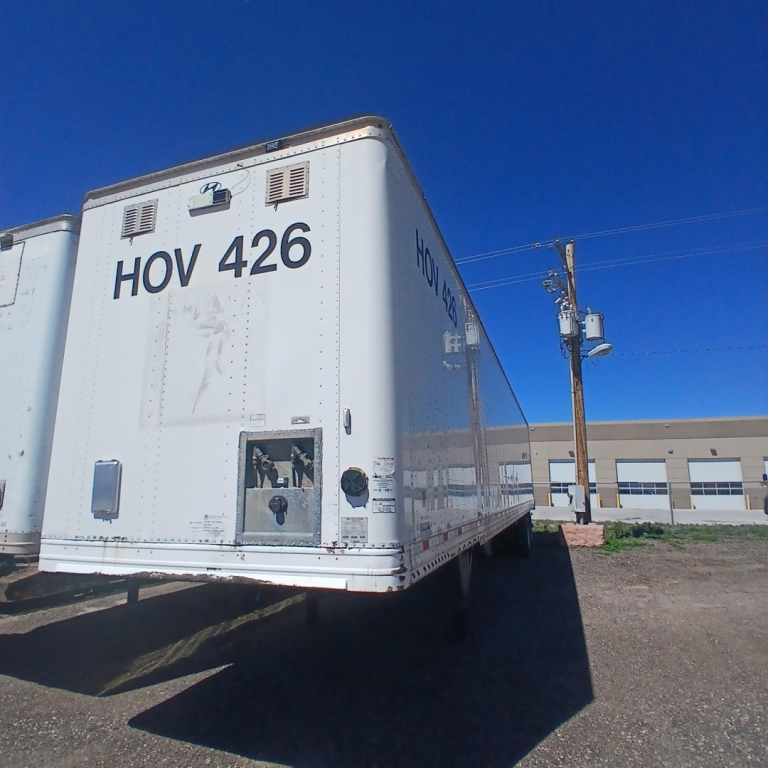
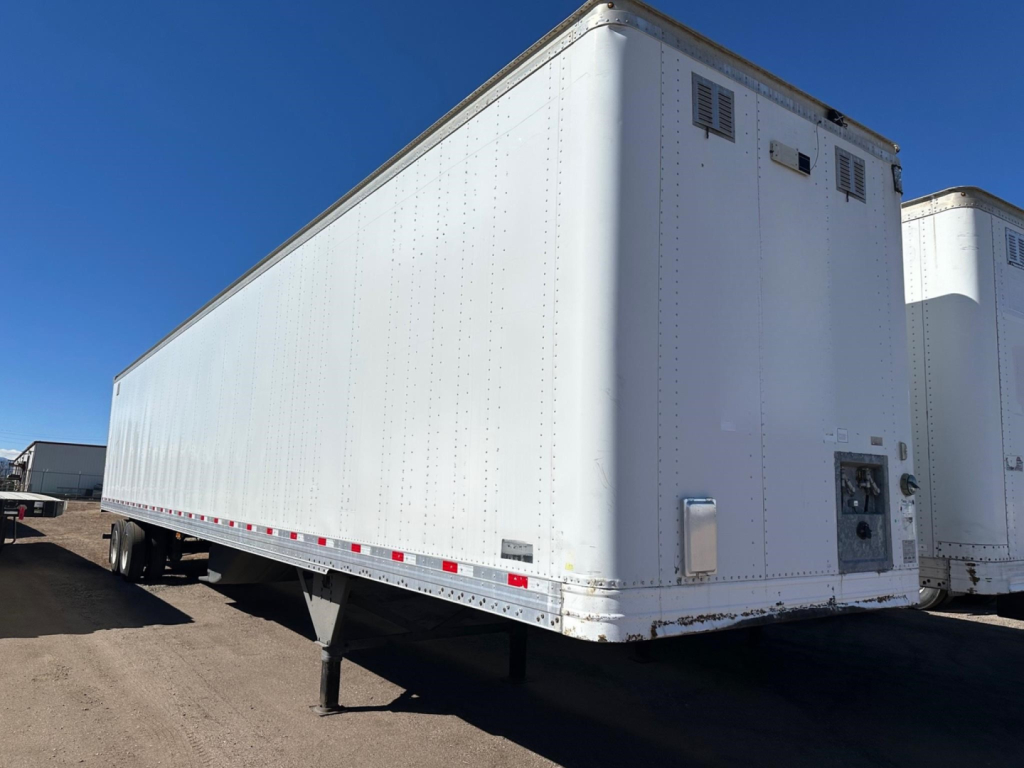
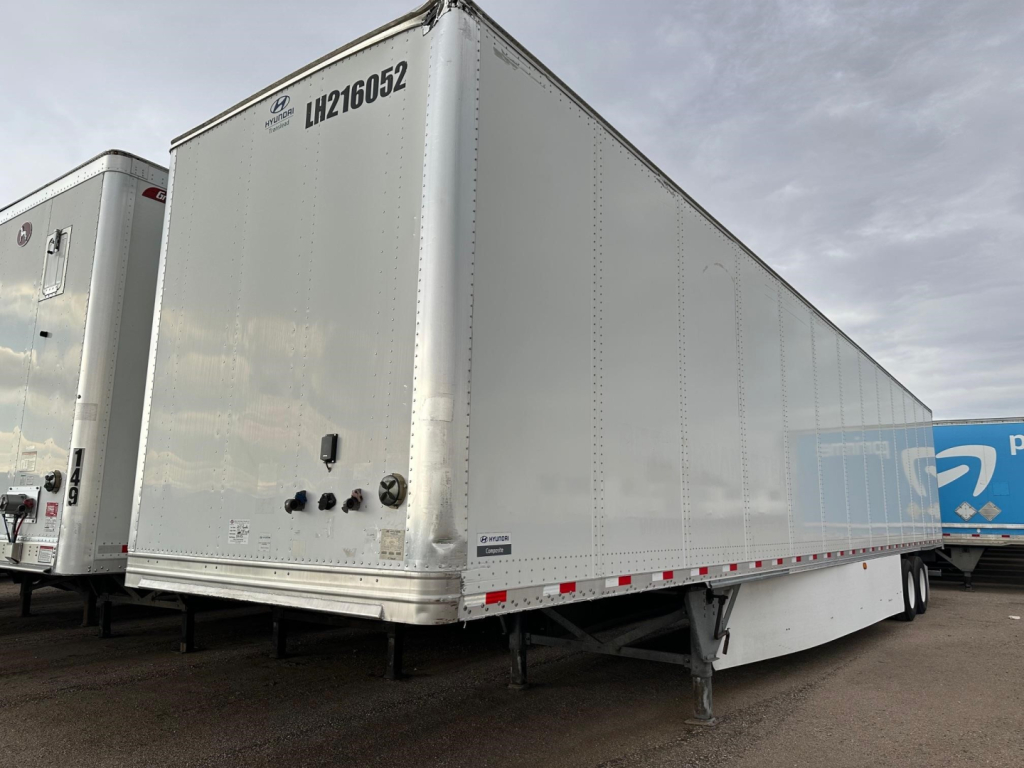

Have used 2017 hyundai van trailer to sell? List it here to reach thousands of buyers.
Used 2017 Hyundai Van Trailers
Frequently Asked Questions about Used 2017 Hyundai Van Trailers
What should I check first on a used 2017 Hyundai van trailer?
Start with the floor, roof, sidewalls, and rear frame because those areas tell you how the trailer has actually been worked. Check the wood floor for rot, soft spots, patchwork, or excessive rail wear from forklifts. Inspect the roof bows and roof skin for prior repairs or daylight leaks. Look at scuff liners, side panels, and the front wall for impact damage, and inspect the rear sill, hinges, and door frame for cracks or twist. Suspension wear, tandem slide operation, tire condition, brake life, and wheel-end service history should be reviewed right after the structure.
Are 2017 Hyundai dry vans typically set up with swing doors or roll-up doors?
Most 53-foot Hyundai van trailers in this class are found with swing doors, although some fleet and specialized delivery applications use roll-up doors. Swing doors generally seal well, keep full interior height at the rear, and are preferred in many linehaul operations. Roll-up doors can be useful where docks are tight or drivers make frequent stops, but they add moving parts and can reduce usable rear opening height. The better choice depends on dock conditions, cargo profile, and maintenance preference.
What suspension and running gear are common on a 2017 Hyundai van trailer?
Air ride suspension and sliding tandems are very common on Hyundai van trailers from this period. Air ride helps protect freight and is widely preferred for general freight operations, while a sliding tandem gives flexibility for axle compliance, bridge law positioning, and dock approach balance. Many buyers also look for tire inflation systems, low-profile 22.5 tires, and aluminum or steel disc wheels depending on weight targets and maintenance practices. Brake type, bushing wear, and slider condition are just as important as the spec sheet.
Is a 2017 Hyundai van trailer a good fit for fleet use?
Yes, if the trailer has been maintained well, a 2017 Hyundai dry van can still be a productive fleet asset. Hyundai trailers are widely used in regional and over-the-road service, so parts support, shop familiarity, and resale recognition are generally strong. For fleet buyers, the real value comes from standardization. Matching kingpin setting, door type, floor construction, lining package, and tire spec to the rest of the fleet simplifies dispatch, maintenance, and driver acceptance. A clean maintenance record matters more than a low price on paper.
What cargo features add the most value on a used Hyundai van trailer?
The most useful cargo features are usually logistics posts or E-track, a solid wood floor, good scuff protection, and a sound rear threshold area. Plywood lining or composite lining can help reduce sidewall damage in high-touch freight service. Front and rear vents may matter for certain non-refrigerated loads that still need airflow control. Buyers hauling mixed freight often place a premium on trailers with flexible securement options because those units can handle a wider range of customers without modification.