
Van Trailers For Sale in Nebraska
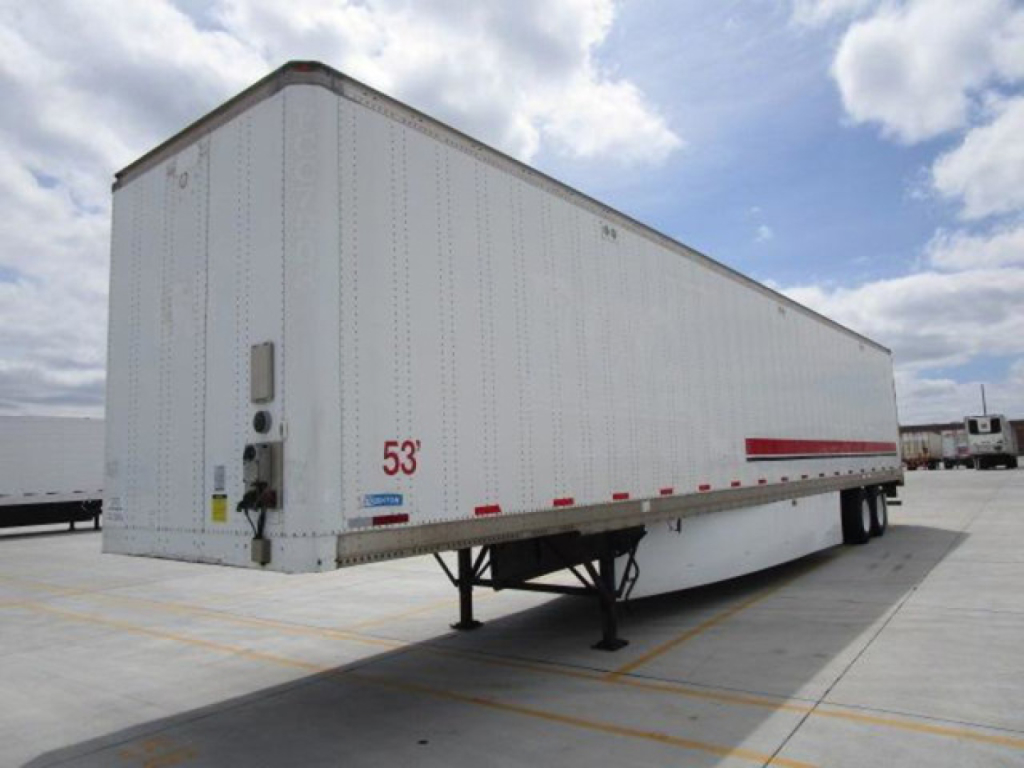
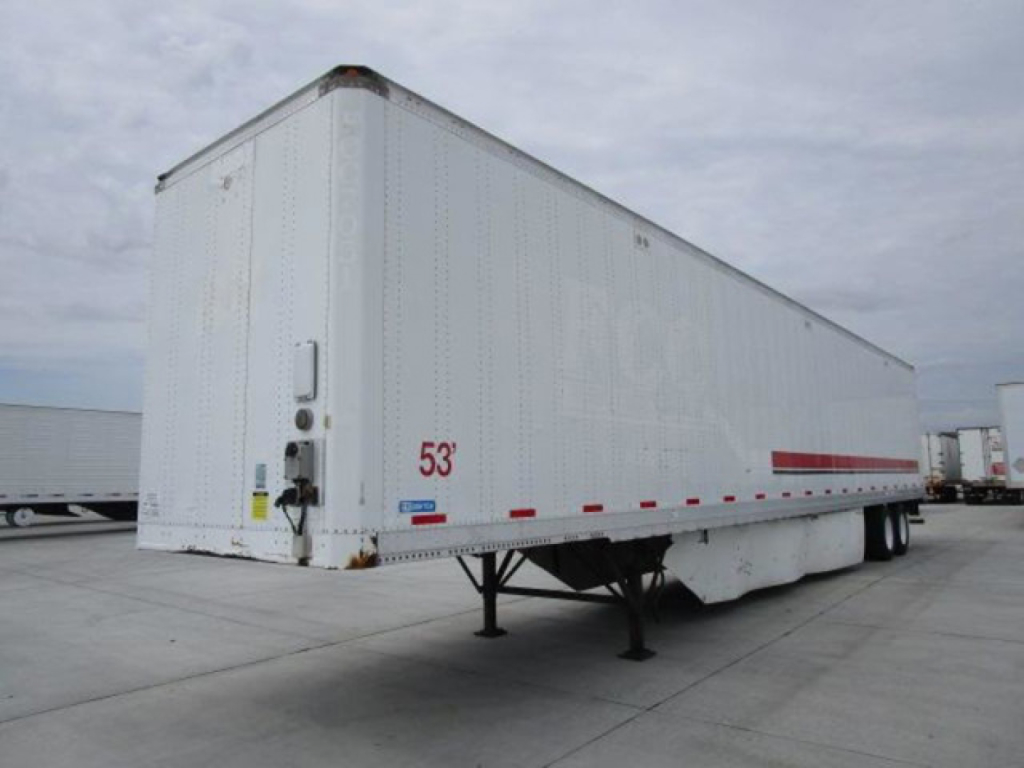
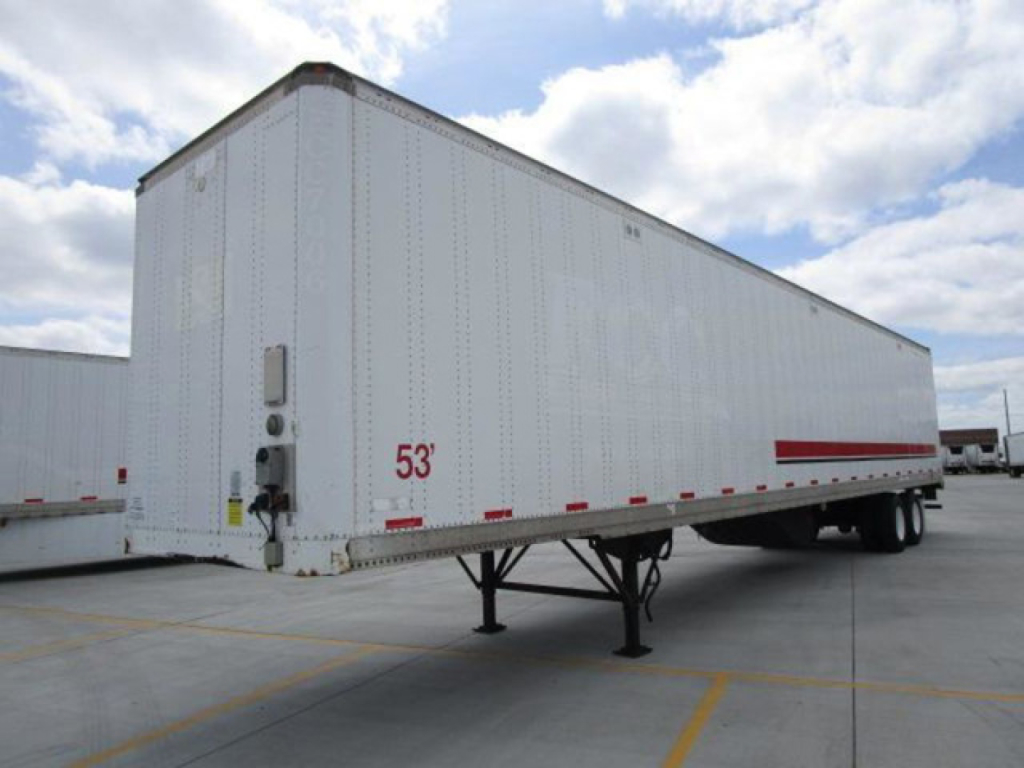
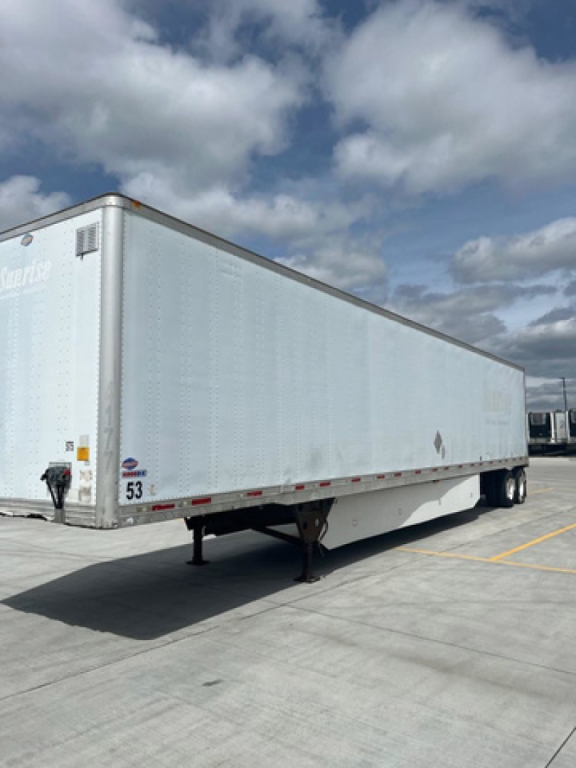
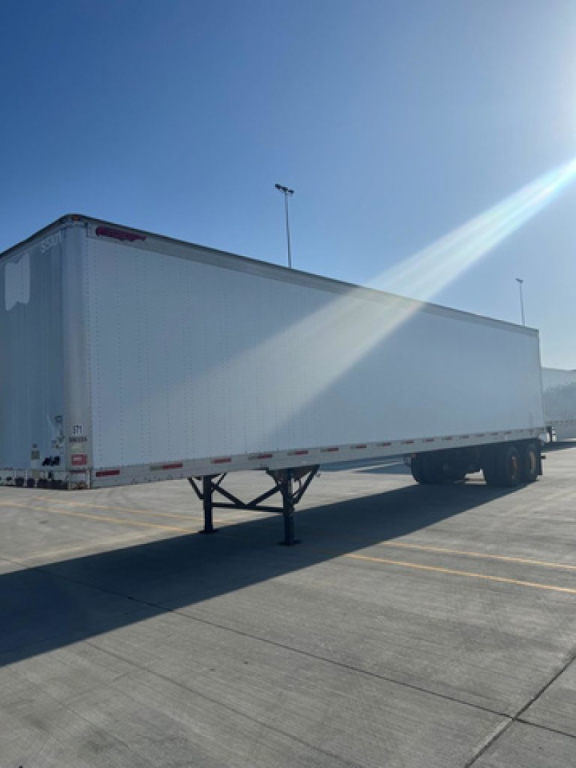
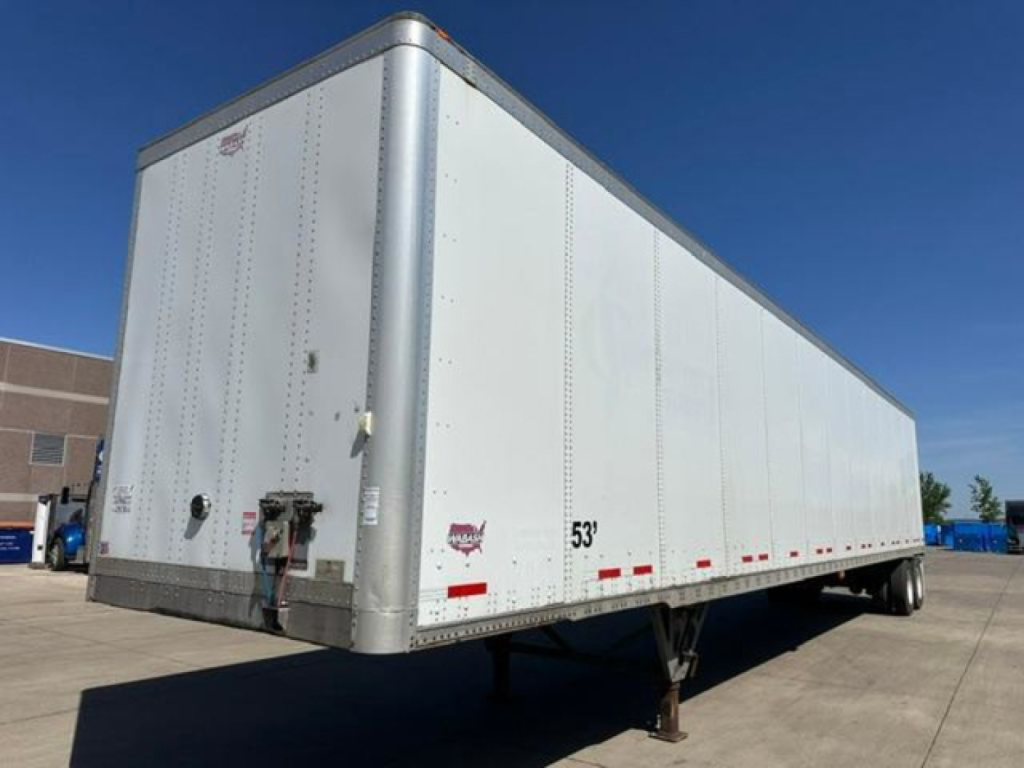
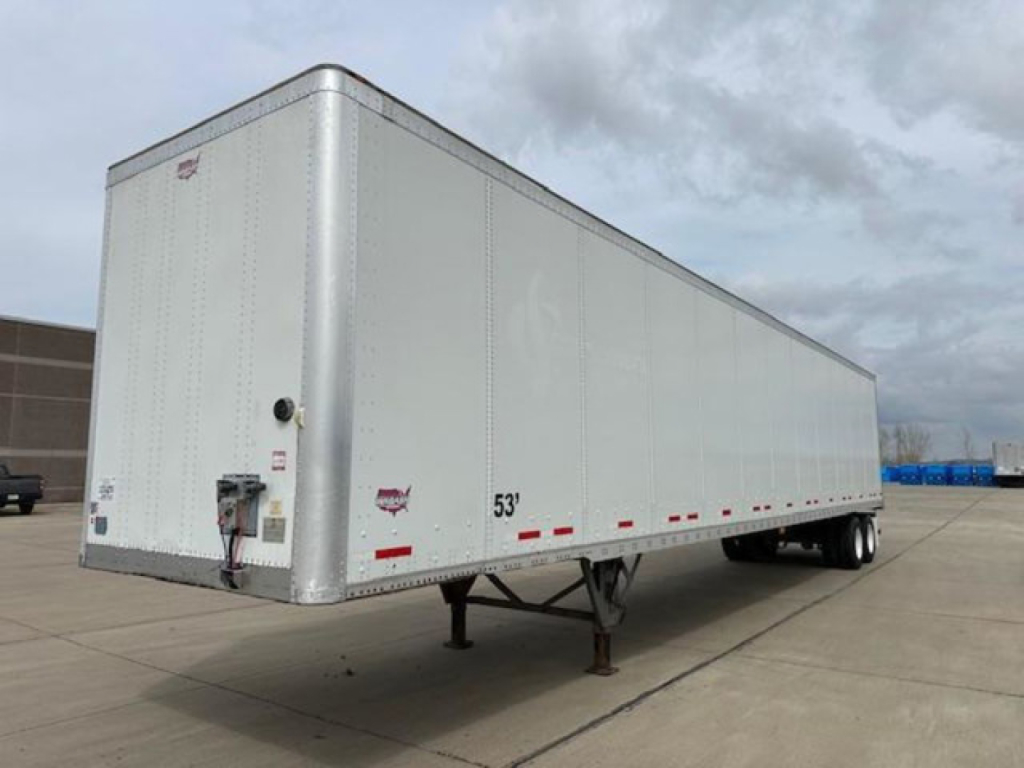
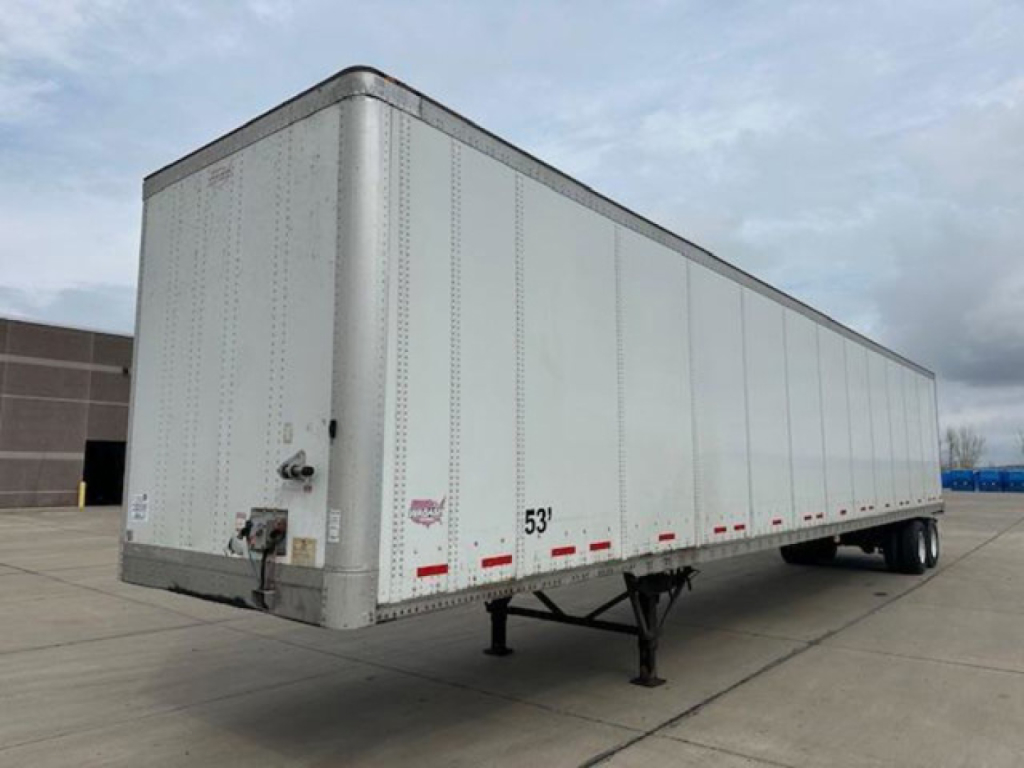

Showing 25 to 45 of 45 results
Have van trailer to sell? List it here to reach thousands of buyers.
Van Trailers in Nebraska
Construction details matter because they affect tare weight, durability, and repair cost over the life of the trailer. Aluminum vans help reduce empty weight, while plate vans and composite-lined units are often chosen for durability in high-cycle freight. Wood floors remain common because they handle forklift traffic well and are straightforward to repair, while plywood or composite linings protect sidewalls from pallet damage. Scuff liners, threshold plates, and logistics posts or E-track are worth close attention if the trailer will see mixed freight or frequent load securement changes. Buyers should also compare rear vent and front vent setups, since airflow can help with condensation control on some dry commodities.
Running gear and door configuration have a direct impact on day-to-day use. Air ride suspension is generally preferred for ride quality and cargo protection, while spring suspension can still make sense for simpler, lower-cost applications. Sliding tandems are standard on many 53-foot vans and are important for bridge law compliance, dock positioning, and weight distribution across varying loads. Tire inflation systems can lower maintenance interruptions and help protect tire life in over-the-road service. On the rear, swing doors are often favored for full-width dock access and easier sealing, while roll-up doors can be useful in route delivery or operations where door clearance behind the trailer is limited.
When comparing used van trailers, pay close attention to roof condition, floor wear, wall lining damage, crossmember integrity, door frame alignment, and tandem rail condition. Tire age and tread depth, suspension wear, brake condition, and signs of moisture intrusion around the nose and rear frame are all worth checking. Nebraska buyers should also think about seasonal temperature swings, wind exposure, and long-haul interstate use, since those conditions can accelerate wear on doors, roof seams, and suspension components. A good van trailer should match the freight first, then the lane, then the maintenance program. That approach usually leads to the right mix of cubic capacity, payload efficiency, and long-term operating cost.
Frequently Asked Questions about Van Trailers in Nebraska
What is the standard size for a dry van trailer?
The most common dry van trailer size is 53 feet long, 102 inches wide, and 13 feet 6 inches overall height. Interior height often falls between about 104 and 110 inches, depending on the trailer design. That size is the industry standard for general freight because it balances cubic capacity, legal dimensions, and compatibility with docks and common shipper requirements.
Is air ride or spring suspension better on a van trailer?
Air ride suspension is usually the preferred choice for dry van service because it delivers a smoother ride and better cargo protection, especially for palletized consumer goods, paper, and other damage-sensitive freight. Spring suspension can be less complex and sometimes less expensive to maintain, but it generally does not offer the same ride quality. The right choice depends on the commodity, lane, and maintenance priorities.
What should I inspect first on a used van trailer?
Start with the floor, roof, sidewalls, rear frame, doors, brakes, tires, and suspension. A worn floor or damaged lining can point to heavy forklift use, while roof leaks and rear frame damage can create ongoing repair costs. Also inspect tandem slide operation, crossmembers, door seals, and any logistics track or E-track for damage. These areas tell you a lot about how the trailer was loaded, maintained, and exposed to weather.
Are swing doors or roll-up doors better for van trailers?
Swing doors are more common on over-the-road dry vans because they provide full rear opening width, good sealing, and straightforward repair. Roll-up doors are convenient for operations with tight loading areas or frequent stops, but they can reduce usable rear opening height and add maintenance in the track and spring system. Buyers should match the door style to the loading environment and freight cycle.
Why do sliding tandems matter on a 53-foot van trailer?
Sliding tandems help operators adjust axle position for bridge law compliance, axle weight distribution, and dock approach requirements. They are especially important when hauling different freight densities or moving across states with varying enforcement and weight practices. A tandem slide that works smoothly and locks correctly is a key functional item on any used 53-foot van.