
Great Dane Van Trailers For Sale in Nebraska
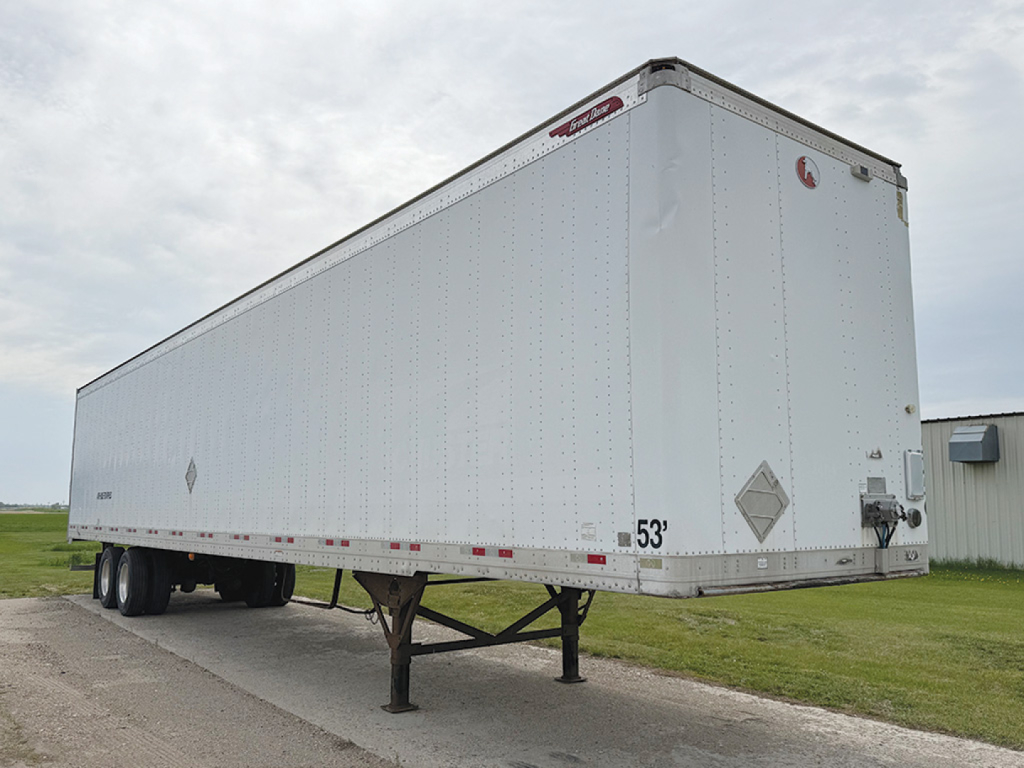
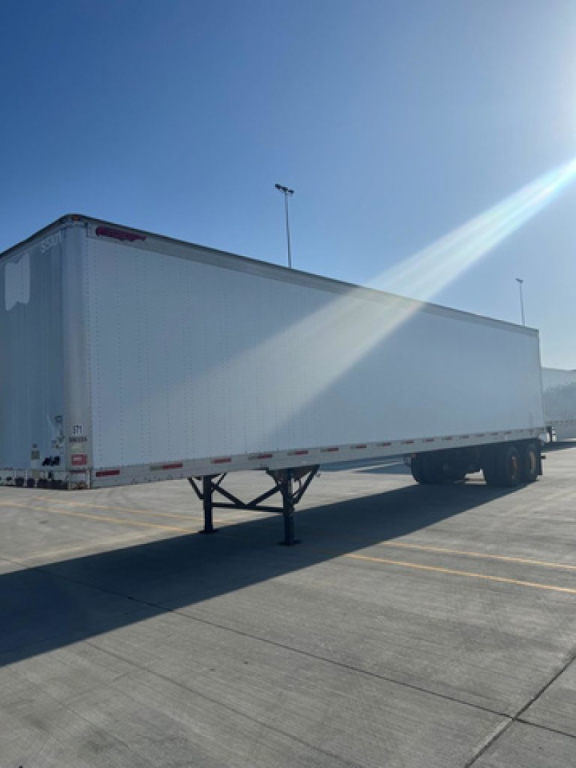

Have great dane van trailer to sell? List it here to reach thousands of buyers.
Great Dane Van Trailers in Nebraska
Condition details matter more than brand reputation alone. On a used Great Dane van trailer, pay close attention to roof condition, sidewall repairs, front wall impact damage, floor wear around forklift traffic zones, and door frame alignment. Suspension type is another key decision point. Air ride is preferred for more fragile freight and smoother ride quality, while spring ride can be simpler and less expensive to maintain in some fleets. Tire tread depth, brake life, wheel-end condition, and signs of uneven wear can reveal how the trailer tracked under load and how well it was maintained. If the trailer has a plywood lining or scuff liner package, inspect for punctures, moisture intrusion, and repeated cargo contact.
Specification differences can change how useful a van trailer is in a mixed fleet. Rear door style, interior width, logistic post spacing, floor rating, and landing gear setup all affect loading speed and cargo flexibility. Buyers hauling palletized freight should verify inside height, door opening dimensions, and floor capacity, especially if they run heavier forklifts or double-stacked light product. For Nebraska operations, corrosion exposure is often lower than in coastal regions, but winter road treatment can still affect crossmembers, rear frames, ICC bumpers, and electrical connections. A clean van trailer with solid maintenance history, straight frame structure, and dry interior will usually outperform a cheaper unit that needs roof, floor, or suspension work.
Great Dane has long been recognized in the van trailer market for broad parts support and fleet familiarity, which can help with repairs and resale. The strongest values in this category usually come from matching trailer age, length, suspension, and lining package to the freight you actually haul. A 45-foot used dry van may still make sense for dedicated contracts or tighter yard conditions, while a 53-foot trailer is generally the better fit for modern spot freight and large-volume distribution. The right buying approach is to treat a van trailer as a revenue tool first, then evaluate structural condition, maintenance needs, and cargo suitability before focusing on price alone.
Frequently Asked Questions about Great Dane Van Trailers in Nebraska
What should I inspect first on a used Great Dane van trailer?
Start with the structural and cargo-critical areas. Check the roof for patches and leaks, inspect the floor for rot, soft spots, or heavy forklift wear, and look at the front wall and sidewalls for impact damage or repairs. Then review suspension components, brakes, tires, wheel ends, rear frame condition, and door seal integrity. A dry interior and straight structure usually matter more than cosmetic appearance.
Are 45-foot Great Dane van trailers still practical to buy?
Yes, a 45-foot van trailer can still be a practical choice for dedicated lanes, local distribution, older dock layouts, and operations with space constraints. It may not be as flexible as a 53-foot trailer for mainstream brokered freight, but it can be a cost-effective fit when the freight network is predictable. The key is to match trailer length to your actual loading pattern and customer requirements.
Is air ride better than spring ride on a dry van trailer?
Air ride is generally preferred when cargo protection and ride quality are priorities. It helps reduce vibration on sensitive or higher-value freight and is common in many fleet dry van specifications. Spring ride can still be a workable option for general freight and may offer lower upfront cost, but buyers should weigh maintenance history, cargo type, and total operating cost rather than choosing on price alone.
What specs matter most when comparing Great Dane van trailers?
The most important specs usually include trailer length, inside height, suspension type, floor rating, rear door opening dimensions, lining or scuff protection, axle setup, and overall structural condition. Tire condition, brake percentage, landing gear, and signs of frame or crossmember repair also affect value. If the trailer will handle palletized freight, verify that the floor and door dimensions work with your forklifts and loading docks.
How does Nebraska use affect a used van trailer’s condition?
Nebraska trailers often see long highway miles, agricultural support freight, and seasonal winter exposure. That means buyers should look closely at undercarriage corrosion, electrical harness condition, brake components, and rear frame areas exposed to road spray and deicing materials. The climate can be easier on some body panels than coastal markets, but winter service still creates wear that should be checked carefully during inspection.