
Utility Van Trailers For Sale in Nebraska
Browse Utility van trailers for sale in Nebraska. Compare 53-foot dry van specs, suspension, tandem settings, flooring, doors, and logistics features.
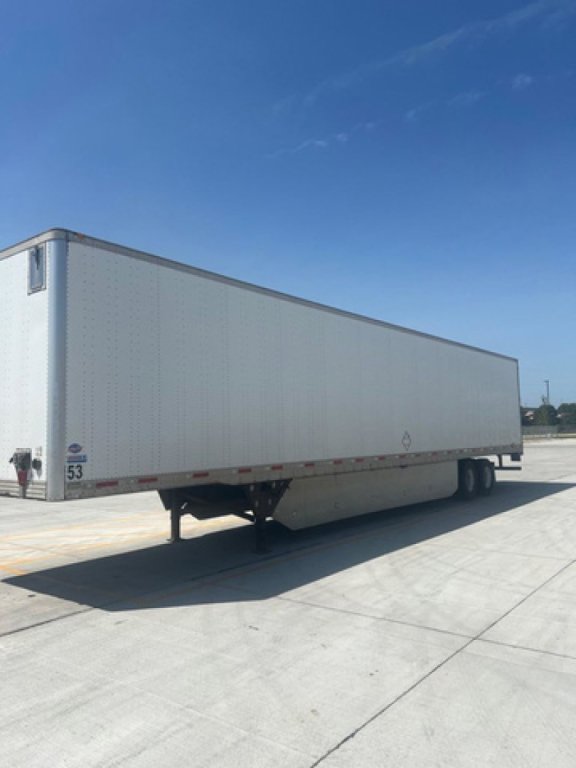
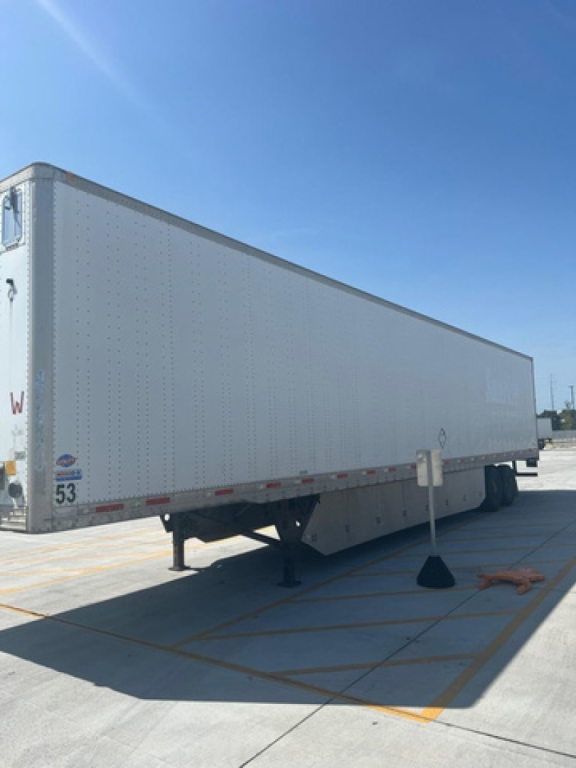
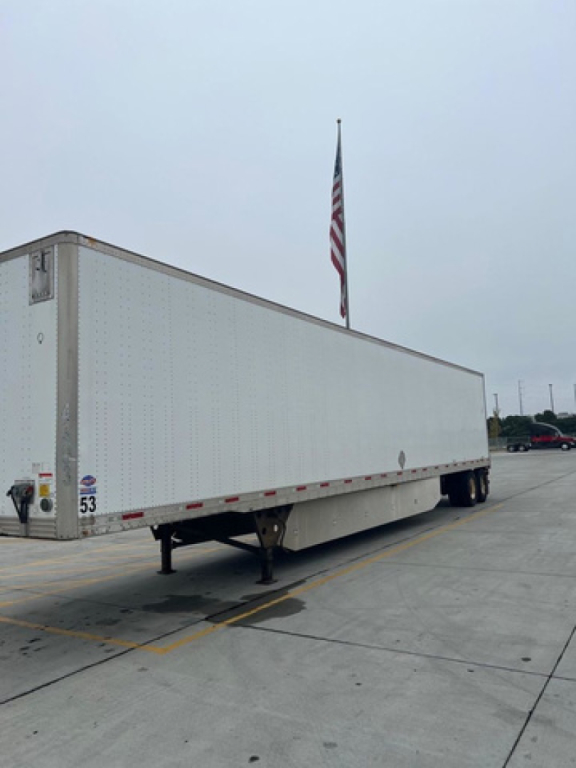
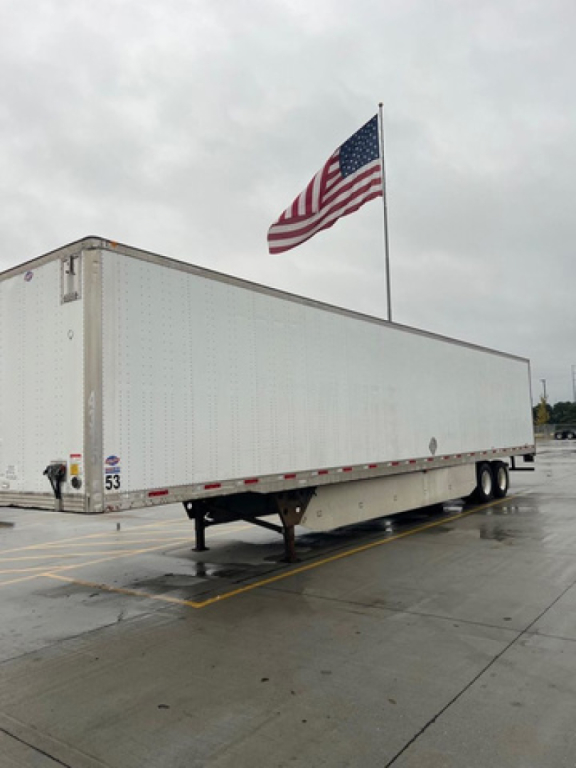
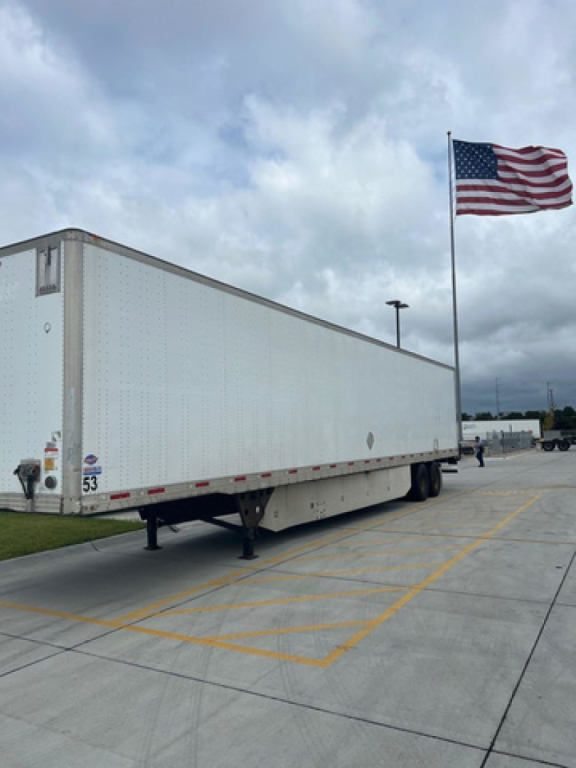
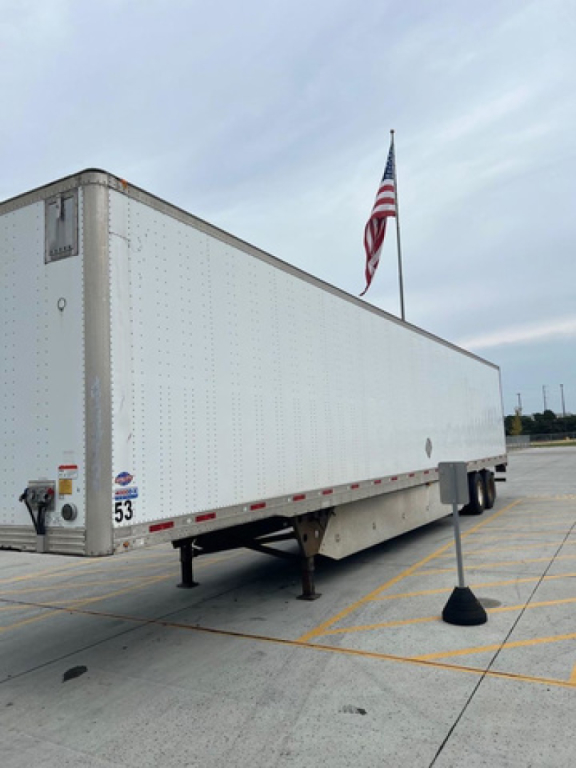
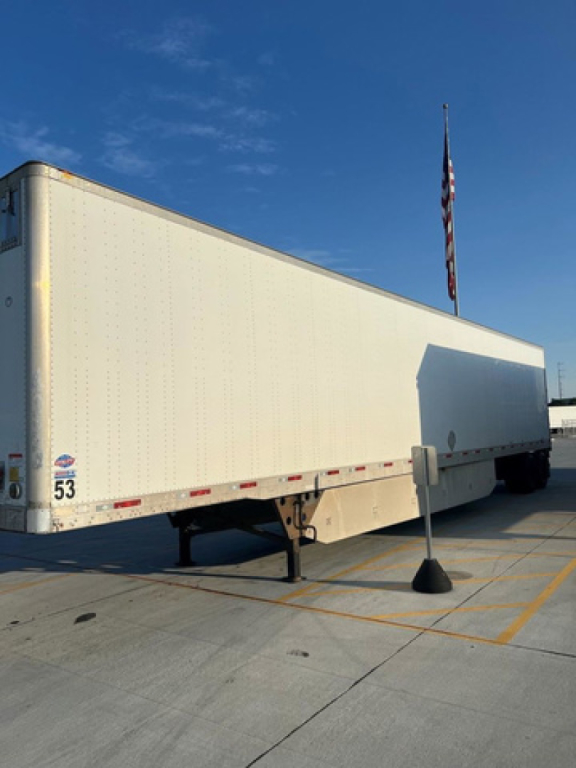
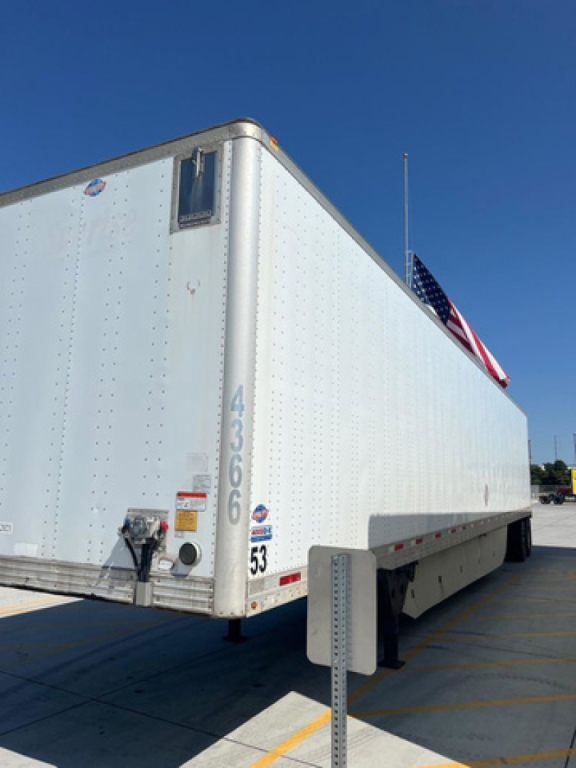
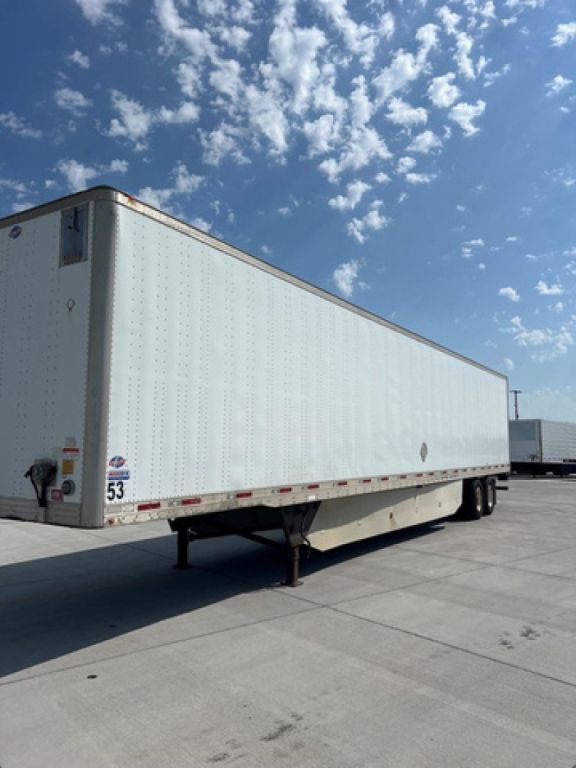
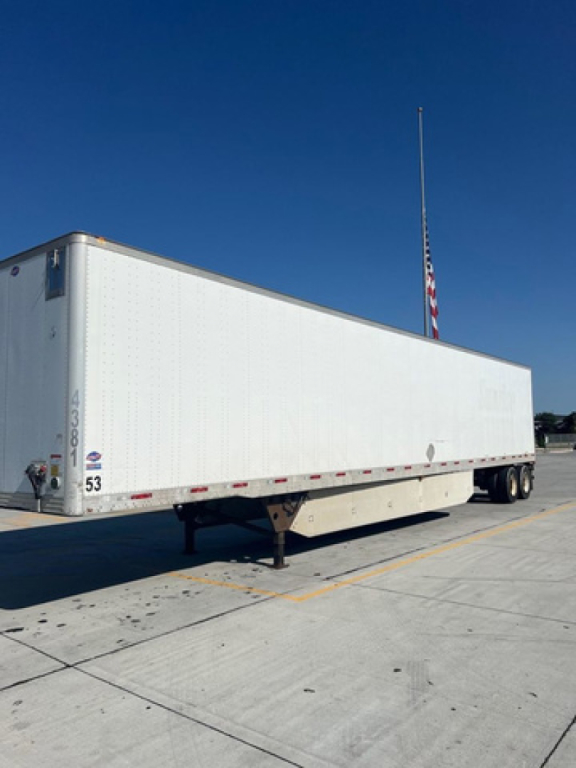
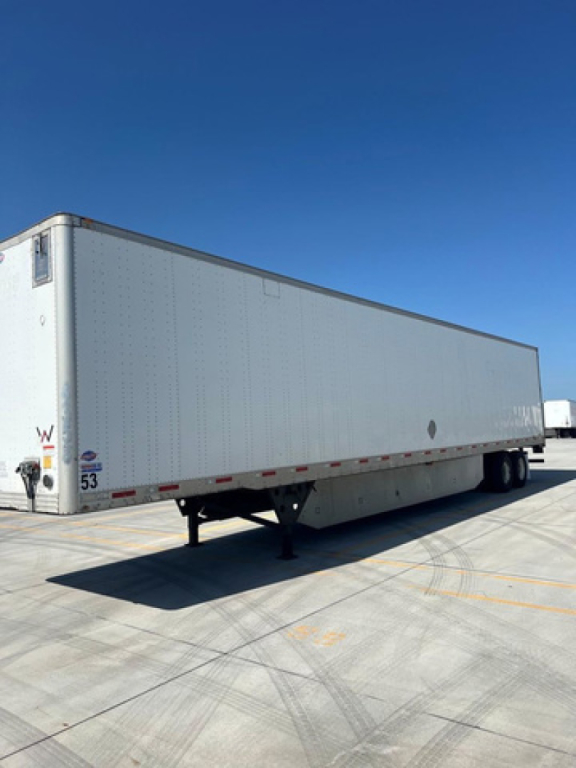
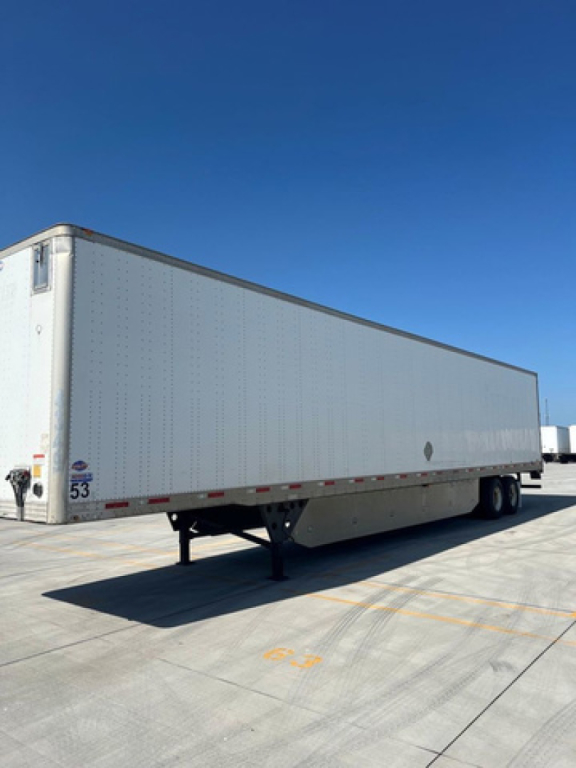

Have utility van trailer to sell? List it here to reach thousands of buyers.
Utility Van Trailers in Nebraska
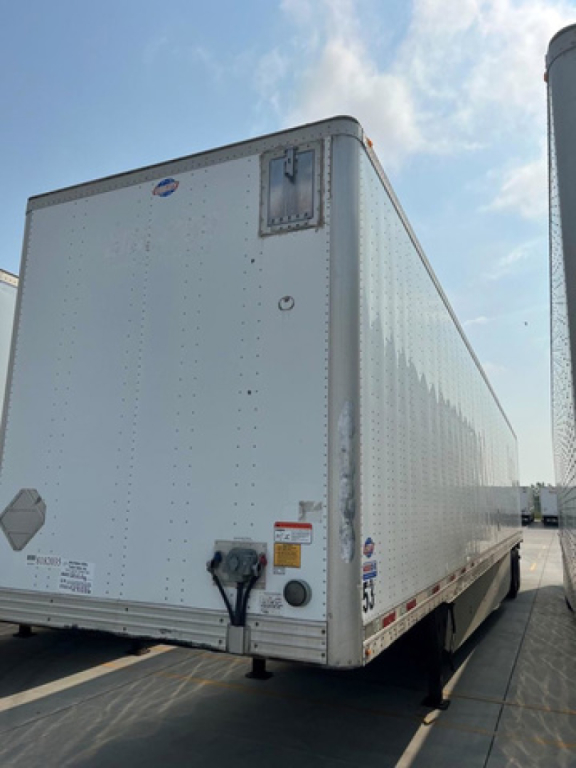
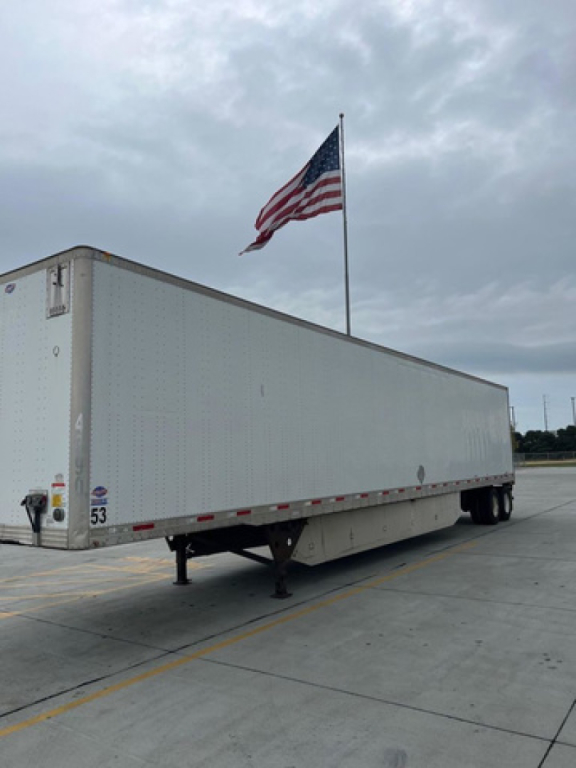
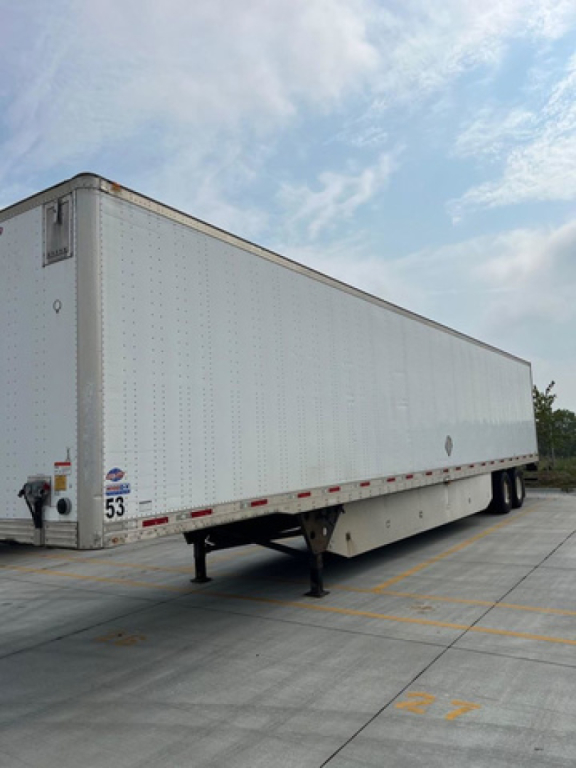
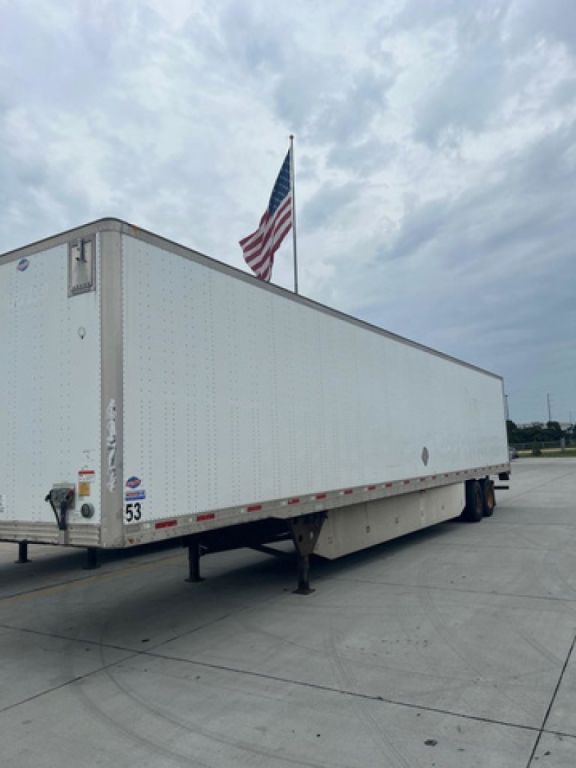
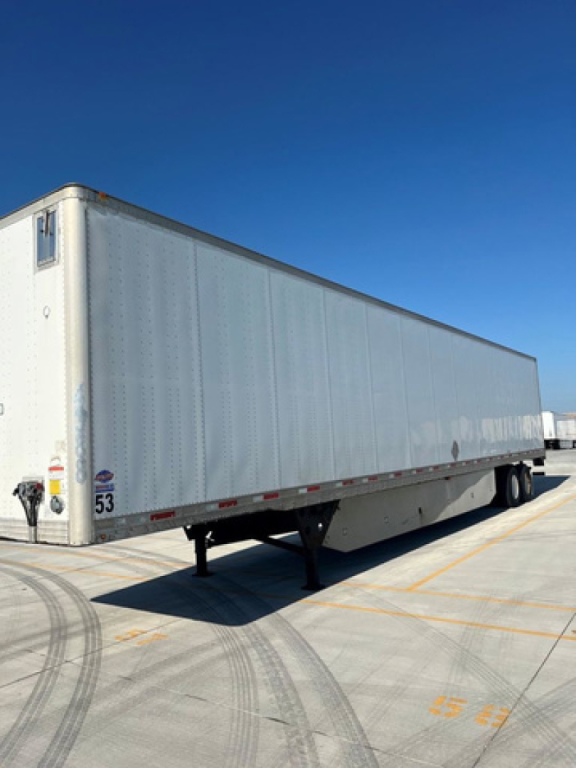
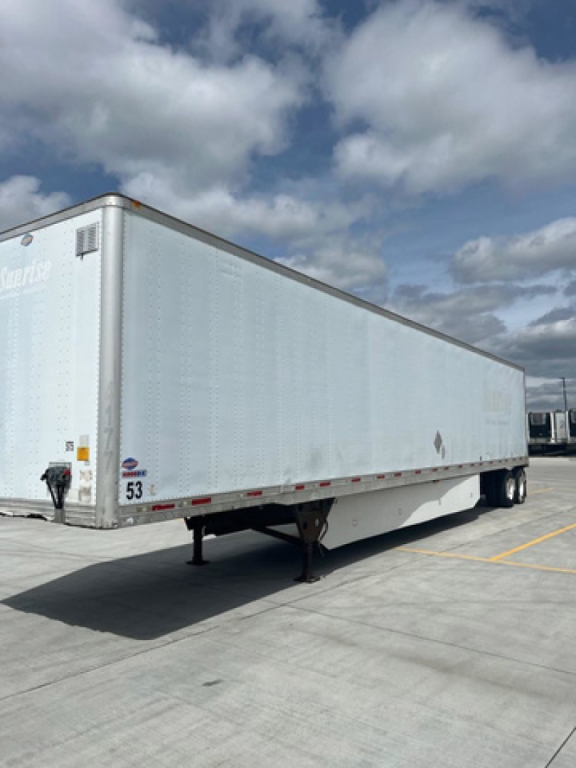
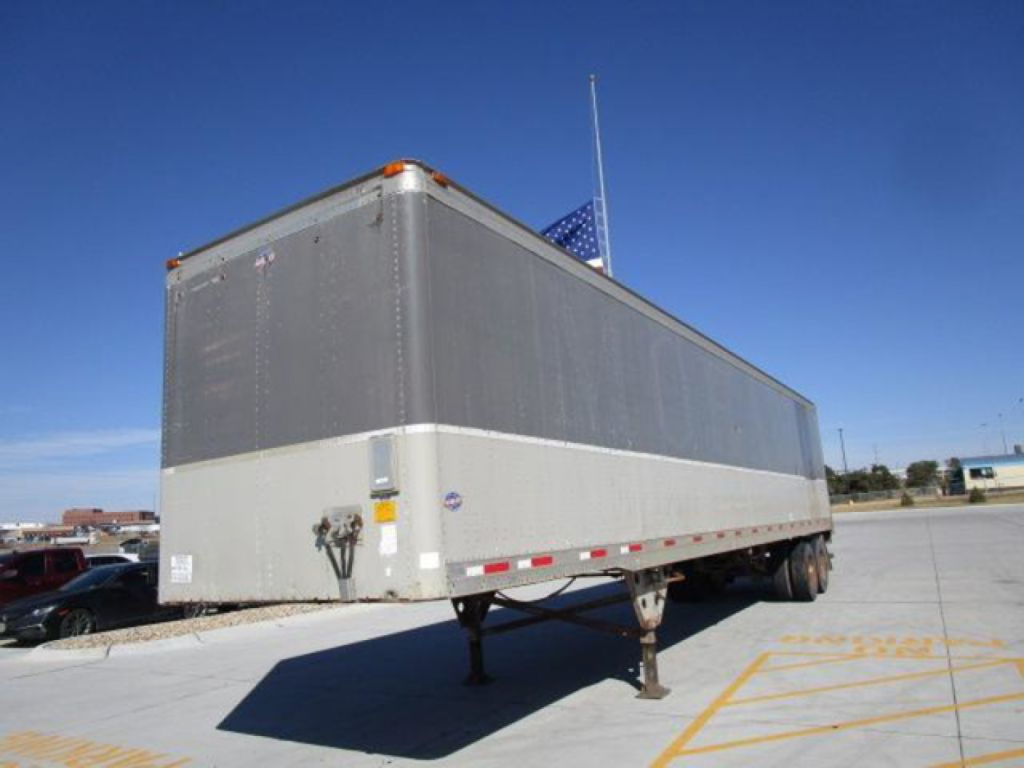
For a used Utility van trailer, the key decisions usually come down to body condition, floor life, door configuration, and running gear. Aluminum roofs and side panels help keep tare weight down, but buyers should look closely for prior wall repairs, roof bow damage, lower rail issues, and signs of hard dock impact around the threshold and rear frame. A wood floor is still common and practical, especially in mixed freight service, but floor wear, plate repairs, and forklift traffic damage matter more than age alone. Logistics posts or logistics track add flexibility for load securement, and scuff liners or scuff plates are important if the trailer has spent time in high-turn freight.
Suspension and axle setup can affect both maintenance cost and how easily the trailer fits your operation. Air ride suspension remains the preferred spec for many fleets because it helps protect freight and reduces shock on the trailer body. Sliding tandems are standard on many 53-foot vans and are important for bridge law compliance, dock positioning, and balancing axle weights. Buyers should also compare brake type, with disc brakes offering strong stopping performance and easier inspection access, while tire inflation systems can reduce roadside downtime and improve tire life. Low-profile 22.5 tires, aluminum or steel disc wheels, stainless front radius panels, stainless rear frames, and aerodynamic side skirts are all common features that can influence durability, fuel economy, and resale value.
Nebraska buyers often need a dry van that can handle regional agriculture, food-related distribution, manufacturing freight, and long interstate runs through the Plains and Midwest. That makes overall trailer condition, door seal integrity, suspension health, and winter-ready corrosion resistance especially important. Swing doors are still the standard on dry vans, but buyers should inspect hinges, lock rods, door frame alignment, and threshold wear because repeated dock use shows up quickly in those areas. A good Utility van trailer should match your freight profile first, then your maintenance strategy, with close attention to cube, empty weight, securement options, and the condition of high-wear components.
Frequently Asked Questions about Utility Van Trailers in Nebraska
What are the most common specs on a Utility van trailer?
Most Utility van trailers in the dry van category are 53 feet long, 102 inches wide, and 13 feet 6 inches high. Many are built with aluminum construction to reduce tare weight and improve corrosion resistance. Common specs include a wood floor, swing doors, air ride suspension, sliding tandems, 22.5 low-profile tires, and logistics posts or track for flexible cargo securement.
What should I inspect first on a used Utility 4000D-X trailer?
Start with the floor, rear frame, door opening, and suspension. Floor condition tells you a lot about forklift traffic and load history. The rear threshold, door frame, hinges, and lock rods often show the effects of repeated dock contact. After that, inspect the roof, side panels, crossmembers, slider assembly, brake components, and tire wear pattern to catch structural or alignment issues before purchase.
Are air ride and sliding tandems worth having on a dry van trailer?
For most fleets, yes. Air ride suspension helps protect freight, improves ride quality, and reduces shock transferred into the trailer body. Sliding tandems are important on a 53-foot van because they allow better axle weight distribution and help with bridge law compliance in different states. They also give the driver more flexibility at docks and in tight operating conditions.
Why do many buyers prefer an aluminum Utility van trailer?
Aluminum construction helps reduce empty weight, which can improve payload capacity and support fuel efficiency over time. It also resists corrosion better than heavier steel-intensive designs, which matters in regions with winter road treatment and year-round exposure. Utility trailers are also widely recognized in fleet service, which supports parts access, easier remarketing, and familiar maintenance procedures for many shops.
Do features like disc brakes, side skirts, and tire inflation systems matter on a dry van?
They can matter a great deal depending on your operating model. Disc brakes can improve stopping consistency and simplify brake inspections. Side skirts may help fuel economy on highway lanes. Tire inflation systems can reduce tire-related downtime and help maintain more even tire pressure across the trailer. These features are especially useful for fleets running high annual miles, disciplined maintenance programs, or fuel-sensitive regional and over-the-road freight.