
Wabash Van Trailers For Sale in Nebraska
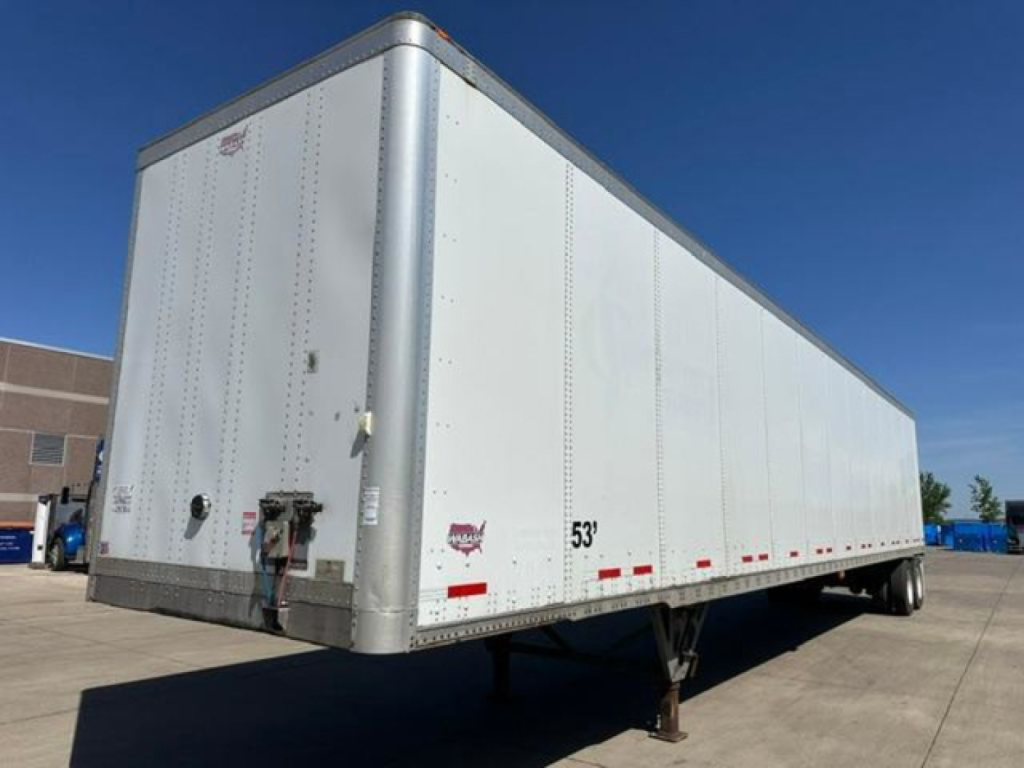
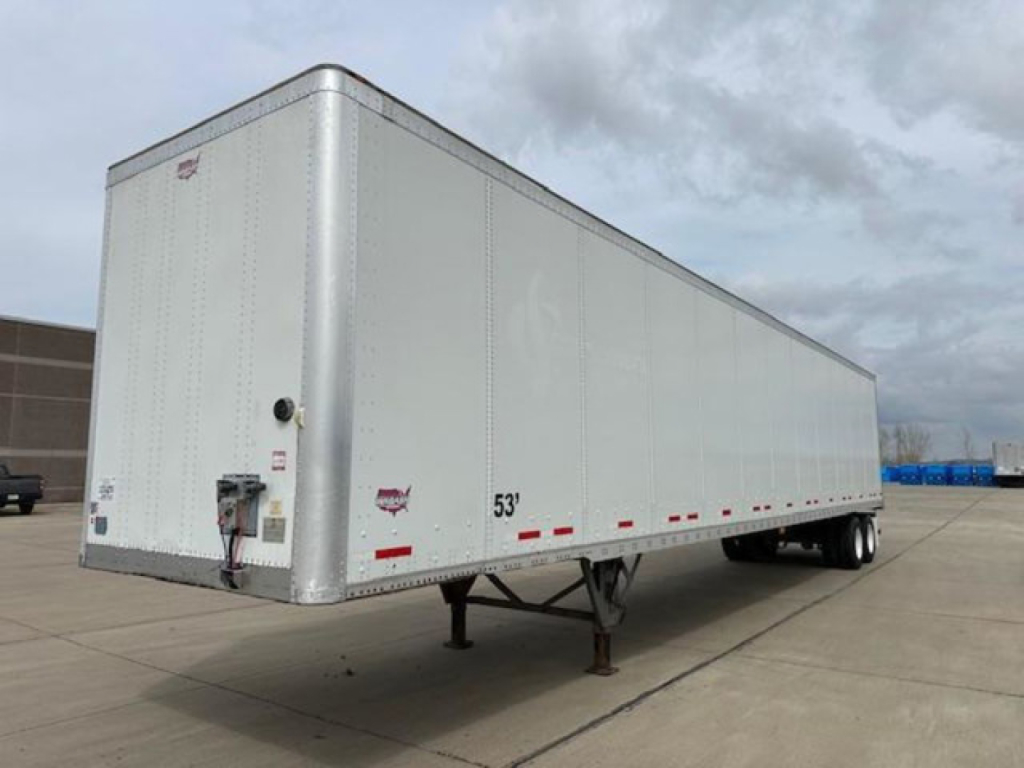
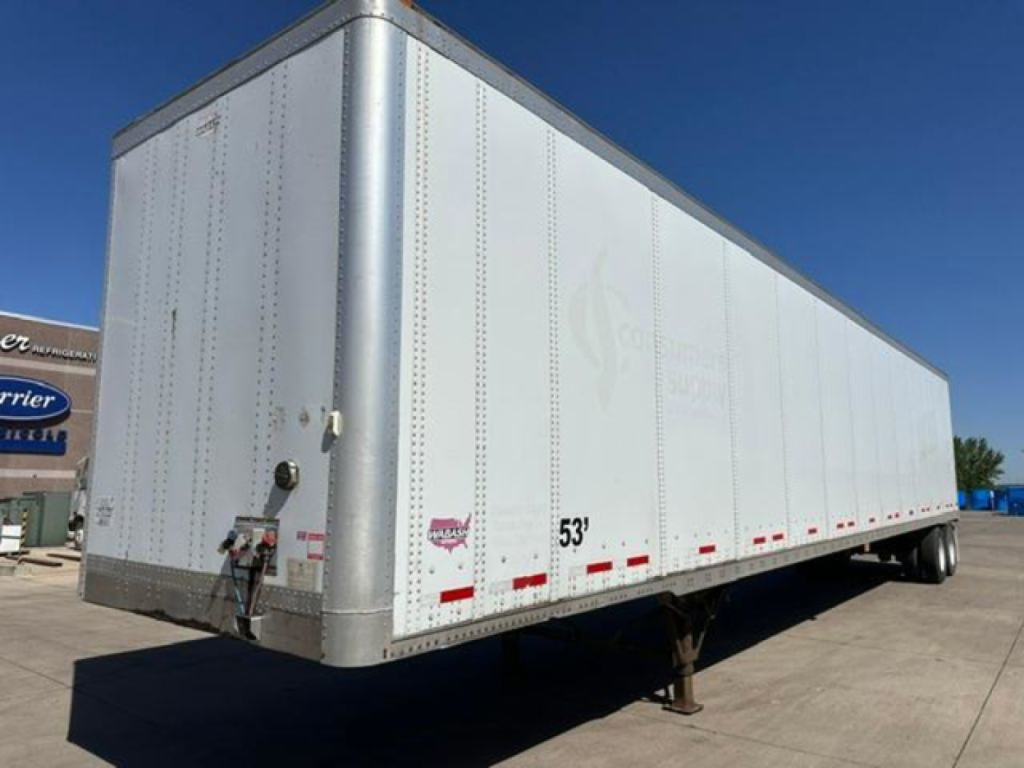
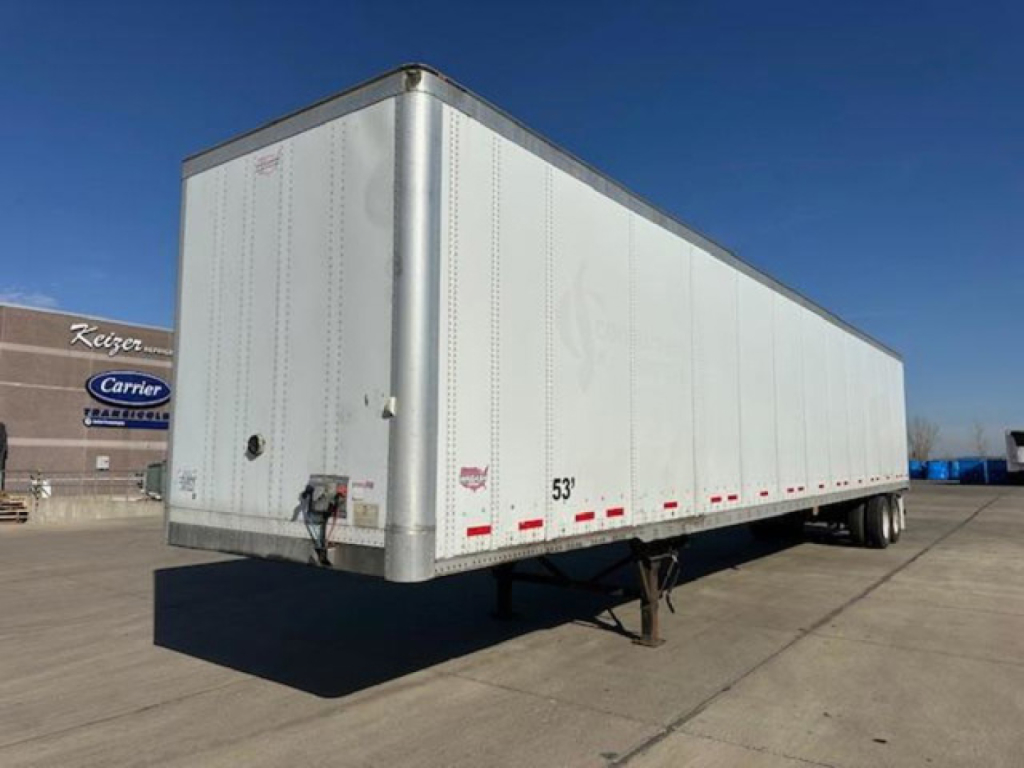
Shop Wabash van trailers for sale, including 53-foot dry vans with air ride, roll-up doors, translucent roofs, and logistics-ready specs.
Have wabash van trailer to sell? List it here to reach thousands of buyers.
Wabash Van Trailers in Nebraska
The most important buying decisions usually come down to body condition and trailer spec, not just model year. Floor type, roof condition, sidewall integrity, and rear frame wear tell you more about remaining service life than paint or decals. Plastic scuff liners are common and help protect the lower interior walls in high-touch freight. A translucent roof can improve interior visibility during loading, which is useful in day-to-day warehouse work. Roll-up doors are often preferred for frequent dock use in urban or multi-stop service, while swing doors may appeal to fleets focused on maximum rear opening simplicity and lower door repair costs.
Suspension and axle setup should match the freight and the lanes. Air ride is a popular spec on Wabash vans because it helps protect cargo, improves ride quality, and is well suited for higher-value or palletized freight. Buyers in Nebraska often pay close attention to corrosion, tire condition, brake life, and alignment-related wear because a trailer may see long highway miles, seasonal temperature swings, and mixed regional duty. Check crossmembers, landing gear, upper coupler area, rear sill, and door frame carefully. On used dry vans, evidence of forklift damage, patched floors, leaking roofs, or bowed side panels can affect both loadability and resale value.
A good Wabash van trailer fit depends on how it will be loaded, how often it will be dropped, and how hard it will cycle through docks. Fleets moving lightweight cube freight may prioritize interior condition and door reliability, while denser freight operations may focus more on floor rating, suspension health, and overall structural soundness. If the trailer will run in a slip-seat or drop-and-hook environment, buyers usually want standardized specs, clean DOT compliance items, and minimal deferred maintenance. Wabash dry vans remain a practical category for carriers that need a straightforward enclosed trailer with broad freight compatibility and a large used-market footprint.
Frequently Asked Questions about Wabash Van Trailers in Nebraska
What are the most important things to inspect on a used Wabash van trailer?
The highest-value inspection points are the floor, roof, sidewalls, rear frame, upper coupler area, suspension, brakes, and tires. A used dry van can look acceptable from the outside while hiding forklift damage, soft floor sections, roof leaks, or structural fatigue around the rear sill and crossmembers. Buyers should also inspect the door opening for frame distortion, check the scuff liner and interior posts, and confirm that landing gear and slider components operate correctly if equipped. These items affect freight handling, downtime, and repair cost more than cosmetic appearance.
Are Wabash van trailers typically 53 feet long?
Yes. The most common Wabash van trailer in the used market is a 53-foot dry van built for standard freight service. That size works well for general truckload operations, retail distribution, and drop-and-hook freight because it maximizes cargo cube within standard over-the-road trailer dimensions. Buyers should still verify interior height, door opening dimensions, axle configuration, and kingpin setting because those details affect payload distribution, dock compatibility, and state bridge compliance.
Is air ride suspension a good choice on a dry van trailer?
Air ride is a strong choice for many dry van applications because it helps reduce cargo shock and vibration compared with more basic suspension designs. It is commonly specified for palletized goods, consumer products, and freight that benefits from a smoother ride. Air ride can also support fleet standardization if tractors and trailers are expected to run in mixed regional and long-haul service. The tradeoff is that buyers should pay close attention to air system condition, ride height components, and suspension wear points during inspection.
Why do some Wabash van trailers have roll-up doors instead of swing doors?
Roll-up doors are often selected for operations with frequent dock stops, tighter urban loading areas, or repeated opening and closing throughout the day. They can improve convenience where full door swing clearance is limited behind the trailer. The tradeoff is that roll-up door systems add components that can wear or need adjustment, including tracks, panels, and springs. Swing doors remain popular for fleets that want a simple rear closure design and full rear opening access with fewer moving parts.
What interior features matter most in a dry van trailer?
Interior usability often comes down to floor condition, liner protection, roof light transmission, and wall integrity. Plastic scuff liners help protect lower wall sections from pallets and forklifts, which is especially useful in high-cycle freight service. A translucent roof can improve daytime visibility inside the trailer and speed loading. Buyers should also verify that the interior is straight, dry, and free of major punctures or repairs that could limit freight compatibility or create cargo claim risk.