
Stoughton Van Trailers For Sale in Nebraska
Browse Stoughton van trailers for sale in Nebraska. Compare 53-foot dry van specs, suspension, lining, doors, and road-ready condition.
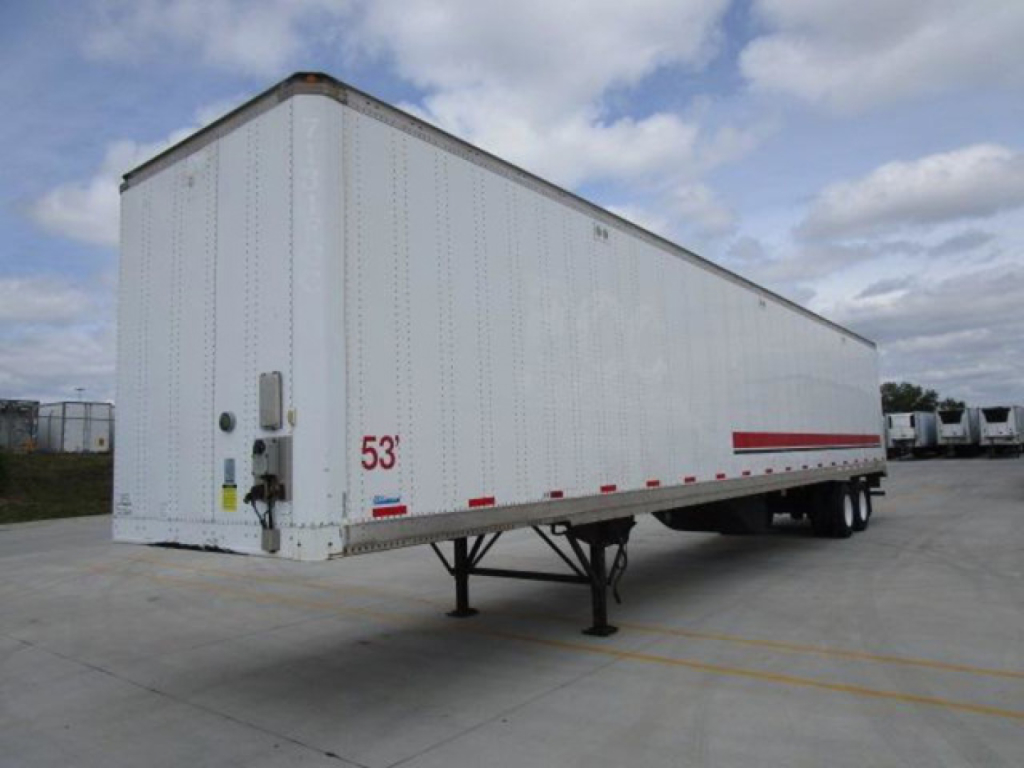
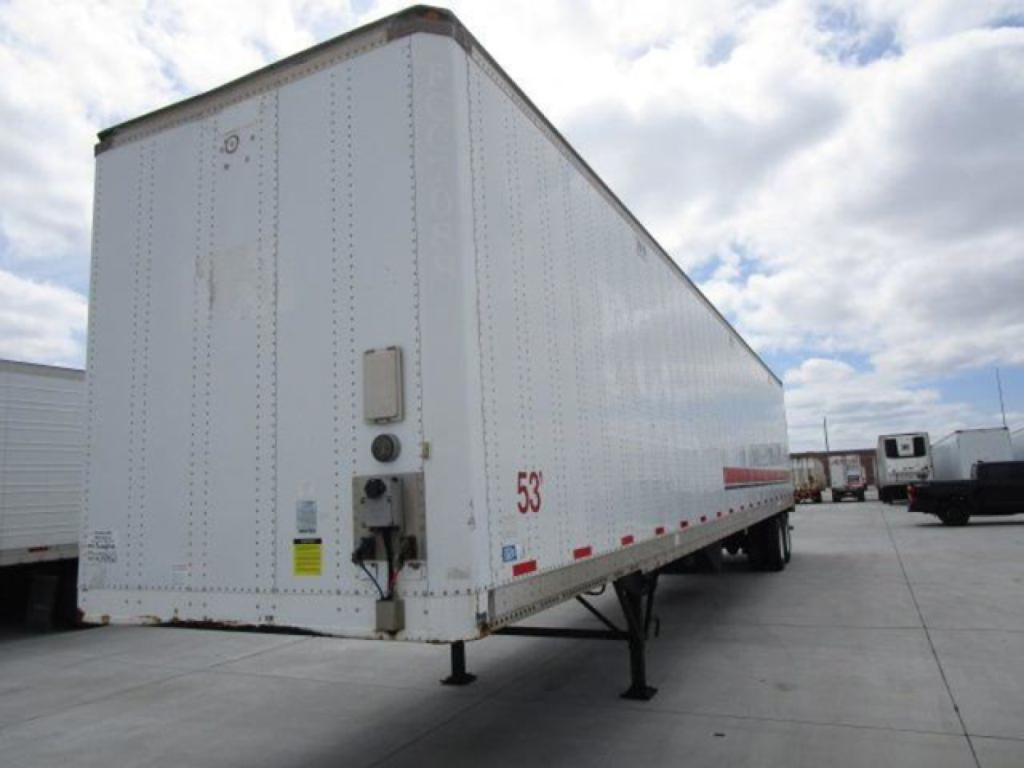
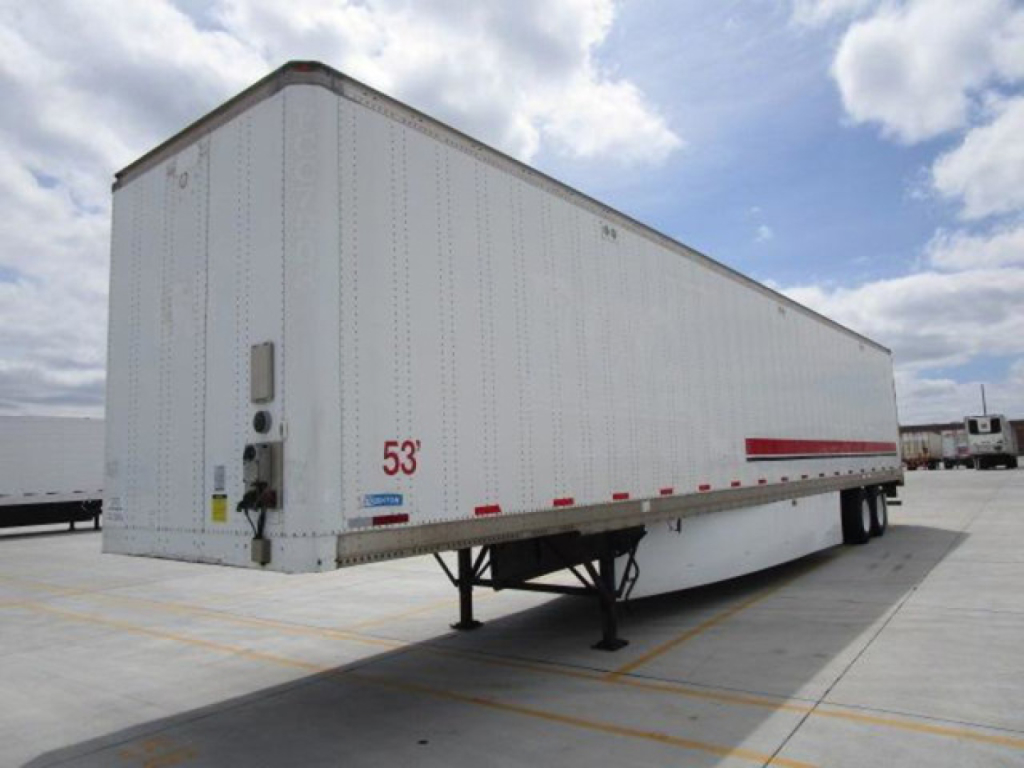
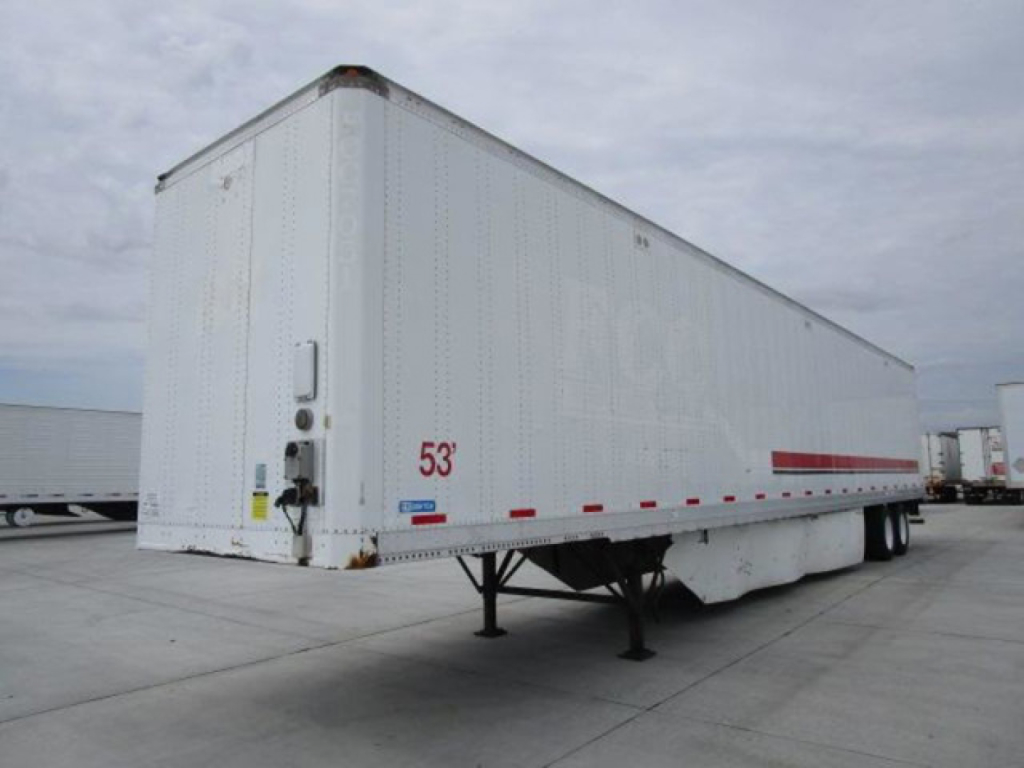
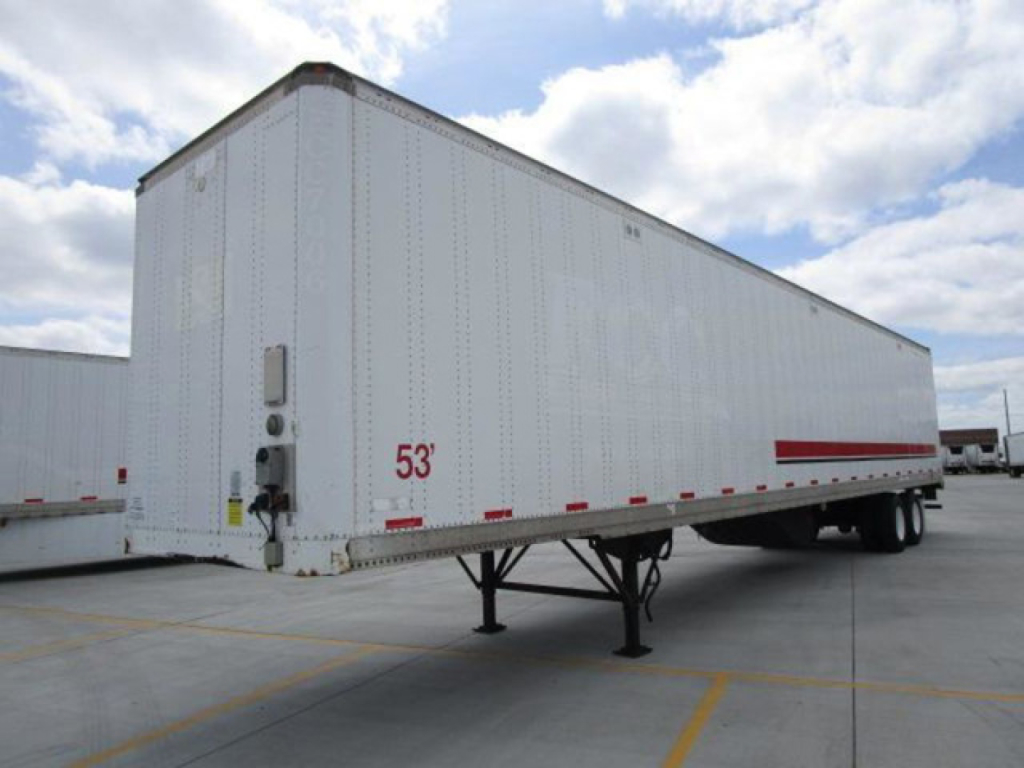
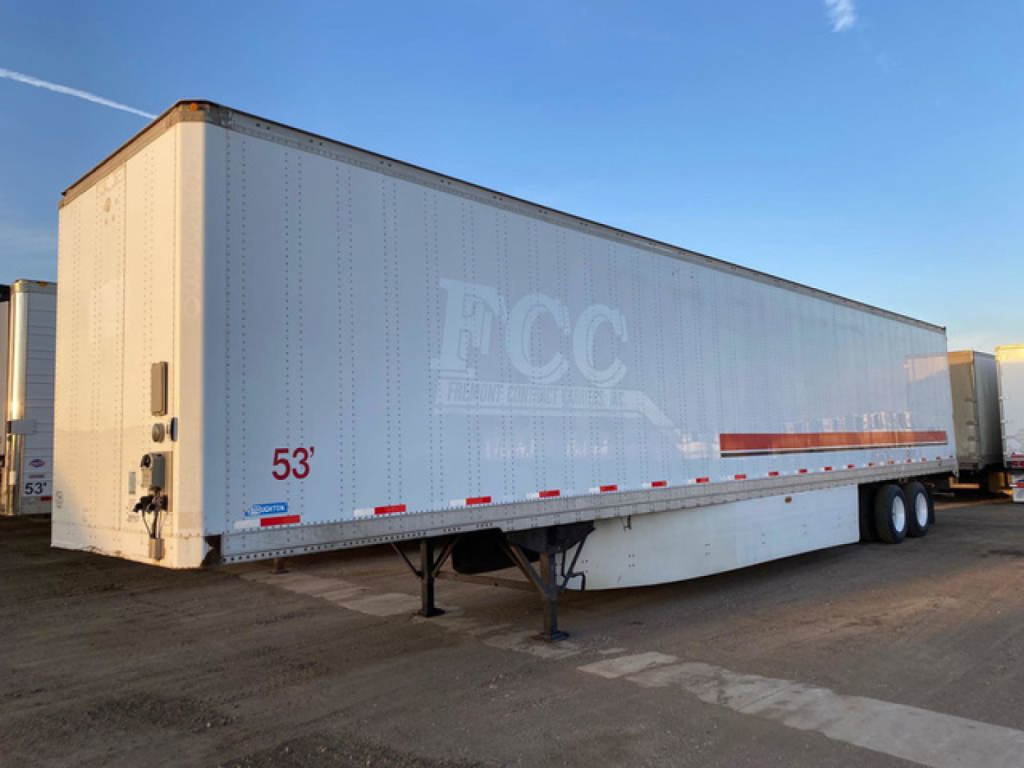
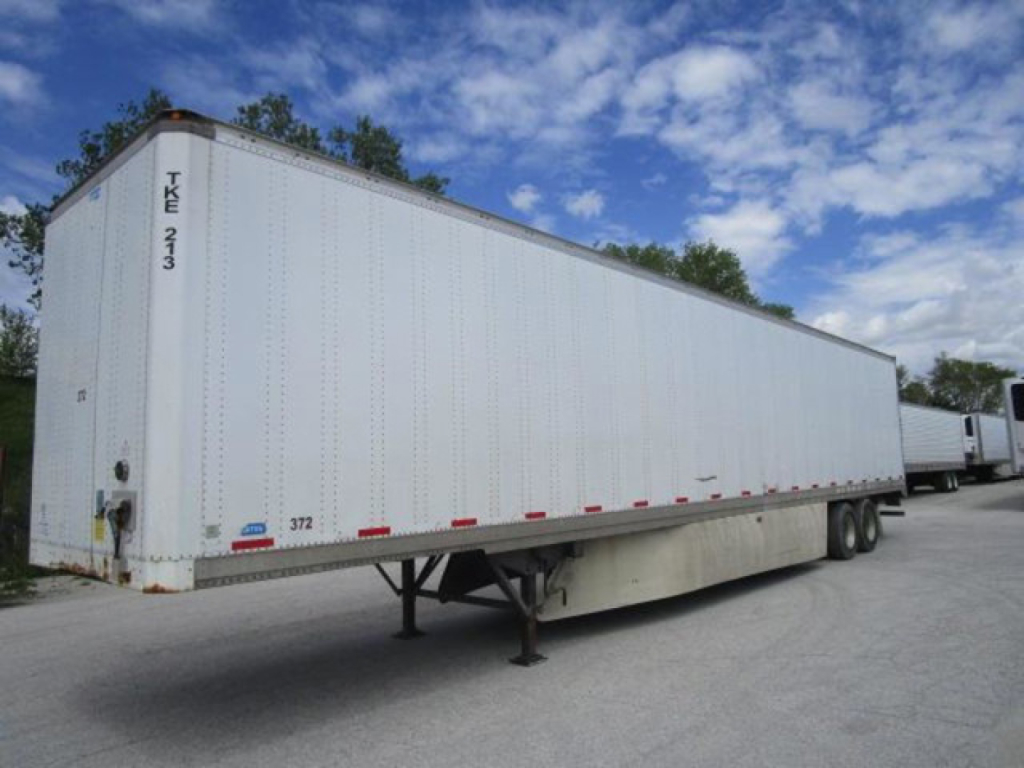
Have stoughton van trailer to sell? List it here to reach thousands of buyers.
Stoughton Van Trailers in Nebraska
For many buyers, the first decisions are suspension, interior condition, and trailer weight. Air ride suspension is popular on used Stoughton van trailers because it helps protect freight and improves ride quality on longer hauls. Interior plastic lining is also worth noting, especially for operators hauling packaged goods or freight that can scuff sidewalls. On a used van trailer, lining condition, roof integrity, floor wear, rear frame condition, and door seal performance usually tell you more than paint ever will. Tire tread depth, brake life, and axle alignment should also be checked closely because those items affect total operating cost immediately.
Stoughton dry van trailers are generally chosen for standard over-the-road freight rather than specialized cargo. That makes them attractive to carriers, owner-operators, and shippers moving high-cube non-temperature-sensitive loads. Typical specs in this category include a 53-foot overall length, swing doors, logistics post or smooth liner interiors, and tandem sliding axle setups that help with bridge law compliance and load distribution. Buyers should also confirm the kingpin setting, floor rating, DOT inspection status, and any signs of crossmember or threshold damage, especially on trailers that have seen heavy forklift traffic.
A good used Stoughton van trailer should be evaluated as a revenue tool, not just a box on wheels. In practical terms, that means checking for a dry roof, solid floor, clean rails, consistent tire wear, and brakes with usable life left. Nebraska buyers often prioritize trailers that are ready for regional or long-haul freight without immediate shop time. If the trailer has air ride, decent rubber, sound doors, and a clean interior, it can be a dependable dry van option for contract freight, backhaul work, or fleet replacement cycles.
Frequently Asked Questions about Stoughton Van Trailers in Nebraska
What should I look at first on a used Stoughton van trailer?
Start with the roof, floor, rear frame, suspension, brakes, and tires. On a dry van, water intrusion and floor damage can create immediate cargo and compliance problems, so those areas matter more than cosmetics. Check door operation, seal condition, and evidence of forklift impact around the threshold and lower sidewalls. If the trailer has air ride, inspect the suspension components and confirm it holds properly. Tire tread depth and brake condition give a quick picture of near-term operating expense.
Are Stoughton van trailers good for general dry freight?
Yes. Stoughton van trailers are widely used for general dry freight such as palletized consumer goods, boxed freight, paper products, and other non-refrigerated loads. A 53-foot dry van is the standard choice for many over-the-road and regional lanes because it offers strong cubic capacity, weather protection, and broad shipper acceptance at loading docks. The key is matching the trailer's floor condition, interior lining, and axle setup to the type of freight you plan to haul.
Why does air ride suspension matter on a dry van trailer?
Air ride suspension helps reduce shock and vibration compared with some mechanical setups, which can be important for freight that is stacked high, packaged tightly, or prone to shifting. It can also improve ride quality and reduce some wear on the trailer structure over long highway miles. For many buyers, air ride is a preferred spec on a used dry van because it supports a wider range of freight opportunities and is commonly requested in contract freight environments.
What trailer specs are most important on a 53-foot dry van?
The most important specs usually include overall length, axle configuration, suspension type, kingpin setting, door type, interior lining, and floor rating. Buyers should also consider tare weight, roof construction, and whether the trailer has a sliding tandem for load distribution and bridge law flexibility. On the used market, actual condition often matters as much as factory spec, so inspection of the floor, crossmembers, tires, brakes, and doors should be part of every purchase decision.
Is a plastic-lined dry van trailer a useful feature?
Yes, plastic lining can be a practical feature on a dry van trailer because it helps protect the interior walls from freight scuffs and minor contact. That can be useful for palletized goods, boxed shipments, and regular dock loading where forklifts and cargo movement take a toll on the inside of the trailer. It does not replace the need for a sound structural wall, but it can help preserve interior condition and improve appearance for shippers that care about trailer cleanliness.