
Used 2019 Vanguard Utility Trailers For Sale in Georgia
Shop used 2019 Vanguard utility trailers in Georgia. Compare dry van specs, dimensions, doors, floors, tires, and fleet-ready features.
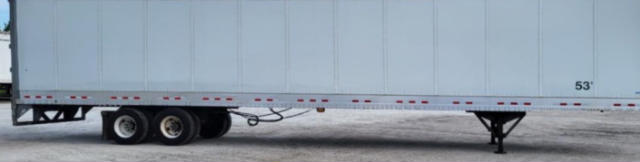
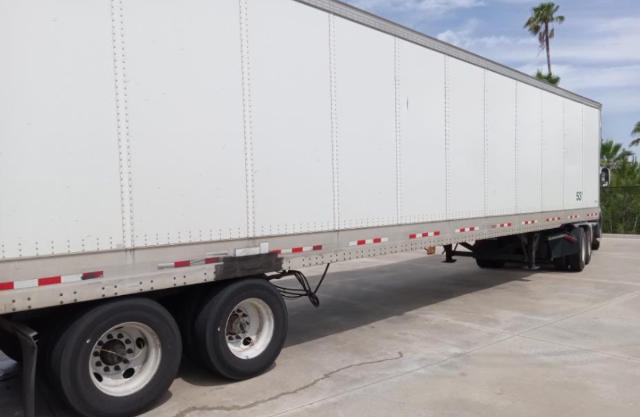
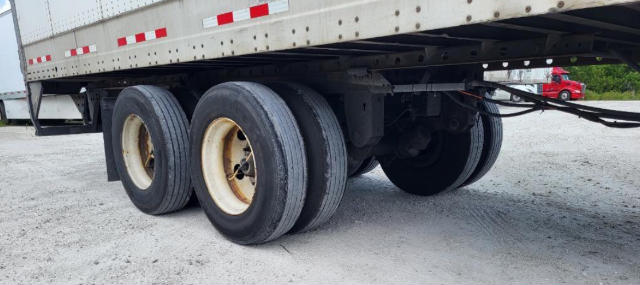
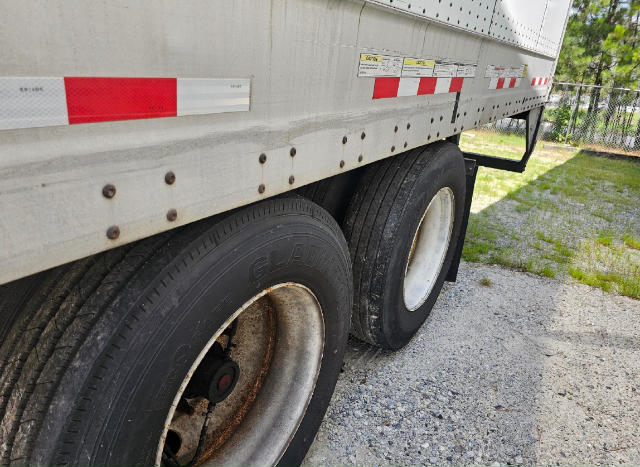
Selling a used 2019 vanguard utility trailer? List your used 2019 vanguard utility trailer for sale and reach thousands of commercial buyers.
Used 2019 Vanguard Utility Trailers in Georgia
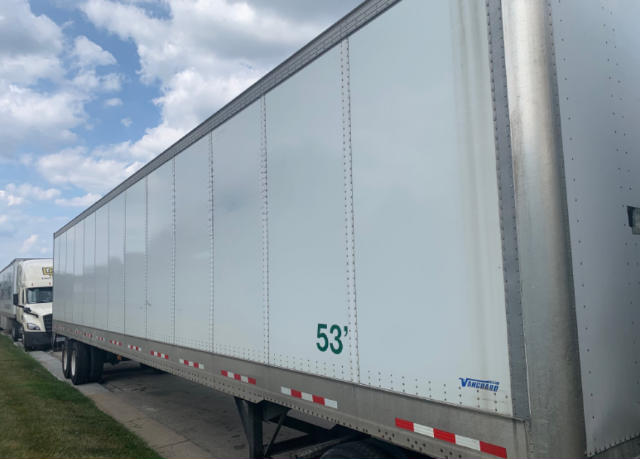
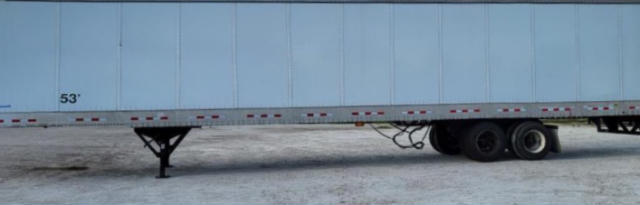
Most 2019 Vanguard utility trailers in Georgia will be 53-foot air ride dry vans with swing doors, tandem sliding suspension, and logistics-post or scuff-liner interior setups. Common checkpoints include floor wear from forklifts, door seal condition, crossmember corrosion, slider operation, tire matching, wheel-end service history, and any signs of impact damage at the nose, rear sill, or upper rails. Buyers hauling beverages, paper, packaging, or mixed distribution freight should also pay close attention to floor rating, wall integrity, and how well the trailer tracks when loaded. If the trailer has been in fleet service, maintenance records can tell you a lot about brake work, ABS issues, and prior body repairs.
Georgia operation adds a few practical considerations. Humidity, heavy freight lanes, and dense distribution traffic around Atlanta, Savannah, Macon, and I-75 corridors can accelerate wear at seals, floors, and running gear. For port-related or drop-and-hook applications, check kingpin wear, landing gear condition, DOT reflective tape, and the rear door hardware since these items take constant abuse in high-turn environments. Tire inflation systems, aluminum roof construction, and aerodynamic side skirting may also appear on some units and can affect maintenance cost, fuel economy, and resale appeal.
A 2019 model year sits in a useful price and spec range for fleets and owner-operators that want a modern dry van without paying late-model premiums. When comparing used Vanguard utility trailers, focus on trailer weight, interior cube, suspension type, brake configuration, door opening dimensions, and evidence of consistent preventative maintenance. A clean, straight dry van with solid floors and a healthy undercarriage will usually outperform a cheaper trailer that needs immediate structural or running-gear work.
Frequently Asked Questions about Used 2019 Vanguard Utility Trailers in Georgia
What is a Vanguard utility trailer?
In this market, a Vanguard utility trailer generally refers to a dry van trailer used for enclosed freight. It is designed to haul palletized and non-temperature-controlled cargo while protecting the load from weather and road debris. Many 2019 Vanguard units are 53-foot dry vans configured for fleet freight, distribution, and over-the-road service.
What should I inspect first on a used 2019 Vanguard dry van?
Start with the floor, roof, rear frame, suspension, brakes, and tires. Floor condition is critical because forklift damage and soft spots can turn into expensive repairs quickly. After that, inspect the door frame, seals, crossmembers, slider rails, wheel ends, and kingpin area for cracks, corrosion, or signs of hard dock impact. A straight body and documented maintenance history usually matter more than cosmetic appearance alone.
Are 2019 Vanguard utility trailers good for fleet and regional freight?
Yes, a 2019 Vanguard dry van can be a strong fit for fleet, regional, and over-the-road freight if it has been maintained properly. This model year is modern enough to offer current fleet-friendly specs while still being priced below newer equipment. It is commonly used for retail, packaging, dry goods, consumer products, and general palletized freight.
What specs matter most when comparing used utility trailers?
The most important specs are trailer length, tare weight, suspension type, floor rating, rear door configuration, brake setup, and tire condition. Buyers should also compare interior dimensions, scuff liner or logistics-post setup, wheel material, and any aerodynamic equipment. These details affect payload, freight compatibility, maintenance cost, and how easily the trailer fits into an existing fleet.
Why does Georgia location matter when buying a used utility trailer?
Georgia location matters because operating conditions and freight patterns can influence wear. High-volume distribution routes, port freight, humidity, and frequent dock cycles can accelerate stress on floors, seals, landing gear, and rear door hardware. A trailer that has spent time in Georgia freight service should be checked carefully for running-gear wear, water intrusion, and evidence of repeated loading dock contact.