
Used Vanguard Utility Trailers For Sale
Browse used Vanguard utility trailers, including VXP dry vans, with specs, maintenance considerations, and features that matter to fleet buyers.
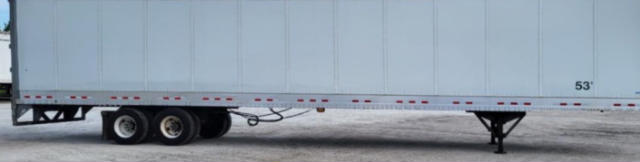
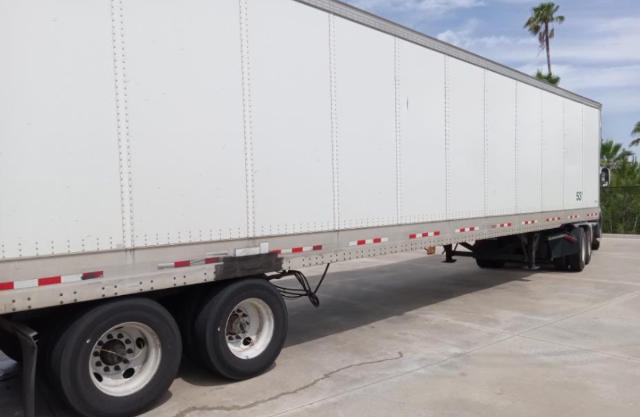
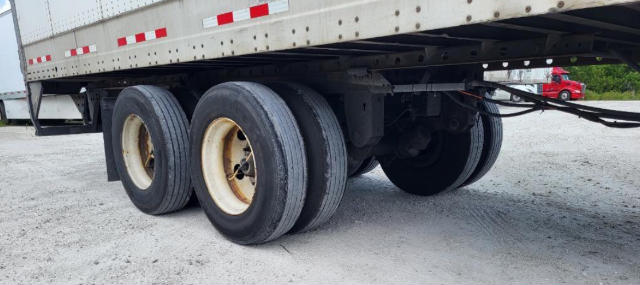
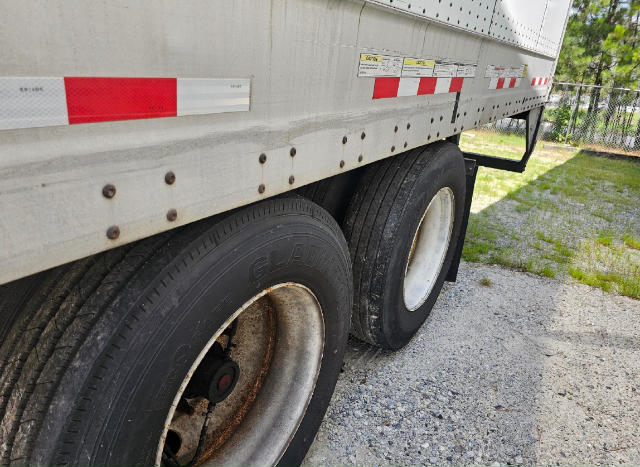
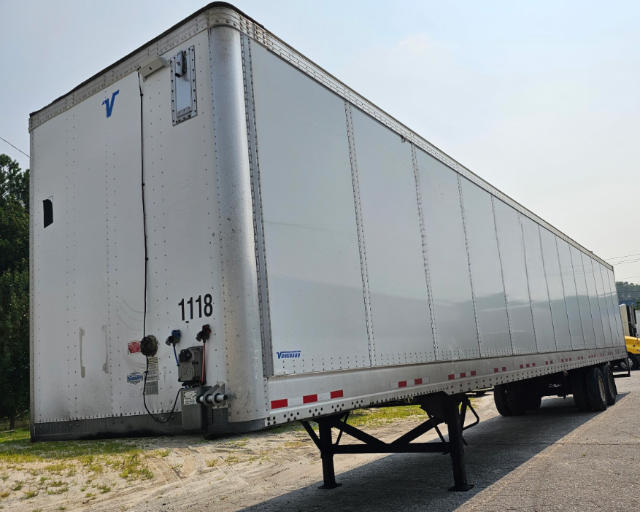
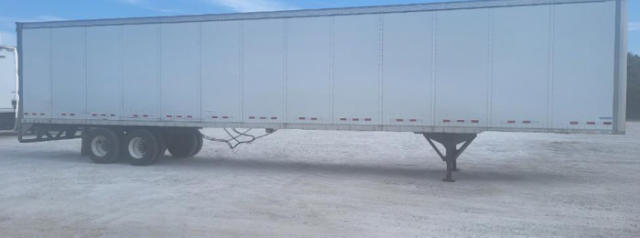
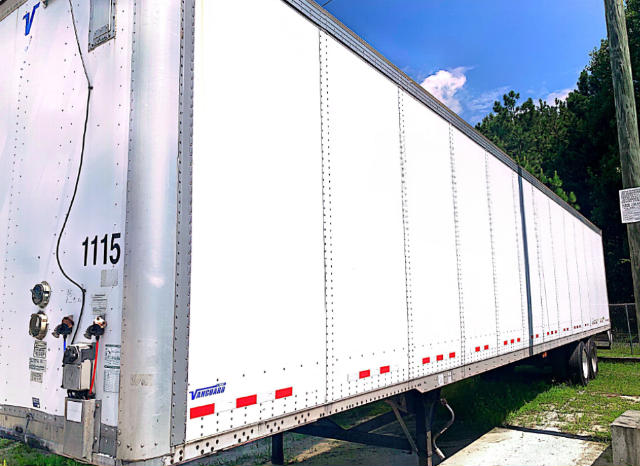
Selling a used vanguard utility trailer? List your used vanguard utility trailer for sale and reach thousands of commercial buyers.
Used Vanguard Utility Trailers
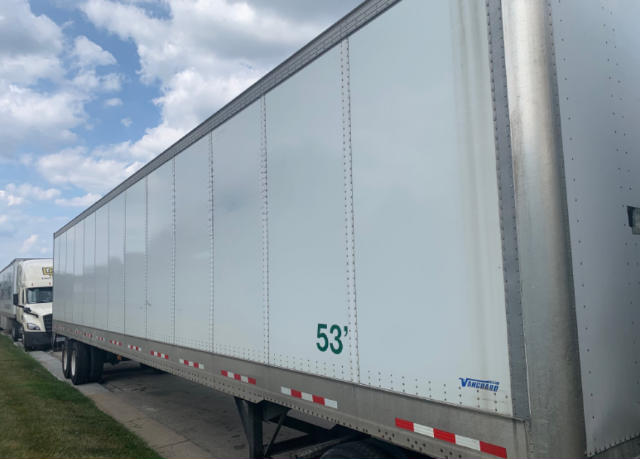
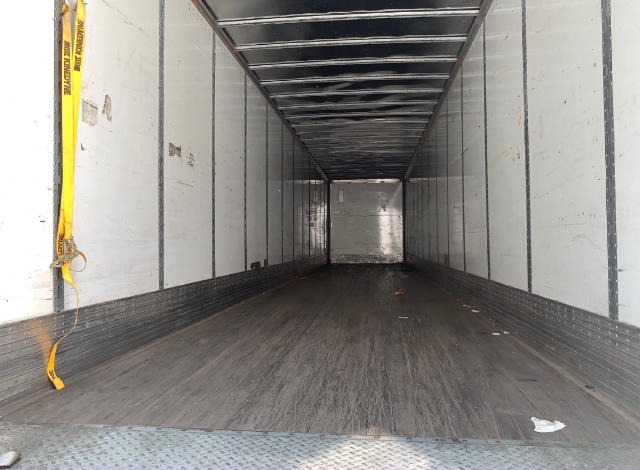
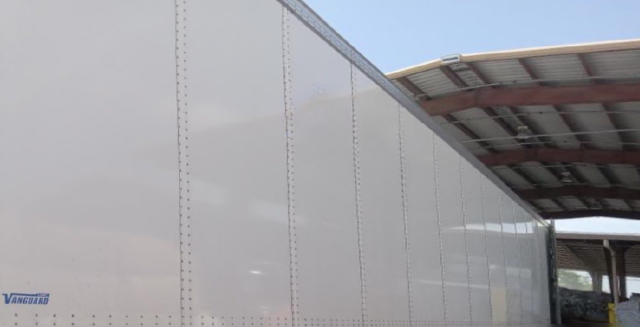
Construction details matter more than model year alone. Buyers should pay close attention to wall construction, crossmember spacing, floor thickness, rear frame condition, and signs of prior impact damage around the nose, rails, and rear sill. On a used Vanguard dry van, it is also smart to inspect the swing doors, hinges, header, and threshold for wear caused by constant urban and distribution work. Inside the trailer, scuff liners, logistics posts, and cargo control track can add real value if your freight mix changes often. If cube is the priority, verify inside height, overall length, and door opening dimensions so the trailer matches your lanes and dock requirements.
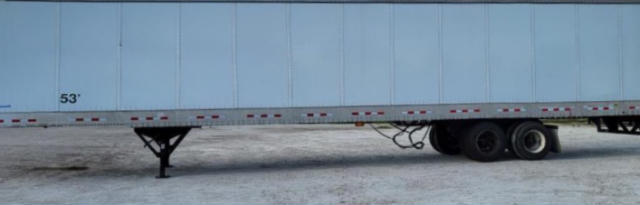
Running gear and compliance specs can make one used utility trailer a better fit than another. Common items to review include tandem slider function, axle rating, wheel-end condition, brake type, ABS status, tire age, and suspension setup. Many buyers also check for aerodynamic features such as side skirts, roof fairing design, and low-rolling-resistance tire compatibility, especially if the trailer will stay in a fuel-sensitive fleet. If the unit has a tire inflation system, aluminum wheels, or fleet-standard hub and brake components, that can simplify maintenance and reduce downtime. For heavier freight, confirm the GVWR and look at how the trailer has worn over time rather than relying on published capacity alone.
A used Vanguard utility trailer is usually a strong candidate for fleets that need a standard 53-foot dry van for palletized freight, retail distribution, packaged goods, and dock-high operations. The best value is often found in trailers with clean maintenance histories, consistent PM records, and visible signs of careful loading practices. Buyers should also verify VIN history, title status, prior fleet use, and any repairs to the roof, floor, or rear structure. When a used dry van has a solid floor, straight frame, tight doors, and well-maintained brakes and suspension, it can deliver years of dependable service in linehaul, regional, or dedicated contract freight.
Frequently Asked Questions about Used Vanguard Utility Trailers
What is a Vanguard utility trailer typically used for?
A Vanguard utility trailer is most commonly used as a dry van trailer for general freight. Typical applications include palletized consumer goods, retail freight, dry food products, paper products, and other non-temperature-controlled cargo that moves through standard dock-high facilities. In most fleets, these trailers are chosen for freight protection, cube efficiency, and compatibility with common loading and unloading practices.
What should I inspect first on a used Vanguard VXP dry van?
Start with the floor, rear frame, roof, doors, and suspension. Floor rot, soft spots, broken boards, bent crossmembers, roof leaks, and rear impact damage can turn a low-cost trailer into a costly repair project. After that, check the tandem slider operation, brake wear, tire condition, wheel ends, ABS function, and visible alignment issues. A clean structural inspection usually matters more than cosmetic appearance.
Are Vanguard utility trailers good for over-the-road freight?
Yes, many Vanguard utility trailers are well suited for over-the-road service when spec'd and maintained correctly. A late-model dry van with sound aerodynamics, healthy running gear, and a solid cargo box can perform well in regional and long-haul lanes. Buyers should still match the trailer to the operation by checking empty weight, fuel-saving features, suspension condition, and the trailer's history of maintenance and repairs.
How do I compare one used utility trailer to another?
Compare structure first, then running gear, then specs that affect your freight. Structural condition includes the frame, floor, walls, roof, nose, rear sill, and door assembly. Running gear includes axles, brakes, tires, hubs, suspension, and tandem slider components. After that, compare inside dimensions, tare weight, door opening, cargo control equipment, and any fleet-standard options that reduce maintenance complexity or improve utilization.