
Used Utility Trailers For Sale in Texas
Shop used Utility trailers for sale in Texas, including dry vans and flatbeds with common specs, suspension options, cargo features, and buyer tips.
Learn more
Showing 61 to 64 of 64 results
Have used utility trailer to sell? List it here to reach thousands of buyers.
About Used Utility Trailers in Texas
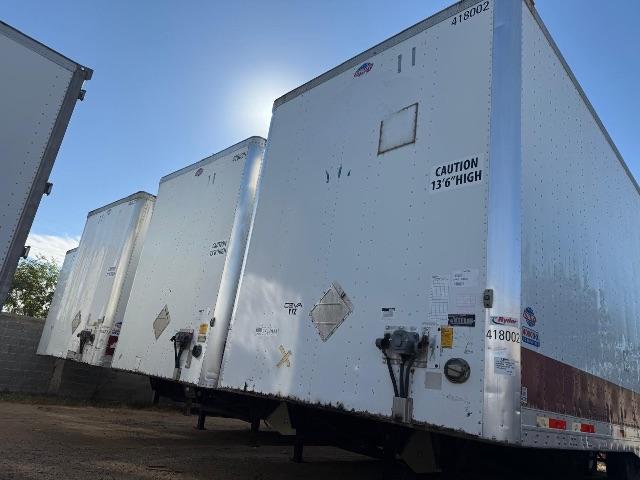
For dry vans, pay close attention to interior and rear frame details. Common specs include 53-foot length, 102-inch width, 13-foot 6-inch height, swing doors, wood floors, composite lining, scuff liners or scuff plate, threshold plate, air ride suspension, and sliding tandem. Logistics posts or a logistics track package matter if the trailer will handle mixed freight, grocery, retail, or LTL-style securement. Floor condition is critical on a used van trailer. A van with a sound floor, straight rails, solid crossmembers, and clean door seals can be more valuable than a newer trailer with hidden dock, forklift, or threshold damage. In Texas service, also check roof condition, sidewall repairs, and tandem slide operation since these trailers often see heavy miles and frequent loading cycles.
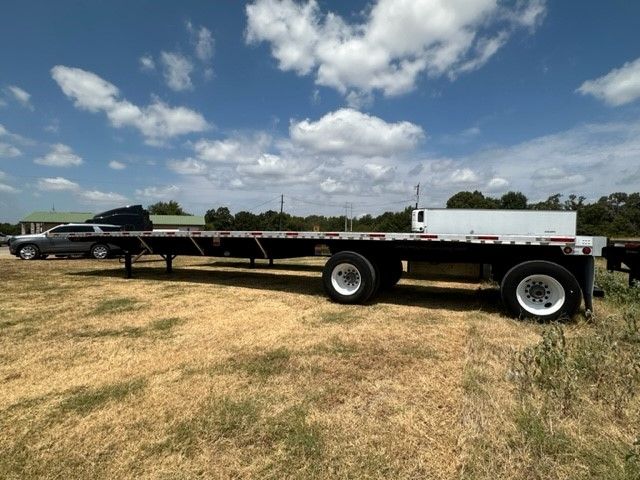
On the flatbed side, Utility composite trailers are often spec'd at 48 feet by 102 inches and may include an aluminum floor, nail strips, sliding winch track with winches, a coil package, air ride spread axle, and low-profile 22.5 or 24.5 tires. These details tell you a lot about the trailer’s intended use. A coil package adds versatility for steel-hauling operations, while a sliding winch track helps with load securement across a wider mix of freight. Air ride spread axle setups can improve ride quality and load stability, but buyers should verify axle spacing compliance, suspension condition, and tire wear patterns. On any used flatbed, inspect the deck, outriggers, main beam structure, crossmember integrity, winch track condition, and signs of concentrated loading damage around the coil well or securement points.
Texas buyers often need trailers that can handle long highway miles, heat, and high-cycle freight environments around Dallas-Fort Worth, Houston, San Antonio, and the I-35 corridor. That makes brake condition, wheel-end service history, tire age, suspension wear, and alignment more important than cosmetic appearance. Utility trailers tend to remain desirable because parts support is widespread and many shops are familiar with the brand. A good used Utility trailer is usually defined by a clean VIN history, honest maintenance records, sound structure, and the right configuration for the freight you intend to haul.
Frequently Asked Questions
What should I check first on a used Utility dry van trailer?
Start with the floor, crossmembers, sidewalls, roof, rear frame, and door opening. On a used Utility dry van, these areas reveal how the trailer was loaded and how hard it was worked. Look for forklift damage in the floor, patches or buckling in the sidewall lining, cracks around the rear frame, and leaks at the roof seams or door seals. Also confirm that the sliding tandem moves correctly and that suspension and brake components show even wear.
Are Utility flatbed trailers a good choice for steel, building materials, and general freight?
Yes. Utility flatbeds are commonly used for steel, machinery, building products, and general open-deck freight. Many used examples include practical specs such as aluminum flooring, nail strips, sliding winch tracks, and coil packages, which make them adaptable across several freight types. The key is matching the trailer's deck condition, axle configuration, and securement equipment to your freight mix and weight distribution needs.
Why does suspension type matter on a used Utility trailer?
Suspension type affects ride quality, cargo protection, maintenance cost, and tire wear. Air ride is common on Utility vans and flatbeds because it helps reduce shock to the cargo and trailer structure, especially on long Texas runs. Buyers should still inspect the suspension closely for bushing wear, air bag condition, ride height issues, and alignment problems. A well-maintained air ride setup can be a strong advantage, but neglected suspension components can become an immediate repair expense.
What is the difference between a Utility dry van and a Utility flatbed when buying used?
A used Utility dry van is built for enclosed freight and is usually judged by floor strength, interior lining, door condition, roof integrity, and tandem function. A used Utility flatbed is evaluated more by deck condition, frame straightness, securement gear, and axle setup. Dry vans are often used in retail, distribution, and general palletized freight, while flatbeds serve steel, construction materials, and equipment haulers. The best choice depends on cargo type, loading method, and how much securement flexibility you need.
Do older Utility trailers still have good resale and serviceability?
In many cases, yes. Utility is a well-known trailer manufacturer with broad parts availability and strong recognition across the trucking industry. That helps used trailers remain serviceable and marketable even as they age. Resale still depends heavily on the trailer’s structure, maintenance history, and configuration. A properly maintained older Utility trailer with good brakes, sound wheel ends, a straight frame, and documented repairs can be a better buy than a newer trailer with deferred maintenance.