
Used 2012 Utility Trailers For Sale in Texas
Browse used 2012 Utility trailers for sale in Texas, including reefer and flatbed models with specs, applications, and buyer-focused guidance.
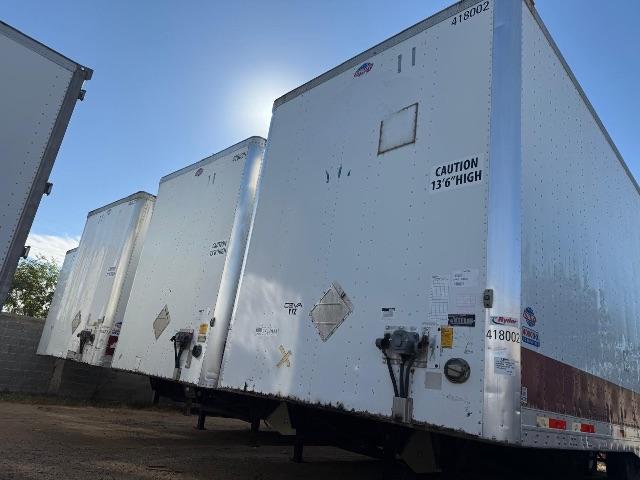

Have used 2012 utility trailer to sell? List it here to reach thousands of buyers.
Used 2012 Utility Trailers in Texas
For a 2012 Utility reefer, the refrigeration unit is one of the first checkpoints. Many trailers from this era were paired with Carrier units such as the X2 2500, and unit hours, maintenance records, evaporator condition, and return-air performance matter more than paint or cosmetics. Interior condition is just as important. Buyers should look closely at duct floors, scuff liners or scuff plate, door seals, cold chutes, door frame corrosion, and any signs of patchwork that could affect temperature control. Swing doors versus roll-up doors can also change the trailer's fit for a dock operation, with swing doors often preferred for better sealing and maximum opening, while roll-up doors can speed stop-and-go delivery work.
A 2012 Utility flatbed appeals to buyers hauling steel, building materials, machinery, or general freight that does not require enclosure. Composite aluminum and steel designs help balance tare weight with structural strength. Key items to inspect include floor wear, crossmember condition, winch track integrity, rub rail damage, and evidence of concentrated loading around a coil package. Spread axle flatbeds can improve ride and legal weight distribution, but tire scrub in tight turns and axle alignment should be checked carefully. Tire size, wheel type, and suspension setup also affect operating cost, especially for Texas-based hauls that mix interstate mileage with oilfield, construction, or regional freight work.
Texas buyers should pay attention to how these trailers were used and where they spent most of their service life. Heat, sun exposure, and high annual mileage can accelerate wear on reefer insulation components, seals, tires, and suspension parts, while flatbeds may show heavier deck wear from chain securement and forklift traffic. Utility trailers generally remain attractive on the used market because they are widely accepted by fleets, owner-operators, and shippers, and they tend to be straightforward to service. The best 2012 model is usually the one with the clearest maintenance history, the right axle and floor configuration for the freight, and a condition profile that matches the trailer's intended lane rather than simply the lowest asking price.
Frequently Asked Questions about Used 2012 Utility Trailers in Texas
What should I inspect first on a used 2012 Utility reefer trailer?
Start with the refrigeration unit, trailer body integrity, and interior condition. Confirm the reefer unit model, hours, service history, and cooling performance under load. Then inspect the floor, scuff protection, front wall, roof, door frame, seals, and rear doors for damage or air leaks. On a 2012 reefer, deferred maintenance on the unit or poor insulation performance can quickly become more expensive than normal cosmetic wear.
Are 2012 Utility flatbeds a good choice for steel and construction freight?
Yes, many 2012 Utility flatbeds are well suited for steel, lumber, machinery, and general construction materials. Composite aluminum and steel construction helps reduce empty weight while maintaining useful strength. Buyers should verify the trailer has the right securement setup, such as a sliding winch track, nail strips, and a coil package if steel hauling is part of the work. Deck condition and structural straightness are more important than appearance on a working flatbed.
What are common specs on a 2012 Utility 3000R reefer?
Common specifications include a 53-foot length, 102-inch width, 13-foot 6-inch overall height, aluminum construction, air ride suspension, and sliding tandem axles. Many examples from this period also have duct floors, scuff liners or scuff plate, stainless steel front radius panels, stainless steel door frames, and Carrier refrigeration units. Exact interior height, door style, and floor design can vary, so buyers should match those details to the freight they haul.
Why does suspension and axle configuration matter on a used Utility trailer?
Suspension and axle layout affect ride quality, cargo protection, tire wear, and loading flexibility. Air ride is common on both reefer and flatbed Utility trailers because it helps protect sensitive freight and improve trailer stability. Sliding tandems are useful for bridge law compliance and dock positioning, while spread axles on flatbeds can improve weight distribution and handling under certain loads. The right setup depends on route, commodity, and state weight requirements.
Is a used 2012 Utility trailer still a strong fleet or owner-operator buy?
It can be, provided the trailer has been maintained correctly and the specification fits the intended application. Utility has long been a recognized trailer brand with broad service familiarity and strong resale appeal. A 2012 model can still deliver solid value if the frame, suspension, brakes, tires, floor, and major components are in good order. Buyers usually get the best long-term result by focusing on maintenance history, structural condition, and freight compatibility instead of age alone.