
Used Utility Flatbed Trailers For Sale in Texas
Used Utility flatbed trailers for sale in Texas. Compare 48-foot composite flatbeds with air ride, winch tracks, coil packages, and spread axles.
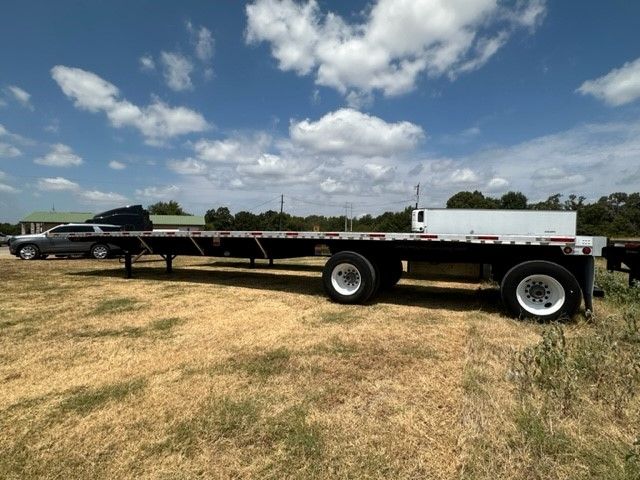
Have used utility flatbed trailer to sell? List it here to reach thousands of buyers.
Used Utility Flatbed Trailers in Texas
A buyer comparing used Utility flatbeds should start with axle configuration and deck spec. Spread axle trailers are popular because they can improve stability and help with weight distribution, but they can also affect maneuverability and bridge law planning depending on the freight and lanes. Air ride suspension is common and usually preferred for ride quality and cargo protection. Flooring condition matters on any used flatbed, especially around high-traffic forklift zones, chain pull points, and areas near the coil well if equipped. Nail strips, crossmember condition, and the integrity of the main frame and outriggers are all worth close inspection because they directly affect deck usability and long-term repair cost.
Texas buyers often run a mix of regional construction freight, steel, pipe, and oilfield-related loads, so securement hardware is not a minor detail. Sliding winch tracks with functioning winches add flexibility for different commodity lengths and tie-down patterns. A coil package is important for operations hauling steel coil because it provides the proper deck arrangement and securement capability for that freight class. Tire size can vary between 22.5 low profile, 24.5 low profile, and 11R22.5 setups, and that choice affects deck height, replacement cost, and how the trailer matches the rest of a fleet. Disc wheels and aluminum components can help reduce weight, but buyers should still verify prior damage, corrosion around mixed-metal contact points, and the condition of hubs, brakes, and suspension wear items.
Utility flatbeds have long been favored by buyers who want a straightforward open-deck trailer with familiar parts support and resale appeal. For a used trailer, the real value comes from matching the deck configuration to the freight mix and checking how the trailer has been maintained under load. A 48-foot Utility flatbed with a sound composite structure, clean frame, usable securement gear, and a suspension spec that fits the operation can still be a productive trailer for many years. The best used choice is usually the one with the right securement package, axle setup, and deck condition for the freight you haul every week, not simply the newest model year.
Frequently Asked Questions about Used Utility Flatbed Trailers in Texas
What should I inspect first on a used Utility flatbed trailer?
Start with the frame, crossmembers, floor, and suspension. On a used flatbed, structural condition matters more than cosmetics. Check for cracks, welded repairs, corrosion, bent components, damaged outriggers, and floor wear from forklifts or concentrated cargo. Then inspect the sliding winch track, winches, rub rail, stake pockets, tires, brakes, and air ride components to confirm the trailer is ready for securement-heavy freight.
Are Utility aluminum and steel composite flatbeds a good fit for general freight?
Yes. A Utility aluminum and steel composite flatbed is commonly used for general open-deck freight because it combines lighter-weight materials with the durability needed for repeated loading and securement. This type of trailer is often well-suited for lumber, steel products, machinery, palletized freight, and construction materials. The exact fit depends on deck condition, axle spread, and whether the trailer has the securement hardware your freight requires.
Why does a coil package matter on a flatbed trailer?
A coil package is important if the trailer will haul steel coil. It is designed to support proper coil placement and securement so the load can be positioned lower and more safely on the deck. If steel coil is part of the freight mix, a trailer equipped with a coil package can save time and reduce the need to pass on loads that require that specific setup. If coil is not part of the operation, it is still a useful feature but not always essential.
Is a spread axle Utility flatbed better than a tandem axle trailer?
A spread axle flatbed can offer better load distribution and a stable feel under many cargo types, which is why it is common in open-deck work. It can also help on certain heavier or longer freight setups. The tradeoff is reduced maneuverability in tight yards and potential tire scrub in sharp turns. The better choice depends on your lanes, customer docks, and the type of loads you scale most often.
What tire and wheel details should matter when buying a used flatbed in Texas?
Tire size affects deck height, replacement cost, and fleet standardization. Common flatbed setups include 22.5 low profile, 24.5 low profile, and 11R22.5. Buyers should look for even wear, matching specifications across axle positions, and any signs of alignment or suspension issues. Wheel type also matters because disc wheels and lighter components can help with tare weight, but overall condition and maintenance history are more important than spec alone.