
Used 2008 Utility Trailers For Sale in Texas
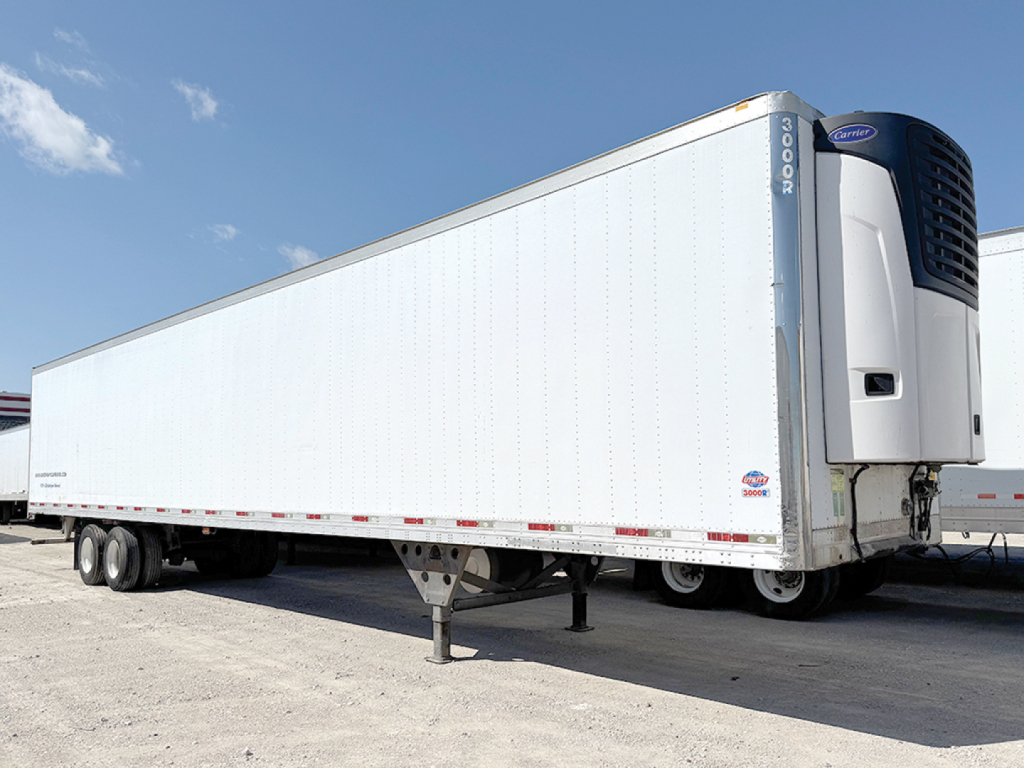
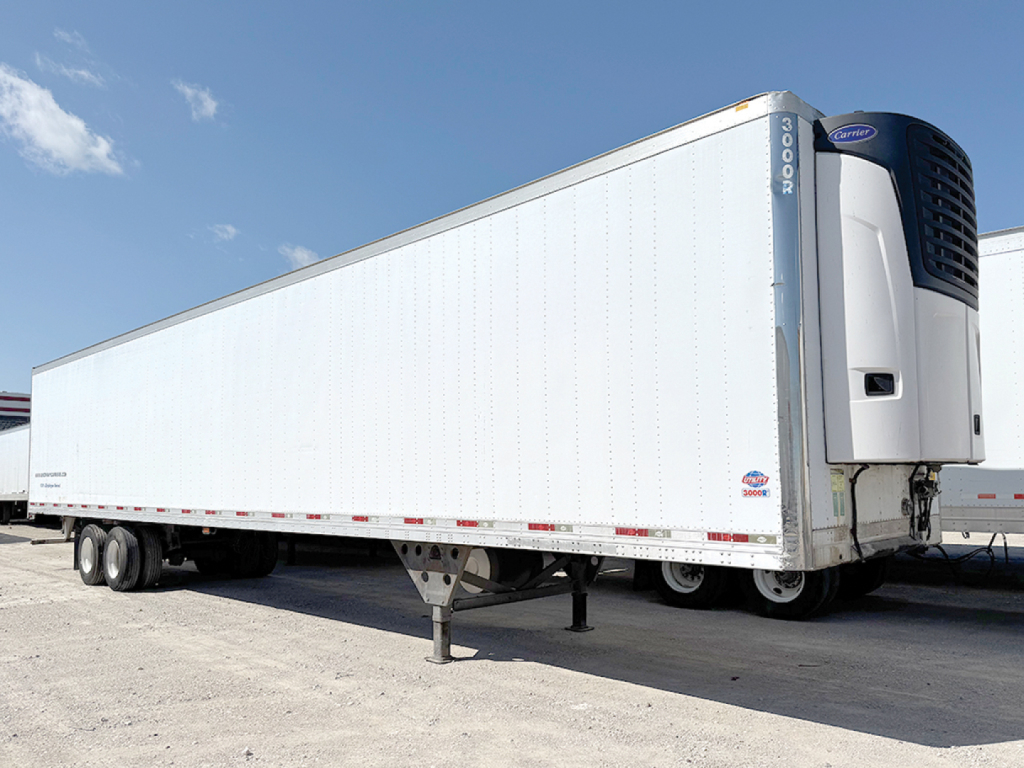
Shop used 2008 Utility trailers for sale in Texas, including dry vans, reefers, and flatbeds built for regional, dedicated, and OTR freight.
Learn more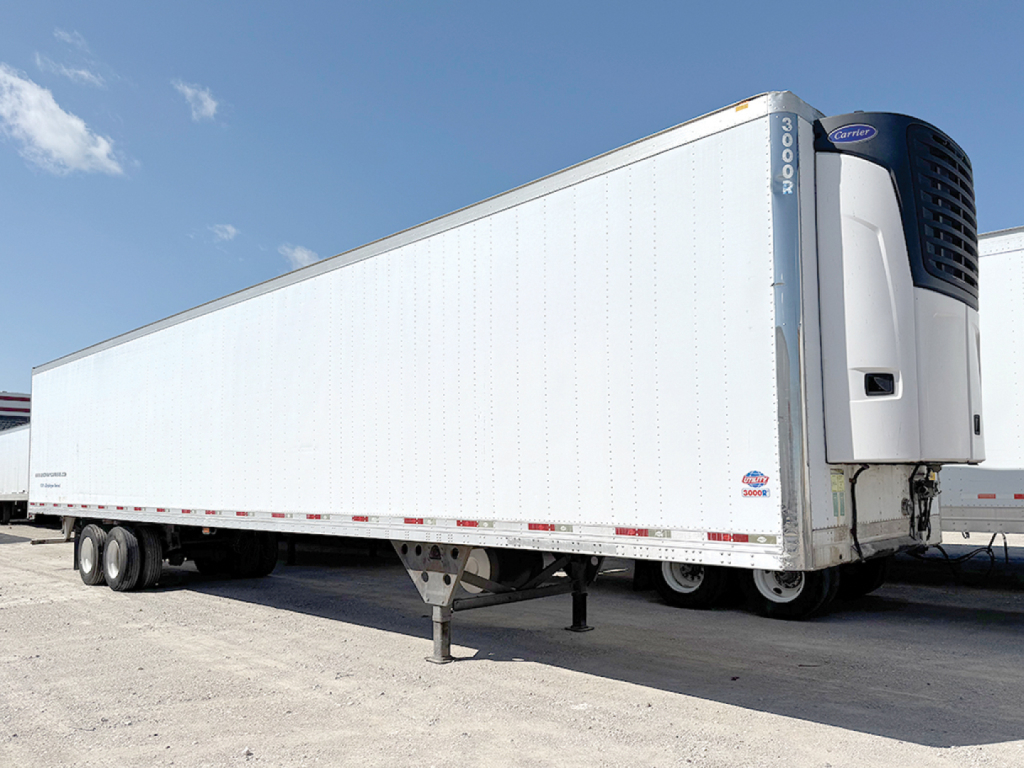
Have used 2008 utility trailer to sell? List it here to reach thousands of buyers.
About Used 2008 Utility Trailers in Texas
For dry vans, many buyers focus on Utility 3000-series style specs such as 53-foot length, 102-inch width, 13-foot 6-inch overall height, wood or laminated floors, scuff liners, logistics posts, swing or roll doors, and sliding tandems. A reefer from this era often brings added attention to the unit hours, chute condition, floor integrity, door seal condition, and signs of past insulation or liner repair. On flatbeds, common points include aluminum or combo construction, air ride suspension, spread or tandem axle layout, sliding winch tracks, coil package setup, nail strips, and crossmember condition. In all cases, buyers should inspect suspension wear, brake type, wheel-end service records, roof and sidewall repairs, and kingpin area fatigue.
Texas buyers often put extra weight on tire condition, brake performance, and suspension alignment because these trailers see long interstate miles, heat, and mixed loading conditions. A 2008 Utility trailer may have drum or disc brakes depending on configuration and retrofit history, so it is smart to confirm stopping components, ABS function, and parts interchange before purchase. Dry freight operations may prioritize floor rating and door durability, while grocery, produce, and cold-chain work will care more about reefer performance, interior cleanliness, and temperature retention. Flatbed buyers usually look closely at frame straightness, deck wear, rub rail condition, and tie-down hardware because those items directly affect securement and reload flexibility.
The best value in this category usually comes from matching the trailer to the lane and freight, not just buying the lowest-priced unit. A 2008 Utility trailer with documented maintenance, a solid frame, healthy suspension, and legal brakes can be a practical choice for regional haul, dedicated contracts, storage use, or secondary fleet duty. Utility trailers also tend to remain attractive in the used market because many shops are familiar with them and replacement components are widely understood. For a buyer comparing multiple listings, the priority should be structural soundness, spec fit, and serviceability first, then appearance second.
Frequently Asked Questions
What should I inspect first on a used 2008 Utility trailer?
Start with the structure and running gear. Check the frame rails, crossmembers, kingpin plate, suspension mounts, tandem slide area, roof, and sidewalls for cracks, corrosion, patches, and poor repairs. Then move to brakes, tires, wheel ends, lights, ABS, and floor condition. On reefers, add a close look at reefer unit hours, service records, insulation integrity, chute condition, and door seals. Cosmetic wear is expected on a 2008 trailer, but structural damage and deferred maintenance are what drive repair cost.
Are 2008 Utility trailers still a good buy for commercial use?
They can be, if the trailer has been maintained and the spec matches the work. Many 2008 Utility trailers remain viable for regional freight, dedicated lanes, storage, or backup fleet use because Utility trailers are widely recognized and commonly serviced. The key is to judge condition, not age alone. A well-kept older trailer with documented brake, suspension, tire, and floor work can be more dependable than a newer trailer with neglected maintenance.
What trailer types are common from Utility in this age range?
Utility is best known for dry van, refrigerated van, and flatbed trailers. In the 2008 range, buyers will often see 53-foot dry vans with sliding tandems, reefer trailers with aluminum duct floors and swing doors, and flatbeds with aluminum or combination construction, winch tracks, and coil packages. Each trailer type should be evaluated differently because the wear points on a van, reefer, and flatbed are not the same.
What matters most for Texas buyers looking at used Utility trailers?
Heat, mileage, and loading conditions matter in Texas, so tire age, tread wear, alignment, suspension condition, and brake performance should be high on the checklist. Buyers also need to pay attention to door sealing, roof repairs, floor condition, and hub or wheel-end service history because long distances and high ambient temperatures expose weak maintenance quickly. For reefers, cooling performance under load is especially important in Texas service.
How do I choose between a dry van, reefer, and flatbed Utility trailer?
Choose based on freight, not just price. A dry van is the standard choice for general freight and dock-based loading. A reefer is necessary for temperature-controlled freight and should be bought with careful attention to the refrigeration unit and insulated body condition. A flatbed suits machinery, building materials, steel, and other open-deck freight, where securement hardware, deck condition, and axle configuration matter most. The right trailer is the one that fits the cargo, loading method, and lane requirements without adding avoidable repair or compliance cost.