
Used 2008 Utility Trailers For Sale
Shop used 2008 Utility trailers, including dry vans and reefers. Compare specs, trailer condition, suspension, doors, floors, and reefer systems.
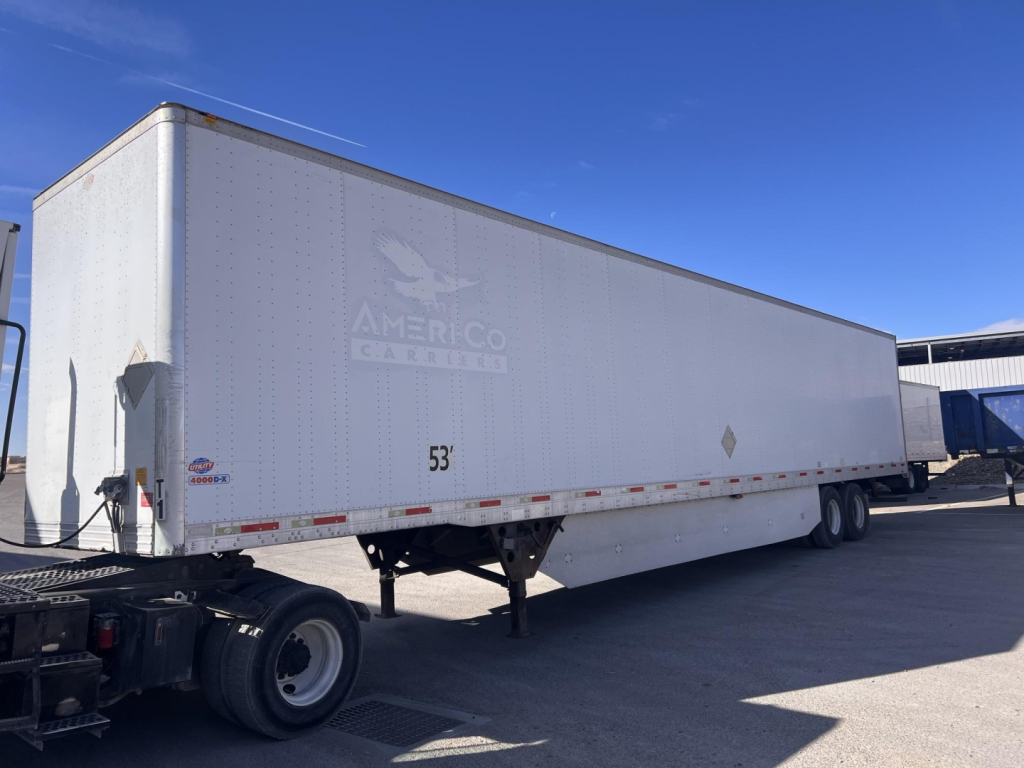
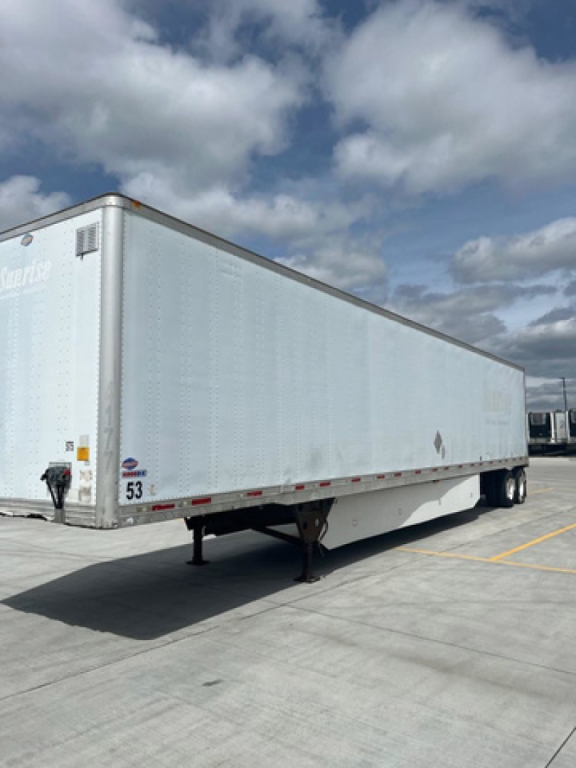
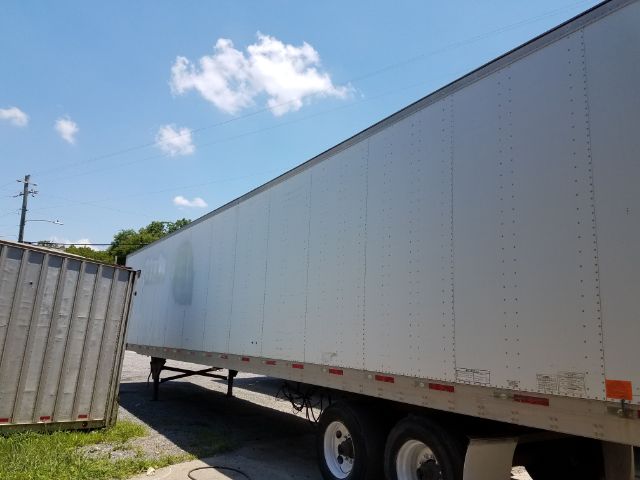
Selling a used 2008 utility trailer? List your used 2008 utility trailer for sale and reach thousands of commercial buyers.
Used 2008 Utility Trailers
On a dry van, pay close attention to floor condition, crossmember integrity, roof bows, sidewall repairs, and rear frame wear. Common specs in this class include 53x102 dimensions, swing doors, air ride suspension, steel or aluminum wheel setups, and wood or laminated flooring. If the trailer has spent years in high-cycle dock work, check the threshold, rear sill, and door hardware closely. Logistics buyers also want to confirm tandem slide operation, kingpin setting, brake condition, tire wear pattern, and signs of prior impact damage. Scuff liners, logistics posts, side skirts, and tire inflation systems can add value depending on the lane and operating cost targets.
With a 2008 Utility reefer, the refrigeration unit matters as much as the box itself. Unit hours, service records, evaporator condition, fuel tank condition, and return air performance all affect real-world value. Interior lining condition is critical because gouges, delamination, and poor repairs can hurt washout standards and temperature retention. Check the bulkhead, door seals, floor channels, and insulation performance, especially if the trailer has handled food-grade freight. Older reefers can still be productive on shorter regional lanes or seasonal work, but buyers should weigh emissions compliance, unit age, and maintenance exposure against the purchase price.
The best used 2008 Utility trailer is usually the one with the clearest maintenance story and the right spec for the lane. A dry van focused on dock freight needs a sound floor and tight doors. A reefer needs a healthy unit and a clean, well-sealed interior. Utility trailers are common enough that parts availability is generally good, which helps control lifecycle cost on an older trailer. For most buyers, the decision comes down to structural condition, reefer performance if equipped, and whether the trailer’s remaining service life fits the revenue plan.
Frequently Asked Questions about Used 2008 Utility Trailers
What should I inspect first on a used 2008 Utility trailer?
Start with the frame, floor, suspension, brakes, tires, and rear structure. On any older trailer, structural condition is more important than appearance. Look for cracked welds, floor soft spots, crossmember corrosion, roof damage, and uneven tire wear that may point to axle or suspension issues. If it is a reefer, inspect the unit hours, service history, lining condition, and door seals early in the process because those items can change operating cost quickly.
Are 2008 Utility trailers still a good buy for commercial use?
They can be, if the trailer has been maintained properly and matches the intended application. Many 2008 Utility trailers are still working in regional freight, warehouse shuttles, export service, and budget-conscious over-the-road operations. The key is to buy based on condition and spec, not age alone. A well-kept older trailer with solid maintenance records can outperform a newer unit that has been run hard and repaired poorly.
What is the difference between a 2008 Utility dry van and a 2008 Utility reefer?
A dry van is designed for non-temperature-controlled freight and is generally simpler and less expensive to maintain. A reefer has an insulated body and refrigeration unit for produce, frozen freight, dairy, pharmaceuticals, and other temperature-sensitive loads. The reefer offers more versatility for cold-chain work, but buyers need to account for unit maintenance, fuel use, repair costs, and compliance requirements in addition to the trailer chassis itself.
Which specs matter most when comparing used 2008 Utility trailers?
Focus on dimensions, suspension type, door configuration, floor type, axle setup, tandem slider condition, wheel material, and any operational add-ons such as side skirts or tire inflation systems. For reefers, also compare refrigeration unit brand, hours, lining material, floor channel condition, and overall box seal. These specs affect payload, maintenance cost, dock compatibility, and how well the trailer fits your freight mix.
Is parts support still available for older Utility trailers?
Yes, in most cases. Utility trailers are common in the market, and many wear items and repair components are still readily available through trailer parts distributors and service networks. Brake components, suspension parts, door hardware, lights, seals, floors, and body repair materials are generally not difficult to source. Reefer-specific parts availability depends more on the refrigeration unit make and model than on the trailer brand.