
Used 2008 Utility Van Trailers For Sale
Browse used 2008 Utility van trailers. Compare dry van specs, suspension, doors, floors, logistics track, and trailer condition details.
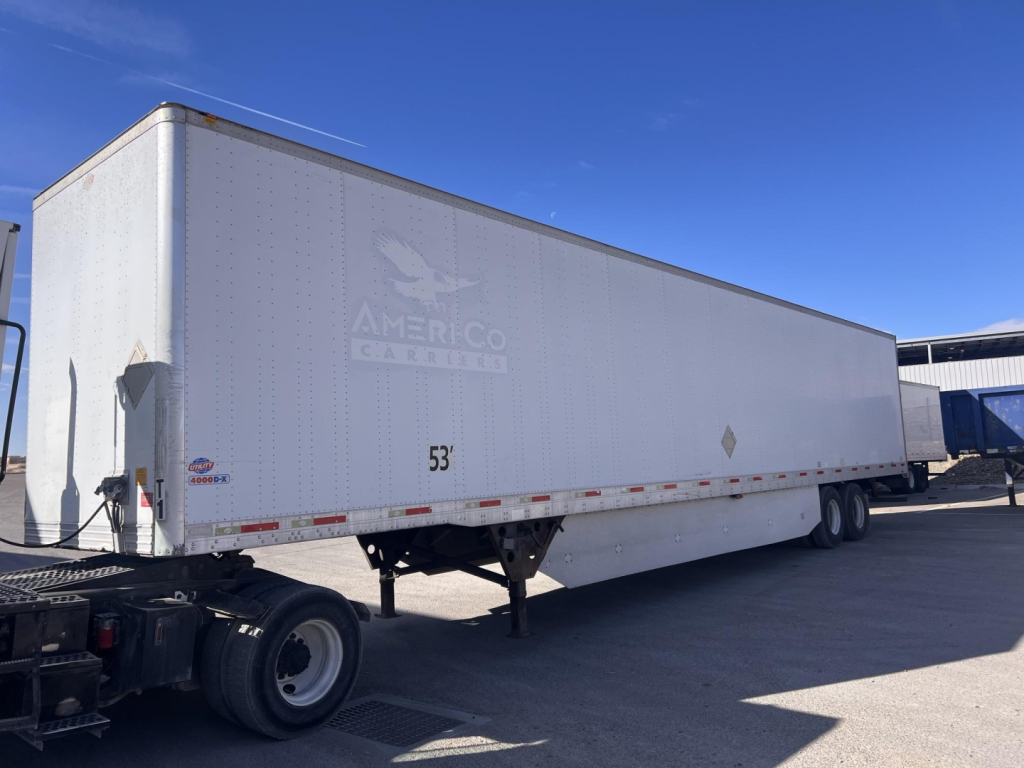
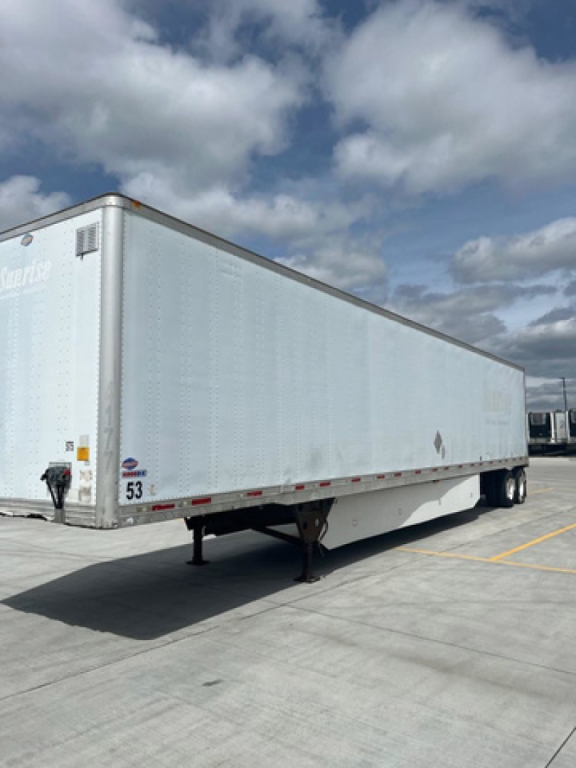
Have used 2008 utility van trailer to sell? List it here to reach thousands of buyers.
Used 2008 Utility Van Trailers
On a 2008 Utility van, condition matters more than age alone. Floor wear, sidewall damage, threshold plate condition, door frame alignment, and signs of water intrusion will tell you more than the paint. Check the roof bows and roof skin for repairs, inspect scuff liners and interior lining for forklift damage, and look closely at the rear sill, hinge areas, and upper corners where fatigue can show up first. Suspension type also affects fit for the job. Air ride is common and preferred for more fragile freight, while sliding tandems add flexibility for bridge laws, dock positioning, and axle weight compliance.
Utility trailers are well known in the dry van market for widespread parts support and familiar fleet spec layouts. Buyers will often compare logistics posts or E-track style load securement, tire inflation systems, side skirts, venting, wheel type, and brake configuration. A 2008 van may have drum brakes as standard, though some units may have later updates or component replacements over time. Tire age, brake life, bushing wear, slider operation, and ABS function should all be part of the inspection, especially on a trailer expected to return to daily revenue service.
The best fit for a used 2008 Utility van trailer is usually a buyer who needs enclosed freight capacity without paying late-model pricing. It can serve well in dry freight, dedicated shipper lanes, storage, drop-and-hook operations, and backup fleet duty. If the trailer will spend time in high-cube freight service, verify interior height, door opening dimensions, and any lining or post configuration that affects usable width. For heavier cycle operations, pay attention to kingpin area integrity, crossmember spacing, floor fastening, and evidence of previous body repairs, because those details will directly affect service life and maintenance cost.
Frequently Asked Questions about Used 2008 Utility Van Trailers
What should I inspect first on a used 2008 Utility van trailer?
Start with structural condition. The floor, crossmembers, rear frame, roof, and kingpin area are the first places to inspect because they determine whether the trailer is ready for work or headed for repair expense. Look for soft spots in the wood floor, cracked or bent crossmembers, rear sill damage from dock impacts, roof leaks, and signs of stress around the upper coupler plate. After that, check the suspension, brakes, tires, ABS, and tandem slider function.
Are 2008 Utility van trailers usually 53-foot dry vans?
Many are. The most common configuration in this category is a 53-foot by 102-inch dry van trailer used for general freight. Most have swing doors, wood floors, tandem axles, and an overall height around 13 feet 6 inches, but exact dimensions and equipment can vary by original fleet specification. Always confirm interior height, door opening, suspension type, and tandem setup if the trailer needs to match a specific lane or freight profile.
Is air ride important on a used Utility van trailer?
Air ride is an important feature for many operations because it helps reduce cargo shock and generally improves ride quality for palletized consumer goods, packaged products, and other freight that can shift or absorb damage. It is especially useful in long-haul and higher-service applications. That said, a trailer with air ride still needs close inspection of airbags, shocks, bushings, ride height control components, and slider rails to make sure the suspension is functioning correctly.
What interior features matter most in a dry van trailer?
The most important interior features are the floor condition, scuff protection, and cargo securement layout. A solid wood floor with minimal forklift damage is critical for safe loading and long service life. Scuff liners or wall lining help protect the lower interior from pallet and forklift contact. Logistics posts, E-track style systems, or other securement options matter if the trailer will haul mixed freight or dedicated retail loads that need flexible tie-down points.
Can a used 2008 Utility van trailer still work in a daily fleet operation?
Yes, if the trailer has been maintained properly and passes a thorough inspection. Many 2008 Utility dry vans remain useful in regional service, drop-and-hook operations, warehouse storage support, and even full-time freight work. The key is not the model year by itself but the condition of the structure, running gear, doors, floor, and maintenance history. A clean older van with good components can be a better buy than a newer trailer with deferred repairs.