
Used 1995 Utility Trailers For Sale in Texas
Browse used 1995 Utility trailers in Texas. Compare reefer, dry van, and flatbed specs, construction, suspension, and cargo-ready features.
Learn more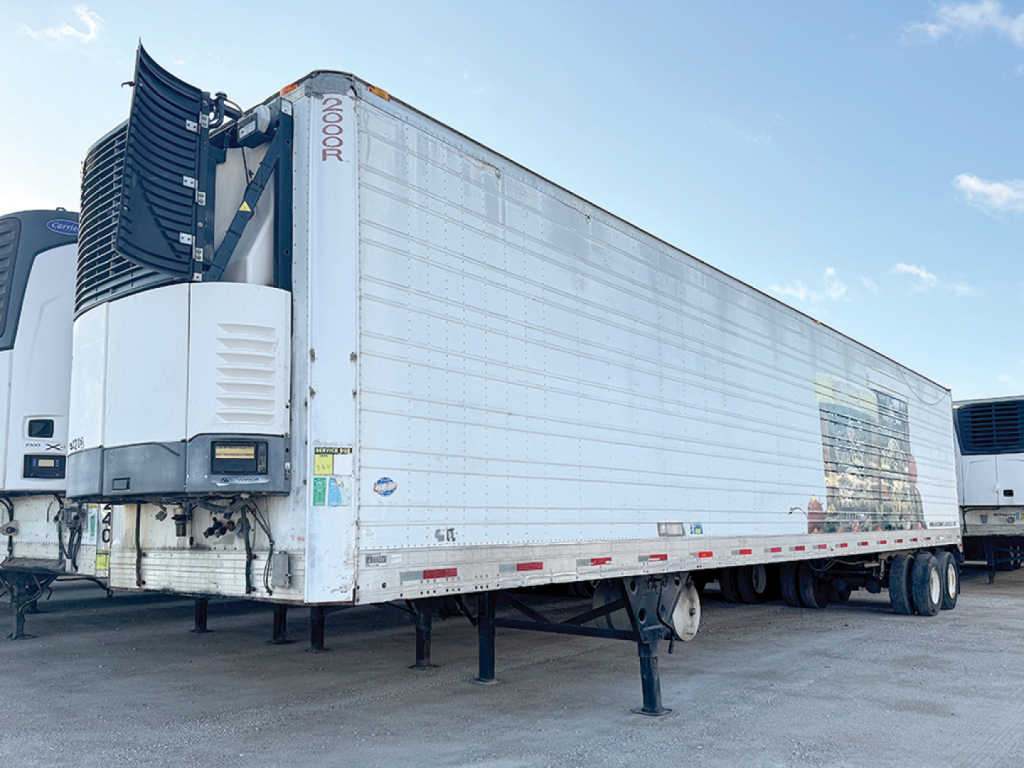
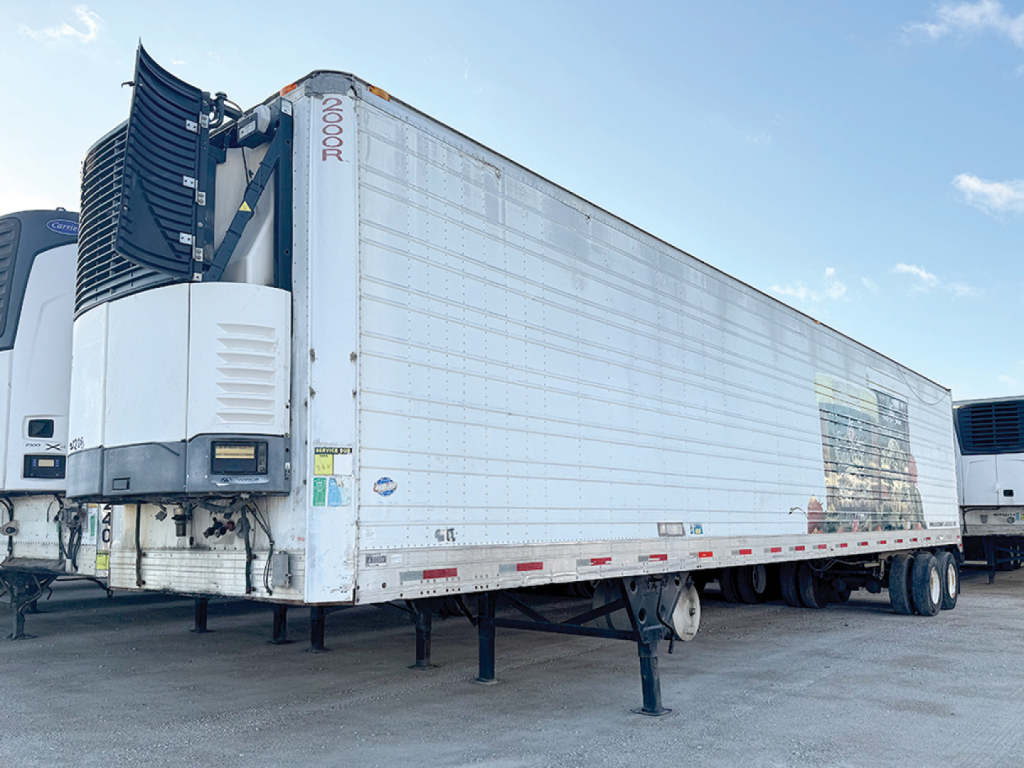
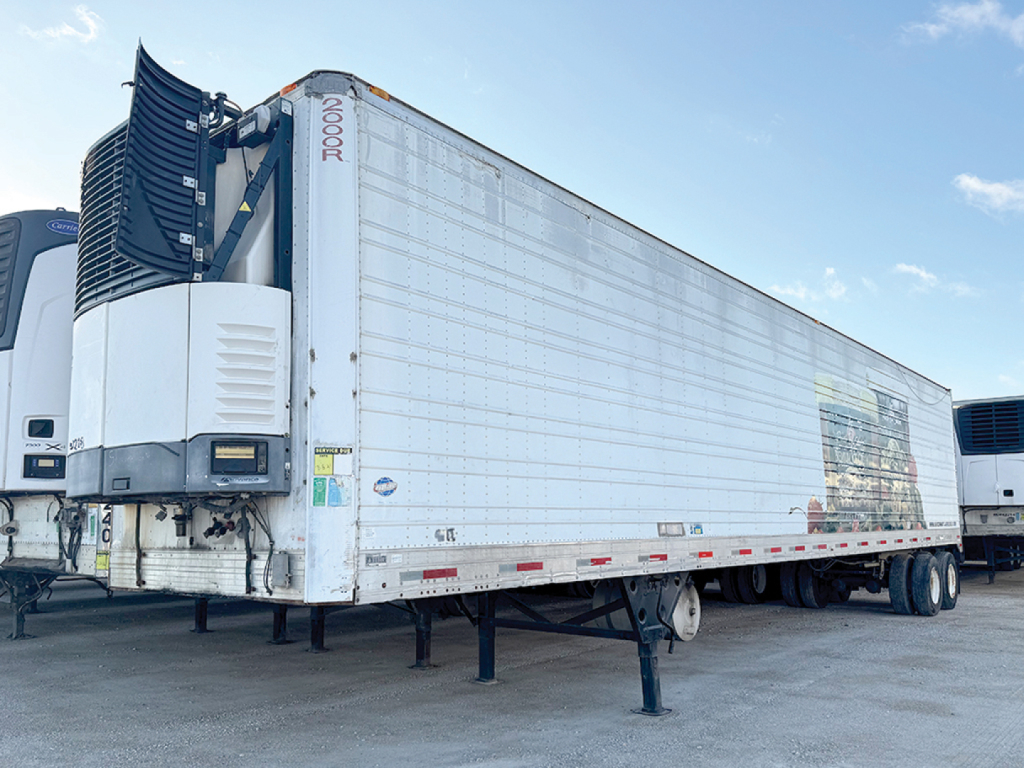
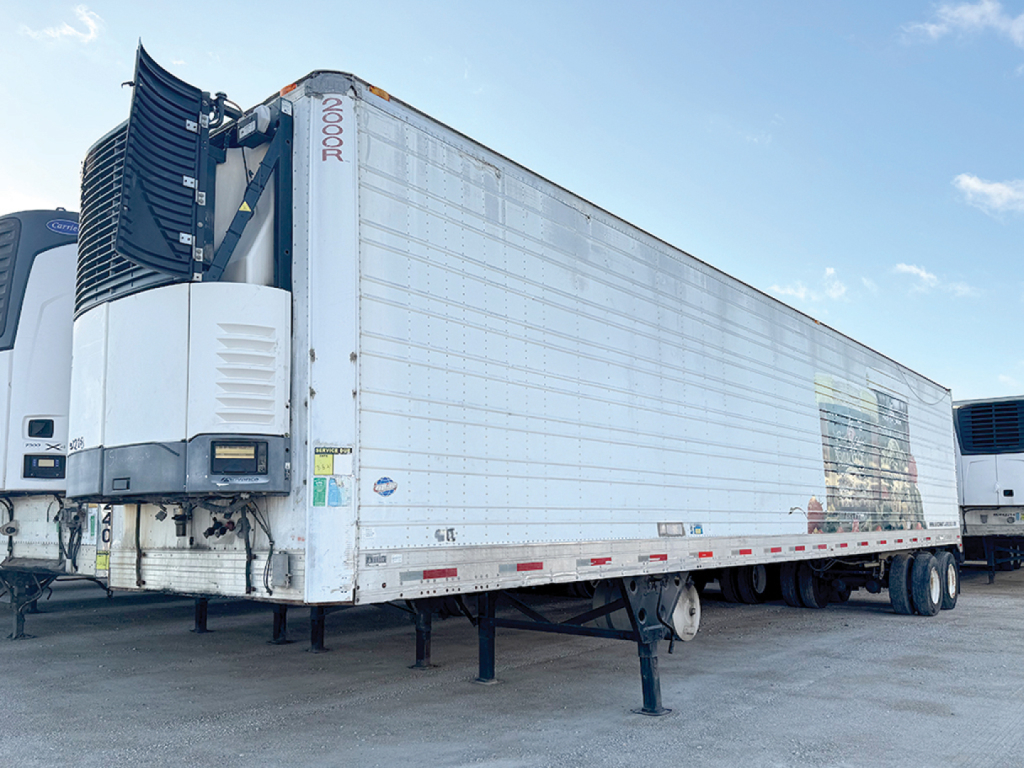

Have used 1995 utility trailer to sell? List it here to reach thousands of buyers.
About Used 1995 Utility Trailers in Texas
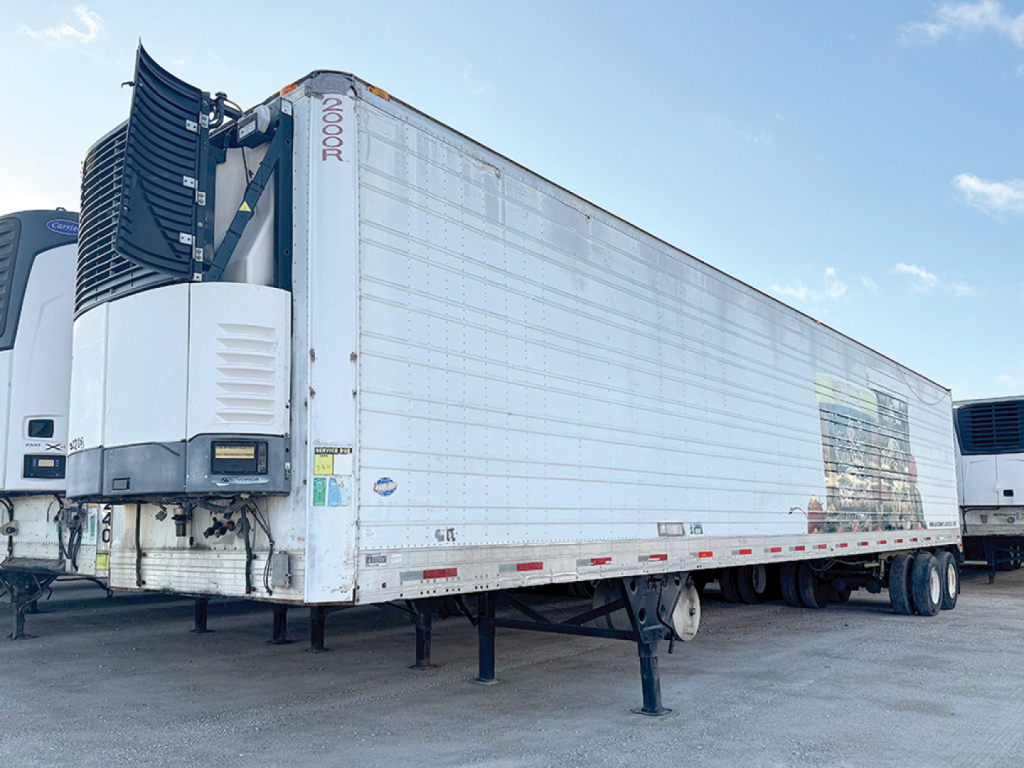
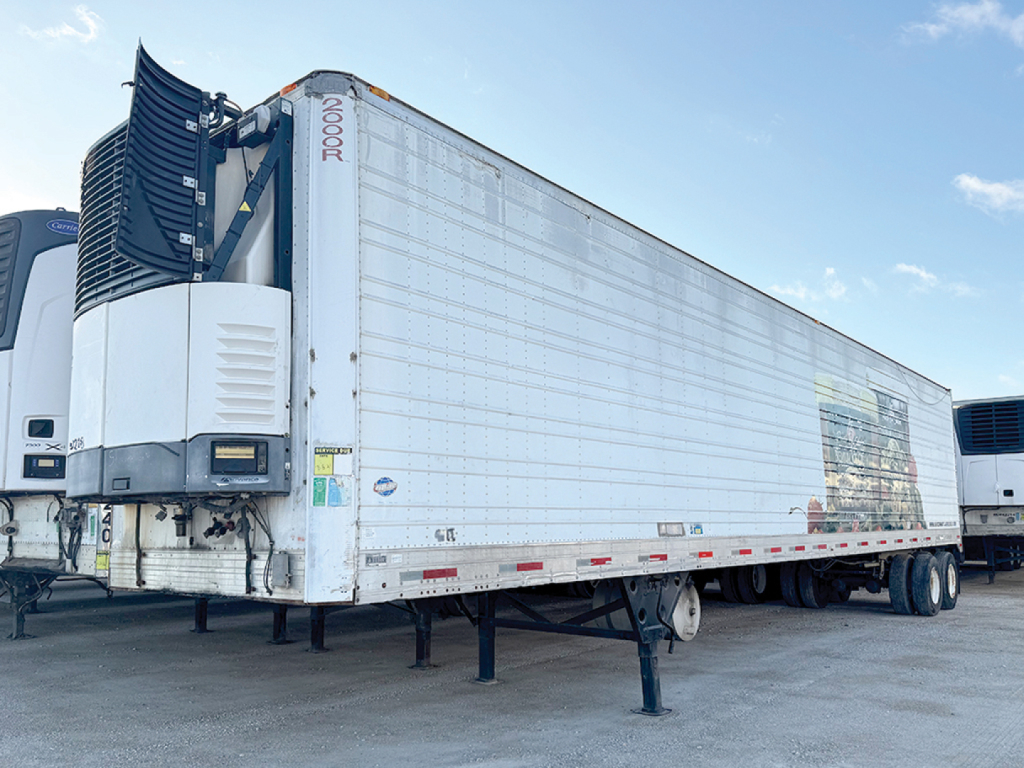
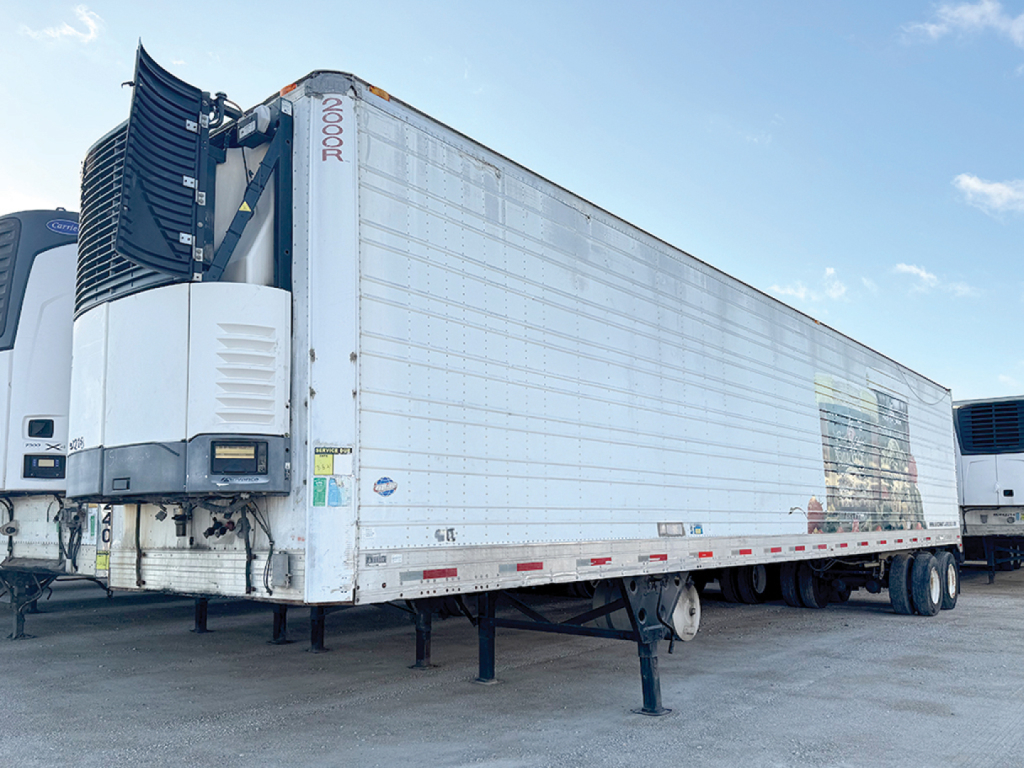
Most buyers shopping this age range are looking at dry vans, refrigerated trailers, or occasionally flatbeds. A 1995 Utility dry van is typically a 48-foot or 53-foot trailer with swing doors or roll-up doors, wood or laminated flooring, and either spring ride or air ride depending on spec. Reefer versions often share the same basic trailer dimensions but add an insulated body, duct or flat floor, scuff liners, and a refrigeration unit that must be evaluated separately from the trailer itself. If the reefer unit is original-era or has high engine hours, buyers should price in the cost of emissions-era compliance, parts support, and possible repower decisions. Flatbed Utility trailers from this period may appeal to steel, building materials, and machinery haulers, with attention needed on deck condition, winch track wear, axle alignment, and any signs of frame damage from concentrated loads.
For a 1995 Utility trailer, common buyer checkpoints include suspension type, sliding tandem travel, kingpin and apron wear, brake setup, wheel-end service history, and tire size compatibility with the rest of the fleet. On older vans and reefers, look closely at the logistics setup inside the trailer, including scuff plates, wall liners, E-track, thresholds, and door seals. Corrosion around the rear sill, nose, and upper rail can turn a low purchase price into a repair-heavy trailer quickly. In Texas, registration, DOT inspection readiness, and brake compliance are practical concerns, especially if the trailer has spent years in mixed regional and over-the-road use.
The best use case for a used 1995 Utility trailer is usually cost-conscious freight where perfect cosmetics are not required and the buyer has a clear handle on maintenance needs. A sound older Utility can still work in short-haul distribution, storage applications, local shuttle work, export, farm support, or dedicated lanes with known cargo. Buyers who need maximum cube, food-grade standards, or low-downtime fleet consistency may lean toward newer equipment, but a well-maintained 1995 Utility trailer can still deliver value if the frame, floor, running gear, and cargo area pass inspection. The key is buying on condition, repair history, and application fit, not just initial price.
Frequently Asked Questions
What should I inspect first on a used 1995 Utility trailer?
Start with the structural items that are expensive to correct. Check the frame rails, crossmembers, roof, sidewalls, rear frame, suspension hangers, slider rails, and kingpin area for cracks, corrosion, bad repairs, or elongation. Then inspect the floor, doors, seals, lighting, brakes, wheel ends, and tires. On reefer trailers, the refrigeration unit needs its own evaluation, including hours, service records, and cooling performance.
Are 1995 Utility trailers still good for over-the-road freight?
They can be, but only if condition and compliance are there. A 1995 Utility trailer with a solid structure, good brakes, roadworthy tires, and a clean maintenance history may still fit regional or over-the-road use. Many buyers use trailers of this age more successfully in shorter-haul, dedicated, or lower-mileage operations because downtime risk and repair frequency tend to be higher than with newer equipment.
Is an older Utility reefer trailer worth buying?
An older Utility reefer can make sense if the insulated body is sound and the refrigeration system is supportable. The trailer body should be checked for floor damage, wall delamination, door sealing, and air leaks that hurt temperature control. The refrigeration unit should be reviewed for operating hours, pull-down performance, major component replacements, and parts availability. In many cases, the trailer body may still have value even when the reefer unit requires significant work.
What trailer features matter most for Texas buyers?
Texas buyers often focus on heat-related wear, tire condition, brake readiness, and durability in regional freight service. Sun exposure can age roof seals, door gaskets, and exterior surfaces faster, while long highway miles put stress on suspensions, sliders, and wheel ends. If the trailer will run across the state regularly, air ride suspension, a healthy tandem slider, and a cargo area with minimal floor or wall damage are usually more important than cosmetic appearance.