
Used 1995 Utility Trailers For Sale
Browse used 1995 Utility trailers for sale, including common reefer and trailer specs, applications, axle setups, and inspection points buyers should know.
Learn more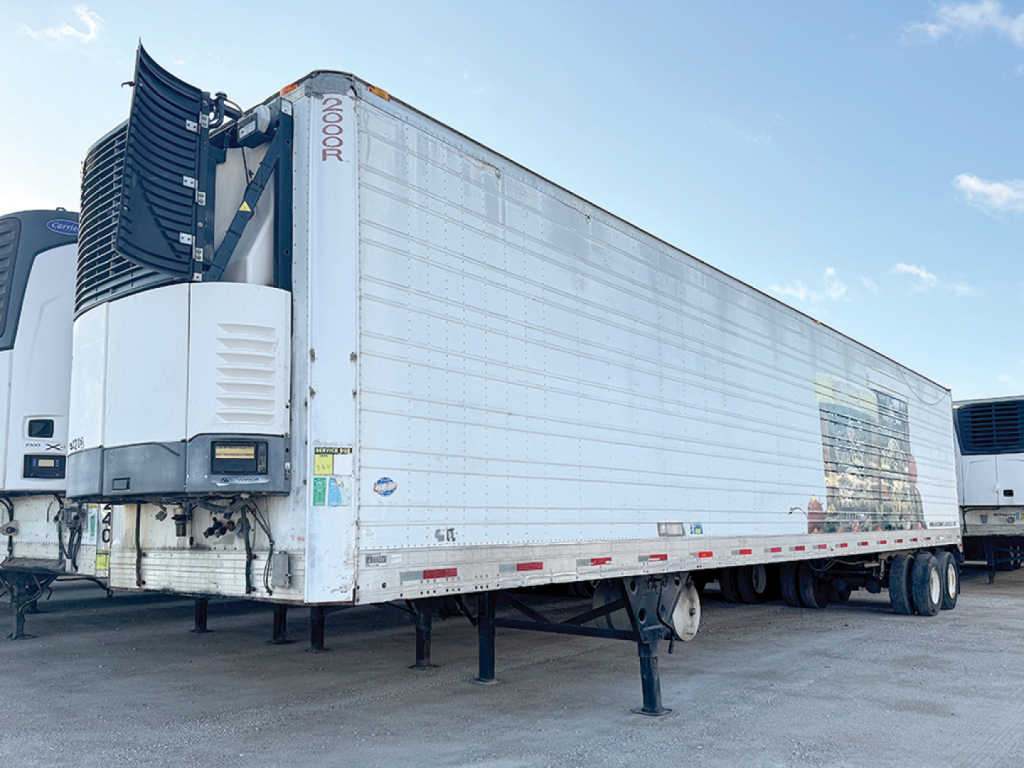
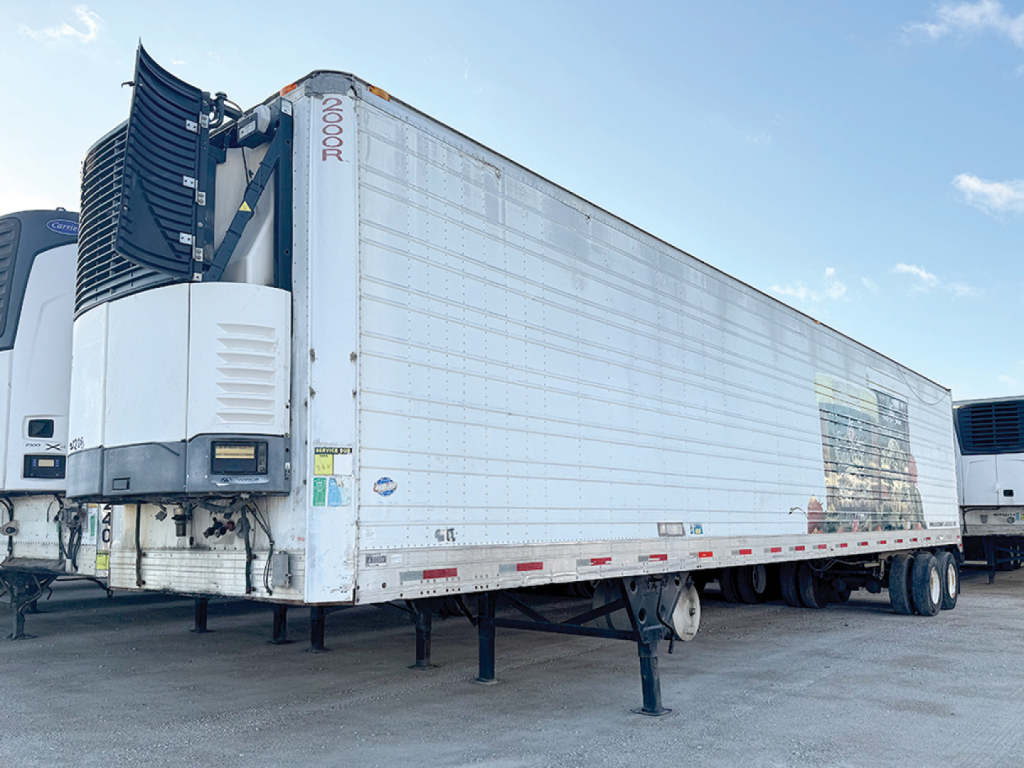
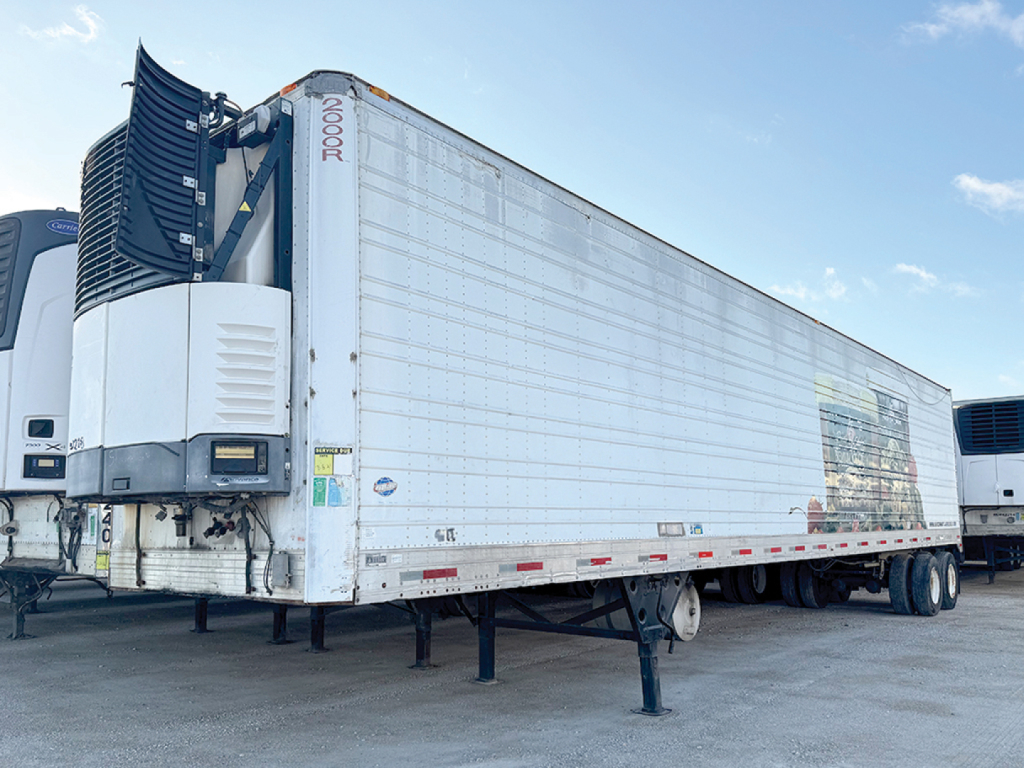
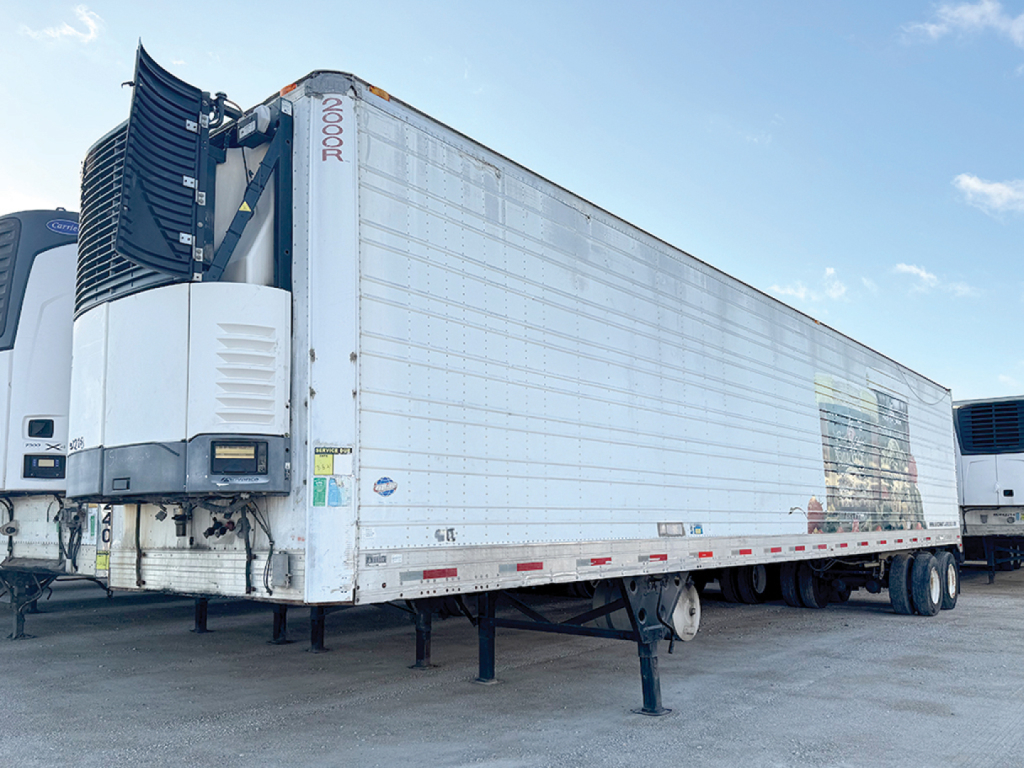

Have used 1995 utility trailer to sell? List it here to reach thousands of buyers.
About Used 1995 Utility Trailers
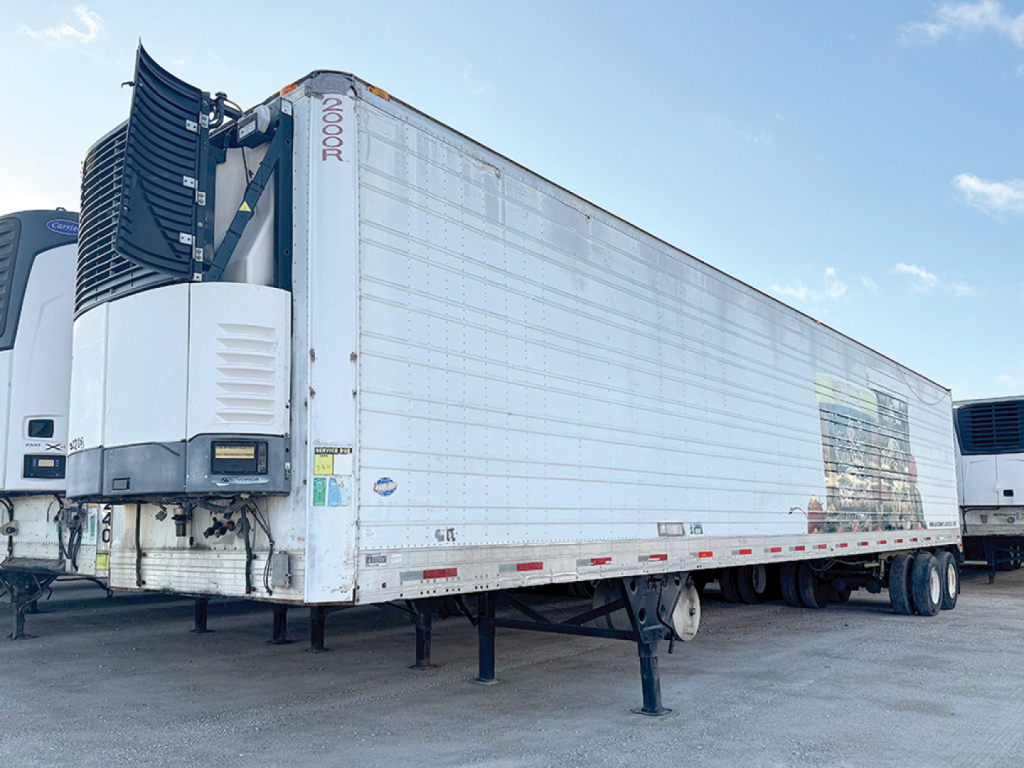
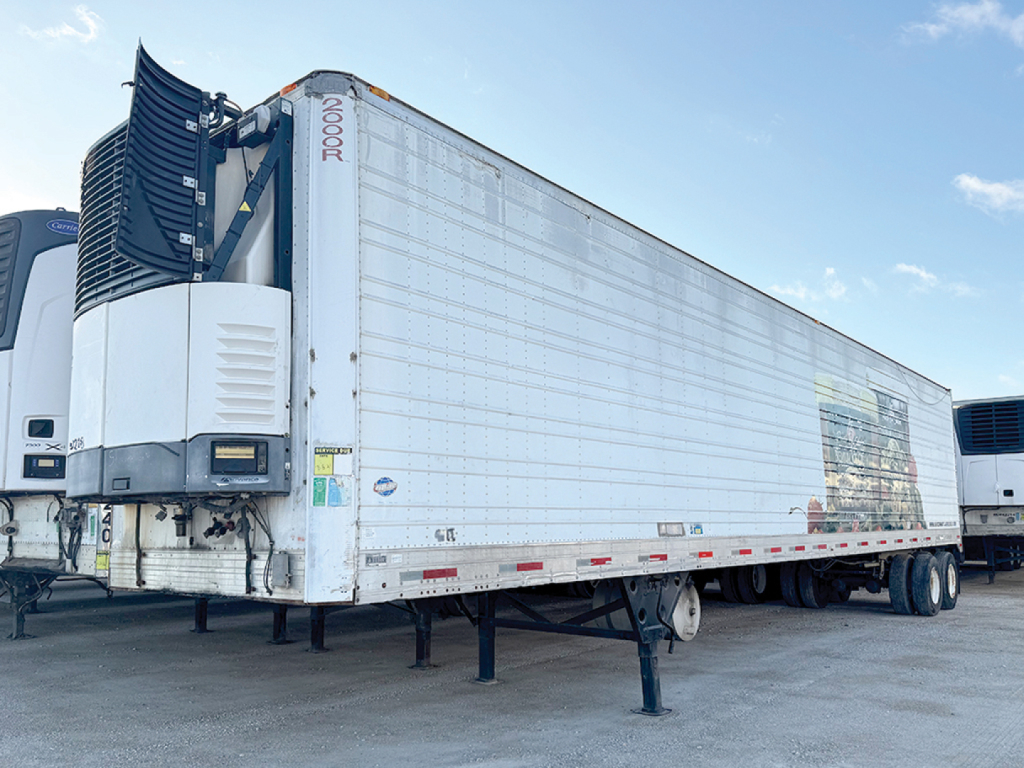
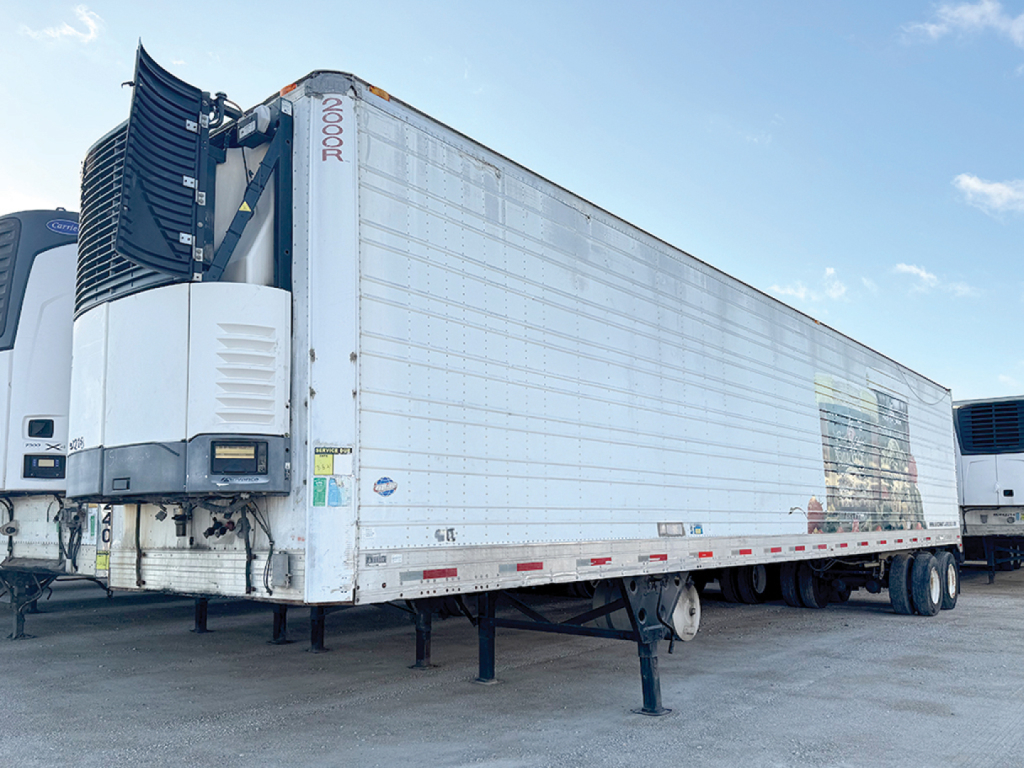
For Utility reefer trailers, buyers should pay close attention to the box structure, floor condition, door seals, and the refrigeration unit itself. Common checkpoints include aluminum duct floors, scuff liners or scuff plate, front radius panels, rear frame condition, and swing door alignment. On older refrigerated trailers, it is critical to inspect for floor rot, crossmember fatigue, water intrusion, patch panels, and corrosion around the front wall and evaporator area. Reefer unit hours, engine history, parts support, and current operating performance matter as much as the trailer body. Many older Utility reefers are also repurposed as storage trailers, where a sound body and functional doors may matter more than over-the-road refrigeration performance.
If the trailer is a dry van or flatbed, the inspection priorities shift. Dry van buyers should look closely at roof bows, side sheet integrity, logistics post condition, landing gear, slider operation, and rear threshold wear. Flatbed buyers need to verify deck condition, crossmember spacing, frame straightness, winch track condition, and any coil package components. Axle configuration is another practical buying factor on a used Utility trailer. Sliding tandems are common on van and reefer applications because they help with bridge law compliance and dock positioning, while spread axle layouts are more common on some flatbeds for load distribution. Suspension type, wheel end condition, brake setup, tire size, and kingpin wear should all be part of the pre-purchase review.
A 1995 Utility trailer is best evaluated as a working asset, not just by year alone. The trailer may have had floors replaced, doors rebuilt, reefers removed, axles updated, or multiple structural repairs over its life. That can be positive or negative depending on the quality of the work. Buyers should verify VIN tags, maintenance records, tire date codes, brake wear, ABS status if applicable, and signs of repeated heavy loading such as cracked welds, buckle repairs, or uneven tire wear. For operators who need a low-cost trailer for storage, dedicated short-haul service, or specialized secondary use, an older Utility trailer can still deliver practical value if the structure, running gear, and intended application line up.
Frequently Asked Questions
What should I inspect first on a used 1995 Utility trailer?
Start with the trailer structure and running gear. Check the frame rails, crossmembers, floor, suspension, axles, brakes, wheel ends, landing gear, and kingpin area before focusing on cosmetic condition. On a reefer, inspect the insulated body, door seals, front wall, and refrigeration unit condition. On a flatbed, focus on deck wear, winch track condition, and signs of frame damage or overload repairs. Older trailers can remain serviceable for years, but deferred structural maintenance is usually more expensive than routine running gear work.
Are 1995 Utility reefer trailers still practical to buy?
They can be practical if the intended use matches the trailer's condition. Many older Utility reefers are used for storage, yard spotting, seasonal produce support, or limited local service rather than high-demand long-haul food distribution. The key factors are box integrity, floor condition, door sealing, and whether the reefer unit is operational, supportable, and worth maintaining. If the refrigeration unit is obsolete or unreliable, the trailer may still have value as static cold storage or insulated storage depending on the body condition.
What trailer types might be found under a used Utility trailer search?
Utility is best known for reefer and dry van trailers, but the brand also appears in flatbed and storage applications. A used Utility trailer search may include refrigerated trailers such as the 3000R, dry freight vans, storage trailers converted from road units, and some flatbed models. Buyers should confirm the exact category because inspection points, repair costs, and legal operating considerations are different for each trailer design.
How important is axle and tandem configuration on an older Utility trailer?
It is very important because axle setup affects bridge compliance, tire wear, maneuverability, and the kinds of loads the trailer can handle efficiently. Sliding tandems are common on reefers and dry vans and give flexibility for weight distribution and docking. Spread axle configurations are more common on some flatbeds and can improve load distribution, but they may reduce maneuverability in tight areas. On a 1995 trailer, buyers should also verify slider rail condition, suspension wear, and the overall state of bushings, airbags, torque arms, and brake components.
Is a used 1995 Utility trailer mainly a price-driven purchase?
Price is a major factor, but it should not be the only one. The true buying decision is based on remaining service life, repair exposure, and how well the trailer fits the intended job. A low-priced trailer with poor floors, weak crossmembers, bad wheel ends, and major brake work needed can cost more in downtime and repairs than a better-maintained unit. Older Utility trailers are usually strongest candidates for buyers who understand inspection criteria and have a clear use case such as storage, backup capacity, or short-haul operation.