
Used Utility Trailers For Sale in Colorado
Shop used Utility trailers in Colorado, including dry vans, reefers, and flatbeds with specs that matter for freight, compliance, and uptime.
Learn more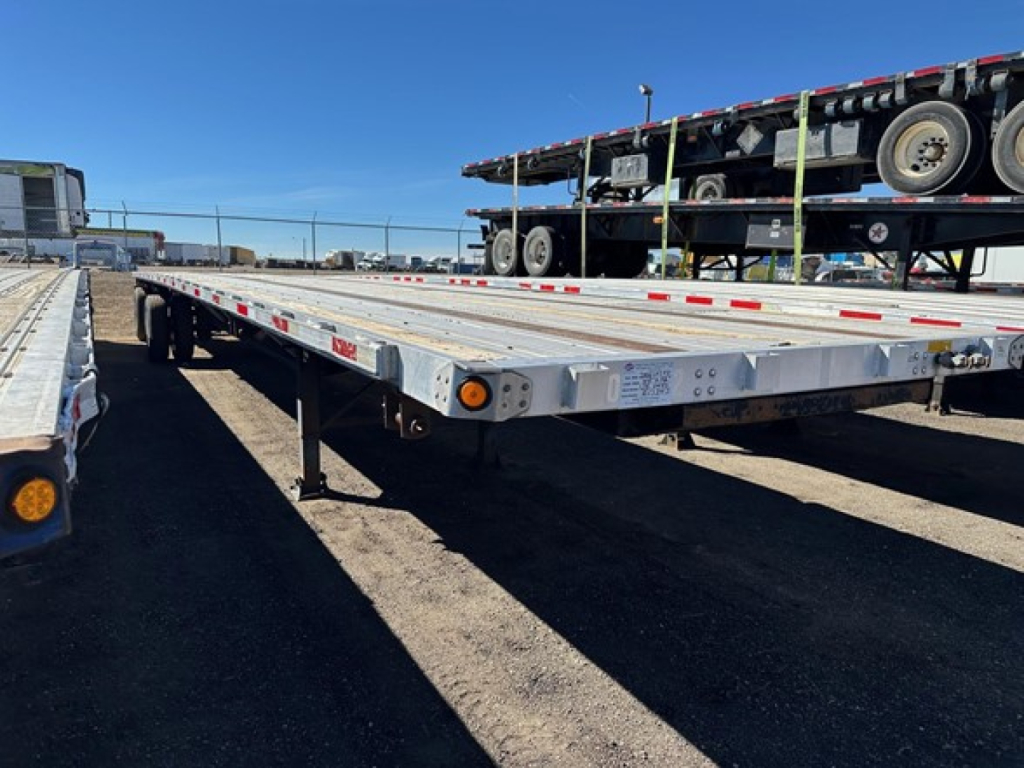
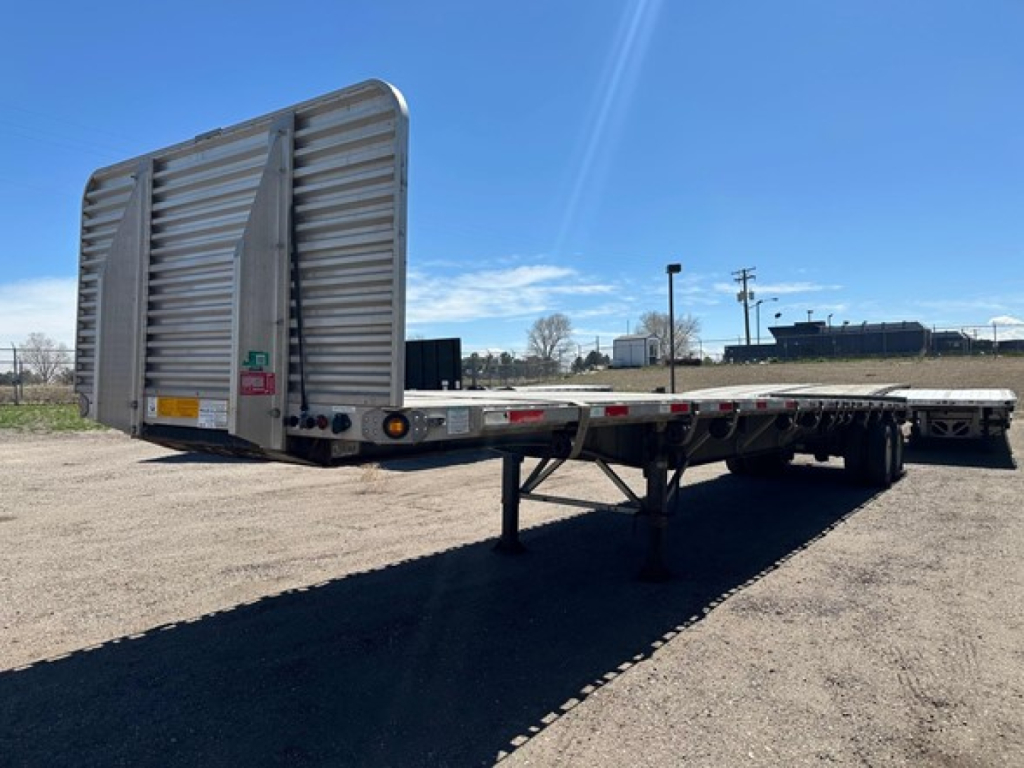
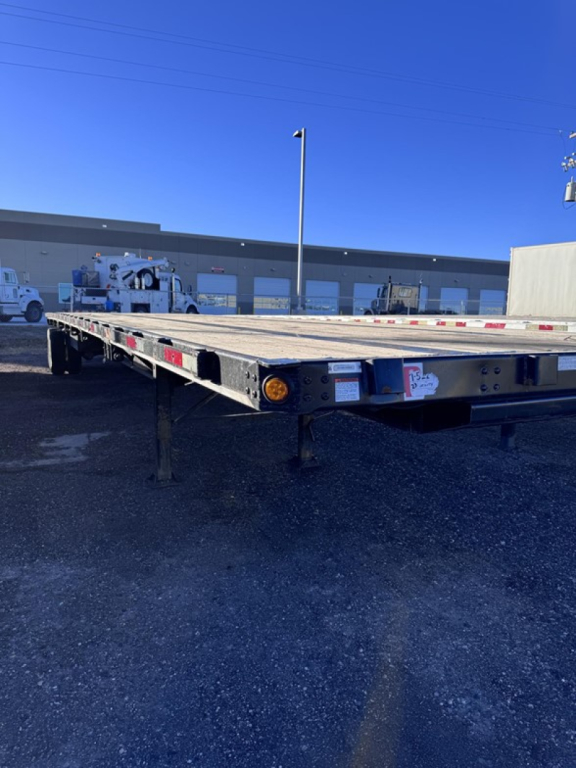
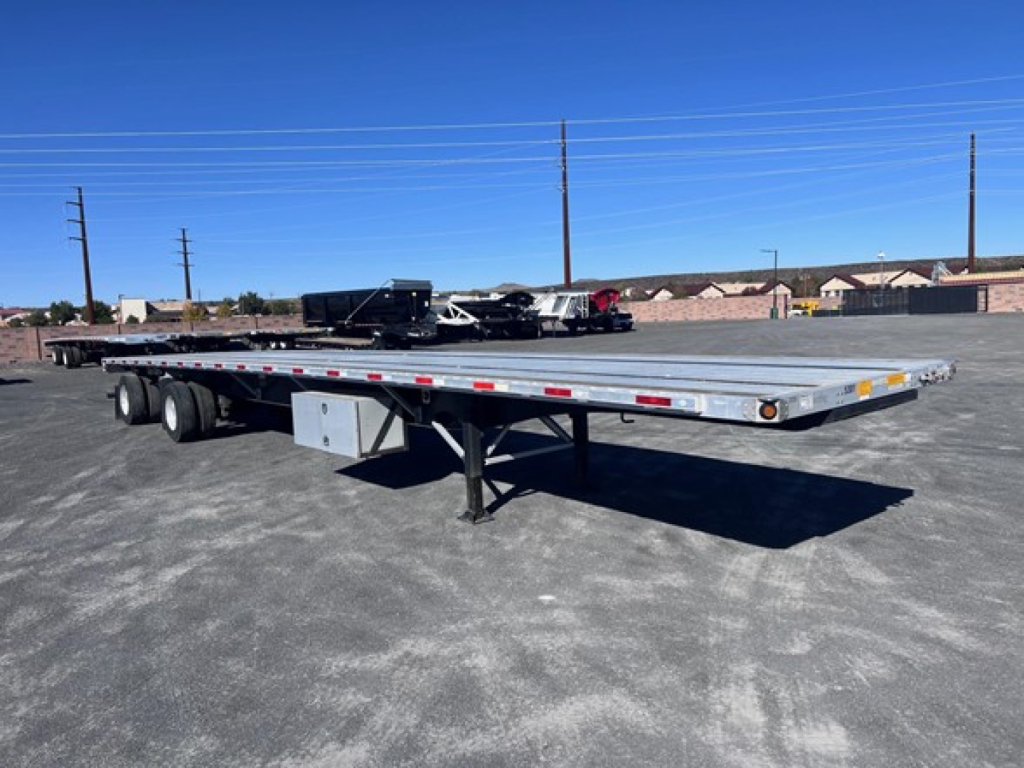
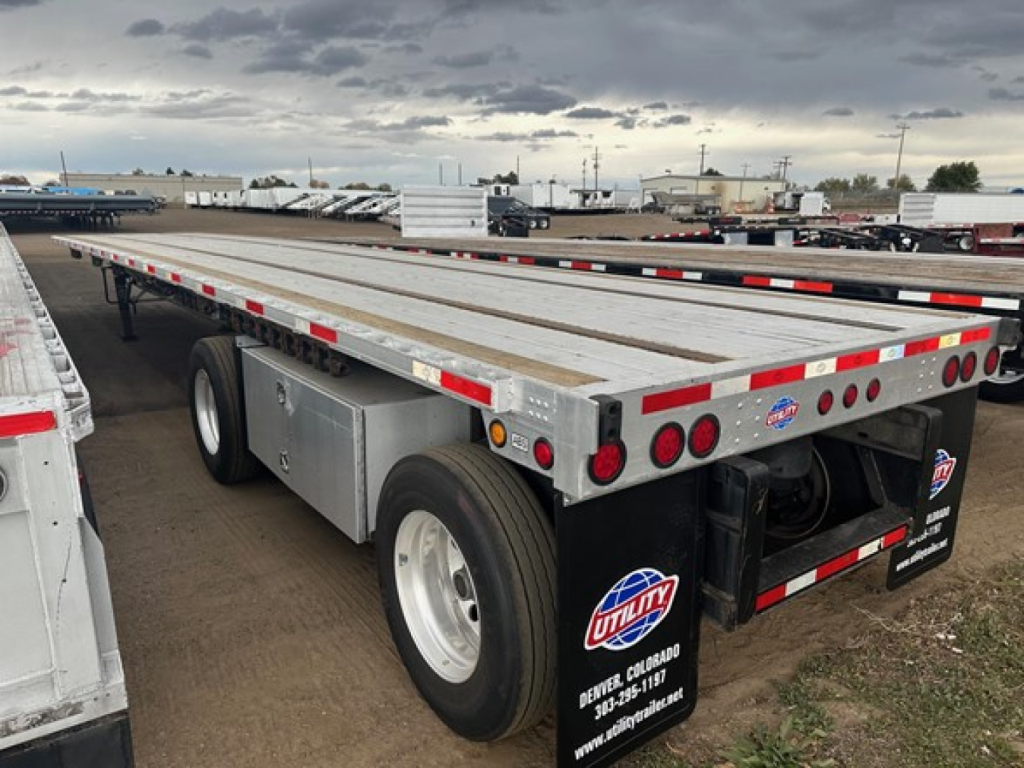
Showing 49 to 60 of 63 results
Have used utility trailer to sell? List it here to reach thousands of buyers.
About Used Utility Trailers in Colorado
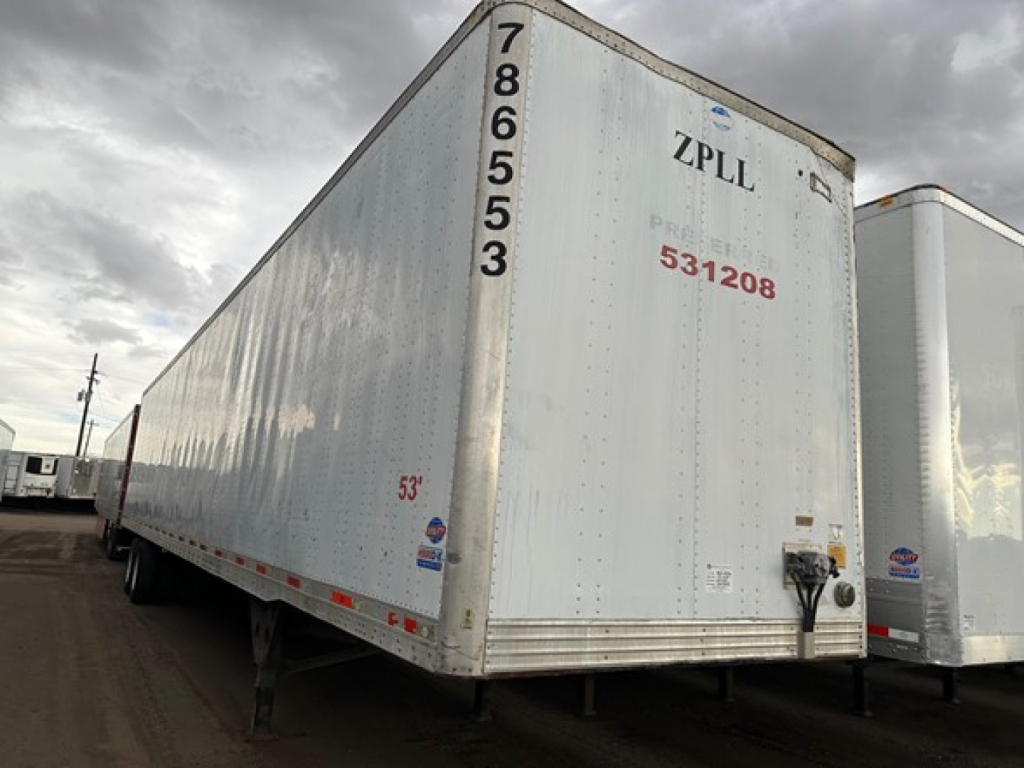
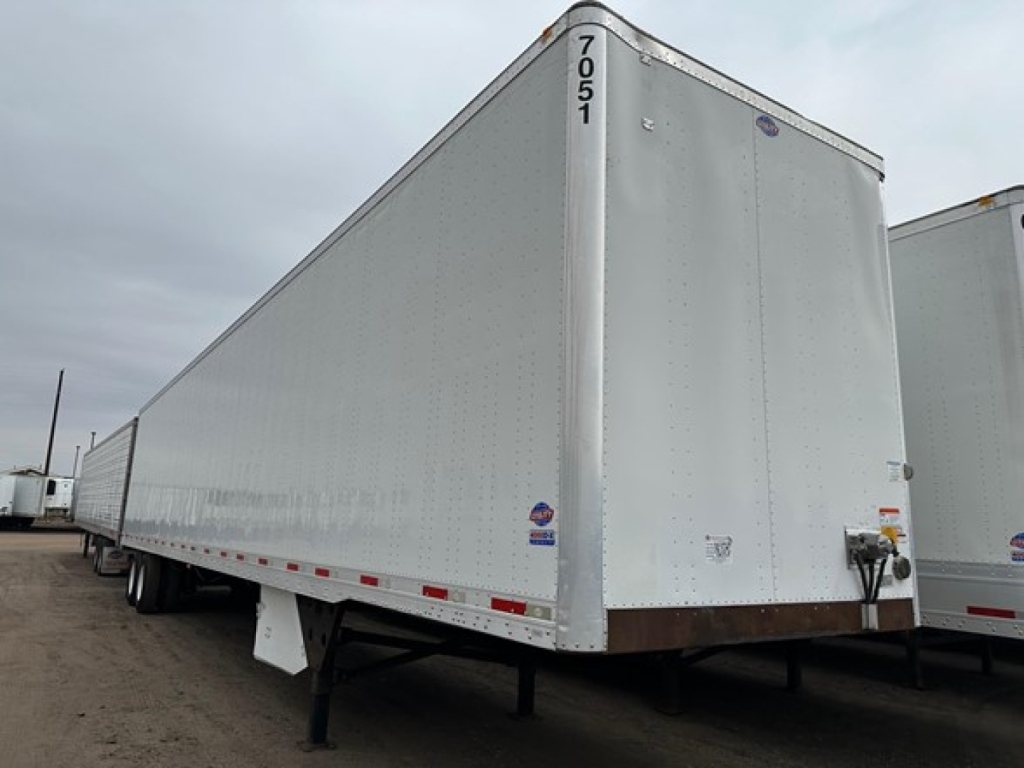
For dry van buyers, the key decisions usually center on floor type, wall construction, suspension, and aerodynamic equipment. Utility dry vans often show up with wood floors, composite wall panels, aluminum roofs, logistic posts, and options like side skirts, tire inflation systems, and air-ride suspensions with air-pin sliders. Buyers moving high-cycle palletized freight should pay close attention to threshold plate condition, rear frame wear, dock protection, and signs of floor fatigue around forklift lanes. Swing doors remain common, and they are still preferred in many dock operations for durability and sealing simplicity.
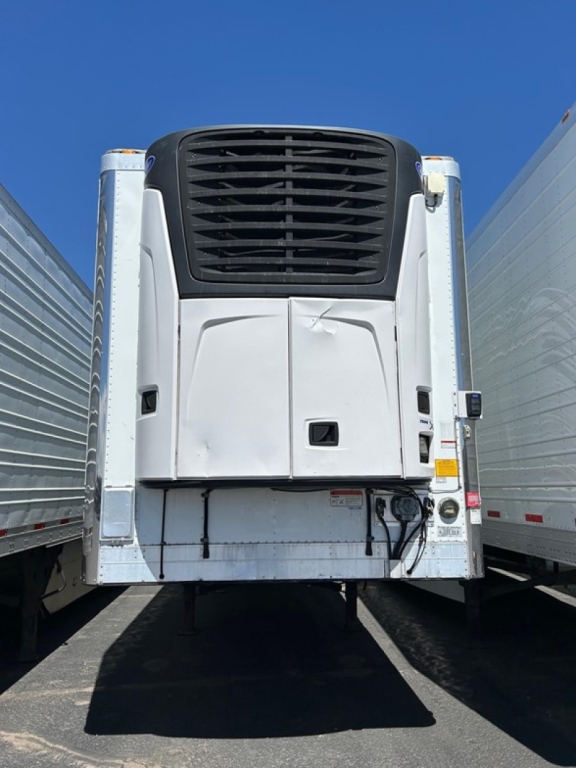
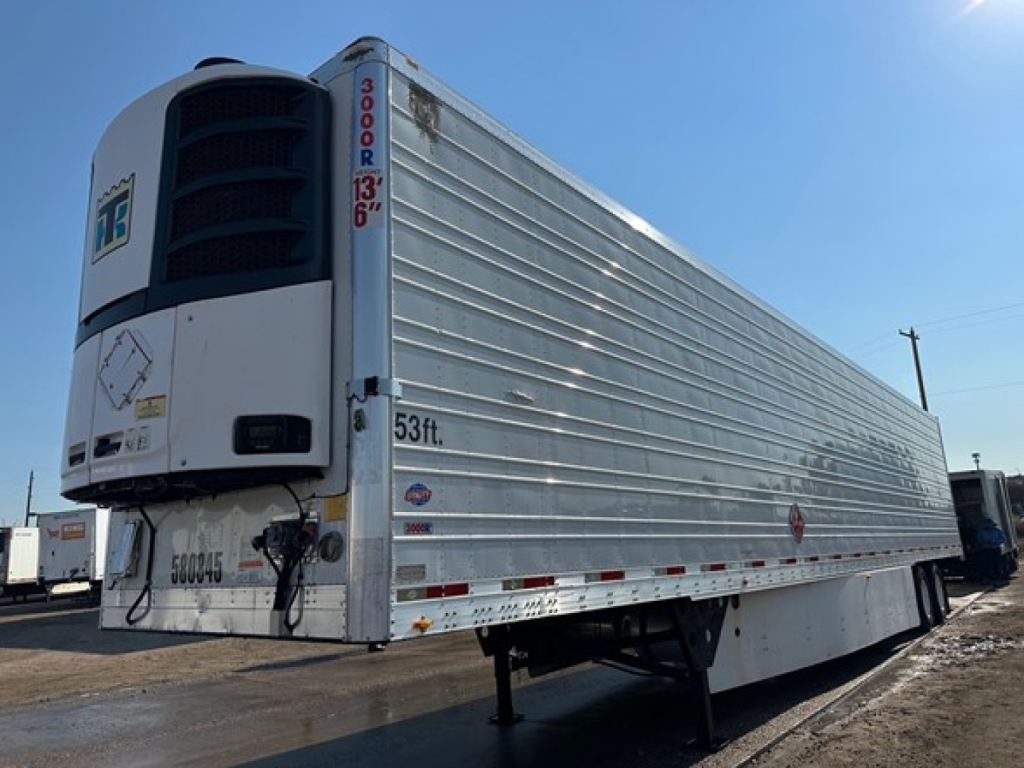
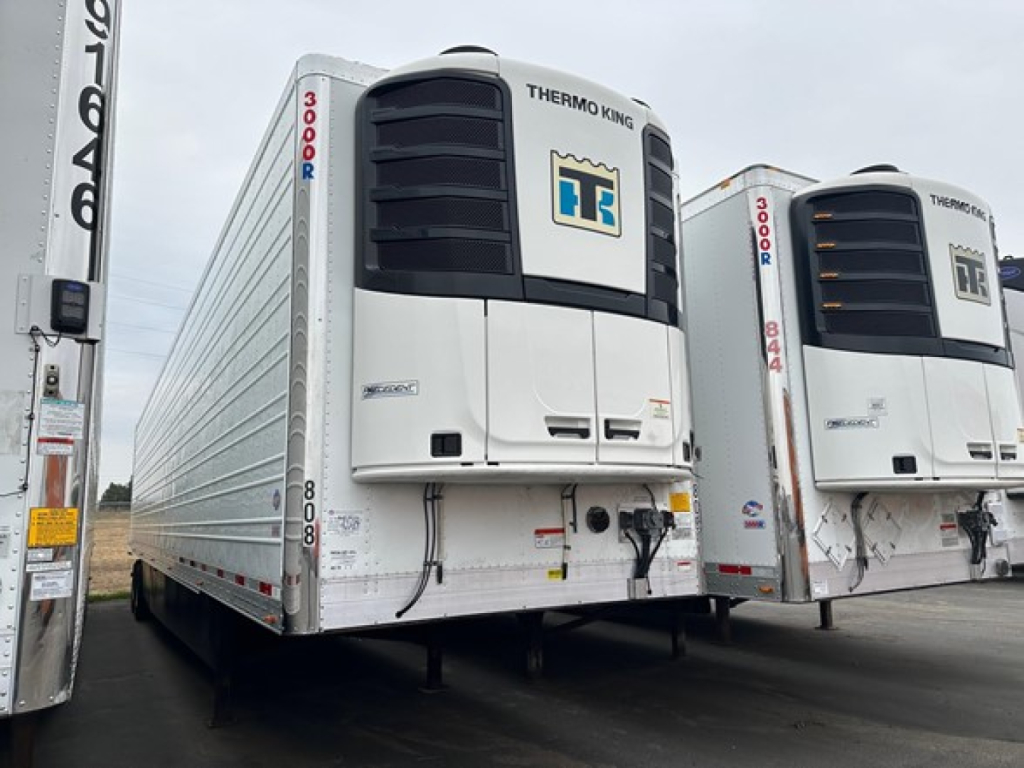
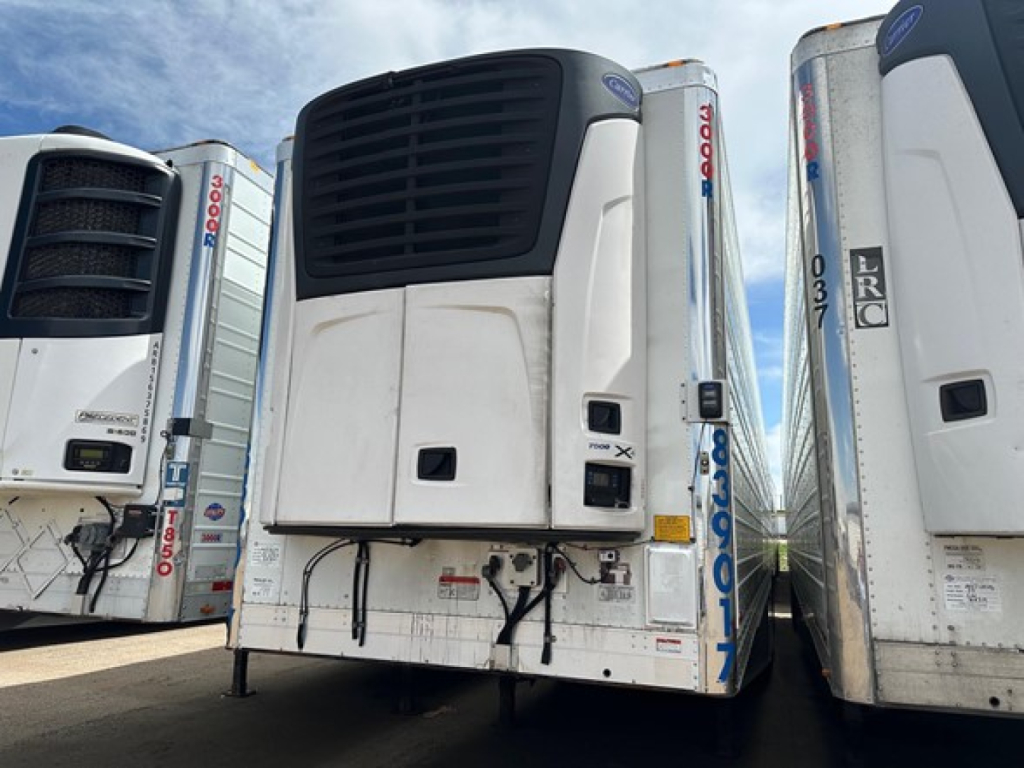
For refrigerated service, Utility reefer trailers are widely used in foodservice, grocery, produce, and multi-temp distribution. Important buying points include reefer unit brand and hours, duct floor condition, door seals, chute configuration, insulation integrity, and whether the trailer has smooth or corrugated side panels. Colorado operators should also think about refrigeration performance in elevation changes and winter operation, especially if the trailer is handling temperature-sensitive freight across longer mountain runs. Multi-temp and single-temp configurations both appear in the used market, and side doors or liftgate setups can add value for urban and route-delivery applications.
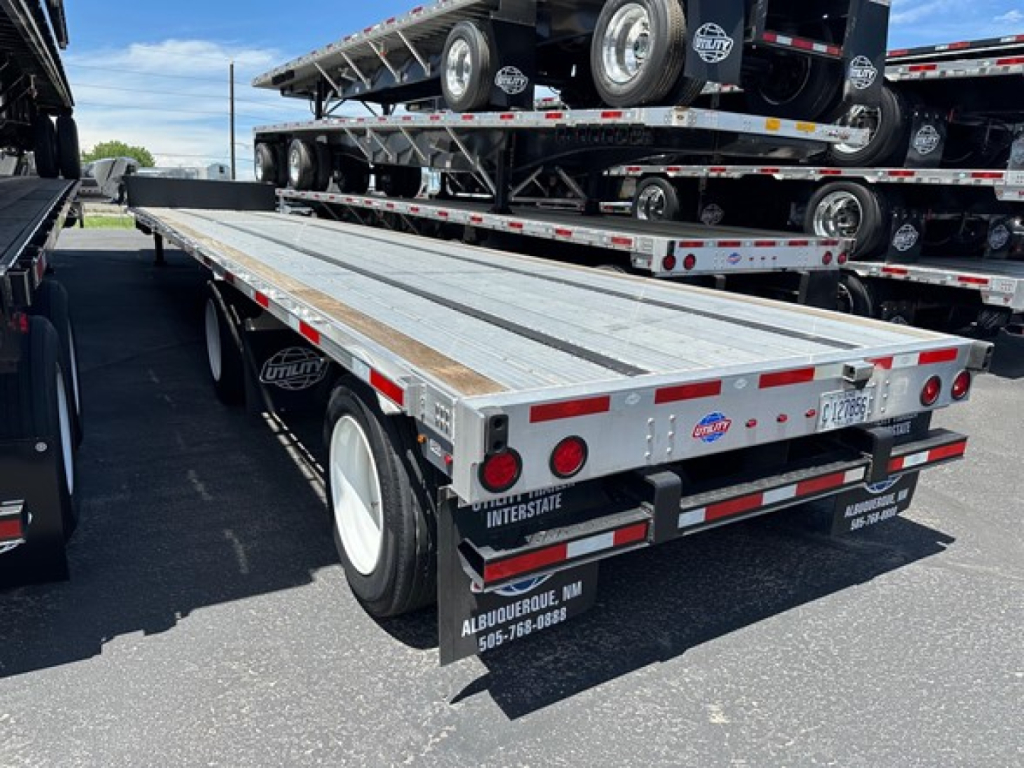
Utility flatbeds, including combo designs with steel main beams and aluminum components, appeal to buyers balancing payload with durability. Common specs include stake pockets, pipe spools, sliding winches, nail strips, bulkheads, and coil packages. The right setup depends on the freight. Steel, lumber, machinery, and building materials all place different demands on deck condition, tie-down layout, and axle position. On any used Utility trailer, buyers should inspect suspension wear, slider operation, wheel-end service history, tire condition, brake components, rear impact structure, and signs of corrosion or repair around crossmembers and landing gear mounts. A used Utility trailer with the right spec sheet is less about the badge alone and more about matching the trailer's prior application to the freight you intend to move next.
Frequently Asked Questions
What types of used Utility trailers are most common?
The most common used Utility trailers are dry vans, refrigerated trailers, and flatbeds. Dry vans are typically used for general freight and palletized goods, reefers are built for temperature-controlled freight, and Utility flatbeds are often spec'd for construction materials, steel, machinery, and other open-deck loads. Utility has a strong presence in all three categories, so buyers usually have a wide range of lengths, axle layouts, and suspension specs to compare.
What should I inspect first on a used Utility reefer trailer?
Start with the refrigeration unit hours, service records, and operating condition, then move to the trailer body. Check the floor for damage, especially aluminum duct flooring, inspect door seals and rear frame condition, and look for evidence of insulation or panel damage that can affect temperature control. Also confirm the reefer unit configuration, such as single-temp or multi-temp, and make sure it fits the freight profile you plan to haul.
Are Utility dry vans a good choice for general freight?
Utility dry vans are a solid fit for general freight because they are commonly spec'd with features buyers expect in fleet service, including wood floors, logistic posts, composite wall panels, and tandem sliders. Their popularity also helps with parts availability and resale. The better question is whether the specific trailer was maintained properly and whether its floor, rear frame, doors, and suspension match the demands of your operation.
What matters most when buying a used Utility flatbed?
Deck condition, frame integrity, tie-down equipment, and axle configuration are the main concerns. A combo flatbed with steel main beams and aluminum crossmembers or deck components can offer a good balance of strength and payload, but buyers still need to inspect for cracked welds, bent components, worn winch tracks, and damage around stake pockets or coil package areas. The trailer should be matched to the actual freight, not just chosen by length or price.
Why does trailer spec matter so much in Colorado?
Colorado operations can expose trailers to elevation changes, winter weather, road chemicals, and demanding terrain, so the spec sheet has a direct effect on uptime and operating cost. Reefer performance, braking condition, tire setup, suspension type, and corrosion resistance all matter more when a trailer regularly sees mountain grades and seasonal temperature swings. A used Utility trailer that is well suited to flat interstate freight may need a different inspection standard if it will be working year-round in Colorado.