
Used 2017 Utility Trailers For Sale in Colorado
Browse used 2017 Utility trailers in Colorado, including dry vans and reefers with common fleet specs like air ride, sliding tandems, and logistics posts.
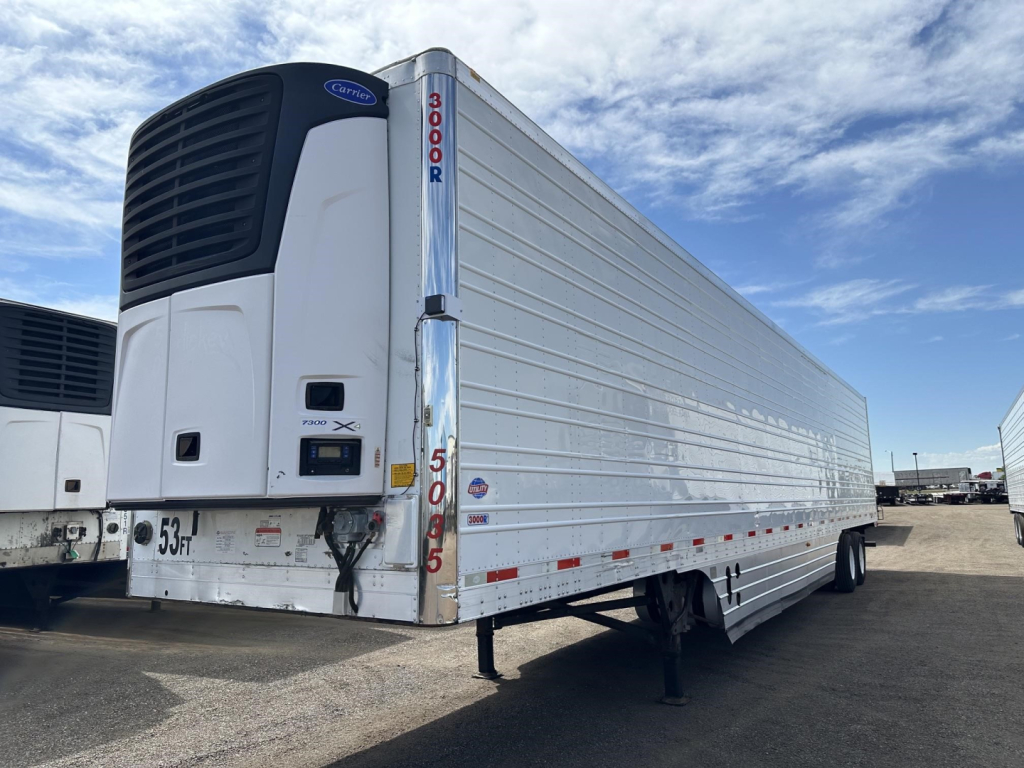
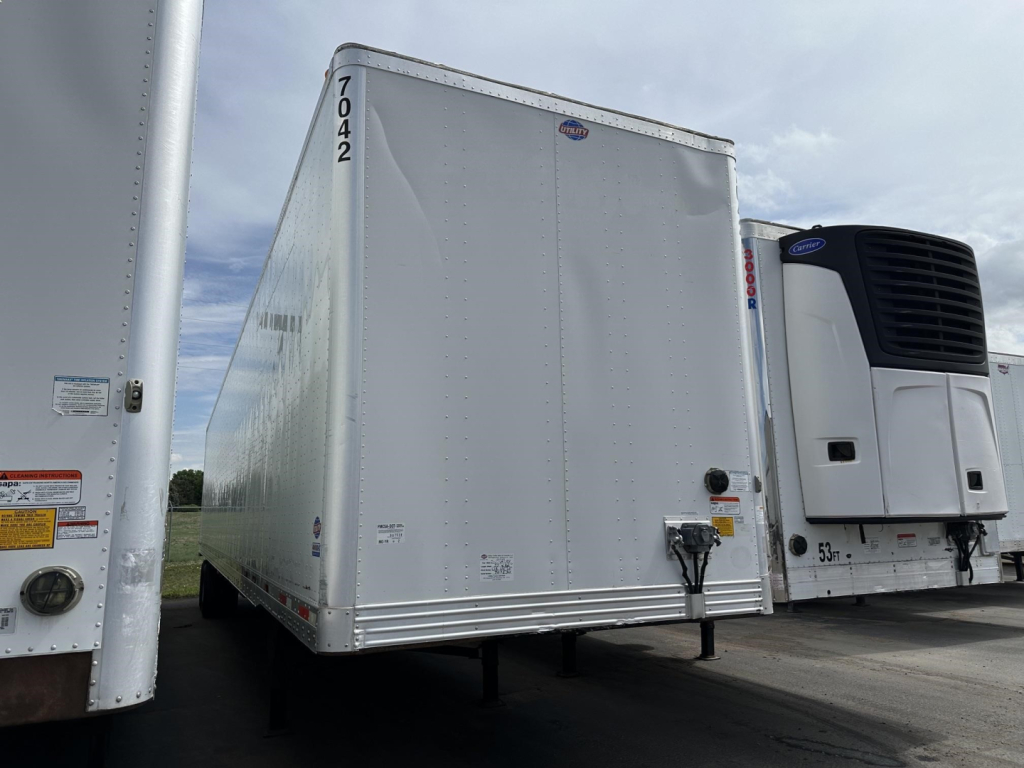
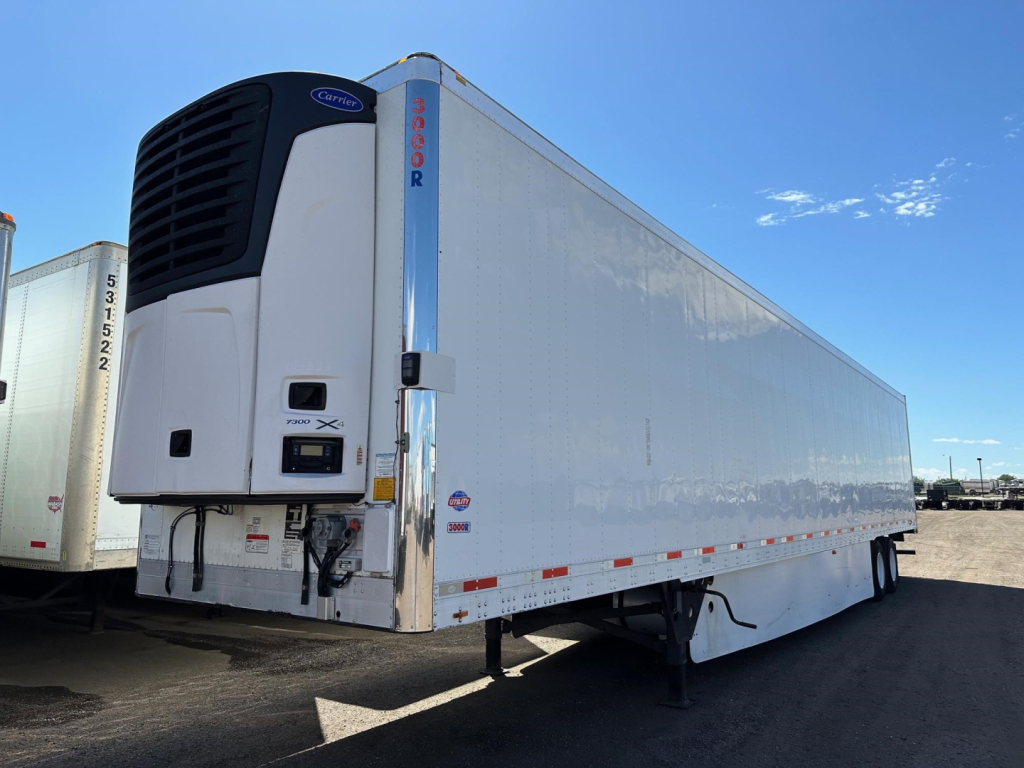
Selling a used 2017 utility trailer? List your used 2017 utility trailer for sale and reach thousands of commercial buyers.
Used 2017 Utility Trailers in Colorado
On dry van models, many 2017 Utility trailers are 53-foot x 102-inch units with aluminum construction, wood floors, scuff liners, logistics posts, swing doors, and air ride suspension. Common specs include sliding tandems, low-profile 22.5 tires, side skirts, threshold plates, stainless door hardware, and tire inflation systems. Buyers should pay close attention to inside height, roof condition, crossmember integrity, floor wear at forklift traffic points, and signs of prior wall or nose repairs. A fleet van with logistics tracks and a clean interior can be a practical choice for general freight, retail, and palletized cargo where dock compatibility and cargo securement flexibility are priorities.
For reefer applications, 2017 Utility refrigerated trailers, often from the 3000R family, are commonly spec'd with aluminum duct floors, insulated walls, swing doors, and Thermo King or Carrier units. Reefer buyers need to evaluate both the trailer and the refrigeration system as separate assets. Unit hours, maintenance history, evap and condenser condition, chute or bulkhead setup, floor wear, and door seal condition all affect operating cost. In Colorado service, reefer performance in high-altitude and variable-temperature routes is worth extra attention, especially for produce, dairy, frozen freight, and multi-stop foodservice work.
A used 2017 Utility trailer is often attractive because it sits in a practical middle ground. It is modern enough to include aerodynamic and fleet efficiency features, but old enough that depreciation is more manageable than on newer equipment. The best buy usually comes down to prior application and upkeep, not just age. Tandem slider operation, suspension condition, brake type, tire match, wheel condition, ICC bumper integrity, and evidence of water intrusion or corrosion should all be part of the inspection. For buyers comparing several listings, the most valuable differences are usually trailer weight, interior condition, reefer unit history if equipped, and how closely the spec matches the freight you actually haul.
Frequently Asked Questions about Used 2017 Utility Trailers in Colorado
What are the most common types of used 2017 Utility trailers?
The most common used 2017 Utility trailers on the market are 53-foot dry vans and 53-foot refrigerated trailers. Dry vans are typically used for general palletized freight, retail, and distribution work, while reefer trailers are built for temperature-sensitive cargo such as produce, dairy, frozen goods, and foodservice loads. Utility dry vans are often associated with the 4000D-X platform, while many refrigerated models fall under the 3000R line.
What should I inspect first on a used 2017 Utility dry van?
Start with the floor, roof, sidewalls, rear frame, and tandem slider assembly. Floor wear from repeated forklift loading can become expensive quickly, especially near the nose and door areas. Check for patched roof sections, light leaks, cracked scuff liners, bent crossmembers, and damage around the threshold plate and rear swing doors. On fleet vans, logistics posts, side skirts, tire inflation systems, and suspension components should also be checked for completeness and proper function.
How do I evaluate a used 2017 Utility reefer trailer?
A reefer trailer should be evaluated as both a trailer and a refrigeration package. Confirm reefer unit hours, service records, startup behavior, temperature pull-down performance, and any alarm history. Then inspect the insulated body, aluminum duct floor, chute, door seals, bulkhead setup, and interior lining for damage or air leaks. A reefer with a sound box but poor unit maintenance can still become a high-cost trailer, so both sides of the package matter equally.
Are 2017 Utility trailers a good choice for Colorado operations?
Yes, 2017 Utility trailers can be a solid choice for Colorado because they are common in fleet service, relatively lightweight in many specs, and straightforward to maintain. For dry vans, air ride and sliding tandems help with load distribution and dock flexibility. For reefers, altitude and temperature swings make refrigeration performance and door seal condition especially important. Buyers running mountain routes should pay close attention to brakes, tire condition, suspension wear, and overall structural integrity.
What specs add the most value on a used 2017 Utility trailer?
On dry vans, buyers usually place the most value on clean interiors, good floors, logistics posts, air ride suspension, sliding tandems, side skirts, and tire inflation systems. On reefer trailers, value is driven heavily by refrigeration unit condition, verified maintenance history, duct floor condition, door seal integrity, and the overall cleanliness of the insulated interior. Across both trailer types, a straight frame, solid rear structure, and evidence of consistent fleet maintenance typically matter more than cosmetic appearance alone.