
Utility Trailers For Sale in Texas
Browse Utility trailers for sale in Texas, including common reefer specs, construction features, suspension options, and buyer considerations.

Have utility trailer to sell? List it here to reach thousands of buyers.
Utility Trailers in Texas
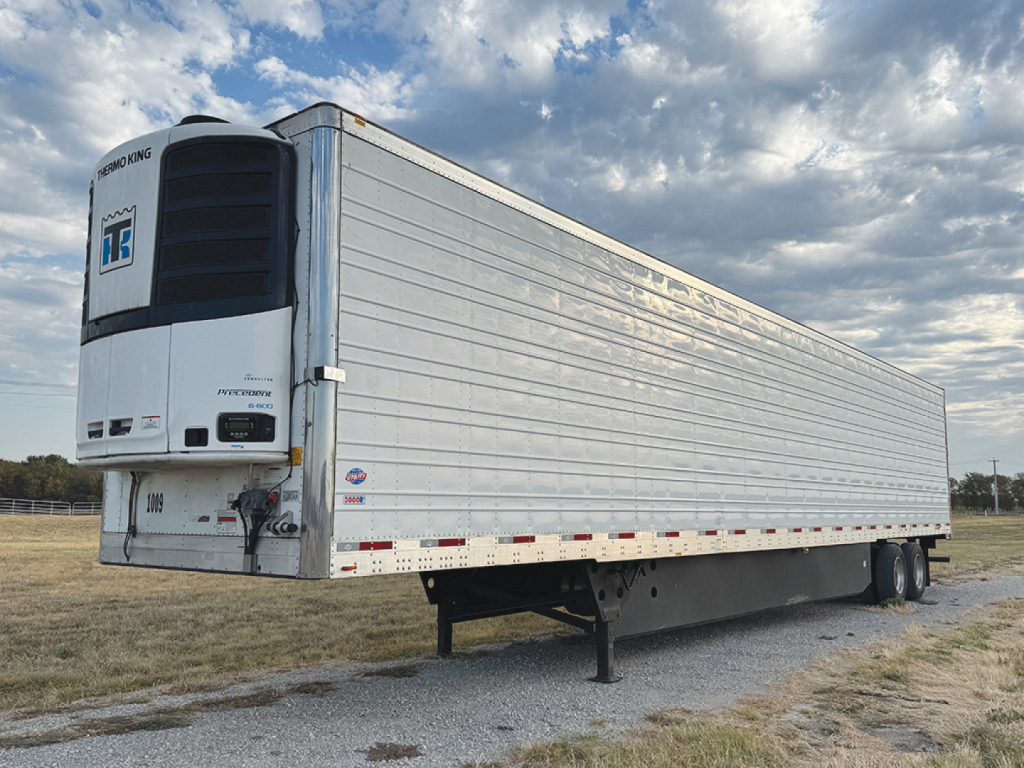
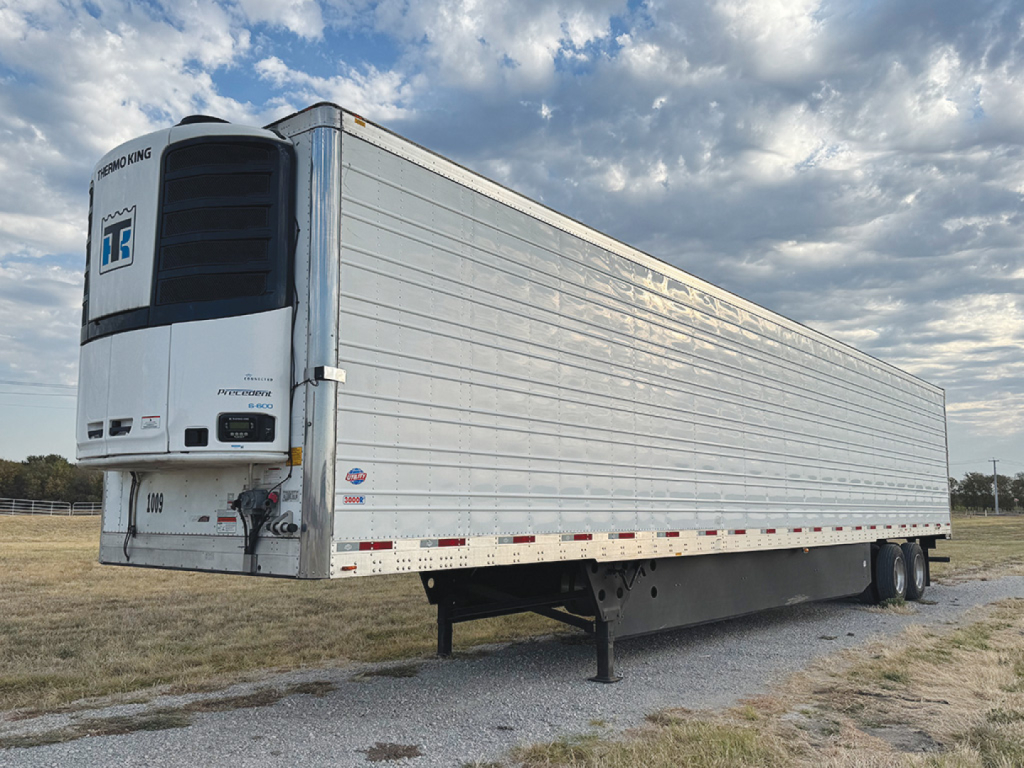
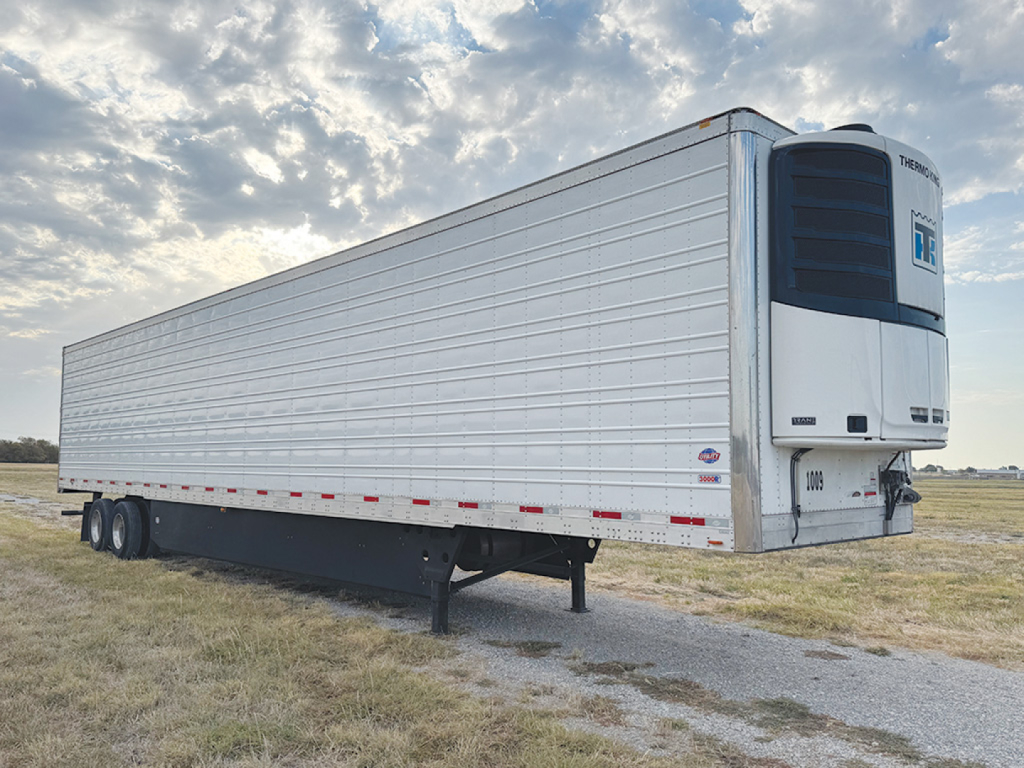
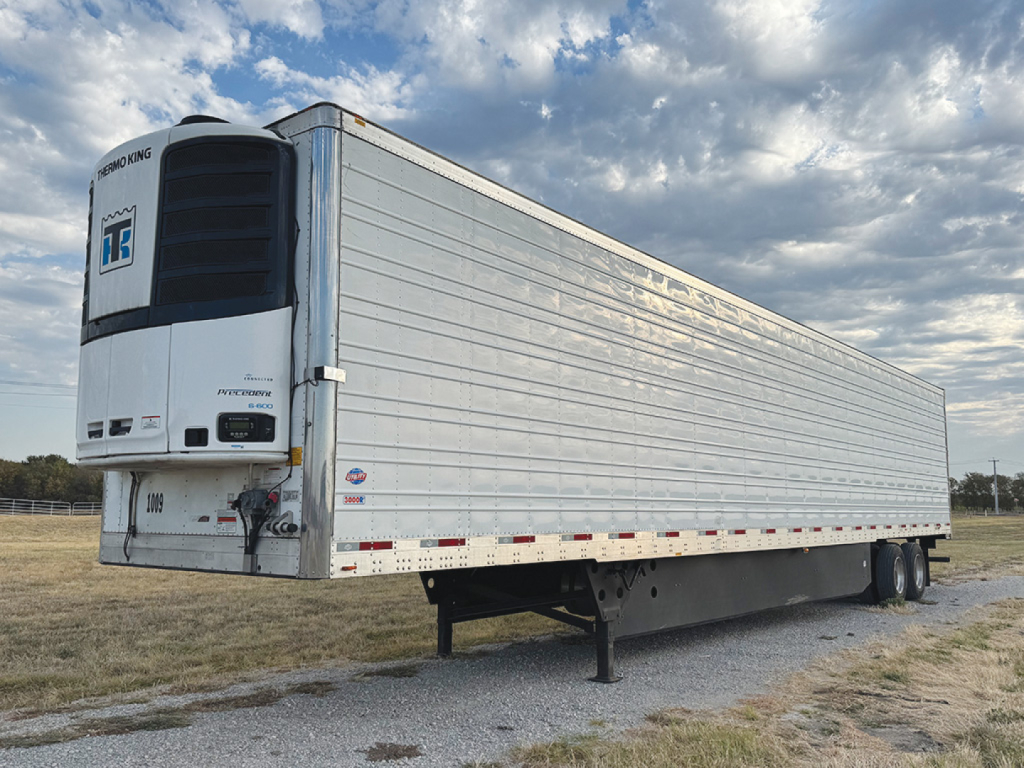
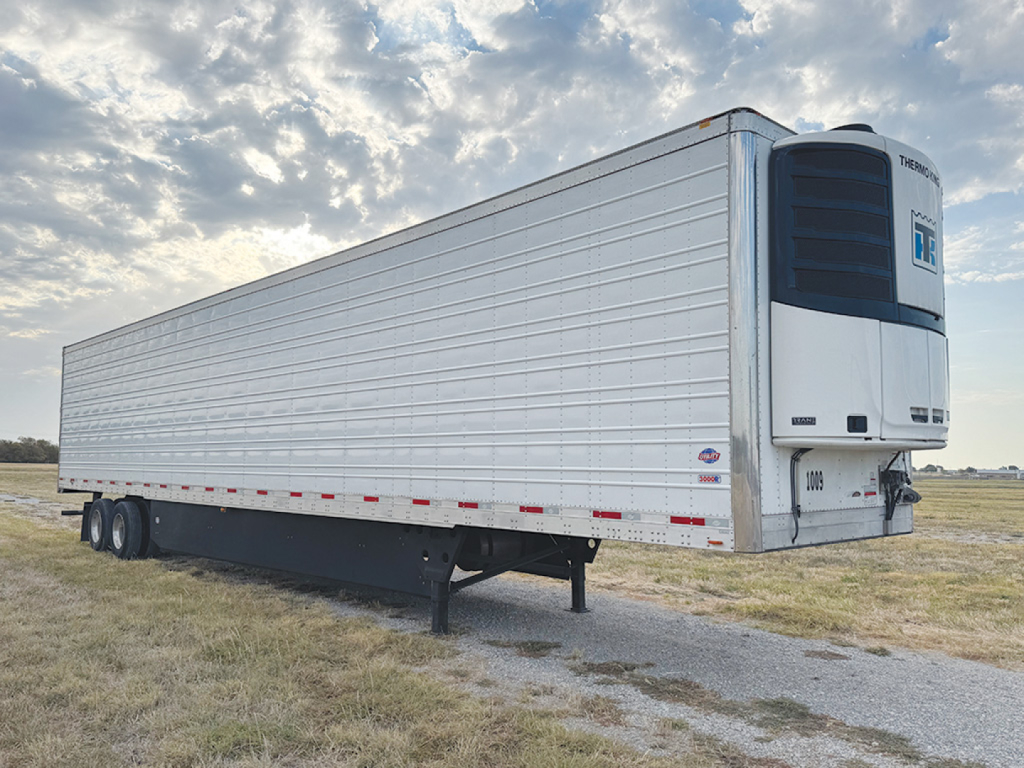
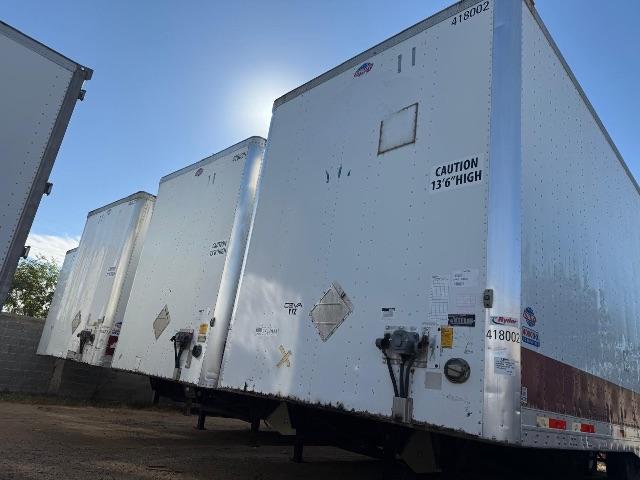
A buyer comparing Utility trailers should start with body configuration and interior condition. Common specs include 48-foot and 53-foot lengths, 96-inch or 102-inch widths, and standard 13-foot 6-inch overall height. On reefer models, floor type is a major decision point. Heavy-duty aluminum duct floors are preferred for continuous airflow under palletized freight, while flat floors may fit different loading patterns but can change how air moves through the box. Scuff liners or scuff plates, E-track, cold chutes, stainless front radius panels, and stainless door frames are all useful indicators of how the trailer was spec'd for fleet work. Door style also matters. Swing doors are common for full-width dock loading, while roll-up doors can be useful in route delivery but usually add complexity and can affect opening clearance and sealing performance.
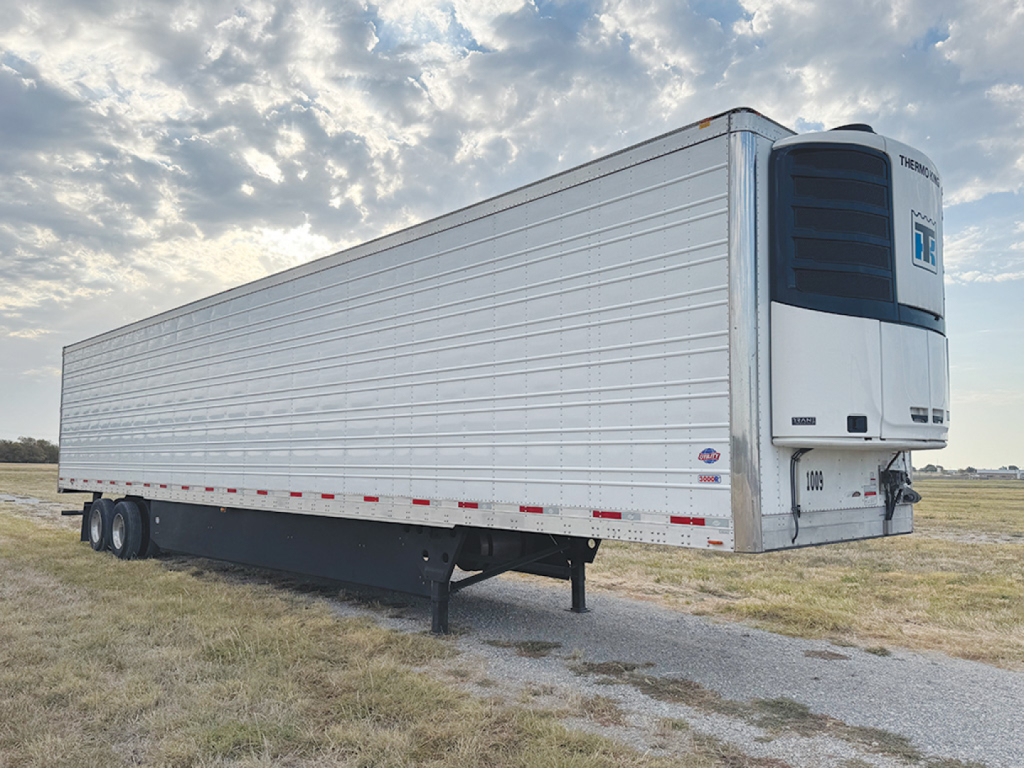
Suspension, axle setup, and running gear deserve the same attention as the body. Many Utility reefers are equipped with air ride suspension and sliding tandems, which help with ride quality, load protection, and bridge law flexibility. Older units may have spring suspension, which can still be serviceable but generally rides harsher. Buyers should inspect kingpin area wear, crossmember condition, floor integrity, tire size and age, wheel type, brake type, and signs of corrosion around the rear frame and threshold. In Texas service, sun exposure and heat cycles can also show up in door seals, interior lining, and reefer unit performance. If the trailer includes a refrigeration unit such as a Carrier X2 2500 or similar Thermo King spec, operating hours, maintenance history, and pulldown capability are just as important as trailer age.
Utility reefer trailers hold value because they are widely recognized, easy to place in food-grade and cold-chain applications, and familiar to most shops and drivers. The right trailer depends on lane length, product mix, dock environment, and temperature requirements. A 53-foot air ride trailer with a duct floor and swing doors fits high-volume over-the-road refrigerated freight, while an older 48-foot unit or a trailer sold less refrigeration unit may make sense for storage, local hauling, or a rebuild candidate. Buyers who focus on structural condition, insulation integrity, door sealing, and reefer service records usually make the best comparison between one Utility trailer and the next.
Frequently Asked Questions about Utility Trailers in Texas
What are the most common Utility trailer models buyers see in refrigerated service?
Utility 3000R and older 2000R reefer trailers are among the most common models in refrigerated freight. The 3000R is widely used in modern fleet applications because of its aluminum construction, insulated body design, and compatibility with major refrigeration unit brands. Older 2000R trailers are still found in regional service, storage use, and lower-cost fleet replacement situations, but buyers should pay closer attention to insulation condition, floor wear, and running gear age.
What should I inspect first on a used Utility reefer trailer?
Start with the floor, doors, and front wall, because those areas often show the clearest signs of hard use. Check the duct floor or flat floor for damage from forklifts, corrosion, and loose sections. Inspect swing or roll-up doors for alignment, hinge wear, gasket condition, and evidence of air leaks. Then move to the reefer bulkhead, interior lining, crossmembers, rear frame, and kingpin area. A reefer trailer can look decent outside and still have expensive structural or temperature-control issues inside.
Is a 48-foot or 53-foot Utility reefer better for Texas operations?
That depends on the freight and the lanes. A 53-foot Utility reefer is the standard choice for most truckload refrigerated freight because it maximizes cubic capacity and works well in grocery, produce, and distribution networks. A 48-foot reefer can still make sense for certain regional operations, tight loading areas, or buyers focused on lower acquisition cost. In Texas, where freight often involves long distances and high-volume lanes, 53-foot trailers are generally easier to utilize and easier to match with mainstream shipper requirements.
How important is the refrigeration unit on a Utility reefer trailer?
It is one of the biggest value drivers on the trailer. A solid Utility body still needs a dependable reefer unit to perform in food-grade and temperature-sensitive freight. Buyers should verify make and model, engine hours, maintenance records, startup behavior, operating temperature range, and pulldown performance under load conditions. A trailer sold without a unit, or with an aging unit near overhaul, may still be useful for storage or specialty applications, but the economics are very different from a road-ready refrigerated trailer.
Are air ride and sliding tandems worth prioritizing on a Utility trailer?
Yes, for most over-the-road refrigerated applications they are. Air ride suspension helps protect sensitive freight, reduces trailer shock, and is generally preferred by fleets hauling food products. Sliding tandems provide flexibility for axle weight distribution and bridge compliance, which matters on multi-state runs. A spring ride trailer can still work in some operations, especially at a lower price point, but air ride and sliding tandems are usually more desirable when comparing used Utility reefer trailers.