
Utility Van Trailers For Sale in Texas
Shop Utility van trailers for sale in Texas. Compare 53-foot dry van specs, liner options, suspension, sliding tandems, and door setups.
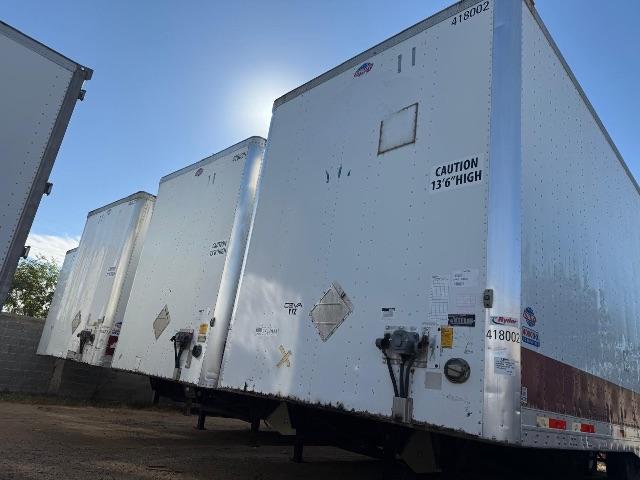

Have utility van trailer to sell? List it here to reach thousands of buyers.
Utility Van Trailers in Texas
The spec details make a big difference in day-to-day use. Buyers should pay close attention to wall liner type, floor condition, and cargo control setup. Aluminum or composite liners with Kemlite or scuff plate protection help reduce wall damage from pallets and forklifts, while logistics posts or full logistics track give more flexibility for load securement. A wood floor is still common in this category because it handles forklift traffic well and is straightforward to repair, but floor wear, patch history, and crossmember condition deserve a close inspection. Swing doors remain the standard rear closure on most Utility dry vans, and stainless door frames, threshold plates, and rear impact areas are worth noting on higher-mileage trailers.
Running gear and maintenance spec are just as important as body construction. Air ride suspension is preferred by many fleets hauling sensitive or mixed freight because it improves ride quality and helps protect cargo. Sliding tandems add flexibility for bridge law compliance, dock positioning, and weight distribution across different lane profiles. Tire inflation systems can lower roadside calls and help extend tire life, especially in long regional or over-the-road service. Low-profile 22.5 tires, aluminum or steel disc wheels, brake life, and suspension brand all affect operating cost. On a used Utility van trailer, buyers should also evaluate roof bows, roof skin condition, ICC bumper integrity, door seal fitment, and signs of previous sidewall or nose repair.
For Texas operators, van trailer selection often comes down to lane mix and shipper requirements. Cross-border freight, metro distribution, and long-haul I-35 or I-10 work can each favor a slightly different spec. A lighter trailer may matter more for cube-out freight and payload efficiency, while a heavily lined interior may be the better choice for high-turn freight that sees frequent forklift contact. Utility dry vans are also known as enclosed van trailers or dry van trailers, and they remain one of the most versatile trailer classes in the market. The right trailer is usually the one with the cleanest structural history, the best-maintained running gear, and an interior spec that matches the freight you actually haul.
Frequently Asked Questions about Utility Van Trailers in Texas
What are the most common specs on a Utility van trailer?
Most Utility dry van trailers on the used market are 53 feet long, 102 inches wide, and 13 feet 6 inches tall. Common specs include tandem axles, air ride suspension, sliding tandems, swing doors, wood floors, and either aluminum or composite interior liners. Many are also equipped with logistics posts or track, threshold plates, and low-profile 22.5 tires. Exact configuration matters because liner type, floor condition, and suspension spec all affect service life and operating cost.
Is air ride suspension worth it on a dry van trailer?
Air ride suspension is a strong choice for most dry van applications because it improves ride quality and helps reduce cargo shock compared with mechanical suspension. That matters for packaged goods, retail freight, and mixed loads that can shift or suffer damage on rough roads. Air ride can also support better trailer stability and driver acceptance in fleet service. Buyers should still inspect airbags, height control valves, shocks, and suspension wear points because repair costs can add up if maintenance has been deferred.
What should I inspect first on a used Utility 4000D-X dry van?
Start with the floor, sidewalls, roof, and rear frame area. Check for soft spots in the wood floor, heavy patching, damaged crossmembers, forklift gouging, loose or torn liner panels, and signs of leaks around the roof seams or front corners. Then inspect the doors, seals, threshold, tandem slide, suspension components, brakes, tires, and wheel ends. A clean structural trailer with average cosmetic wear is usually a better buy than a shinier trailer hiding floor, frame, or roof issues.
Why do sliding tandems matter on a van trailer?
Sliding tandems let the operator adjust axle position to meet bridge laws, scale axle weights correctly, and improve maneuverability for different routes and docks. That flexibility is especially useful in multi-state operations or lanes with varying freight densities. A trailer with a properly functioning slider can be easier to dispatch across a broader range of loads. Buyers should verify the slide rail condition, locking pin engagement, and signs of corrosion or impact damage around the slider box.
Are Utility dry van trailers a good fit for Texas freight?
Utility dry vans fit Texas freight well because they are widely accepted at standard docks and well suited for general freight, retail distribution, regional linehaul, and cross-border support operations. Texas fleets often value durable interior liners, reliable running gear, and low-maintenance specs because trailers may see long highway miles, heat exposure, and frequent loading cycles. The best fit depends on cargo type, but a 53-foot Utility van with air ride, sliding tandems, and a sound floor is a practical setup for a broad range of Texas lanes.