
2008 Utility Trailers For Sale in Texas
Browse 2008 Utility trailers for sale in Texas, including reefer and flatbed models known for durable construction, resale value, and fleet-friendly specs.
Learn more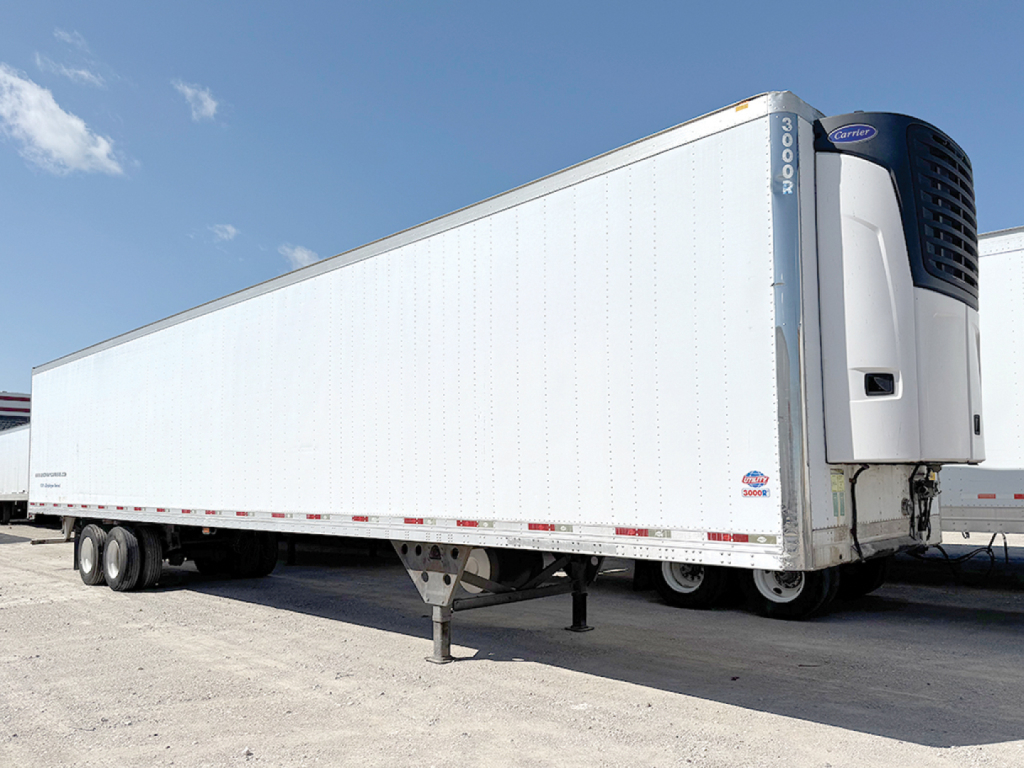
Have 2008 utility trailer to sell? List it here to reach thousands of buyers.
About 2008 Utility Trailers in Texas
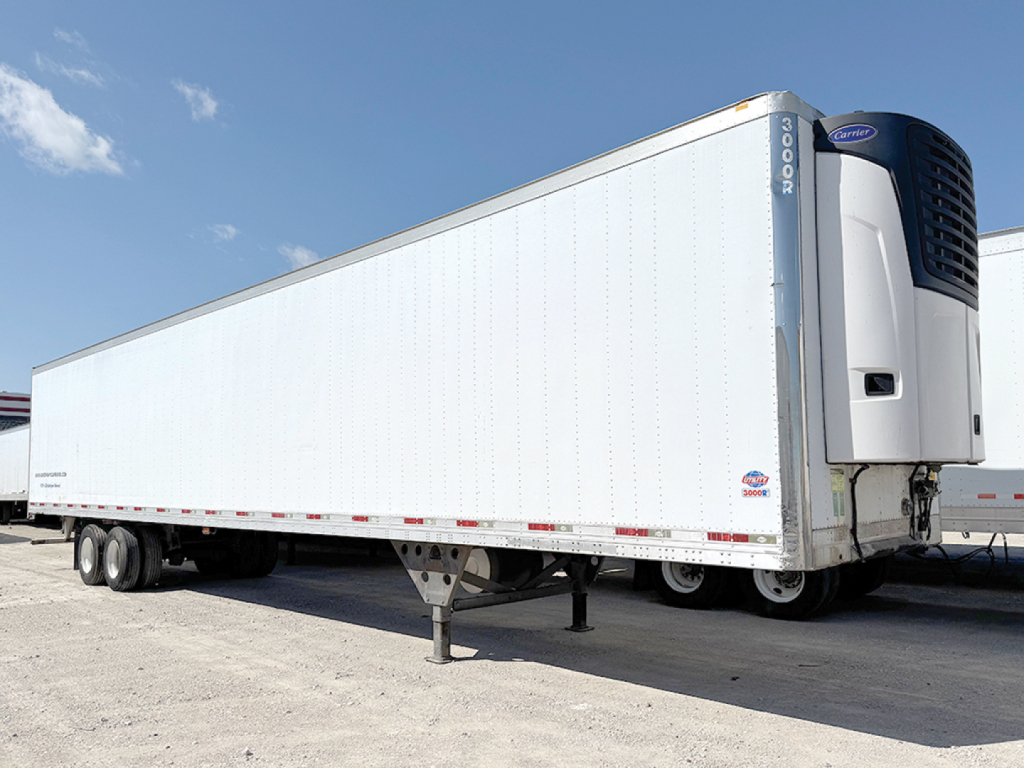
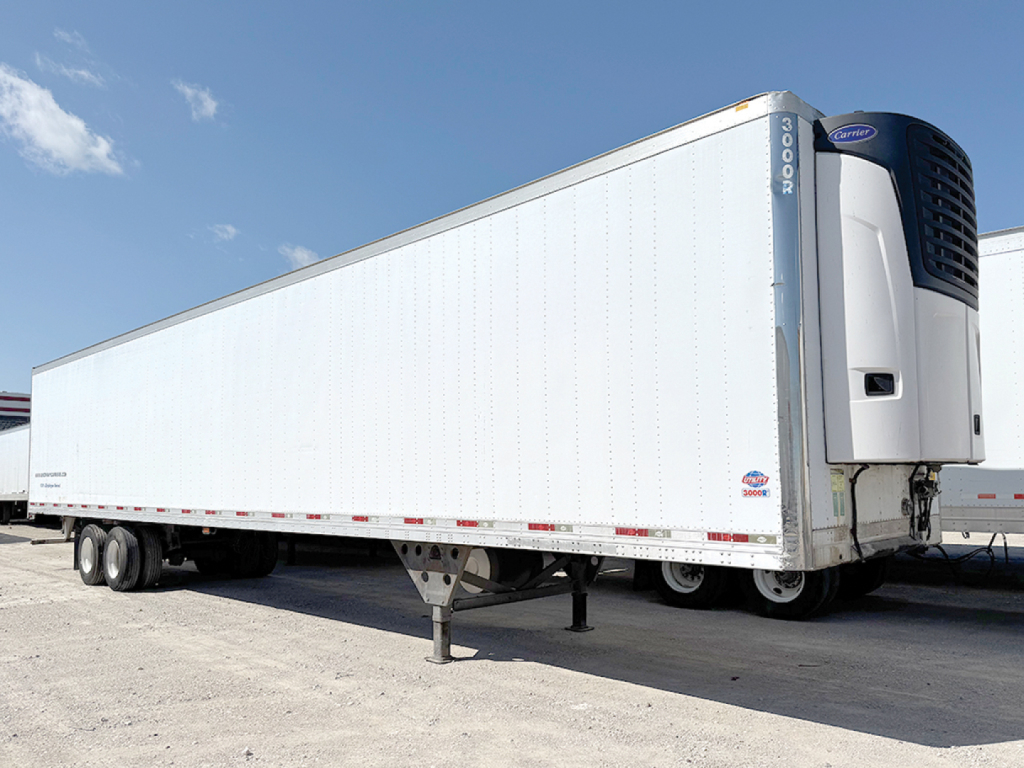
For refrigerated applications, many buyers search 2008 Utility reefer trailers by the 3000R platform or similar insulated configurations. Key checkpoints include the reefer unit hours, evaporator and condenser condition, chute integrity, door seals, scuff liner wear, and the state of the duct or aluminum floor. Interior height, insulation performance, and air delivery matter if the trailer will handle produce, dairy, frozen food, or multi-stop grocery work in Texas heat. Swing doors, stainless front radius panels, stainless door frames, and air ride suspension are common features seen on Utility reefers and can add durability in heavy loading cycles.
For open-deck work, 2008 Utility flatbed trailers remain relevant because Utility built many lightweight aluminum and aluminum-steel composite platforms that balance payload and durability. Buyers should look closely at crossmembers, the condition of the aluminum floor, nail strips, winch track wear, and whether the trailer has a coil package or spread axle setup. A 48-foot by 102-inch flatbed is common, and axle spacing, tire size, and suspension type will affect bridge compliance, ride quality, and maintenance cost. In Texas, flatbed buyers also tend to pay attention to deck condition from oilfield, steel, or building material service, since concentrated loads can expose fatigue points.
A 2008 trailer should be evaluated as a working asset, not just an age class. Check for repair history, prior fleet maintenance, brake type, wheel-end condition, lighting updates, and current DOT readiness. If the trailer has sliding tandems, confirm rail and pin operation. If it is a reefer, verify unit service records and run-test cooling performance under load. If it is a flatbed, inspect securement equipment and landing gear operation. Utility trailers from this era can still be productive in regional and over-the-road service when the specification matches the job and the trailer has been maintained with discipline.
Frequently Asked Questions
What should I inspect first on a 2008 Utility trailer?
Start with the structural items that are expensive to correct. Inspect the main rails, crossmembers, floor, rear frame, suspension, axle alignment, brakes, and wheel ends. On reefer trailers, add the refrigeration unit, insulation performance, door seals, and interior liner condition. On flatbeds, pay close attention to deck wear, winch track condition, and evidence of concentrated load damage. A clean title and a recent PM record help, but physical condition is the real decision point on a trailer of this age.
Are 2008 Utility reefer trailers still practical for food-grade service?
They can be, but only if the box and reefer unit still meet the temperature control and sanitation standards required by the freight. Buyers should verify unit hours, service history, pull-down performance, floor and chute condition, and the integrity of the interior lining and door seals. Older reefer trailers can still perform well in regional service, cold storage shuttles, or dedicated lanes, but deferred maintenance shows up quickly in fuel use, temperature stability, and rejected loads.
What are common specs on older Utility flatbed trailers?
Many older Utility flatbeds are 48 feet long and 102 inches wide, with aluminum or aluminum-steel composite construction designed to reduce tare weight. Common features include nail strips, sliding winch tracks, coil packages, air ride suspension, and either tandem or spread axle configurations. The exact setup matters because it affects payload, securement flexibility, ride quality, and how well the trailer fits steel, machinery, lumber, or general construction freight.
Why do buyers still look for Utility trailers in the used market?
Utility has long been a recognized fleet trailer manufacturer, so used buyers are often attracted to the brand's broad service familiarity, durable construction, and established parts support. That does not mean every older Utility trailer is a good buy, but it does mean technicians, fleets, and owner-operators usually know what they are looking at. That familiarity can simplify inspections, repairs, and resale compared with lesser-known trailer brands.
Does Texas use change what matters when buying a used Utility trailer?
Yes. Texas buyers often put extra emphasis on heat exposure, tire condition, air system integrity, reefer cooling performance, and suspension wear from long highway miles and heavy regional freight. For flatbeds, deck and frame condition matter if the trailer has seen oilfield, steel, or construction service. For reefers, strong insulation, door seal condition, and a healthy refrigeration unit are especially important because high ambient temperatures expose weak components quickly.