
2008 Utility Reefer Trailers For Sale in Texas
Shop 2008 Utility reefer trailers in Texas. Compare 48-foot and 53-foot specs, reefer units, floors, suspension, doors, and trailer condition.
Learn more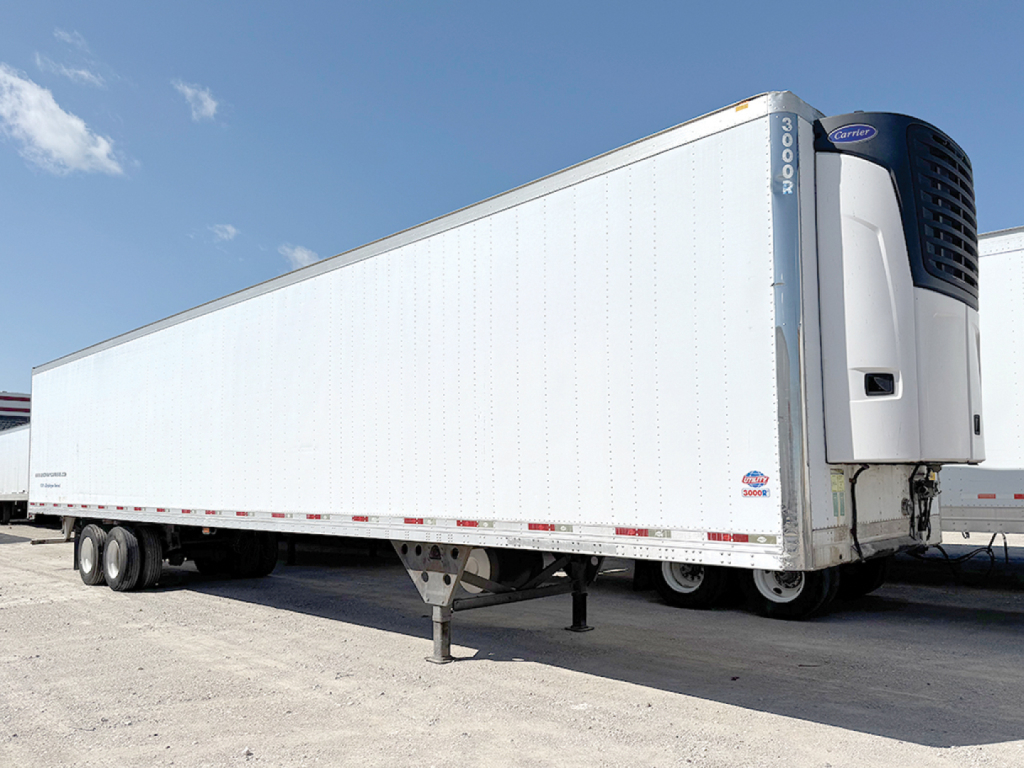
Have 2008 utility reefer trailer to sell? List it here to reach thousands of buyers.
About 2008 Utility Reefer Trailers in Texas
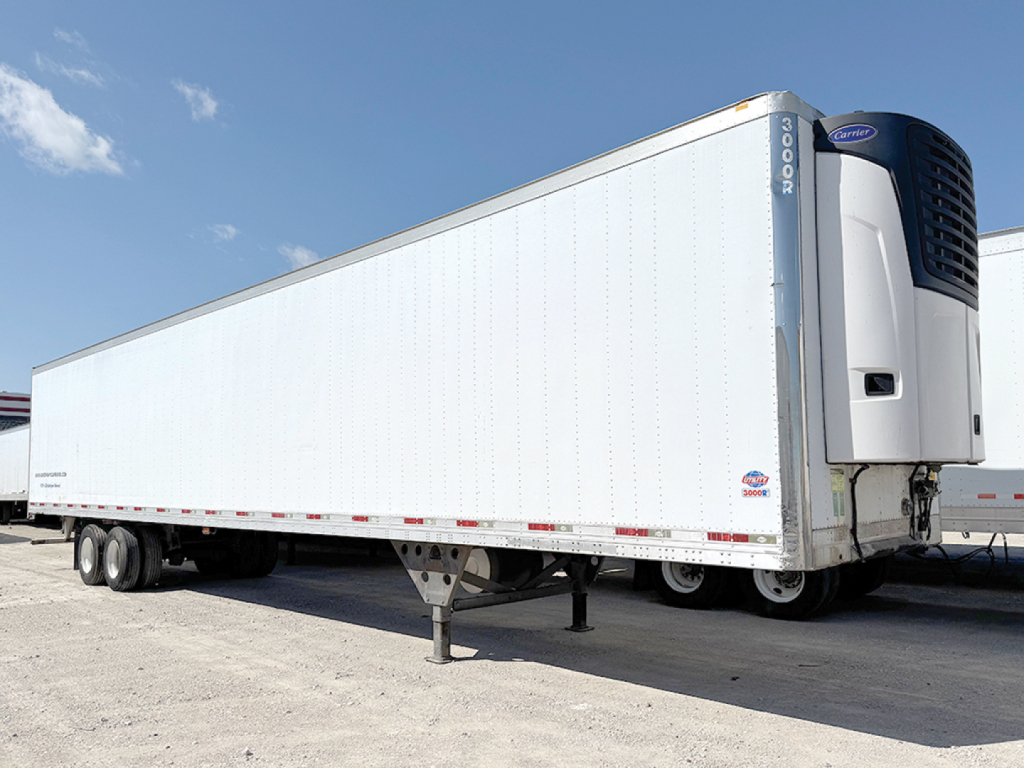
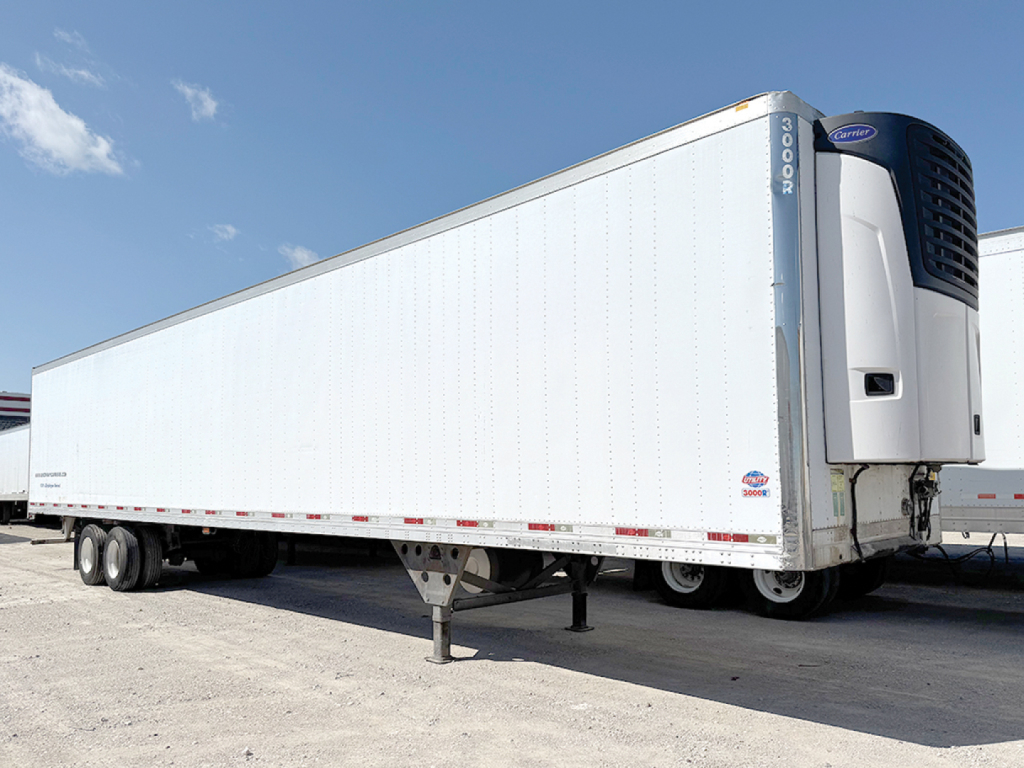
Common configurations include 48-foot and 53-foot vans, usually 96 or 102 inches wide and 13 feet 6 inches tall, with sliding tandem suspensions to help with bridge law and dock positioning. Utility reefer trailers from this era are often built with aluminum floors or duct floors, stainless steel front radius panels, and stainless door frames to handle washdowns and reduce corrosion. Air ride suspension is generally preferred for food-grade and delicate freight, while swing doors and roll-up doors each have tradeoffs. Swing doors usually seal better and preserve cubic capacity, while roll-up doors can speed up multi-stop unloading and reduce dock interference.
The reefer unit itself is the make-or-break component on a used refrigerated trailer. Buyers should check whether the trailer carries a Carrier or Thermo King unit, then verify engine hours, service records, fuel tank condition, start-stop operation, defrost performance, and pull-down ability under load. On a 2008 model, inspect the front wall, roof, and floor for moisture intrusion, repaired punctures, delamination, and soft spots that can compromise temperature control. Interior details such as E-track, scuff liners, scuff plates, and a cold chute can add value depending on the freight mix. A clean interior with solid lining and a straight floor usually tells you as much about prior care as the odometer equivalent on the unit.
For Texas buyers, reefer trailer selection often comes down to lane length, commodity type, and maintenance strategy. A 53-foot Utility reefer typically fits high-cube grocery, distribution, and long-haul produce work, while a 48-foot trailer can still make sense for regional operations, older dock layouts, or specific contract freight. Pay attention to tire size, wheel type, brake spec, and any tire inflation system, since those items affect operating cost and downtime. If the trailer will be used for continuous food service or supermarket work, look hard at door cycle wear, floor wear at the threshold, and how well the unit holds setpoint in high ambient temperatures.
Frequently Asked Questions
What should I inspect first on a 2008 Utility reefer trailer?
Start with the refrigeration unit, the trailer body, and the floor. Confirm the reefer unit model, engine hours, maintenance history, and whether it reaches and holds set temperature properly. Then inspect the front wall, roof, and door frame for leaks or impact repairs, and check the floor for soft spots, broken welds, or heavy wear at the threshold. On an older reefer, structural condition and temperature integrity matter more than cosmetics.
Is a 48-foot or 53-foot Utility reefer trailer better for Texas operations?
A 53-foot reefer is usually the better fit for general food distribution, produce, and higher-volume truckload freight because it offers more cube and broader shipper acceptance. A 48-foot reefer can still work well for regional service, older facilities with tighter dock space, or dedicated lanes where trailer length is not a limiting factor. The right choice depends on customer requirements, commodity density, and how often the trailer will be loaded to maximum cube versus maximum weight.
Are Utility reefer trailers known for good resale value?
Utility reefer trailers generally hold value well because the brand has strong market recognition and a large installed base in refrigerated freight. Buyers are familiar with Utility construction, parts support, and common repair practices. Resale still depends heavily on reefer unit condition, trailer age, floor and wall integrity, and whether the trailer has desirable specs like air ride, sliding tandems, duct flooring, and food-service-friendly interior equipment.
What floor and door options matter most on a used reefer trailer?
Floor design affects airflow, durability, and how the trailer handles pallets and lift truck traffic. Aluminum flat floors are common and easy to service, while heavy-duty duct floors can improve air circulation for certain refrigerated loads. For doors, swing doors usually provide a tighter seal and full rear opening, while roll-up doors can be useful for frequent stops and dock operations. The best setup depends on whether the trailer is used for long-haul full loads, multi-stop delivery, or mixed freight.
How important is reefer unit history on a 2008 model?
It is critical. On a trailer of this age, unit hours, maintenance intervals, and repair history can determine whether the trailer is a workable asset or an immediate expense. Review records for compressor work, engine service, evaporator condition, defrost issues, and controller faults. A well-maintained older reefer unit can still be productive, but missing records and poor pull-down performance should be treated as major risk factors.