
2008 Utility Trailers For Sale
Shop 2008 Utility trailers for sale, including dry van and reefer models known for durable construction, air ride options, and fleet-ready specs.
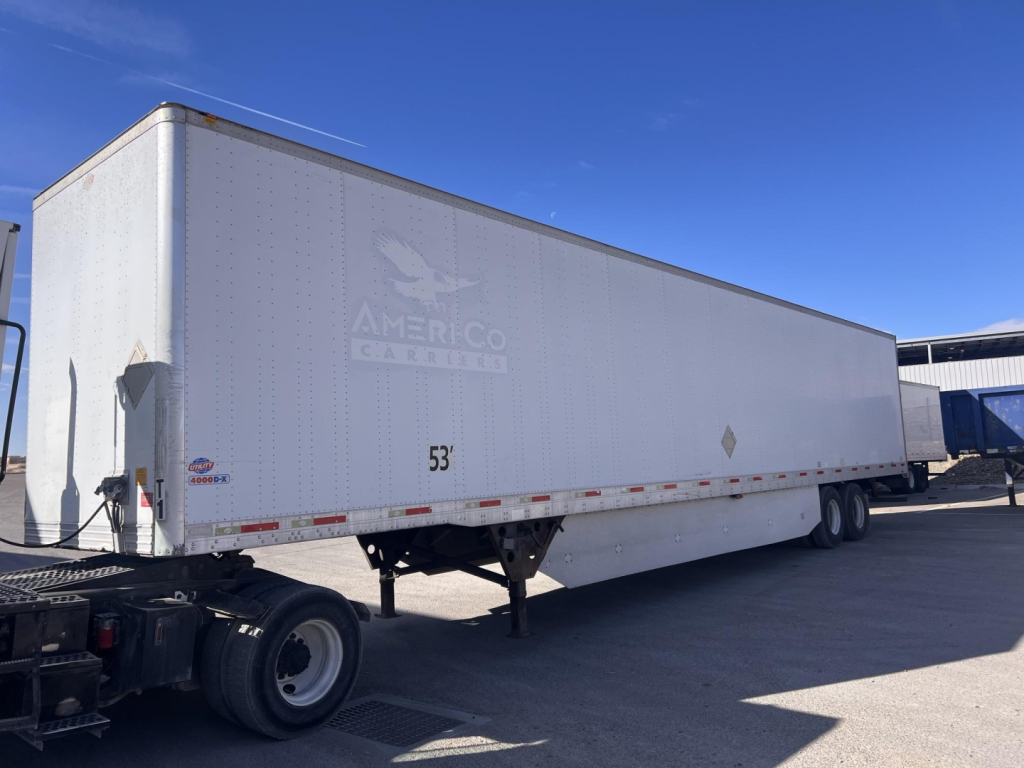
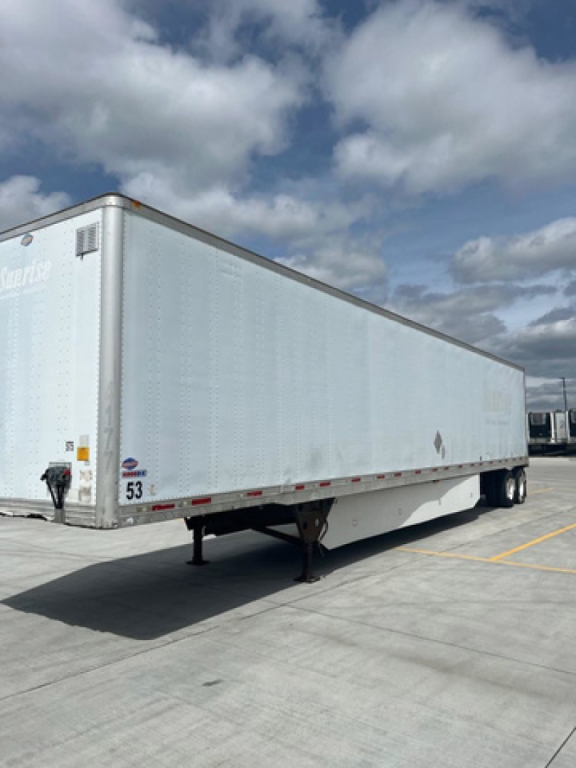
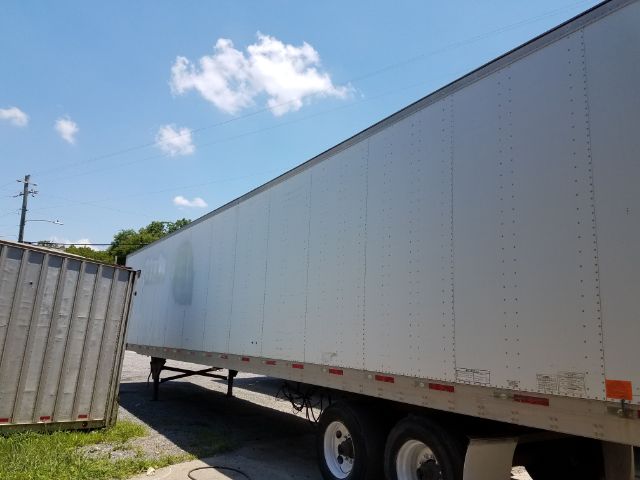
Selling a 2008 utility trailer? List your 2008 utility trailer for sale and reach thousands of commercial buyers.
2008 Utility Trailers
Condition matters more than badge alone on a 2008 trailer, so the key buying decisions usually come down to structural integrity and maintenance history. Check crossmembers, floor wear, threshold condition, rear frame area, roof bows, side posts, and door hardware for signs of hard dock use or water intrusion. Suspension type, axle alignment, brake condition, tire age, and wheel material also affect operating cost. Many Utility vans from this era were ordered with fleet-friendly specs such as steel or aluminum wheels, slider tandems, and tire inflation systems, all of which can still add value if they have been maintained properly.
If you are looking at a 2008 Utility reefer trailer, the refrigeration unit deserves as much attention as the trailer body. Unit hours, engine hours, service records, evap and condenser condition, floor type, insulation integrity, and door seal condition all directly affect performance. Utility reefers are common in grocery, produce, frozen food, and pharmaceutical lanes because the platform is well accepted across commercial fleets. A reefer from this model year can still be a useful asset for regional or seasonal work, but buyers should confirm unit operation, temperature pull-down, fuel system condition, and any compliance requirements that apply in their operating area.
Utility trailers from this period remain attractive because they are familiar to drivers, easy for shops to evaluate, and common enough that resale and repair planning are straightforward. The best fit depends on the freight. A dry van is the standard choice for boxed, palletized, and dock-loaded cargo, while a refrigerated trailer adds temperature control for perishable or sensitive loads. For many buyers, a 2008 Utility trailer makes sense as a cost-controlled way to add capacity, provided the trailer has solid maintenance documentation and a current condition that matches the intended duty cycle.
Frequently Asked Questions about 2008 Utility Trailers
What should I inspect first on a 2008 Utility trailer?
Start with the structure and running gear. On a 2008 Utility trailer, buyers should closely inspect the frame, crossmembers, floor, rear frame, roof, sidewalls, suspension, brakes, and tandem assembly before focusing on cosmetic condition. Signs of floor rot, cracked crossmembers, worn suspension components, or poor tire wear can indicate deferred maintenance and higher near-term repair cost. If it is a reefer, add the refrigeration unit, insulation, door seals, and temperature performance to the top of the list.
Are 2008 Utility trailers still a good choice for fleet or owner-operator use?
They can be, if the trailer has been maintained correctly and the spec matches the application. Utility trailers have a strong reputation in dry van and refrigerated service, and many fleets are familiar with their parts, construction, and repair practices. A 2008 model is generally best suited to buyers who prioritize lower acquisition cost and can evaluate condition carefully. The trailer's actual value depends more on maintenance history, structural condition, and remaining service life than on age alone.
What are the common types of 2008 Utility trailers?
The most common types are dry van trailers and refrigerated trailers, often called reefers. Utility dry vans are used for general freight, palletized shipments, and retail distribution. Utility reefer trailers are used for temperature-controlled cargo such as food, produce, and other perishable products. Many units from this era were configured as 53-foot trailers with 102-inch width, tandem axles, and air ride suspension.
How important is the refrigeration unit on a 2008 Utility reefer?
It is critical, because the reefer unit can represent a large share of the trailer's functional value and repair risk. Buyers should verify total unit hours, maintenance records, temperature hold, pull-down performance, and the condition of major components such as the evaporator, condenser, and fuel system. A sound trailer body with a weak refrigeration unit can quickly become expensive to own. For reefer service, unit condition should be treated as a primary buying factor, not a secondary one.
What specs add value on a used 2008 Utility trailer?
Useful value-added specs include air ride suspension, slider tandems, tire inflation systems, aluminum wheels, plated configurations, and well-maintained swing or roll door setups depending on the operation. On dry vans, a solid floor, straight body, and watertight roof matter more than appearance. On reefers, durable interior lining, good door seal condition, and a clean, documented refrigeration unit are especially important. The best specs are the ones that reduce downtime, fit your lanes, and keep maintenance predictable.