
2008 Utility Van Trailers For Sale
Shop 2008 Utility van trailers. Compare dry van specs, dimensions, suspension, doors, floors, and maintenance points for freight use.
Have 2008 utility van trailer to sell? List it here to reach thousands of buyers.
2008 Utility Van Trailers
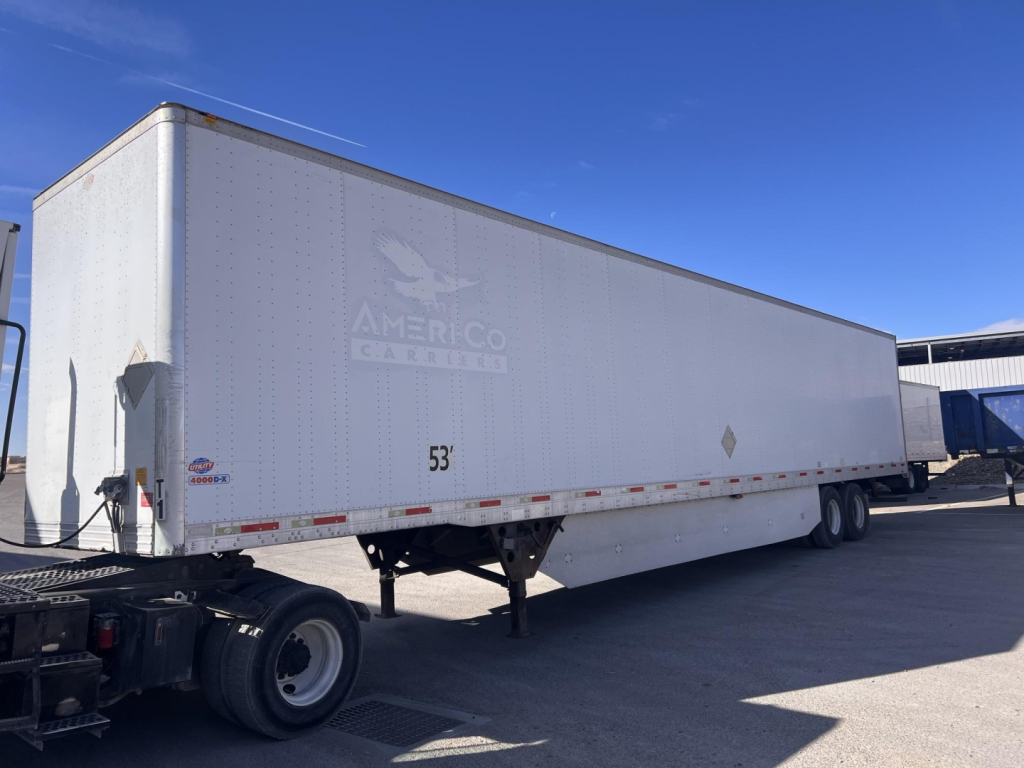
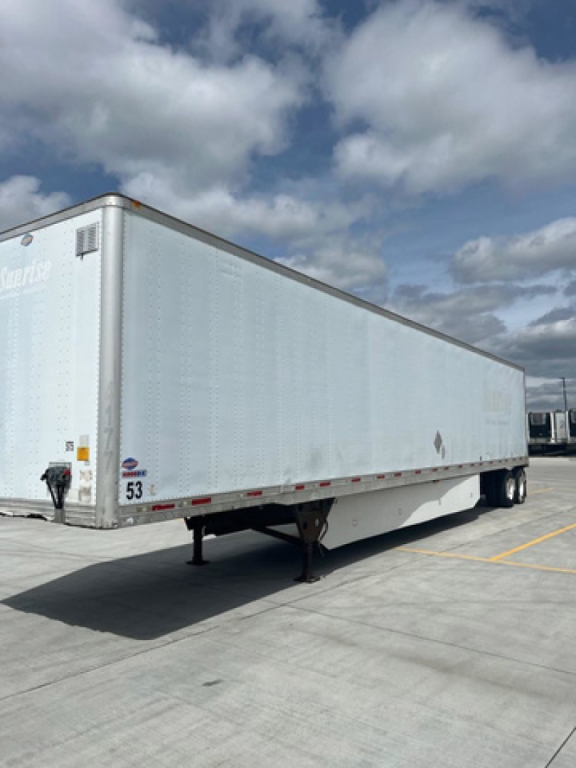
Most 2008 Utility van trailers in the market will be 53-foot by 102-inch dry vans with swing doors, tandem axles, and either a fixed tandem or sliding tandem setup. Buyers should confirm kingpin setting, axle spread, and suspension type because those details affect bridge compliance, dock approach, and fleet interchange flexibility. Common specs include air ride suspension, 22.5-inch wheels, aluminum roof construction, wood floors, logistic posts, and scuff liners or wearbands along the lower wall. Aluminum wheels and side skirts may appear on some units, but the priority on an older trailer is how well the roof, crossmembers, rear frame, and threshold plate have held up under real freight use.
Floor and door condition matter more on a 2008 dry van than many first-time buyers expect. A wood floor that has seen heavy forklift traffic can hide soft spots, fastener issues, or patched sections near the nose and rear entry. Rear swing doors should seal tightly, close square, and show no major hinge cracking or frame distortion. Check the inside walls for delamination, punctures, or repairs around logistic tracks and posts. If the trailer has composite wall panels, inspect for prior impact damage and signs of water intrusion. At the chassis level, pay close attention to slider rails, bogie locking pins, suspension bushings, brake condition, ABS function, and tire wear patterns that can point to alignment or axle issues.
For many operators, a 2008 Utility van trailer still fits regional lanes, dedicated contract freight, storage use, or trailer pools where cube and weather protection matter more than the latest aerodynamic package. Buyers hauling heavier palletized freight should verify floor rating, crossmember spacing, and overall empty weight. Fleet buyers may also want to compare door hardware, roof type, tire inflation systems, and repair history for standardization across multiple trailers. A well-maintained Utility van from this era can still be a practical revenue trailer, but the best value comes from matching the trailer's current condition and spec to the freight, loading method, and compliance needs of the operation.
Frequently Asked Questions about 2008 Utility Van Trailers
What should I inspect first on a 2008 Utility van trailer?
Start with the floor, roof, rear frame, suspension, brakes, and slider assembly. On a trailer from this model year, structural wear and maintenance history matter more than cosmetic appearance. Look for soft or patched flooring, roof leaks, cracked rear door frames, worn bushings, damaged crossmembers, and uneven tire wear. These areas usually tell you faster than paint or panel condition how much service life the trailer has left.
Are most 2008 Utility van trailers 53-foot dry vans?
Yes. Most units in this category are 53-foot by 102-inch dry van trailers built for general freight and dock loading. Many will have tandem axles, rear swing doors, and either a sliding tandem or closed tandem configuration. Exact specs still vary, so buyers should confirm kingpin setting, interior height, suspension type, and door opening dimensions before assigning a trailer to a specific lane or customer.
How important is a sliding tandem on a used Utility dry van?
A sliding tandem can be very important for bridge law compliance, weight distribution, and customer dock requirements. It gives the trailer more flexibility across different states and freight mixes. On an older trailer, however, the slider must be inspected carefully. Rails, locking pins, air lines, and the slider box itself can wear over time, and a neglected slider can become a reliability and safety issue.
What freight is a 2008 Utility van trailer best suited for?
This trailer type is best suited for dry palletized freight, packaged consumer goods, retail loads, paper products, and other cargo that needs full weather protection. It is also commonly used in regional distribution, drop-and-hook operations, and trailer storage applications. The fit depends on floor condition, interior wall condition, and cube requirements. Heavy concentrated loads should only be hauled after confirming floor strength and overall chassis integrity.
Do older Utility van trailers still have good parts and service support?
In most cases, yes. Utility dry vans are common in the market, and many service parts for brakes, suspension, doors, lights, wheels, hubs, and trailer running gear remain widely available through major aftermarket and fleet service channels. Support is usually less about the brand and more about the specific components installed on the trailer, so it helps to verify axle, brake, suspension, and ABS component brands during inspection.