
1998 Utility Trailers For Sale in Texas
Shop 1998 Utility trailers for sale in Texas, including reefer and van configurations with proven aluminum construction and fleet-friendly specs.
Learn more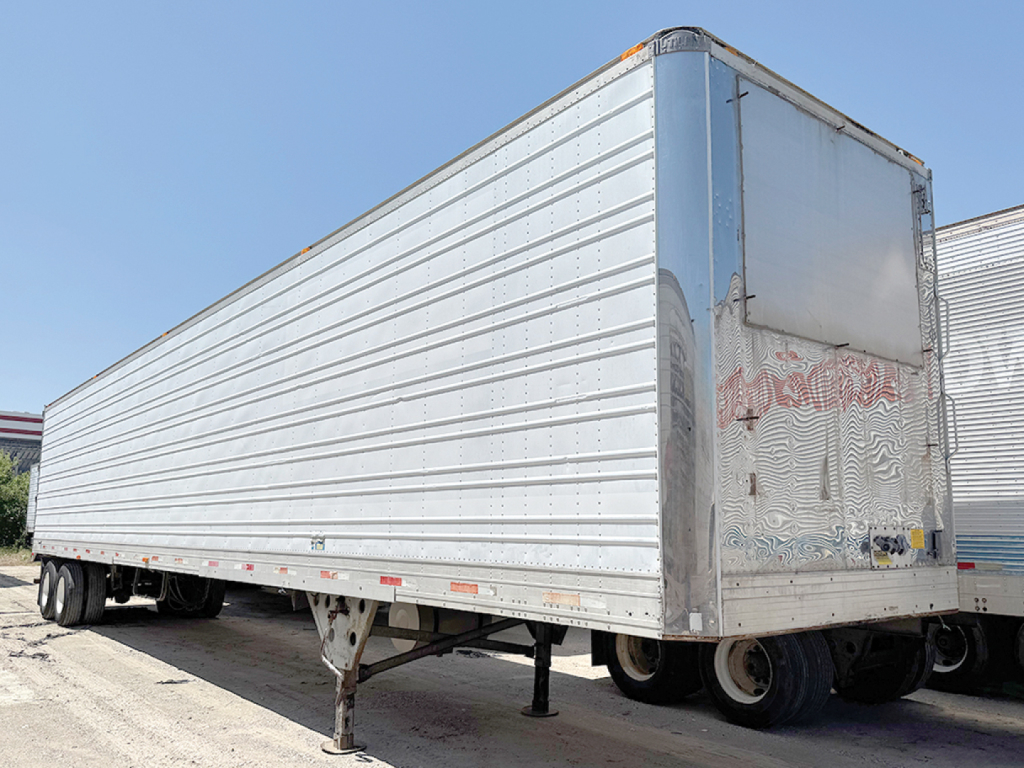

Have 1998 utility trailer to sell? List it here to reach thousands of buyers.
About 1998 Utility Trailers in Texas
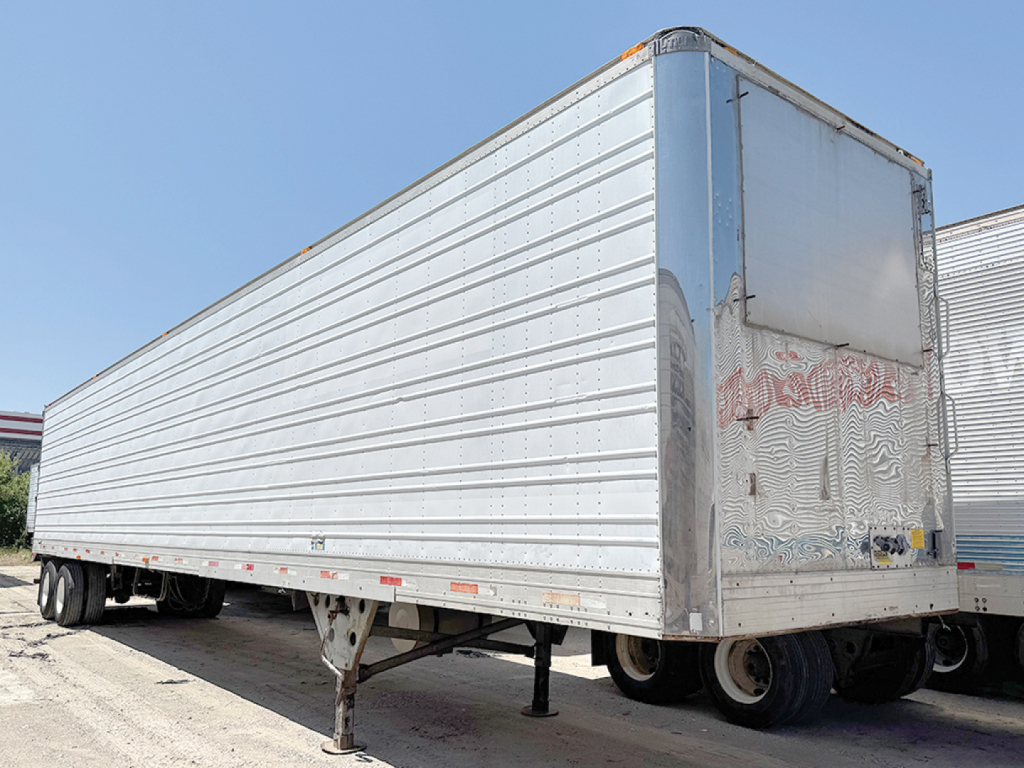
For refrigerated applications, a 1998 Utility reefer trailer should be evaluated beyond the box itself. Many older reefers are sold with or without the refrigeration unit, so buyers need to confirm whether the trailer is a complete cold-chain package or a box ready for repower. Key details include inside height, floor condition, scuff liner or scuff plate coverage, E-track layout, cold chute presence, door seal condition, and the integrity of the insulated sidewalls and roof. Swing doors remain common on this vintage, and a heavy-duty floor is a plus for mixed freight, beverage, and pallet jack traffic. If the trailer will run produce lanes, grocery distribution, or temperature-sensitive LTL, pay close attention to air leaks, floor rot, and previous patchwork around the front wall and evaporator area.
Suspension and running gear matter as much as the body on a 1998 Utility trailer. Air ride suspension and sliding tandems are desirable because they improve ride quality, help with axle weight adjustment, and make the trailer more flexible across different state bridge laws and loading patterns. Wheel end condition, brake type, tire size, and tire age should all be verified, especially on older trailers that may have seen multiple owners or uneven maintenance intervals. Utility trailers from this period often appeal to buyers who already have shop support and want a serviceable trailer for dedicated lanes, storage, local delivery, or backup capacity. In Texas, sun exposure and heat cycling can accelerate wear on seals, wiring, roof components, and reefer insulation, so a careful structural inspection is worth more than cosmetic appearance.
Buyers comparing 1998 Utility trailers should focus on legal payload, structural soundness, and intended use rather than model year alone. Crossmember condition, rear frame integrity, landing gear operation, tandem slider function, and kingpin plate wear will tell you more than paint or decals. For reefer buyers, confirm unit compatibility, fuel tank setup if equipped, and current temperature performance. For dry freight use, dock alignment, floor life, and door hardware condition tend to drive day-to-day uptime. A well-maintained 1998 Utility trailer can still be a practical commercial asset when the spec matches the route, commodity, and maintenance plan.
Frequently Asked Questions
What should I inspect first on a 1998 Utility reefer trailer?
Start with the structural and temperature-control basics. Check the front wall, roof, sidewalls, floor, and rear frame for damage, delamination, corrosion, or poor repairs. Then verify whether the refrigeration unit is included, operational, and capable of holding the required temperature under load. Door seals, the cold chute, scuff liners, drain condition, and floor wear are especially important on older reefer trailers because small issues in those areas can turn into major efficiency or cargo-claim problems.
Are 1998 Utility trailers still good for commercial use in Texas?
They can be, if the trailer has been maintained and the intended application fits the age and spec. Many older Utility trailers continue to perform well in regional hauling, warehouse shuttles, produce lanes, local refrigerated delivery, and storage service. Texas heat makes condition more important than model year, so insulation quality, roof integrity, tire condition, brake health, and suspension wear should be reviewed closely before purchase.
Is a sliding tandem important on a 1998 Utility trailer?
Yes, a sliding tandem adds flexibility for weight distribution and bridge compliance. It allows the trailer to be adjusted for different freight patterns, loading dock setups, and state axle requirements. On an older trailer, the slider should move freely and lock correctly, since seized rails, worn pins, or damaged slider components can limit usability and add repair expense.
What is the difference between buying an older reefer trailer with a unit and one sold less unit?
A trailer sold with a refrigeration unit may be ready for temperature-controlled service if the unit is in good working condition, but it also adds another major component to inspect and maintain. A trailer sold less unit can still be attractive if the box, insulation, and floor are sound and the buyer plans to repower it or use it for non-refrigerated storage. The right choice depends on whether immediate cold-service capability is required and whether the cost of installing or replacing a unit makes sense for the operation.
What specs are most common on a 1998 Utility trailer?
Common specs include 53-foot length, 102-inch width, 13-foot 6-inch overall height, aluminum construction, air ride suspension, and sliding tandem axles. Reefer trailers from this era often include swing doors, heavy-duty floors, scuff plates or liners, and logistics track such as E-track. Exact specifications vary by original build and application, so buyers should confirm VIN-based details and inspect the actual trailer rather than relying only on generic model descriptions.