
1998 Utility Reefer Trailers For Sale in Texas
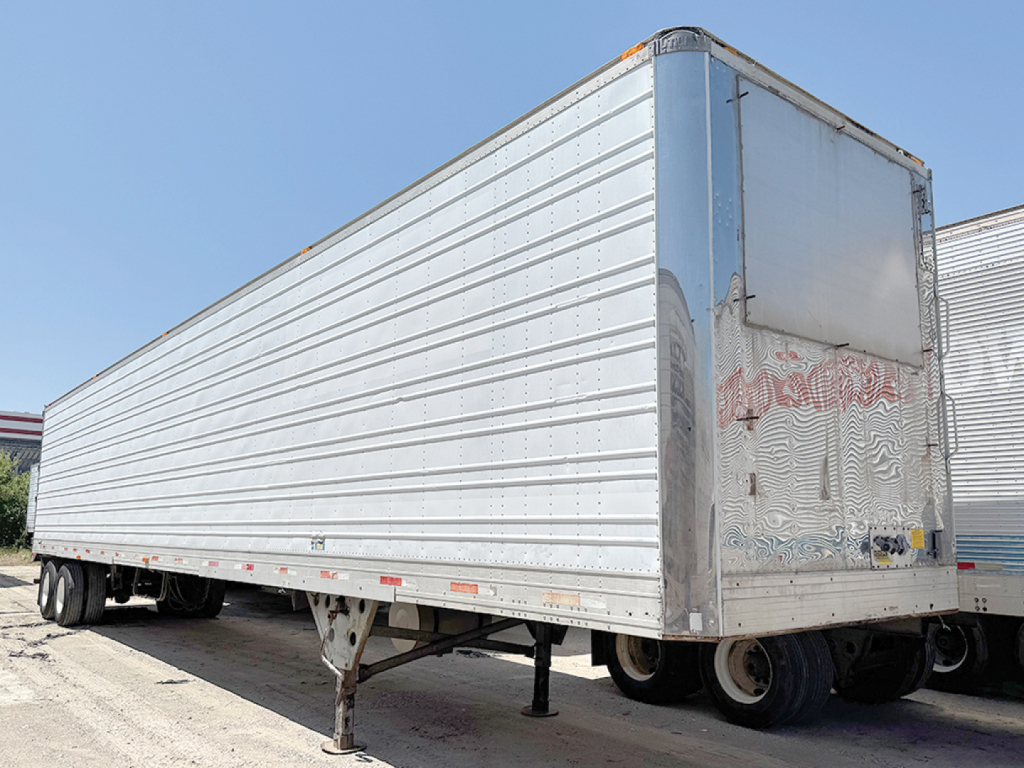
Browse 1998 Utility reefer trailers for sale in Texas. Compare insulated van specs, reefer unit setup, suspension, floor type, and door options.
Learn more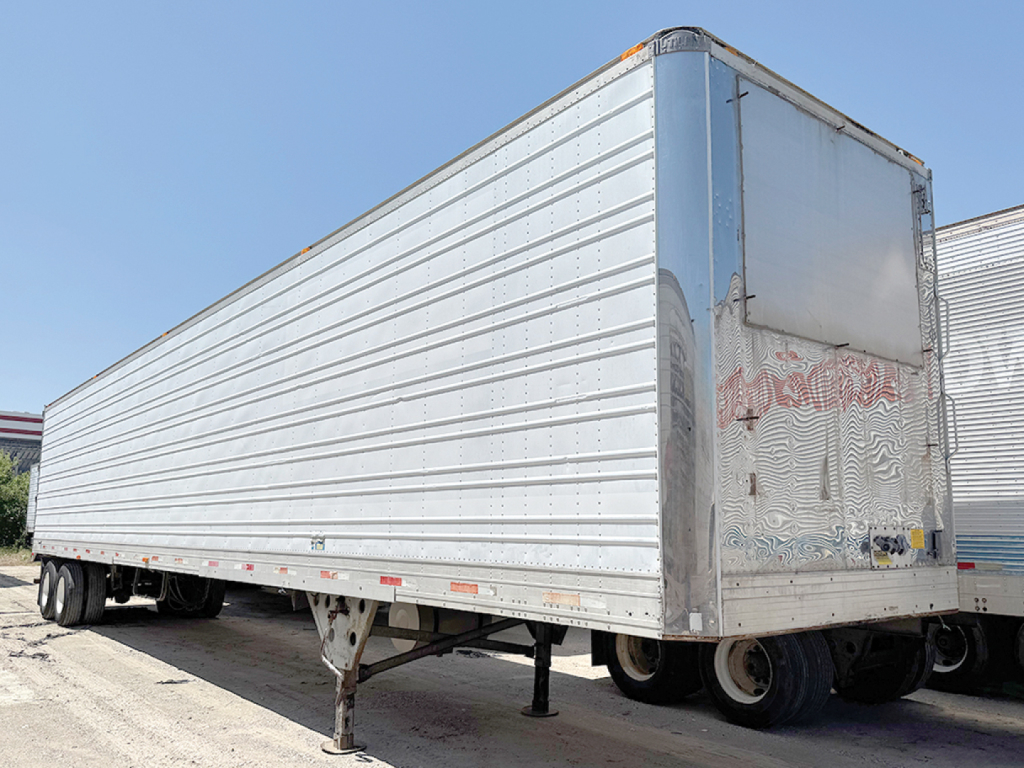

Have 1998 utility reefer trailer to sell? List it here to reach thousands of buyers.
About 1998 Utility Reefer Trailers in Texas
Floor design matters as much as the reefer unit. Many Utility reefers use an aluminum duct floor to maintain airflow under the load, which is important for frozen and chilled freight that depends on even temperature recovery. Flat floors can work well for certain palletized applications, but they do not move air the same way as a duct floor. Interior spec is also worth checking closely, including scuff liners or scuff plate, E-track, load securement points, and the condition of the front wall, ceiling, and door seals. Roll-up doors can help in multi-stop distribution, while swing doors are often preferred for full-load freight because they seal well and keep the rear opening clear.
On a 1998 Utility reefer trailer, running gear and chassis condition usually drive total cost more than brand name alone. Air ride suspension is common and generally preferred for ride quality and cargo protection, though some older trailers may have spring suspension. Sliding tandems remain important in Texas and across multi-state operations where bridge law compliance and dock positioning matter. Check crossmembers, rear frame, threshold, landing gear mounts, and kingpin area for repairs or corrosion. Tire size, wheel type, brake condition, and the presence of features like a tire inflation system can affect operating cost immediately after purchase.
For Texas buyers, an older Utility reefer can make sense when the trailer is being matched to a defined lane and commodity. Long idle times, hot ambient temperatures, and repeated door openings put extra demand on insulation, door hardware, and unit performance. A good candidate should have a sound insulated body, clean floor structure, tight door seals, and a reefer unit with verifiable service history if it is still installed. If the trailer is being used as a storage reefer, yard spotter trailer, or short-haul regional box, a 1998 model can still be practical if the structural condition is right and the refrigeration system matches the temperature range required.
Frequently Asked Questions
What should I inspect first on a 1998 Utility reefer trailer?
Start with the insulated body and refrigeration system, because those are the most expensive areas to correct. Inspect the front wall, roof, side panels, floor, door frame, door seals, and drain areas for damage, moisture intrusion, patchwork, or signs of insulation failure. If the trailer has a reefer unit installed, review engine hours, service records, temperature pull-down performance, and any history of major repairs. After that, move to the chassis, including suspension, brakes, tires, kingpin, crossmembers, and tandem assembly.
Are 1998 Utility reefer trailers still useful for commercial work?
Yes, many are still useful if the trailer is matched to the right application and has been maintained properly. Older reefers are often used in regional lanes, warehouse shuttle service, cold storage support, produce hauling, and yard storage applications. Their value depends less on age alone and more on structural condition, insulation integrity, floor type, and the status of the refrigeration unit. A sound older reefer can still perform well in shorter-haul or lower-duty operations.
What is better on an older reefer trailer: duct floor or flat floor?
A duct floor is generally better for loads that require consistent airflow under and around the pallets, especially frozen and tightly temperature-controlled freight. It helps the reefer unit circulate air through the body instead of only across the top of the load. A flat floor can be acceptable for some palletized products and may be easier in certain handling situations, but it does not provide the same airflow characteristics. The right choice depends on the commodity, loading pattern, and temperature requirements.
Do I need to worry about reefer unit availability on a 1998 trailer?
Yes. Some older Utility reefer trailers are sold with an operating Carrier or Thermo King unit, while others are sold less unit. That difference has a major effect on value and intended use. If the unit is missing, the trailer may still work for storage, dry freight conversion in limited cases, or a repower project, but adding or replacing a refrigeration unit can be a significant expense. Confirm the unit model, hours, operating condition, and parts support before making a decision.
What specs matter most when comparing Utility reefer trailers in Texas?
Focus on length, width, floor type, door style, suspension, tandem configuration, and reefer unit setup. In Texas, heat and long loading cycles make insulation quality, air leaks, and cooling performance especially important. A 48-foot or 53-foot trailer with air ride, sliding tandems, sound door seals, and a clean duct floor is often easier to place into regular refrigerated service. Also verify axle position, brake condition, tire condition, and overall trailer height to make sure the trailer fits your lanes and customer docks.