
1998 Utility Reefer Trailers For Sale
Shop 1998 Utility reefer trailers. Learn key specs, refrigeration unit concerns, floor and door options, and what to inspect before buying.
Learn more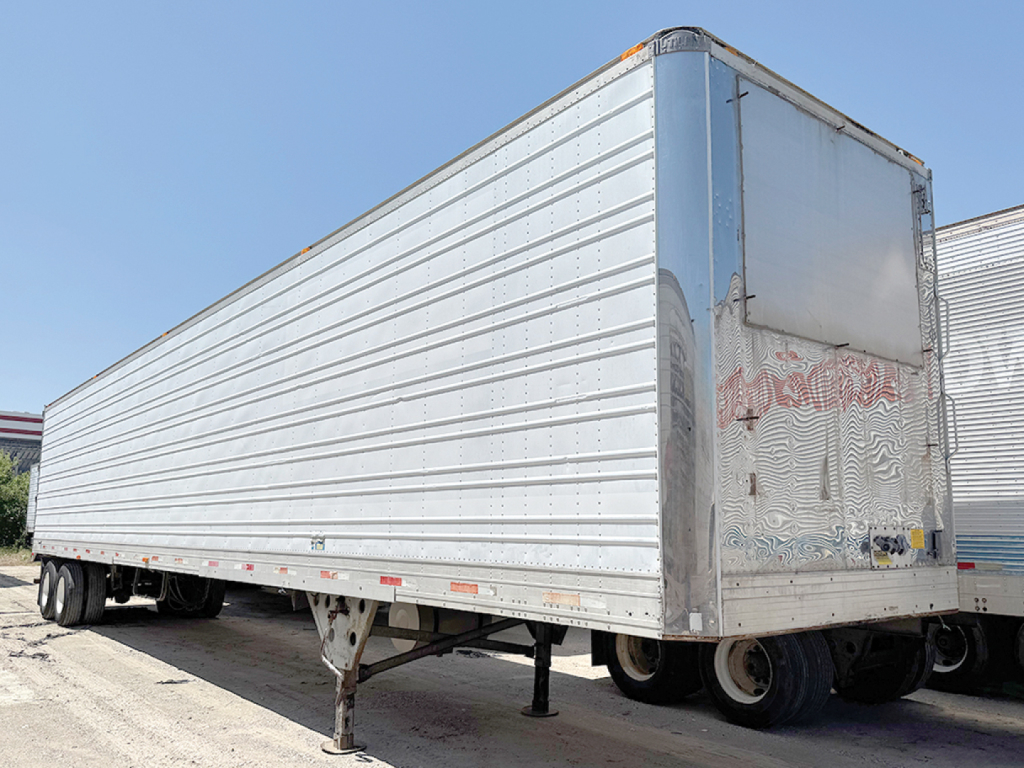

Have 1998 utility reefer trailer to sell? List it here to reach thousands of buyers.
About 1998 Utility Reefer Trailers
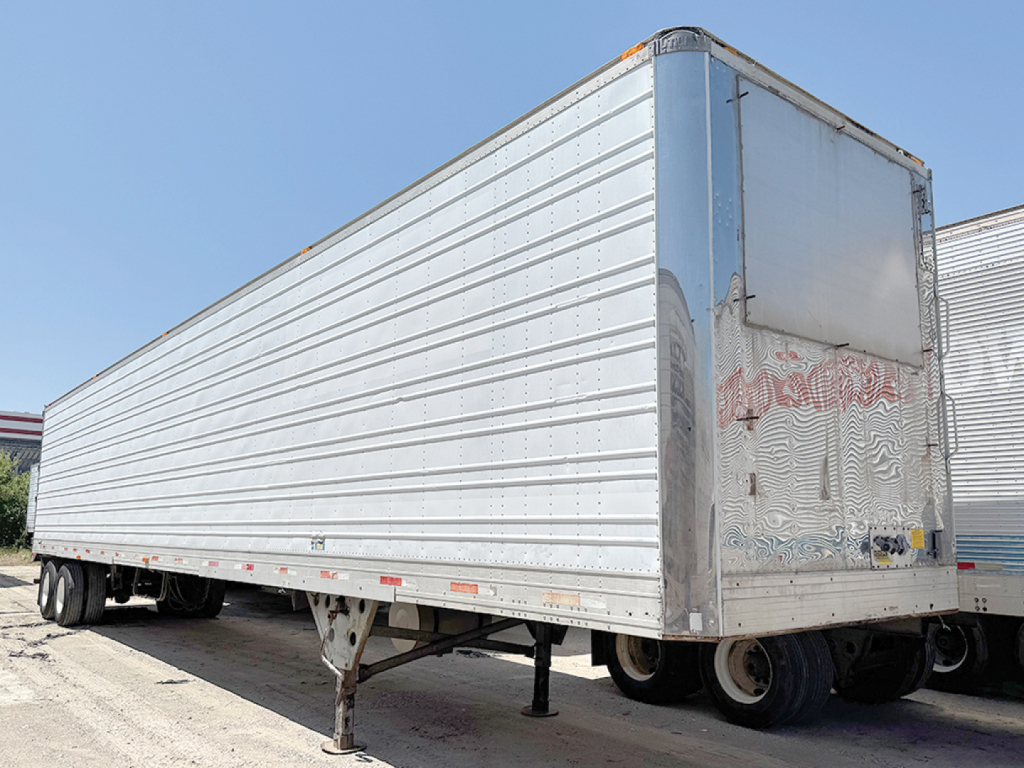
Most buyers in this category are looking for a 53-foot by 102-inch trailer with swing doors, air ride suspension, and a sliding tandem, although exact specs can vary. Utility reefer trailers are commonly paired with Carrier or Thermo King units, and on a 1998 trailer the refrigeration unit may have been replaced, repowered, or updated more than once over its life. That makes unit hours, maintenance records, pull-down performance, and operating temperature range more important than the trailer year by itself. Interior configuration also matters. Aluminum duct floors help preserve airflow under the load, while features like scuff liners, scuff plates, E-track, duct chutes, and interior bulkhead setups can make a trailer better suited for multi-stop or mixed-temperature work.
Older reefer buyers should inspect the trailer as both a van body and a refrigeration platform. Check for delamination, floor soft spots, patchwork around the front wall, corrosion at rear frames and door hardware, and signs of water intrusion around the evaporator area. Confirm the reefer starts cleanly, holds setpoint, and does not show excessive engine blow-by, chronic alarm history, or evidence of neglected PM intervals. Suspension type, brake condition, tire size, wheel material, and tandem slider operation all affect operating cost. If the trailer will run in produce, meat, or frozen lanes, pay close attention to air chute condition, door closure, and how well the body retains temperature during stop-and-go delivery cycles.
A 1998 Utility reefer trailer usually fits buyers who value lower acquisition cost and have the maintenance capability to keep an older refrigerated trailer productive. It can be a strong fit for seasonal harvest, dedicated short-haul refrigerated lanes, cold storage shuttles, or backup fleet duty. The right trailer in this class is not simply the cheapest one. It is the one with a healthy box, dependable refrigeration performance, and specifications that match the freight profile, loading pattern, and compliance needs of the operation.
Frequently Asked Questions
What matters most when buying a 1998 Utility reefer trailer?
The most important factors are the condition of the insulated trailer body and the health of the refrigeration unit. On a trailer of this age, buyers should prioritize a dry, structurally sound box, solid floor, good door seals, and a reefer unit with documented maintenance and acceptable operating hours. A well-kept older reefer can outperform a newer but poorly maintained trailer.
Can a 1998 reefer trailer still be used for food-grade freight?
Yes, if the trailer meets the shipper's standards and the interior is clean, sealed, and temperature-capable. Buyers should inspect interior liner condition, floor cleanliness, odor retention, scuff damage, and door gasket sealing. Many food-grade applications also depend on reefer performance records, washout condition, and the trailer's ability to hold temperature consistently through loading and delivery cycles.
Are reefer unit hours more important than trailer age?
In many cases, yes. The trailer year tells you the age of the box, but the reefer unit may have been replaced or rebuilt during the trailer's life. Unit hours, service intervals, alarm history, and actual pull-down and hold performance often tell more about near-term reliability than the trailer model year alone. Buyers should evaluate the box and the refrigeration unit as separate assets.
What floor and interior features should buyers look for on an older Utility reefer?
An aluminum duct floor is preferred for most refrigerated freight because it supports airflow under the pallets and helps the reefer maintain even temperatures. Buyers should also look for intact scuff liners or scuff plates, E-track if load securement flexibility is important, and a usable air chute for top-air distribution. Floor wear, crushed channels, and damaged interior lining can reduce both performance and resale value.
Is a 1998 Utility reefer trailer better for long-haul or regional work?
That depends on the trailer's current condition, reefer reliability, and the buyer's maintenance resources. Many older reefers are best suited to regional routes, dedicated lanes, storage support, or backup service where downtime risk is easier to manage. A well-maintained unit can still handle longer runs, but buyers should be realistic about repair exposure, parts availability, and the demands of strict temperature-sensitive freight.