
1998 Utility Trailers For Sale
Browse 1998 Utility trailers for sale, including dry van and reefer models known for lightweight construction, cargo protection, and fleet-ready specs.
Learn more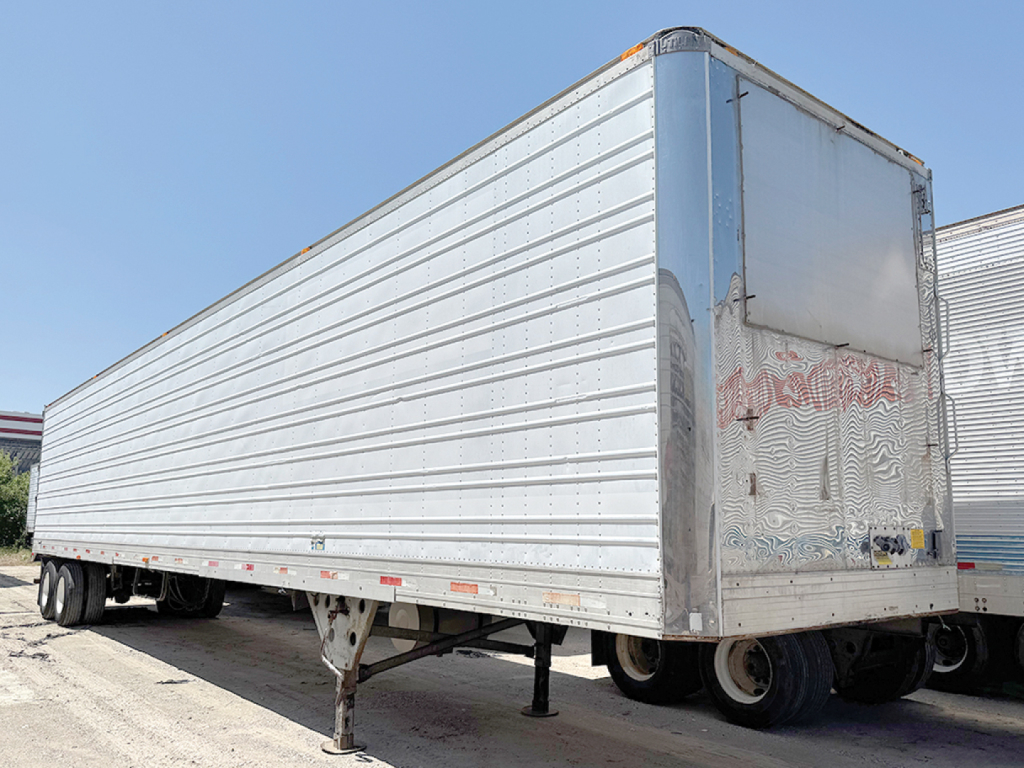
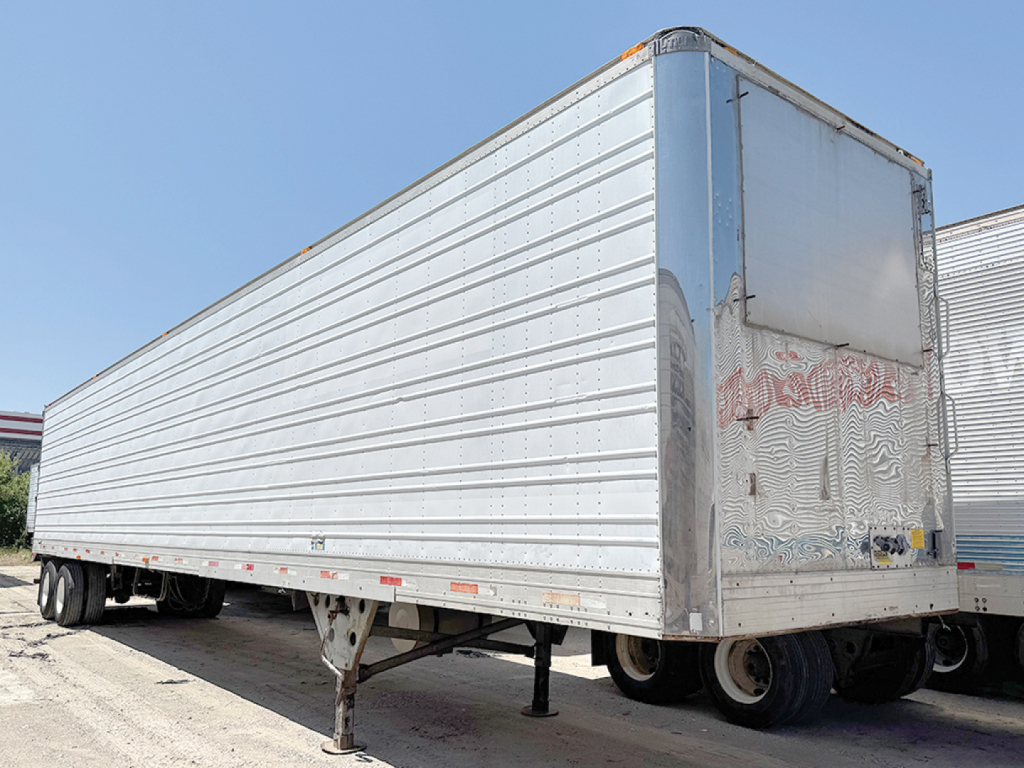

Have 1998 utility trailer to sell? List it here to reach thousands of buyers.
About 1998 Utility Trailers
For dry van applications, buyers usually look at floor condition, sidewall integrity, roof bow condition, rear frame wear, and the overall state of the doors and seals. Many Utility van trailers are known for lightweight aluminum designs, and common features can include scuff liners, wood floors, threshold plates, swing doors, sliding tandems, and air ride suspension. If the trailer will stay in a commercial rotation, check crossmembers, landing gear operation, suspension wear points, brake type, and tire condition. Kingpin wear, slider rail condition, and signs of prior dock impact or forklift damage matter more on an older van than cosmetic appearance.
On refrigerated Utility trailers, the trailer body and the reefer system both need close attention. Buyers should inspect insulation performance, floor type, door sealing surfaces, front wall integrity, and any evidence of moisture intrusion or patch repairs. Common reefer-related features in Utility trailers include aluminum duct floors, stainless front components, insulated swing doors, and sliding tandem setups. If a refrigeration unit is present, hours, service records, operating temperature pull-down, and controller function are key. A sound 1998 Utility reefer can still fit cold chain, produce, dairy, or regional foodservice work if the box is tight and the unit remains dependable.
Because these are older trailers, compliance and operating cost should be part of the buying decision. Confirm axle ratings, brake configuration, wheel end condition, tire size, and whether the trailer matches your lane requirements, dock height, and customer expectations. Some buyers target a 1998 Utility trailer for lower-cost fleet expansion, yard storage, seasonal overflow, or dedicated short-haul service where a newer trailer is not necessary. The best units in this category are usually the ones with straight frames, clean maintenance history, and specs that still fit current freight demands.
Frequently Asked Questions
What should I inspect first on a 1998 Utility trailer?
Start with the structure. Check the frame, crossmembers, kingpin area, slider assembly, suspension mounts, rear frame, and floor. On a van trailer, look for forklift damage, roof leaks, door seal wear, and sidewall repairs. On a reefer, inspect the box for insulation issues, floor wear, and signs of moisture intrusion. Older trailers can still perform well, but structural integrity is the first factor that determines whether the unit is roadworthy and worth further investment.
Are 1998 Utility trailers still suitable for over-the-road freight?
They can be, but suitability depends on condition, maintenance history, and current spec compliance. A well-kept 1998 Utility dry van may still serve in regional or long-haul freight if brakes, suspension, tires, lighting, and structural components are in strong working order. Reefer trailers require an additional review of refrigeration unit reliability and box insulation. Many buyers use trailers of this age for dedicated lanes, short-haul runs, storage, or backup capacity rather than high-mile primary fleet service.
What are common configurations for older Utility trailers?
Common Utility configurations include 53-foot dry vans and refrigerated trailers with 102-inch width, swing doors, sliding tandems, and air ride suspension. Dry vans often have wood floors, scuff liners, aluminum roofs, and aluminum side construction. Reefer models often include insulated bodies, duct or channel floors, stainless front and rear components, and integrated refrigeration systems from major unit manufacturers. Exact specs vary by original fleet order and later modifications.
Is a 1998 Utility reefer trailer a good value?
It can be a good value if the trailer body is still tight and the refrigeration unit is serviceable. The main risk on an older reefer is deferred maintenance, especially around insulation, door sealing, flooring, and refrigeration performance. A reefer with documented service history, acceptable unit hours, and strong temperature control can still be useful in produce, frozen, or dairy applications. Buyers should factor in the cost of reefer repairs, preventive maintenance, and possible unit replacement when comparing total value.