
2012 Utility Trailers For Sale in Texas
Browse 2012 Utility trailers for sale in Texas, including van, reefer, and flatbed models with specs buyers compare most.
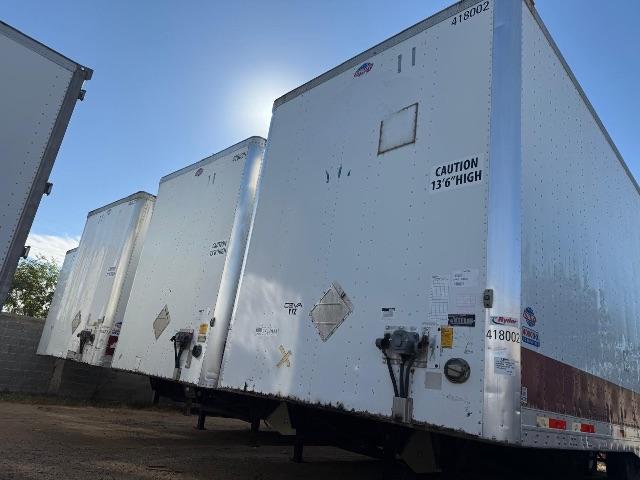

Have 2012 utility trailer to sell? List it here to reach thousands of buyers.
2012 Utility Trailers in Texas
For dry van buyers, Utility trailers from this era are commonly seen in 53-foot configurations with aluminum construction, wood floors, scuff liners or scuff plates, logistics posts, and sliding tandems. Key inspection points are floor wear from forklift traffic, sidewall damage around logistics track, rear frame condition, threshold plate fatigue, and door seal integrity. Tire inflation systems, air ride suspension, and stainless rear door frames are all features that can improve operating life and resale appeal. A van trailer in this class is often chosen for general freight, retail, palletized consumer goods, and dedicated contract lanes where cubic capacity, dock compatibility, and low-maintenance construction matter more than specialized body equipment.
On reefer trailers, the 2012 Utility 3000R is a familiar platform in regional and over-the-road temperature-controlled service. Buyers should pay close attention to reefer unit hours, maintenance records, bulkhead and chute condition, floor wear in the duct channels, and the condition of swing or roll-up rear doors. Inside height matters on these trailers, especially for high-cube freight and multi-pallet loading patterns, and 102-inch wide, 53-foot configurations remain standard for many produce, frozen food, and dairy operations. Stainless front radius panels, scuff protection, air ride suspension, and sliding tandems are common features that support long-haul reefer work, but the real value comes from a sound insulated body with tight seals and a refrigeration unit that can hold setpoint under load.
For flatbed buyers, a 2012 Utility aluminum and steel composite flatbed is typically aimed at freight that needs deck strength without carrying the full weight penalty of an all-steel platform. Common specs in this class include 48-foot deck length, 102-inch width, aluminum flooring, nail strips, sliding winch tracks, and coil package setups. Spread axles can help with weight distribution, while the deck, crossmember condition, and winch track wear tell you a lot about prior use. In Texas, these trailers are often used for steel, machinery, lumber, pipe, and oilfield-related freight, so it is worth checking for concentrated load damage, frame repairs, and evidence of hard securement use. Across van, reefer, and flatbed applications, Utility trailers from 2012 remain relevant because they are straightforward to spec, widely recognized by carriers and shippers, and generally easy to place back into service when maintenance has been kept up.
Frequently Asked Questions about 2012 Utility Trailers in Texas
What types of 2012 Utility trailers are most common on the used market?
The most common 2012 Utility trailers on the used market are dry vans, refrigerated trailers, and flatbeds. Utility is especially well known for its 3000R reefer line and aluminum van platforms, but flatbeds from this era also show up with composite aluminum and steel construction. The best choice depends on freight type, loading method, and how important weight, insulation, or deck configuration is to the operation.
What should I inspect first on a used 2012 Utility reefer trailer?
Start with the refrigeration unit hours, service history, and proof that the unit can maintain temperature under load. After that, inspect the insulated body for air leaks, damaged lining, worn door seals, floor channel damage, and signs of moisture intrusion. Rear frame condition, suspension wear, tandem slide function, and the condition of the duct floor also matter because reefer repair costs can rise quickly if the trailer has structural or insulation problems.
Are 2012 Utility dry vans still a good fit for general freight?
Yes, many 2012 Utility dry vans are still a practical fit for general freight if the floor, sidewalls, rear frame, and doors are in solid condition. These trailers are commonly used for palletized freight, retail goods, and dedicated route work because they offer familiar dimensions, broad dock compatibility, and widely available service support. Buyers should verify forklift wear, logistics track condition, tandem slide operation, and any history of major structural repairs before putting one into regular service.
What features matter most on a 2012 Utility flatbed?
On a 2012 Utility flatbed, buyers usually focus on deck condition, crossmember integrity, axle configuration, and securement equipment. Features like sliding winch tracks, winches, nail strips, and a coil package can make the trailer much more useful for steel and building materials. Spread axles may improve weight distribution for certain loads, but they also affect tire scrub and turning behavior, so the axle setup should match the lanes and freight profile.
Why do many buyers look specifically for Utility trailers in Texas?
Utility trailers are popular in Texas because they are common in regional and long-haul service, which usually makes parts sourcing, shop familiarity, and resale easier. Texas freight demand also spans dry freight, refrigerated food, industrial products, and construction materials, so Utility's van, reefer, and flatbed lineup fits a wide range of applications. For buyers, that market familiarity can translate into easier maintenance planning and a broader pool of drivers and carriers already comfortable with the brand.