
2012 Utility Trailers For Sale
Shop 2012 Utility trailers including dry vans and reefers. Compare specs, suspension, axle setups, doors, floors, and reefer options.
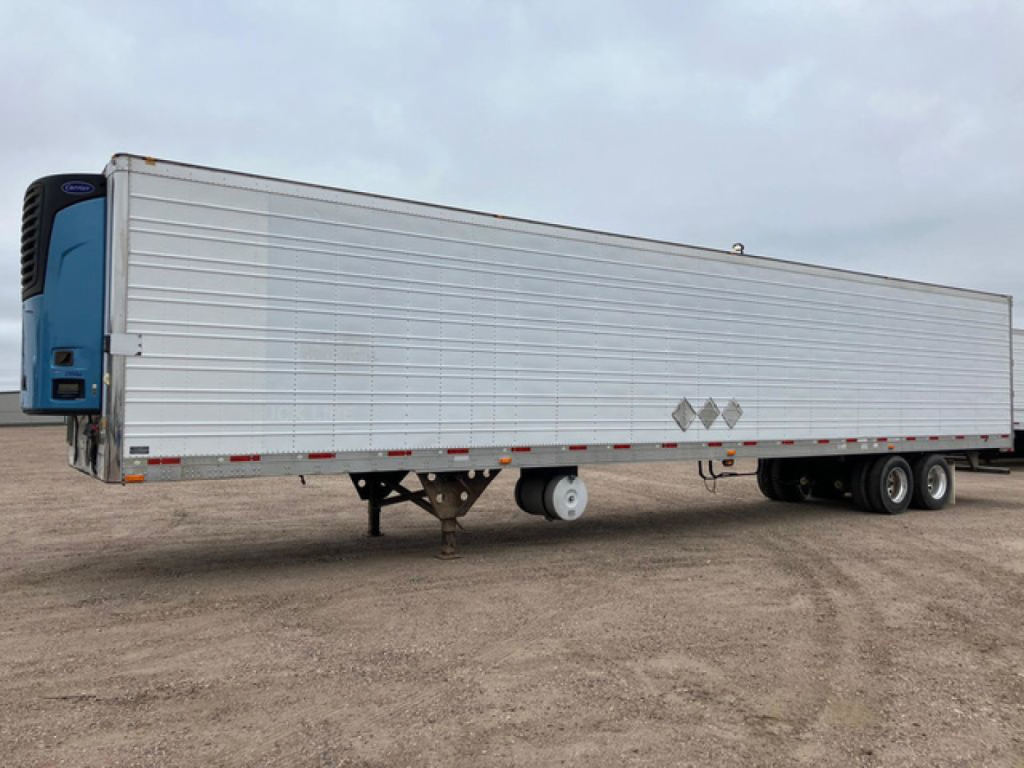
2012 Utility Reefer

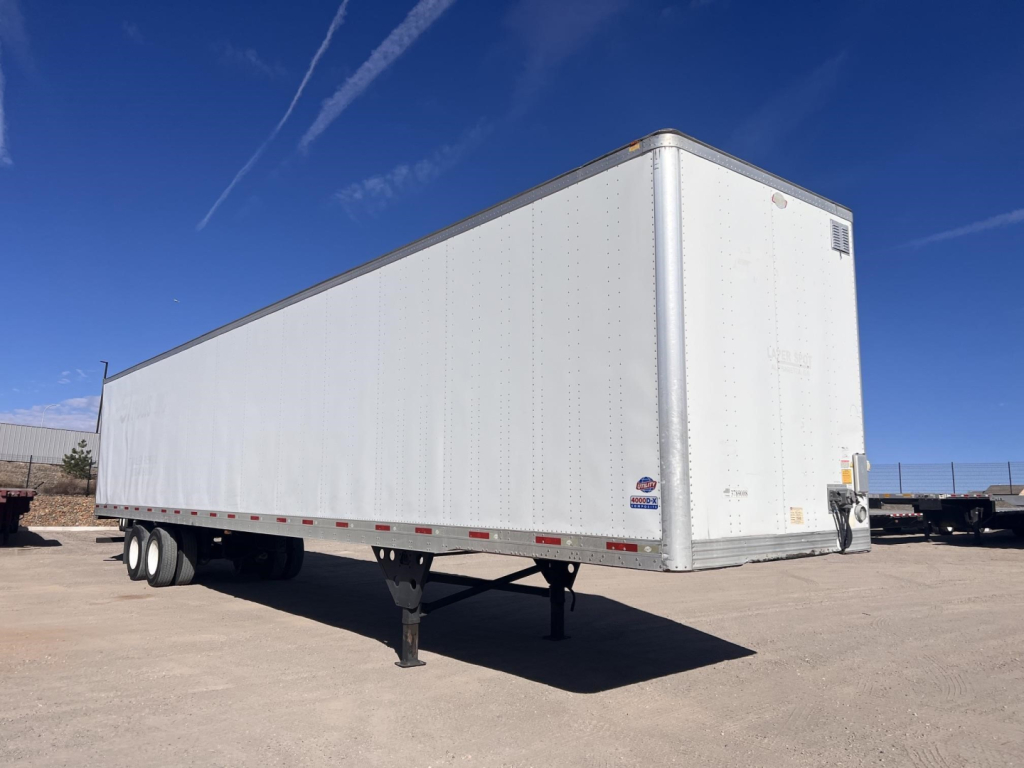
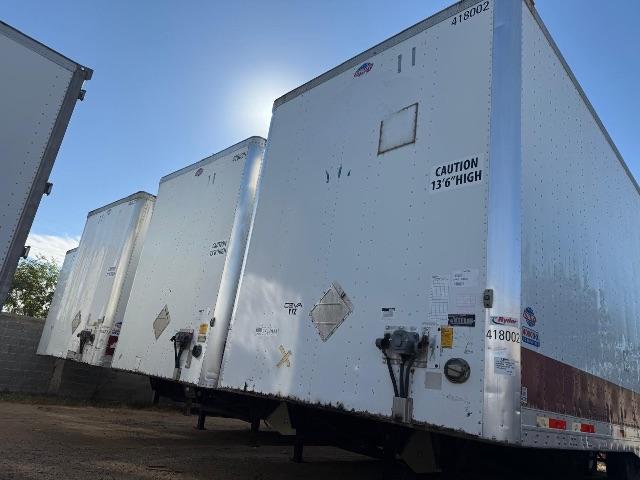

Selling a 2012 utility trailer? List your 2012 utility trailer for sale and reach thousands of commercial buyers.
2012 Utility Trailers
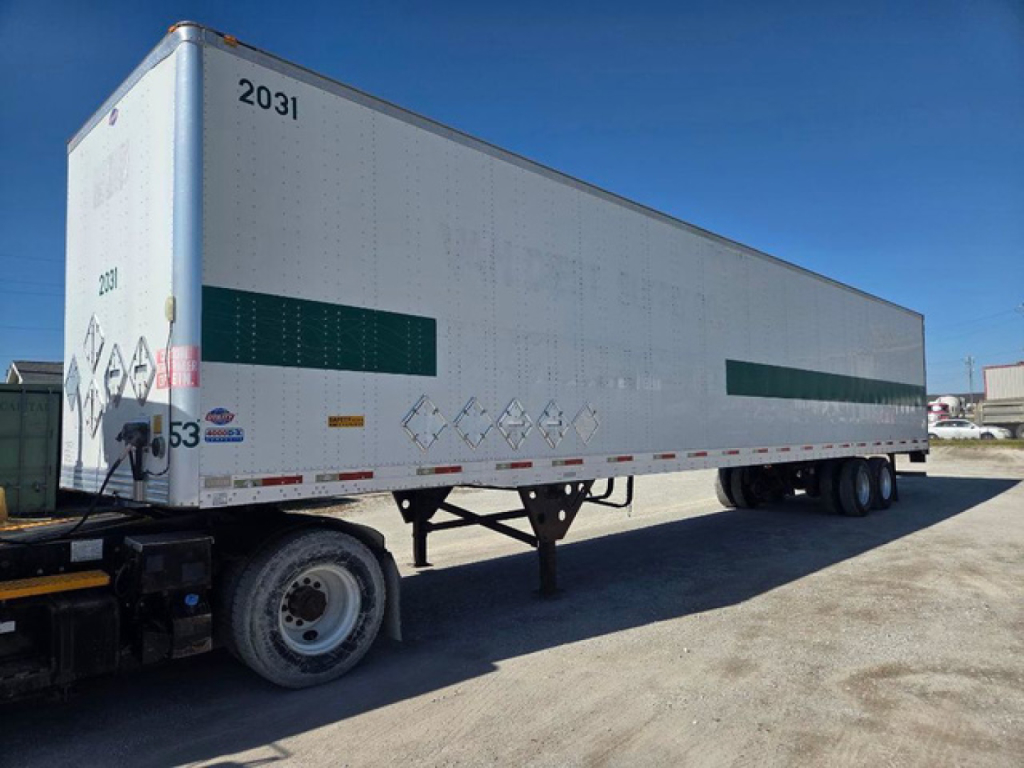
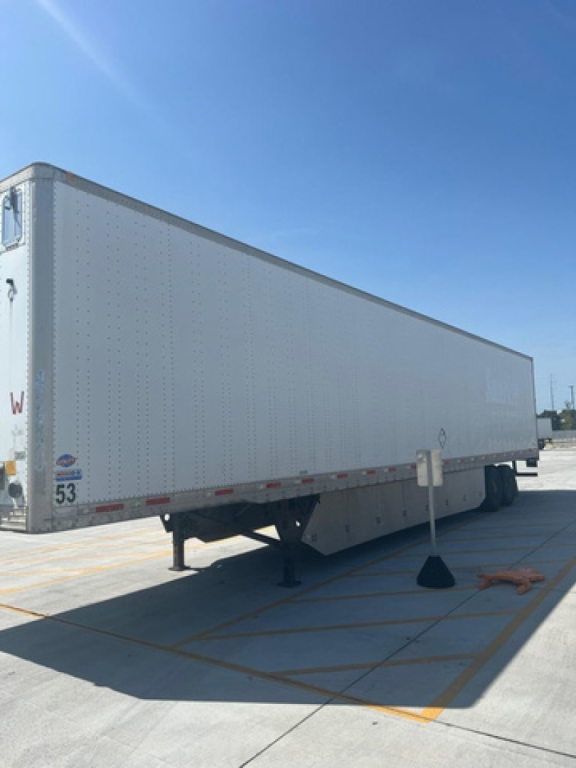
For dry van buyers, the key checkpoints are body condition, floor life, logistics readiness, and rear frame integrity. Many Utility vans from this era were built with aluminum exterior panels, hardwood or laminated floors, scuff liners, and integrated logistics posts for load securement flexibility. Inspect the threshold plate, rear sill, crossmembers, roof bows, and front corners closely, especially on trailers that spent years in heavy dock service or high-cycle LTL and grocery work. Suspension type, brake spec, and wheel material also matter. Air ride is common and generally preferred for freight protection, while sliding tandem suspension gives the trailer better adaptability for bridge laws and dock positioning.
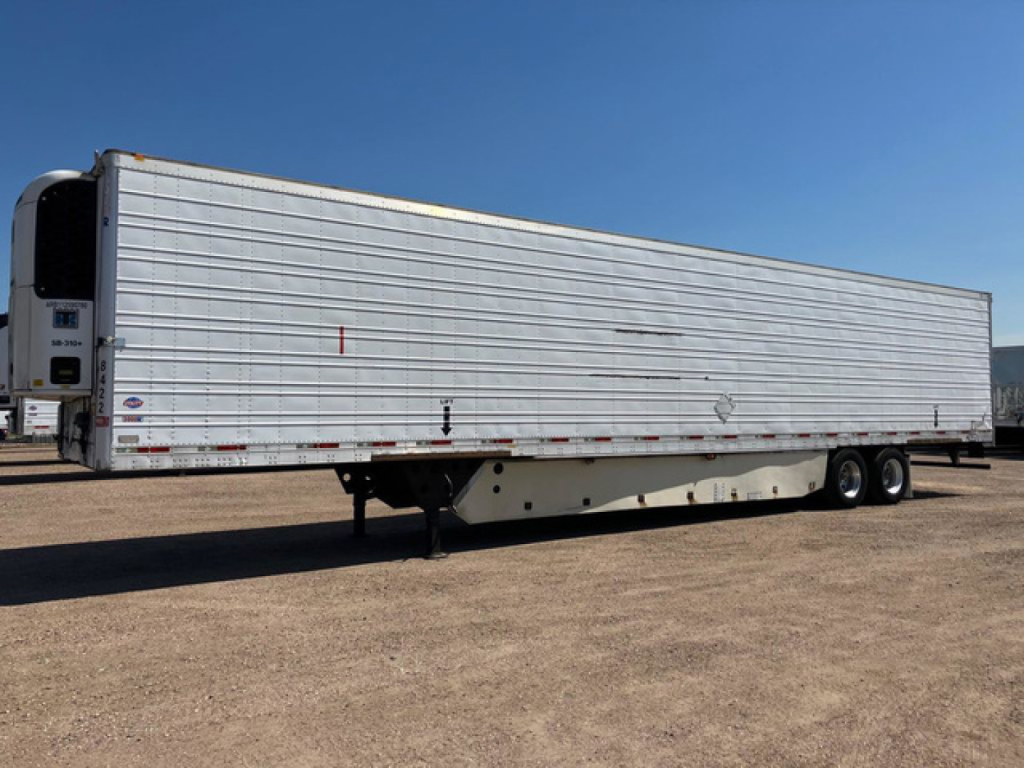
On a 2012 Utility reefer, the trailer box is only part of the purchase decision. Buyers should evaluate insulation condition, interior liner wear, floor type, rear door seal integrity, and the reefer unit's hours, maintenance history, and emissions compliance. Utility reefers from this period are often used in food distribution, produce, dairy, and frozen freight, so check for duct floor damage, bulkhead issues, air chute condition, and signs of washout corrosion around the drain areas and rear frame. If the trailer is intended for California or multi-state temperature-controlled service, reefer unit model and CARB compliance status can be just as important as the trailer's structural condition.
A 2012 Utility trailer often makes sense when the goal is dependable freight capacity without paying newer-trailer pricing. Focus on axle spread or sliding tandem configuration, door style, tire size, brake type, and any fleet specifications such as tire inflation systems, side skirts, stainless front corners, or disc brakes. Utility trailers have long been favored in high-mileage fleet service because they are straightforward to spec, maintain, and remarket. For buyers comparing multiple used trailers, the best value usually comes from matching the trailer's prior application and maintenance level to the freight you plan to haul next.
Frequently Asked Questions about 2012 Utility Trailers
What types of 2012 Utility trailers are most common on the used market?
The most common 2012 Utility trailers are 53-foot dry vans and refrigerated trailers. Dry vans are popular in general freight, retail, and distribution work, while Utility reefers are common in foodservice and temperature-controlled freight. Most are built to standard 102-inch width and are often equipped with sliding tandems, air ride suspension, and 22.5 low-profile tires.
What should I inspect first on a used 2012 Utility dry van?
Start with the floor, rear frame, roof, and tandem area. A dry van's floor condition tells you a lot about forklift traffic and overall use, while the rear sill, threshold plate, and door frame often show the most dock damage. It is also important to inspect crossmembers, scuff liners, side panels, and roof seams for repairs, corrosion, or impact history. If the trailer has logistics posts or additional securement equipment, confirm they are still straight and usable.
What is most important when buying a 2012 Utility reefer trailer?
The reefer unit's condition is critical, but the trailer body matters just as much. Check unit hours, service records, temperature pull-down performance, and compliance status, then inspect the insulated box for liner damage, floor wear, door seal condition, and evidence of moisture intrusion. A reefer with a weak floor, damaged insulation, or poor door sealing can create temperature-management problems even if the refrigeration unit is operating correctly.
Are 2012 Utility trailers a good fit for fleet operations?
They can be a strong fit for fleets that want standardized, serviceable used trailers with broad parts availability. Utility has a large presence in van and reefer applications, so many shops are familiar with the brand's construction and replacement components. For fleet use, consistency in brake type, suspension, wheel-end spec, and reefer unit brand can make a meaningful difference in maintenance planning and uptime.
How do I choose between a 2012 Utility dry van and reefer?
The decision comes down to freight type, operating cost, and maintenance tolerance. A dry van is simpler and usually less expensive to maintain because it does not have a refrigeration system or insulated body components. A reefer expands the types of freight you can haul, but it adds unit maintenance, fuel considerations, compliance requirements, and more inspection points. Buyers should match the trailer type to their lanes, customer requirements, and shop capabilities.