
1995 Utility Trailers For Sale in Texas
Shop 1995 Utility trailers for sale in Texas. Compare older Utility reefers, flatbeds, specs, axle setups, floors, and maintenance considerations.
Learn more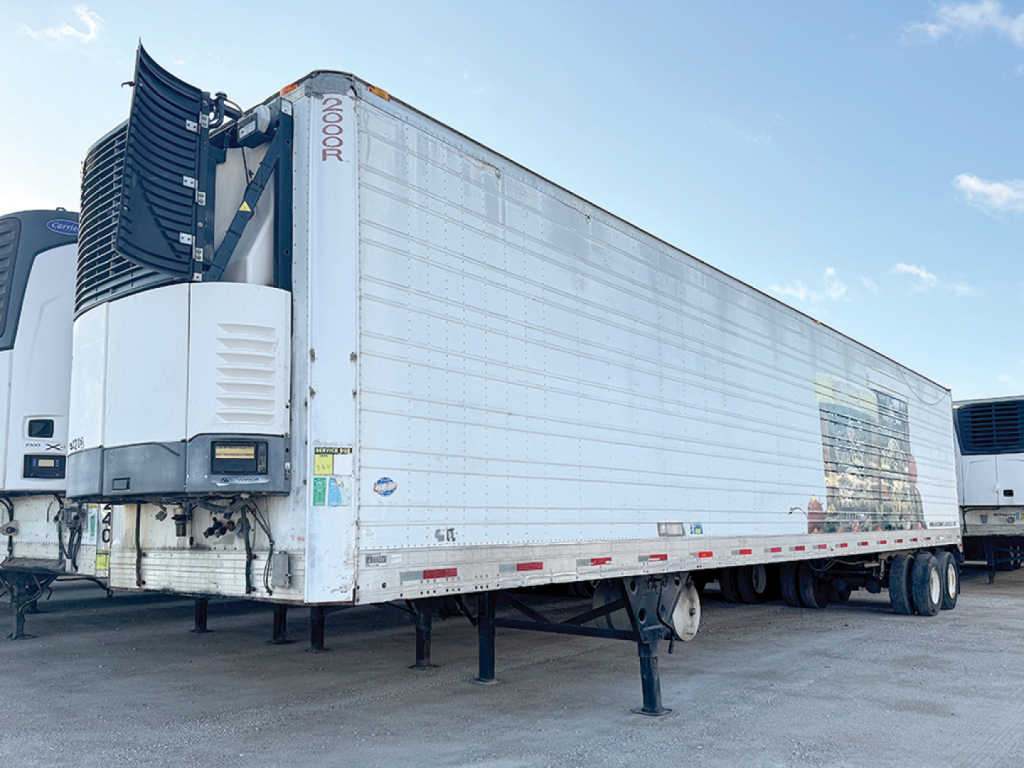
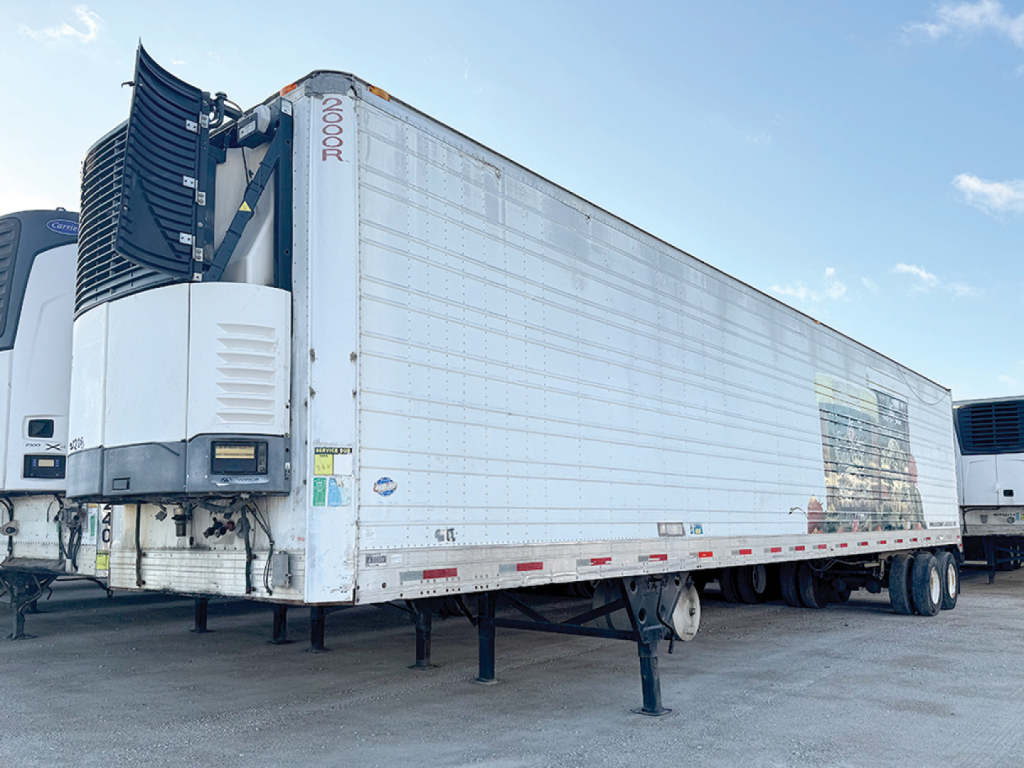
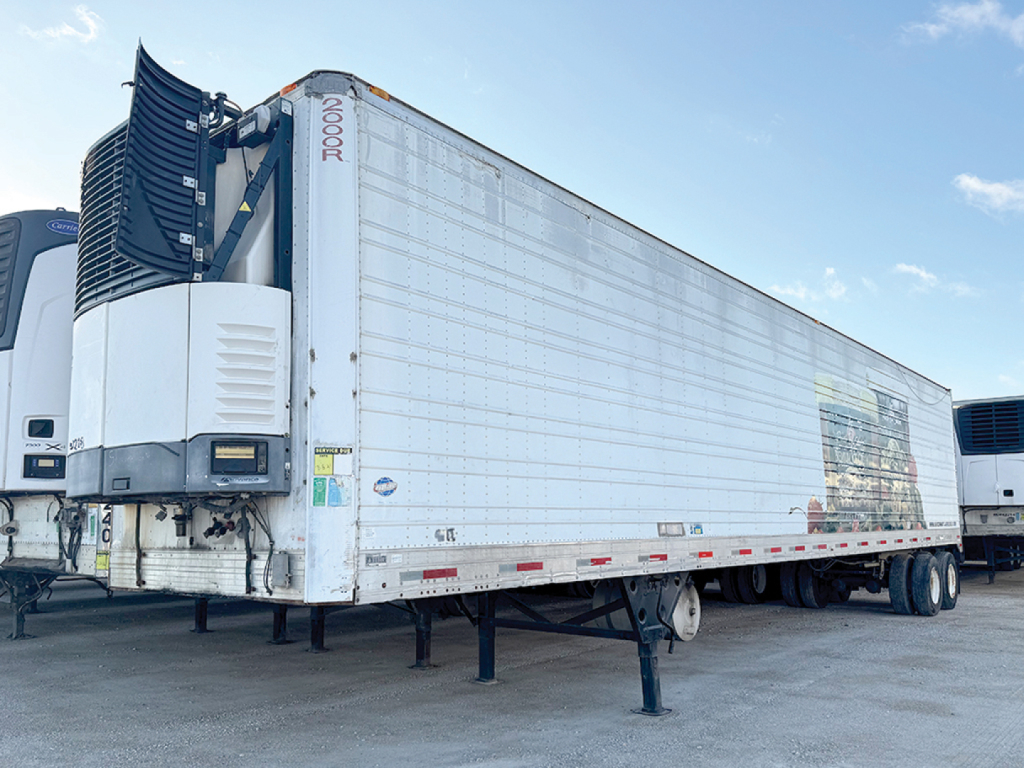
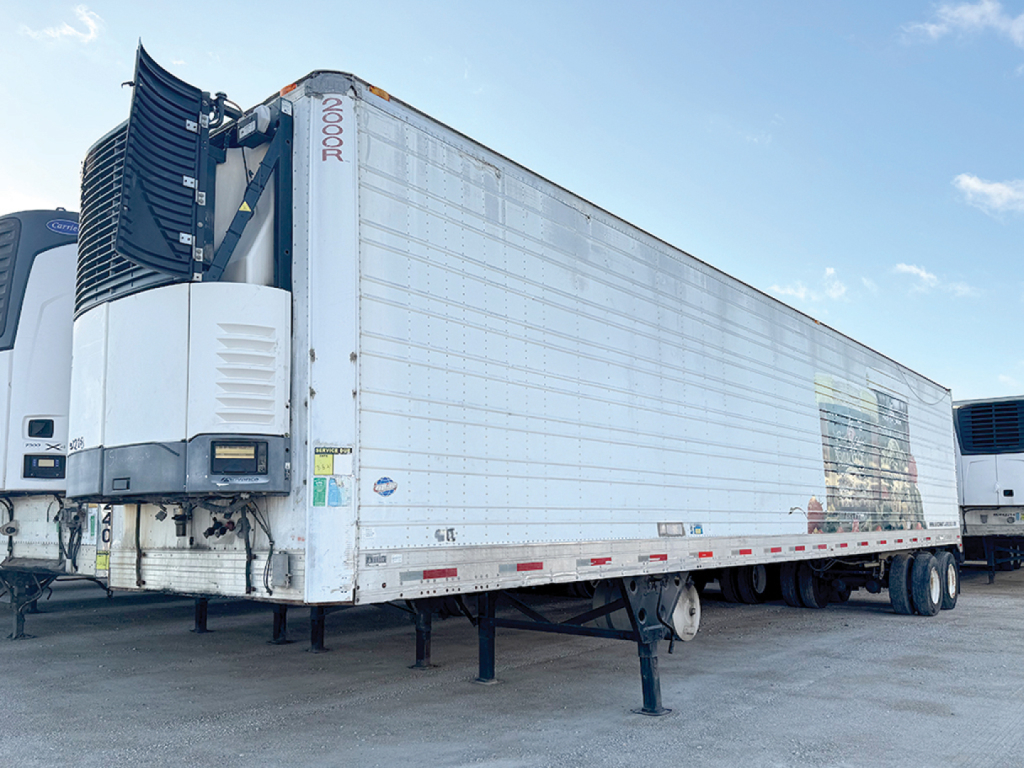

Have 1995 utility trailer to sell? List it here to reach thousands of buyers.
About 1995 Utility Trailers in Texas
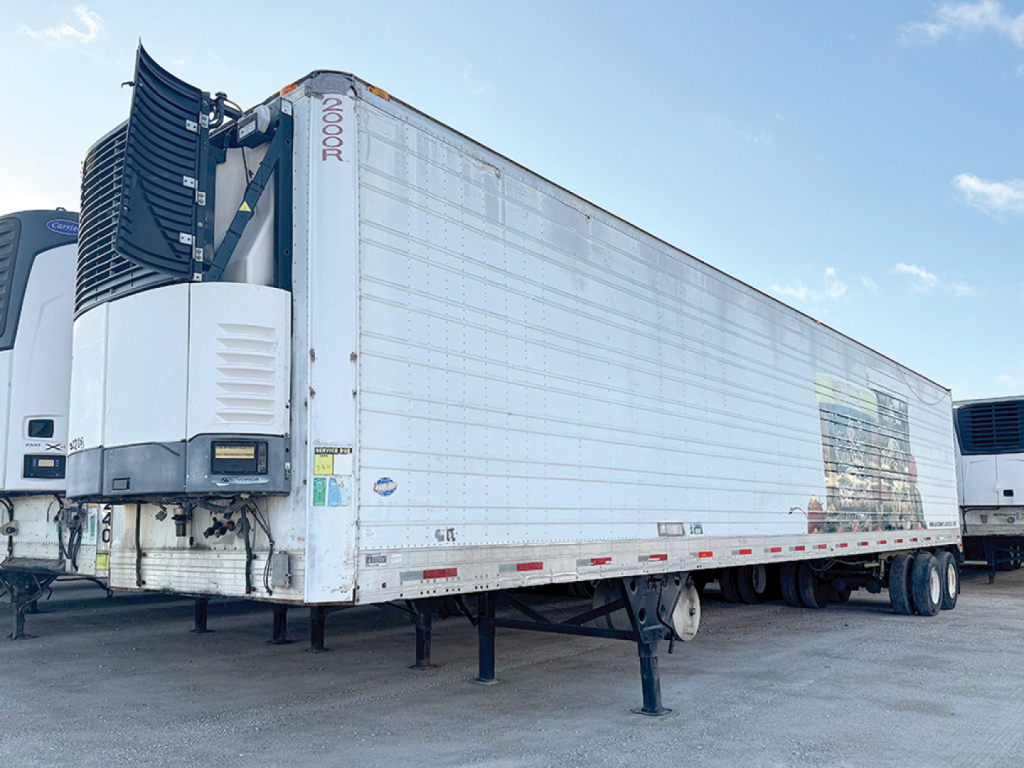
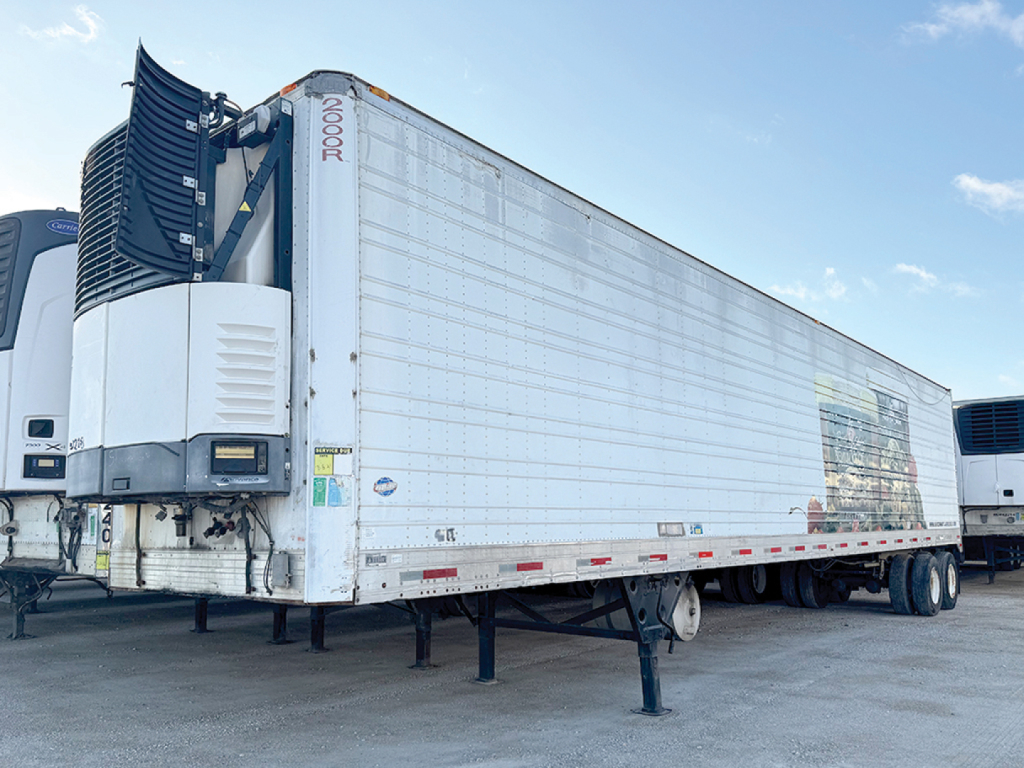
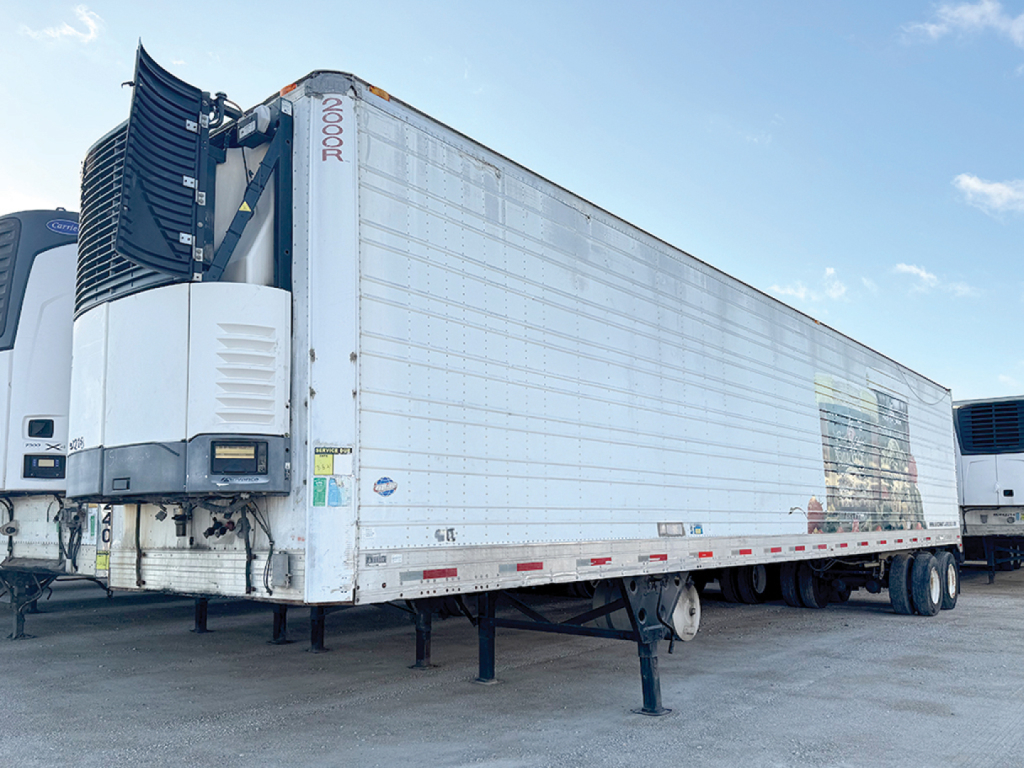
In Texas, older Utility trailers are commonly evaluated for regional freight, farm supply work, warehouse shuttles, export use, and seasonal lanes where a lower acquisition cost matters more than late-model cosmetic appeal. Utility reefers are especially well known, including 3000R-series designs, with common features such as aluminum construction, duct or flat floors, scuff liners or scuff plate protection, stainless front radius panels, and swing or roll-up rear doors. If the trailer is refrigerated, inspect the reefer unit hours, evap condition, chute integrity, floor type, insulation performance, and whether the body still holds temperature under load. For flatbed applications, pay close attention to deck condition, nail strips, winch tracks, coil package equipment, and signs of frame twist or concentrated load damage.
A 1995 trailer also needs a close look at running gear and compliance items. Check axle rating, suspension type, sliding tandem or spread axle configuration, wheel-end service history, tire age, brake style, ABS status, and kingpin wear. Older Utility trailers may have been updated over time with replacement doors, patched floors, new lights, or retrofitted tire inflation systems, so it is important to separate useful upgrades from temporary fixes. In Texas, trailer buyers should also verify title status, VIN plate readability, and how the dimensions fit the intended lanes, especially if the trailer will cross state lines or work in ports, produce, or oilfield-support freight.
The best 1995 Utility trailer purchase is usually the one with a straight body, clean repair history, and a spec that fits the freight without forcing major rework. A reefer with a tired unit can become expensive quickly, while a structurally solid trailer with documented maintenance can still deliver good service in secondary duty. Utility remains a recognized name because parts support, shop familiarity, and resale recognition tend to be better than with obscure makes. For buyers comparing older trailers, overall condition, maintenance records, and application fit matter more than model year alone.
Frequently Asked Questions
What should I inspect first on a 1995 Utility trailer?
Start with the structural condition. Inspect the main rails, crossmembers, landing gear mounts, kingpin area, suspension hangers, roof, sidewalls, and floor for cracks, corrosion, impact damage, and poor weld repairs. After that, move to running gear such as axles, brakes, wheel seals, bushings, and tires. On an older trailer, structural integrity and repair quality usually matter more than paint or cosmetic appearance.
Are 1995 Utility reefer trailers still worth buying?
They can be, but only if the trailer body and refrigeration system are evaluated separately. A sound insulated body with good doors, floor, and lining can still have value, but an aging reefer unit with high hours or weak cooling performance can quickly erase any savings. Buyers should check temperature pull-down, unit service records, evap and condenser condition, and signs of moisture intrusion in the trailer body.
What are common Utility trailer specs buyers will see on older units?
Common specs include 48-foot or 53-foot lengths, 96-inch or 102-inch width, air ride suspension, sliding tandems, aluminum wheels or disc wheels, and aluminum floors. Reefer models may include duct floors, flat floors, scuff liners, stainless front radius panels, and swing or roll-up doors. Flatbeds may have aluminum or composite decks, winch tracks, nail strips, and coil package equipment. Exact specifications vary widely because many older trailers have been rebuilt or modified during service.
Is an older Utility trailer a good fit for Texas operations?
Often yes, especially for regional freight, local distribution, agricultural support, storage use, and lower-mileage secondary lanes. Texas buyers tend to value durable trailers that can handle heat, rough yard conditions, and frequent loading cycles. The key is confirming that the trailer's axle setup, dimensions, and current condition match the intended work. A low-cost trailer can still become expensive if it needs immediate brake, tire, suspension, or refrigeration work.
How important are maintenance records on a 1995 Utility trailer?
They are extremely important because they help explain how the trailer reached its current condition. Records for brake work, suspension service, floor repairs, reefer maintenance, and major structural repairs can reveal whether the trailer was maintained as an operating asset or merely patched to stay in service. On a trailer this old, documentation often provides more confidence than odometer-style age assumptions or appearance alone.