
1995 Utility Trailers For Sale
Browse 1995 Utility trailers for sale, including dry van and reefer models known for durable construction, road-friendly specs, and fleet use.
Learn more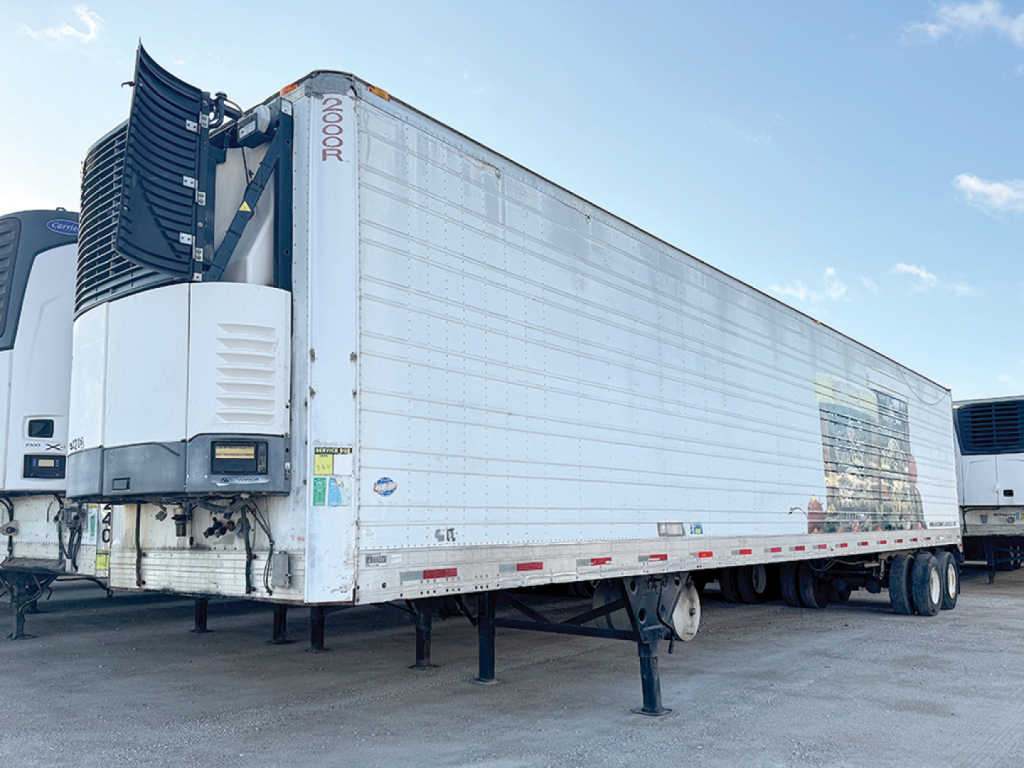

Have 1995 utility trailer to sell? List it here to reach thousands of buyers.
About 1995 Utility Trailers
For dry van applications, a 1995 Utility trailer may be a 48-foot or early 53-foot platform depending on original fleet spec and operating region. Common buyer checkpoints include inside lining condition, floor wear at high-traffic forklift zones, door frame alignment, tandem slider operation, and evidence of prior body repair. Suspension type, axle spacing, wheel-end setup, and tire size all affect usability and maintenance cost. If the trailer will run general freight, parcel, or warehouse shuttle work, door seal condition, floor remaining life, and rail integrity are usually more important than cosmetics. Utility dry vans are also commonly referred to as van trailers or box trailers in everyday fleet use.
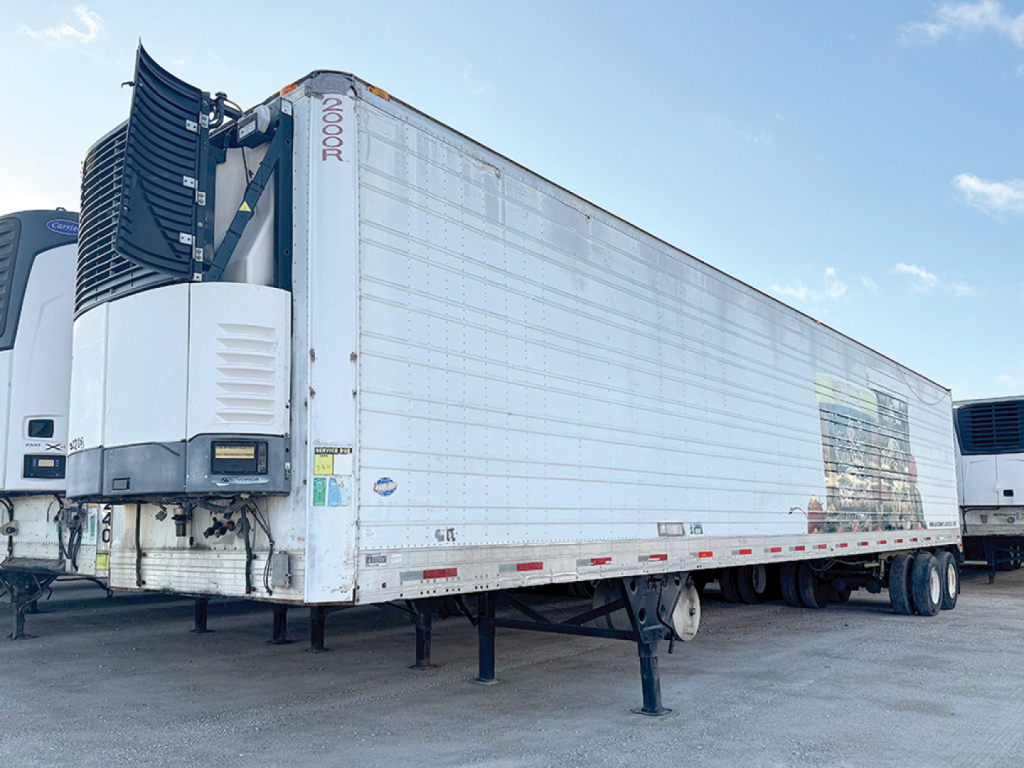
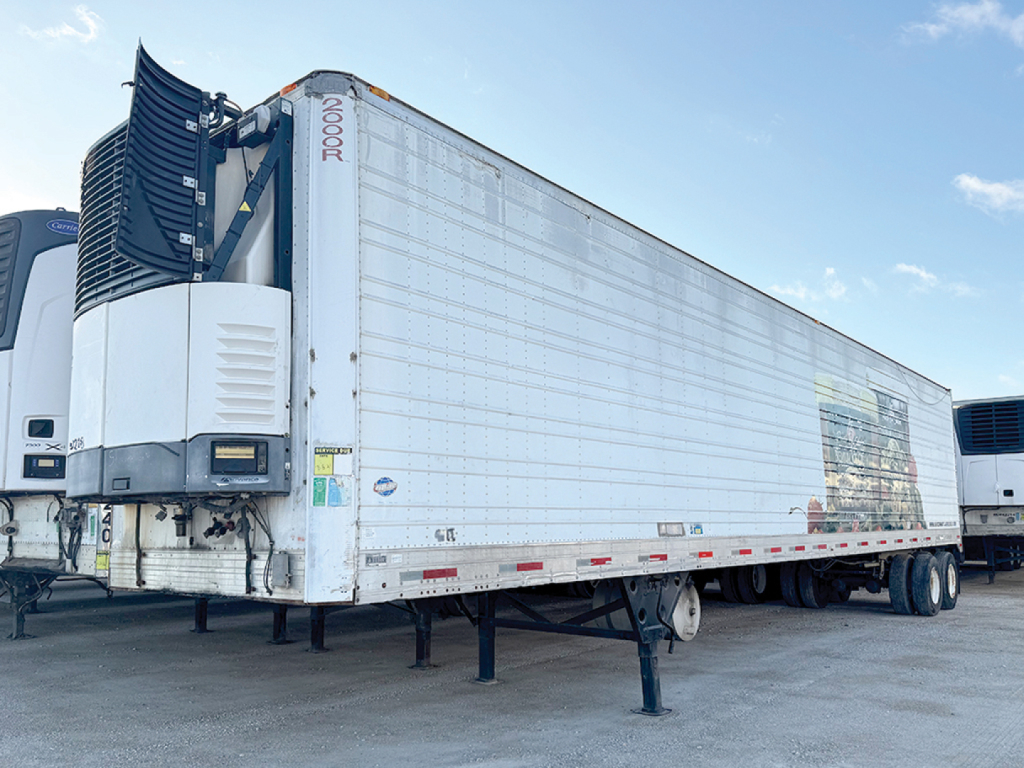
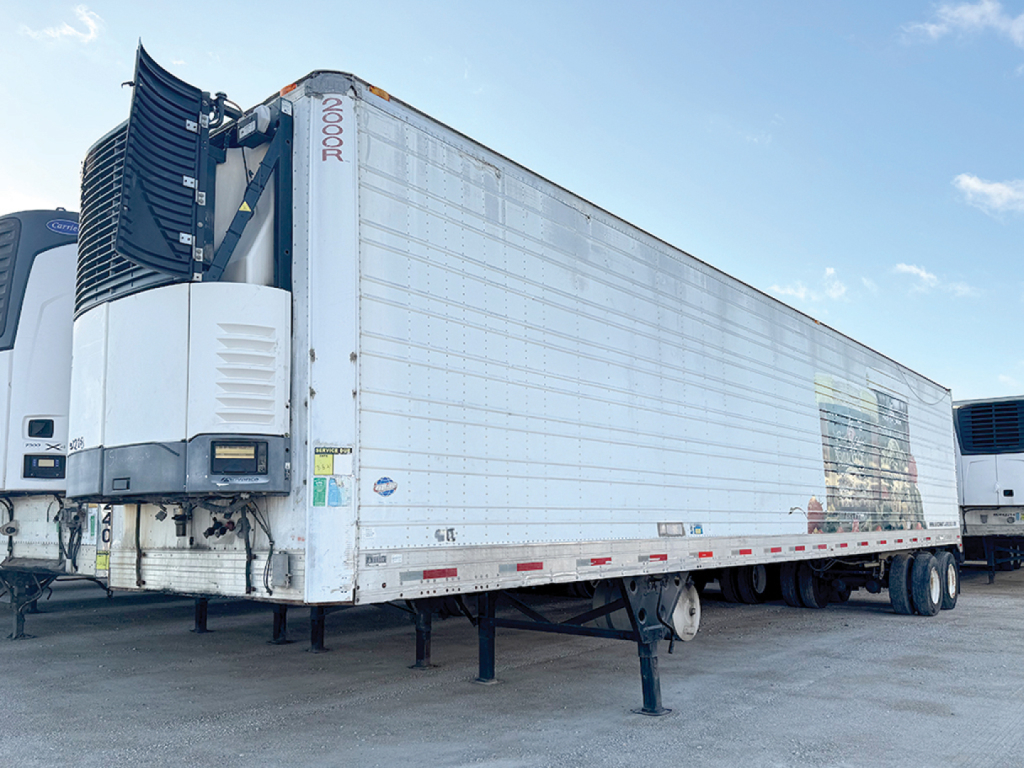
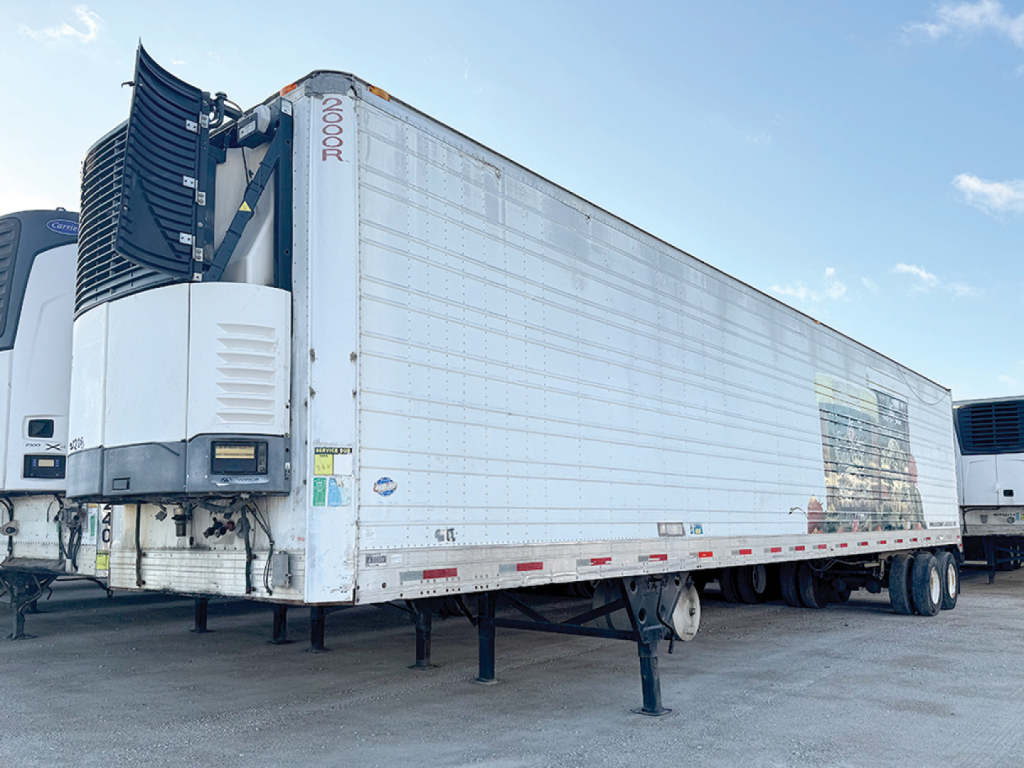
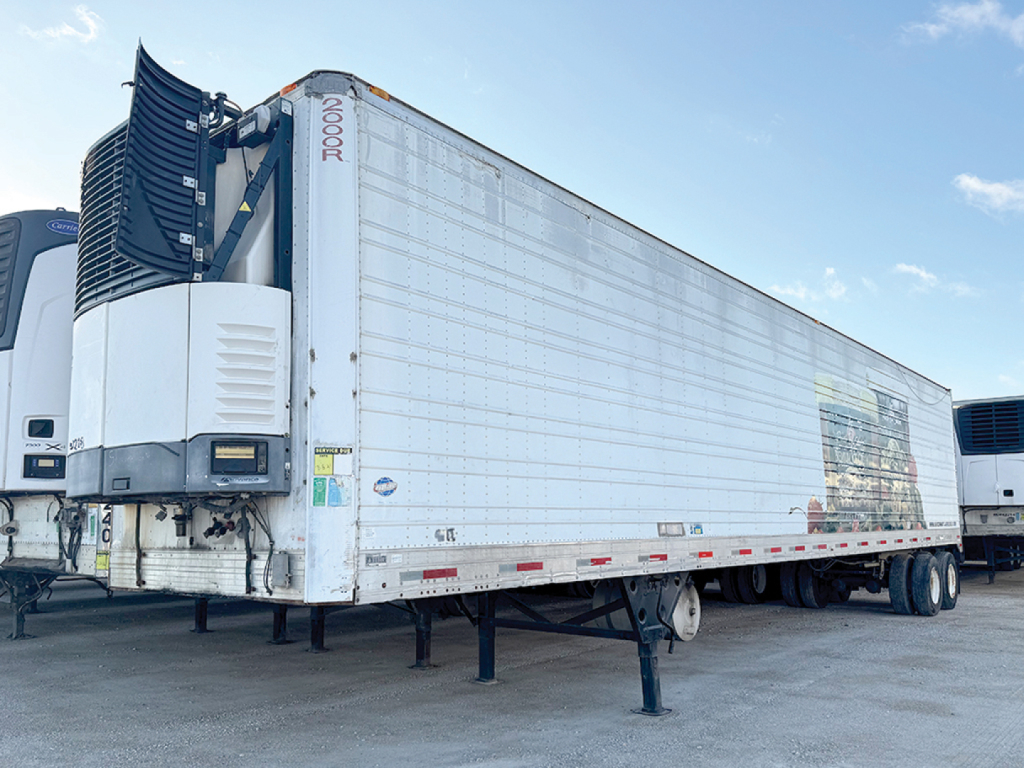
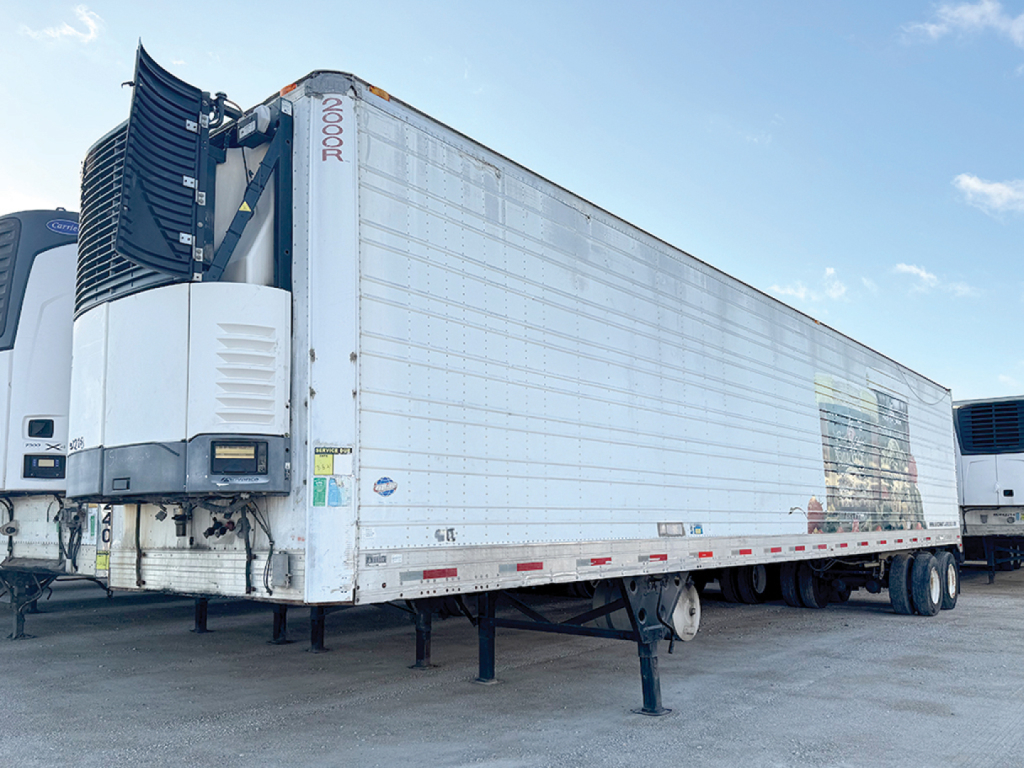
On a 1995 Utility reefer, the trailer body and the refrigeration package need to be judged separately. The box may still be serviceable even if the unit has been replaced, removed, or needs major work. Buyers should inspect the insulated walls, floor duct or duct floor, scuff liner condition, rear door seal compression, and any signs of water intrusion around the front wall and roof cap. Reefer buyers also pay attention to swing door fitment, air ride suspension condition, slider travel, and the overall state of the subframe where the refrigeration unit mounts. Older Utility reefers can still fit regional cold chain, produce, or storage applications when the body remains tight and the temperature management system is sound.
The value in a 1995 Utility trailer usually comes down to application fit and remaining structural life. A well-maintained older Utility can still make sense for short-haul lanes, drop yard use, warehouse overflow, export, agricultural support, or as a lower-cost entry trailer for a growing carrier. The key is matching age, repair history, and spec to the intended job. Buyers comparing listings should focus on trailer category, length, suspension, tandem configuration, floor design, tire and wheel package, and any documented repairs to the rear frame, floor, or sidewall assemblies. On a trailer of this age, service records and a careful physical inspection often tell more than the model designation alone.
Frequently Asked Questions
What should I inspect first on a 1995 Utility trailer?
Start with the main structure. Check the frame rails, crossmembers, upper coupler area, rear impact structure, roof, sidewall condition, and any corrosion or cracking around suspension mounts. On a trailer this old, structural integrity and repair quality matter more than appearance. Also inspect the floor, tandem slider function if equipped, brakes, wheel ends, and all lights and air lines before putting the trailer into service.
Are 1995 Utility trailers still practical for commercial use?
They can be, but usually in the right role. Many older Utility trailers remain useful for regional freight, drop trailer pools, warehouse shuttles, storage, agriculture, and backup fleet capacity. Their practicality depends on remaining structural life, maintenance history, and how demanding the intended service is. A trailer with a sound frame and floor can still be a cost-effective asset, while a heavily repaired or fatigued trailer may only fit limited-duty work.
What trailer types are most common for a 1995 Utility?
The most common categories are dry vans and refrigerated trailers. Utility has long been a major builder in both segments, so older units often show up as general freight vans or reefer bodies. Dry vans are typically judged on floor and body condition, while reefers require buyers to assess both the insulated trailer body and the refrigeration system or the trailer's suitability for a replacement unit.
How do I evaluate an older Utility reefer trailer?
Evaluate the trailer body separately from the refrigeration unit. Inspect the insulation envelope, front wall, roof seams, rear doors, scuff liners, and duct floor for damage or moisture intrusion. Then review the reefer unit's hours, operating condition, service history, and mount structure. A tight trailer body with poor refrigeration equipment may still have value if the unit can be replaced, but a compromised insulated body is usually a more expensive problem.
Do parts and service support still matter on a 1995 Utility trailer?
Yes. One reason older Utility trailers remain active in the market is that many shops are familiar with the brand and common van and reefer configurations. Wear items such as brakes, wheel-end components, suspension parts, doors, seals, and lighting are generally straightforward to source by spec. The challenge is less about the nameplate and more about identifying what has been modified over the trailer's life, especially on older fleet units with multiple repairs.