
1995 Utility Reefer Trailers For Sale
Shop 1995 Utility reefer trailers for sale. Compare specs, insulation, reefer unit fitment, floor condition, suspension, and trailer dimensions.
Learn more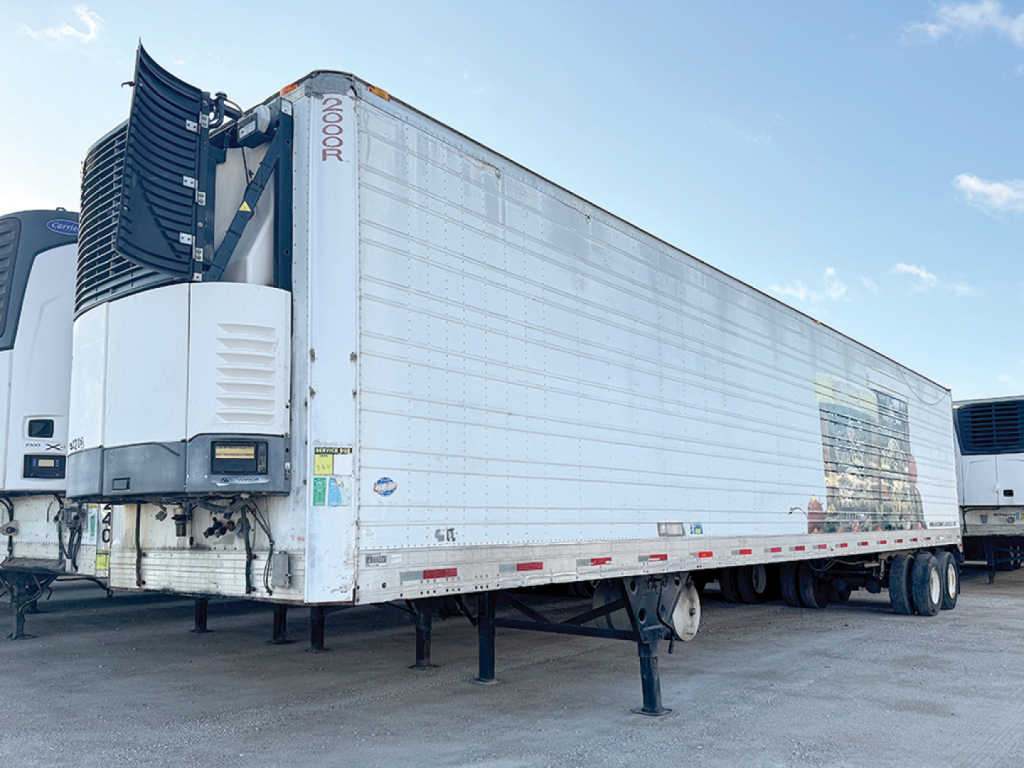
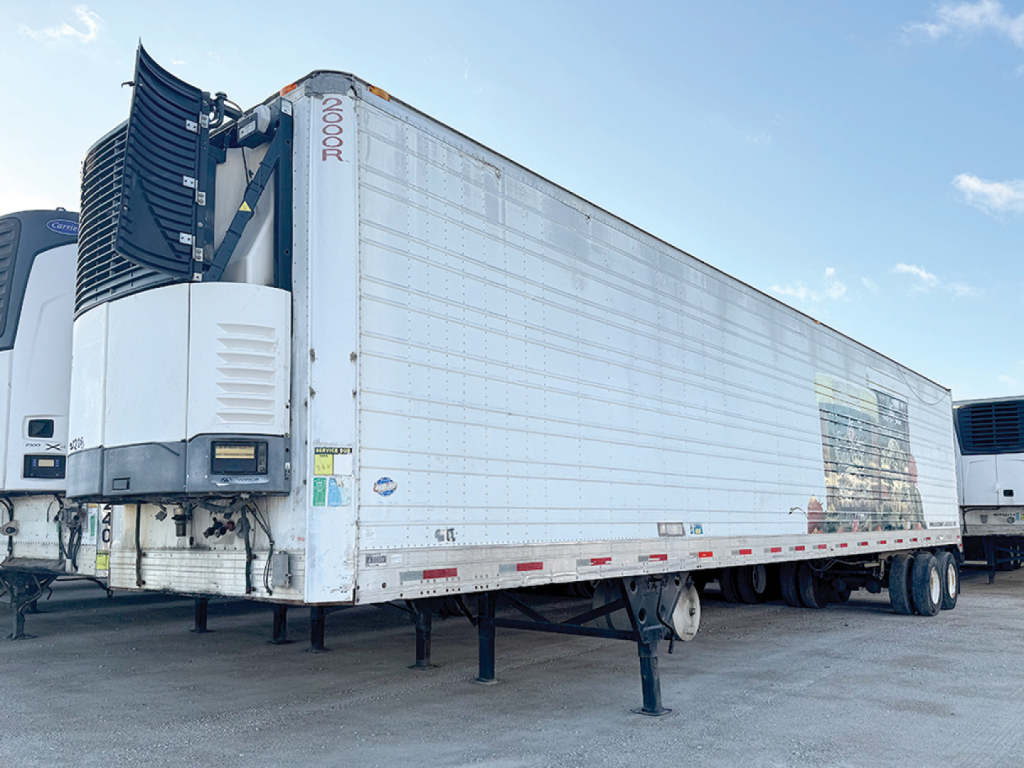
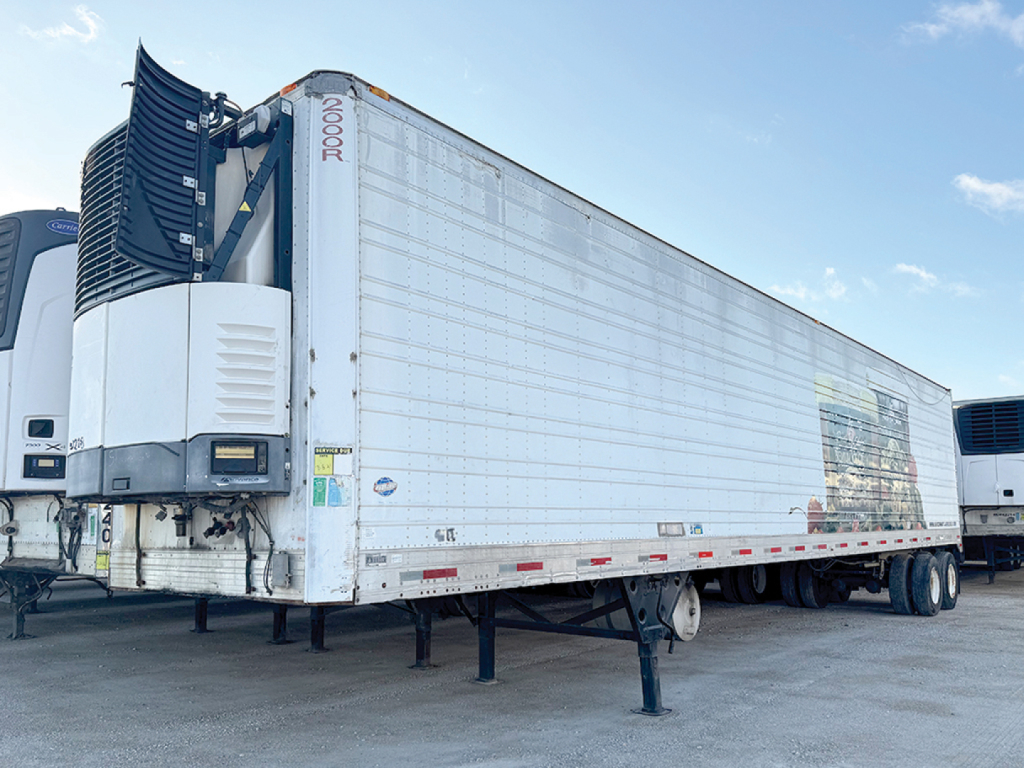
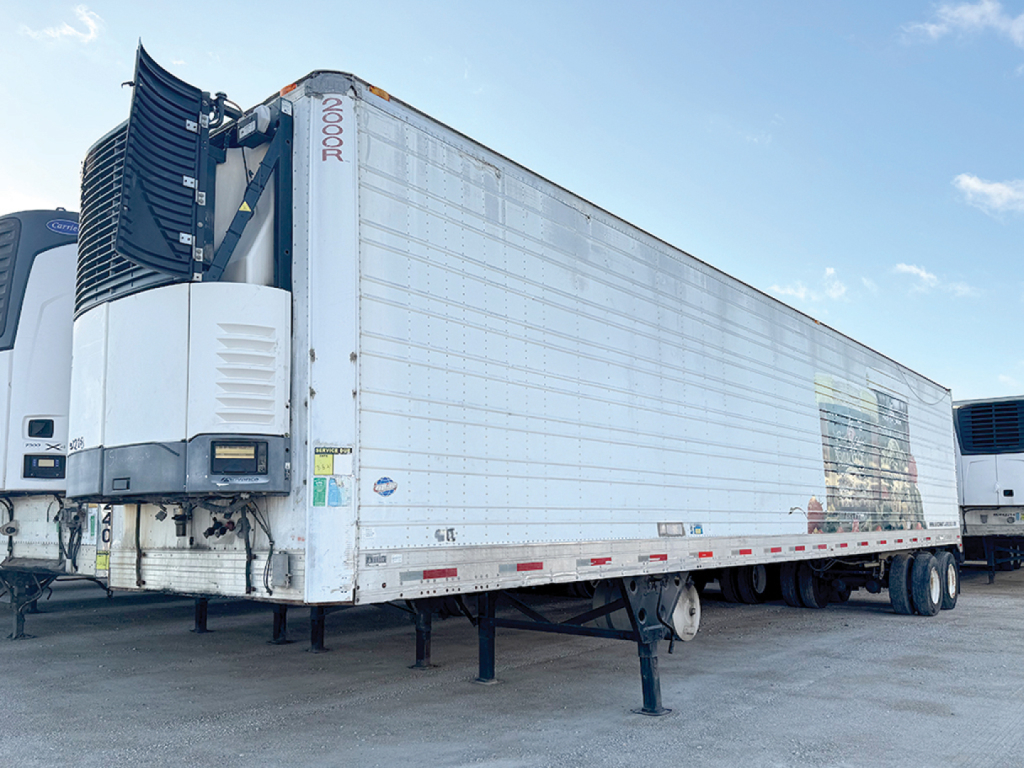

Have 1995 utility reefer trailer to sell? List it here to reach thousands of buyers.
About 1995 Utility Reefer Trailers
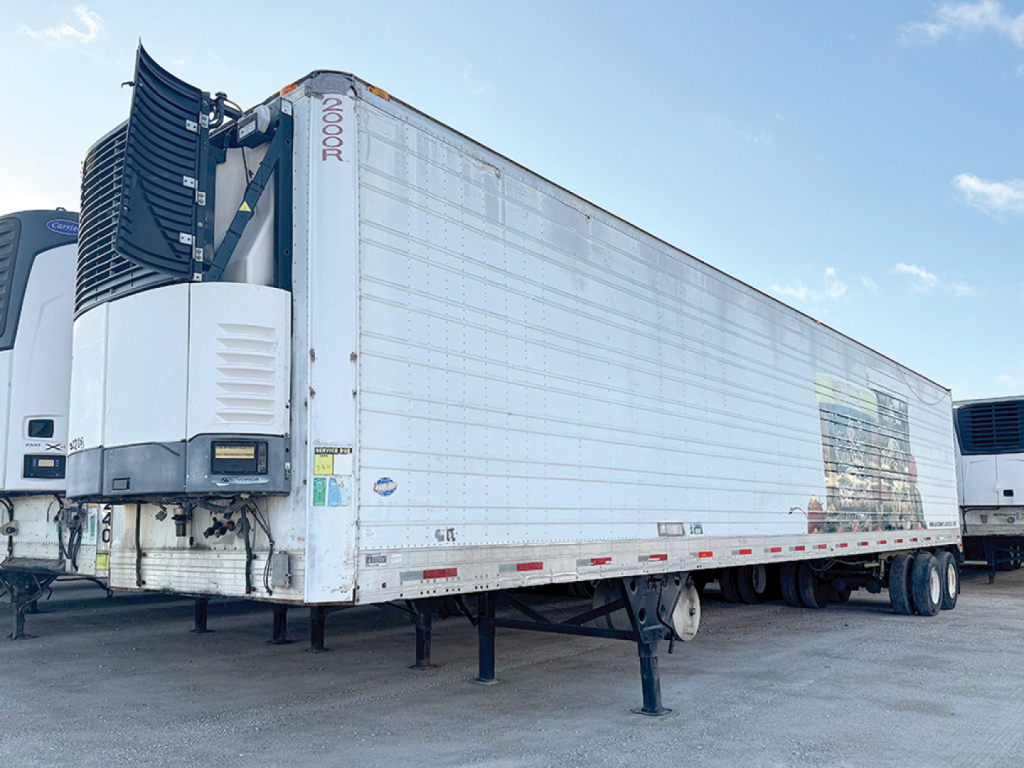
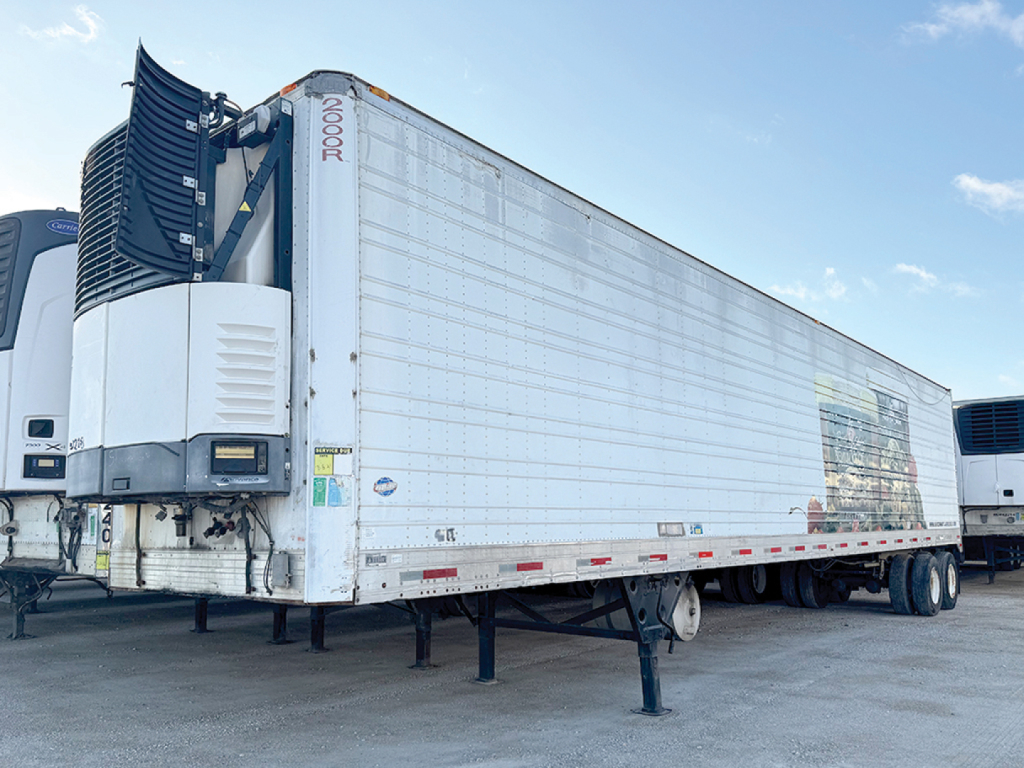
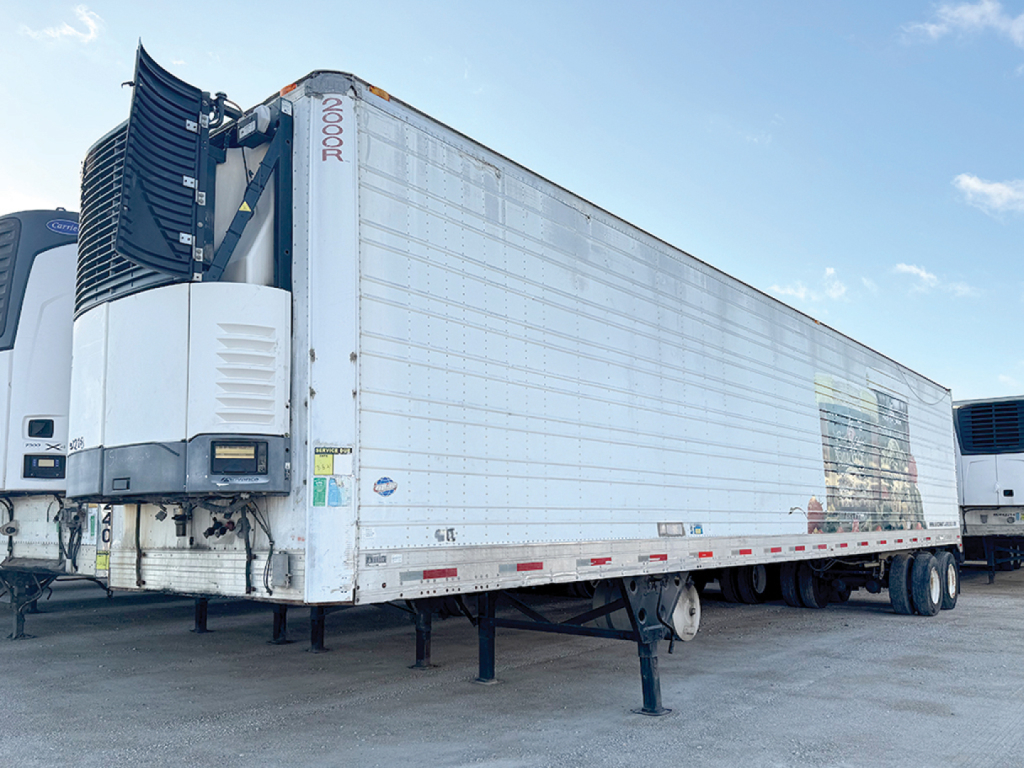
Most Utility reefer trailers in this class are found in 48-foot or 53-foot lengths, commonly 96 or 102 inches wide, with air ride suspension and sliding tandems on many road-spec trailers. Utility is especially common in configurations comparable to the 3000R, with aluminum duct floors, scuff liners or scuff plates, stainless steel front radius panels, stainless rear door frames, and swing doors designed for repeated dock use. Buyers should inspect the floor closely for forklift damage, crushed duct channels, soft spots, and patchwork that can restrict airflow under the load. Rear doors need to close square with good gasket compression, and the front wall, roof, and corners should be checked for prior repairs that may indicate water intrusion or insulation issues.
Reefer unit age and service history are critical on a 1995 trailer because many of these trailers have had one or more replacement units over their life. It is common to see Carrier or Thermo King units retrofitted or updated, and the quality of that installation matters. Look at engine hours, unit hours, evaporator condition, fuel tank mounting, wiring repairs, and controller operation. Confirm the trailer can maintain setpoint under load, not just in a yard pre-cool. Buyers moving produce, dairy, frozen freight, meat, or LTL temperature-controlled freight should also verify chute condition, return air path, bulkhead fitment if used, and whether the trailer is set up for multi-temp work or standard single-temp service.
For a buyer comparing older refrigerated trailers for sale, a 1995 Utility reefer trailer is usually best suited for regional cold chain work, warehouse shuttle lanes, seasonal overflow, or private fleet use where maintenance is controlled closely. The value proposition is lower acquisition cost, but the inspection standard needs to be higher. Check tandem slide operation, suspension bushings, brake condition, tire size and age, wheel type, ICC bumper integrity, and signs of delamination or interior wall damage from shifting pallets. If the box is tight, the floor still moves air correctly, and the reefer unit has documented maintenance, an older Utility reefer can still deliver dependable refrigerated trailer service.
Frequently Asked Questions
What should I inspect first on a 1995 Utility reefer trailer?
Start with the trailer body before focusing on the refrigeration unit. On a reefer of this age, floor condition, insulation integrity, rear frame alignment, roof repairs, and door seal performance have a major impact on temperature control and operating cost. A trailer with a newer unit but a weak box can still be a poor buy because air leaks, crushed floor channels, or wet insulation reduce pull-down performance and increase fuel usage.
Are 1995 Utility reefer trailers still good for over-the-road refrigerated freight?
They can be, but only if the trailer has been maintained to a high standard and the reefer unit is dependable. Many older Utility reefers are better suited for regional runs, dedicated lanes, produce seasons, or warehouse shuttle work rather than nonstop long-haul service. The best candidates are trailers with documented maintenance records, solid floors, tight swing doors, healthy suspension components, and a reefer unit that can hold setpoint consistently under loaded conditions.
What dimensions and specifications are common on Utility reefer trailers?
Utility reefer trailers are commonly found in 48-foot and 53-foot lengths, typically 96 or 102 inches wide and around 13 feet 6 inches tall. Common features include aluminum duct floors, air ride suspension, sliding tandems, low-profile 22.5 tires, swing doors, scuff liners, and stainless steel protection at high-wear areas like front corners and rear frames. Actual specifications vary by original build and later modifications, so buyers should verify the VIN plate and physical measurements.
How important is the floor in an older refrigerated trailer?
The floor is one of the most important components because it supports the load and manages airflow under the freight. A damaged duct floor can restrict air movement, create hot spots, and reduce the reefer unit's ability to recover temperature after door openings. Forklift gouges, crushed channels, soft patches, and poor repairs are all warning signs. If the floor cannot move air correctly, refrigerated performance suffers even when the reefer unit itself is running properly.
Can a 1995 Utility reefer trailer have a newer refrigeration unit installed?
Yes. Many older reefer trailers have had replacement Carrier or Thermo King units installed during their service life. That can be a positive if the installation was done correctly and the trailer body is still structurally sound. Buyers should confirm the mounting, wiring, fuel system, evaporator condition, controller function, and service history, and they should make sure the unit is properly matched to the trailer's insulation condition and intended freight profile.