
1995 Utility Reefer Trailers For Sale in Texas
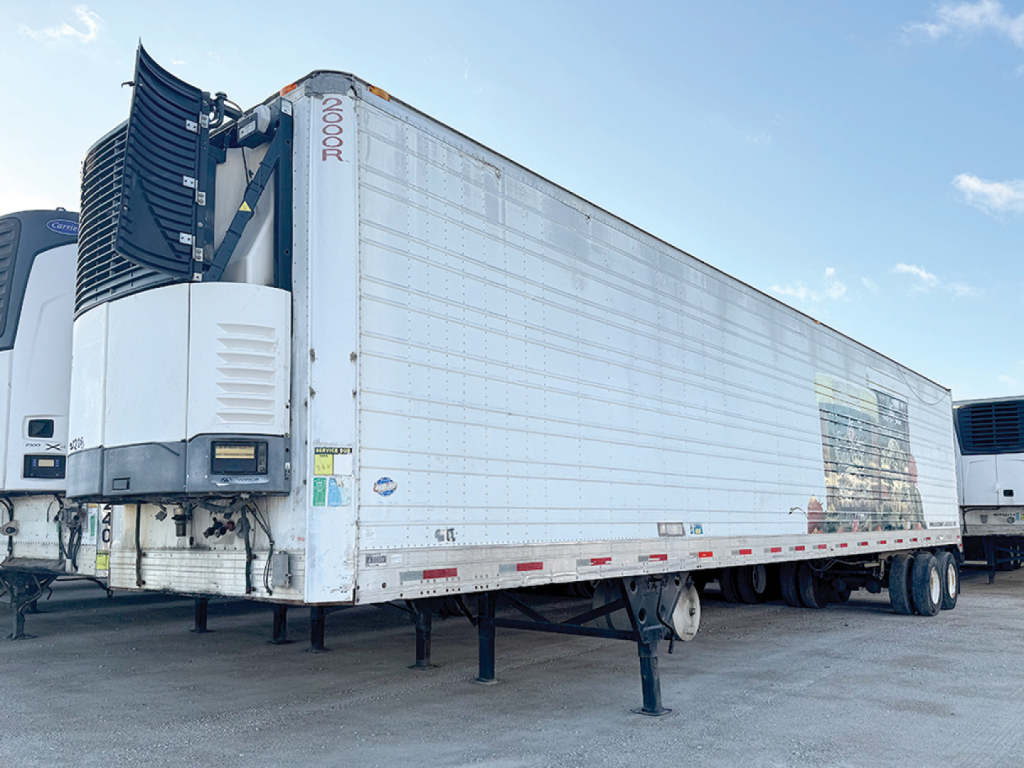
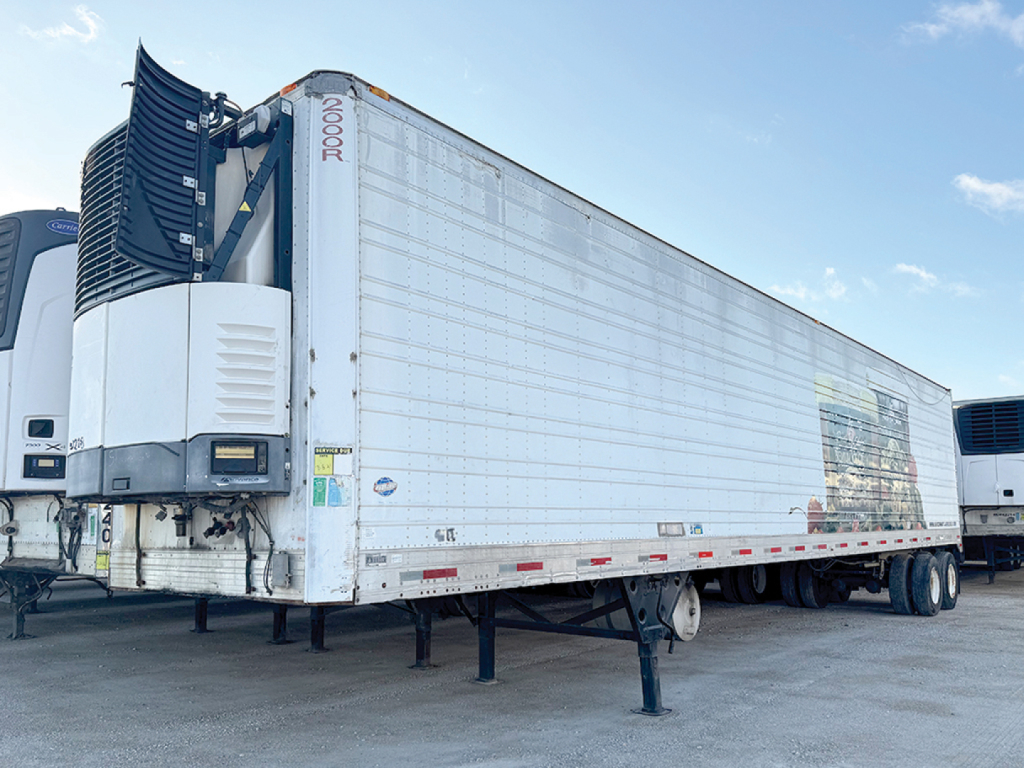
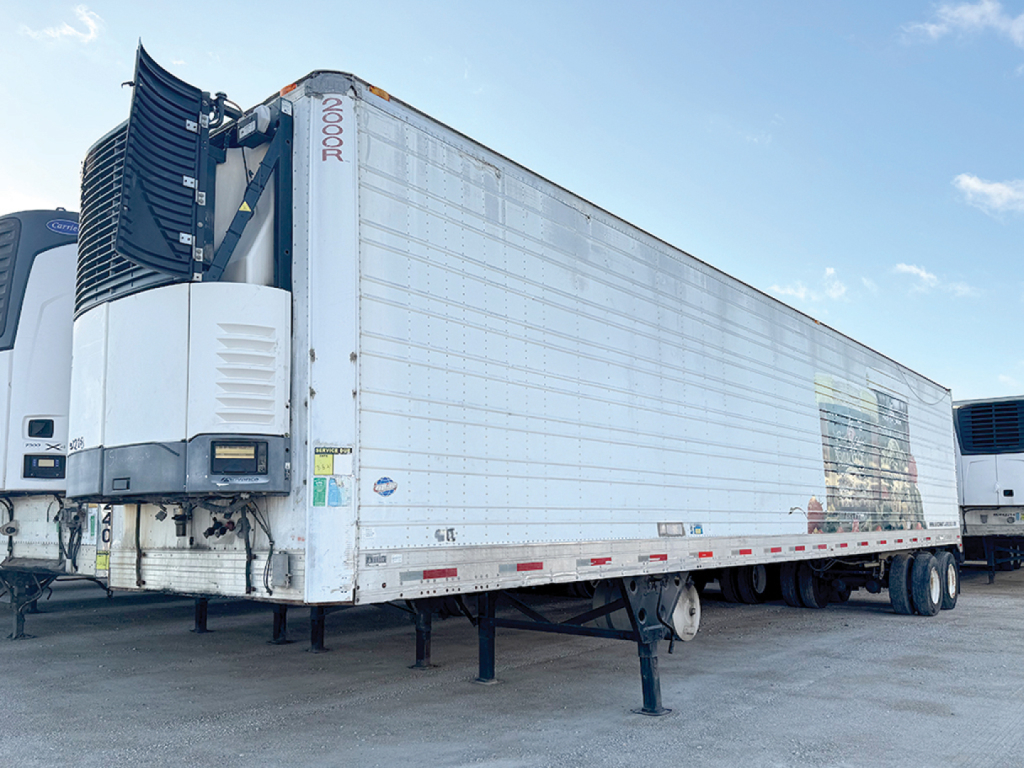
Shop 1995 Utility reefer trailers for sale in Texas. Compare insulated van specs, refrigeration setups, suspension, floor type, and condition.
Learn more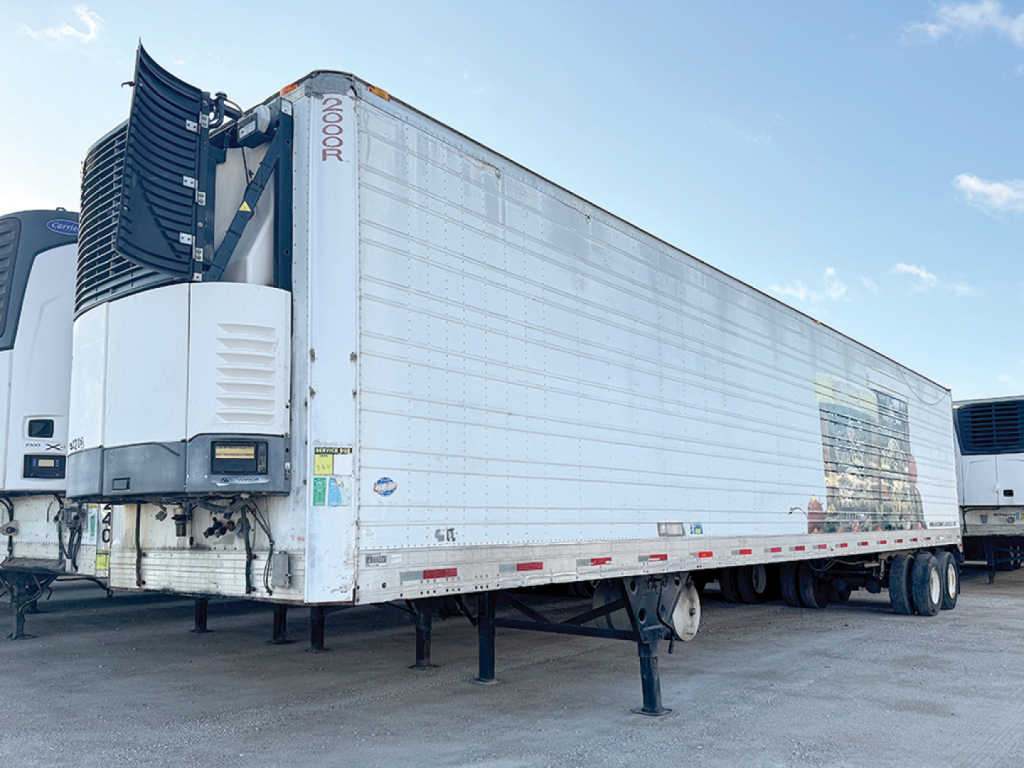

Have 1995 utility reefer trailer to sell? List it here to reach thousands of buyers.
About 1995 Utility Reefer Trailers in Texas
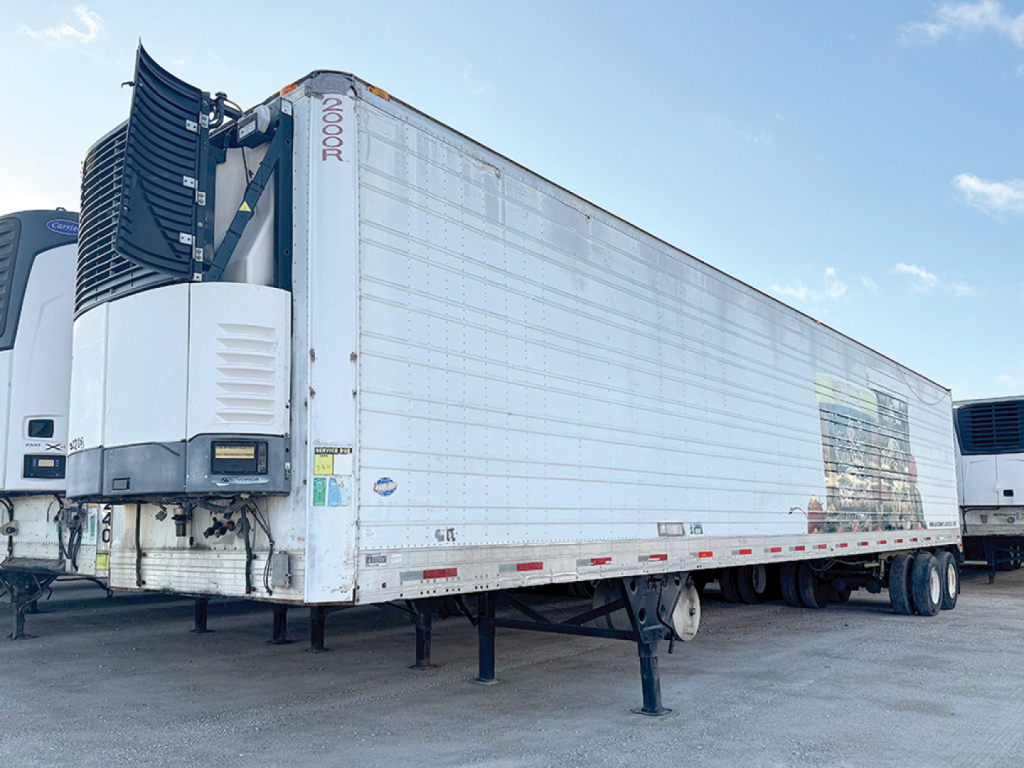
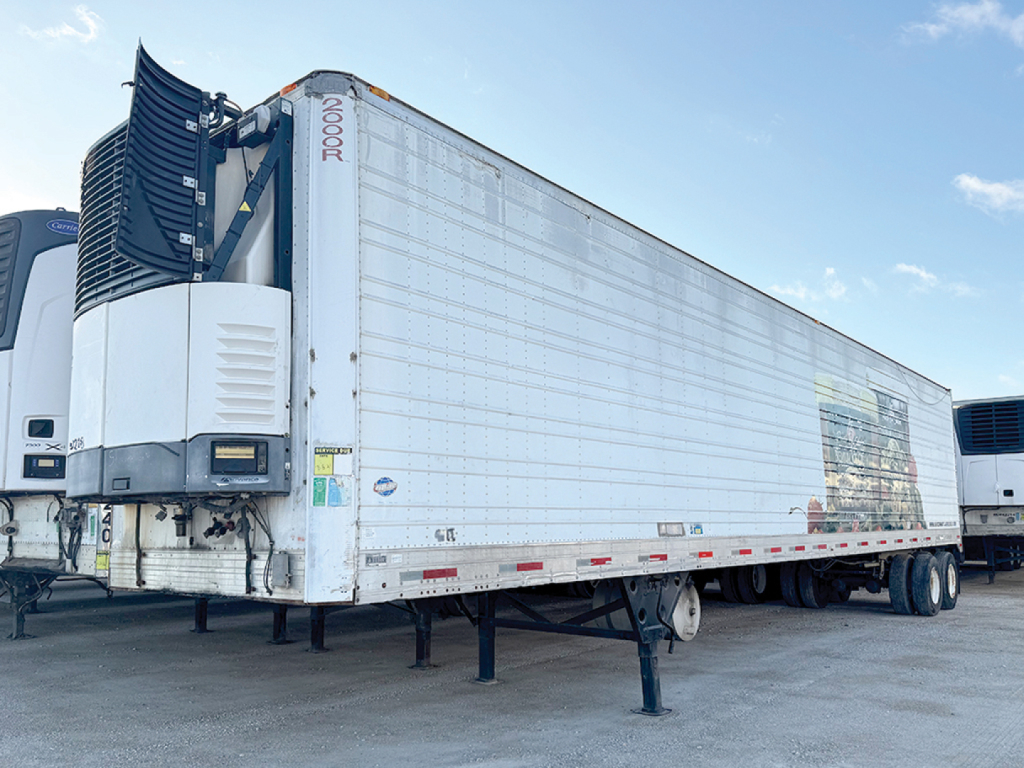
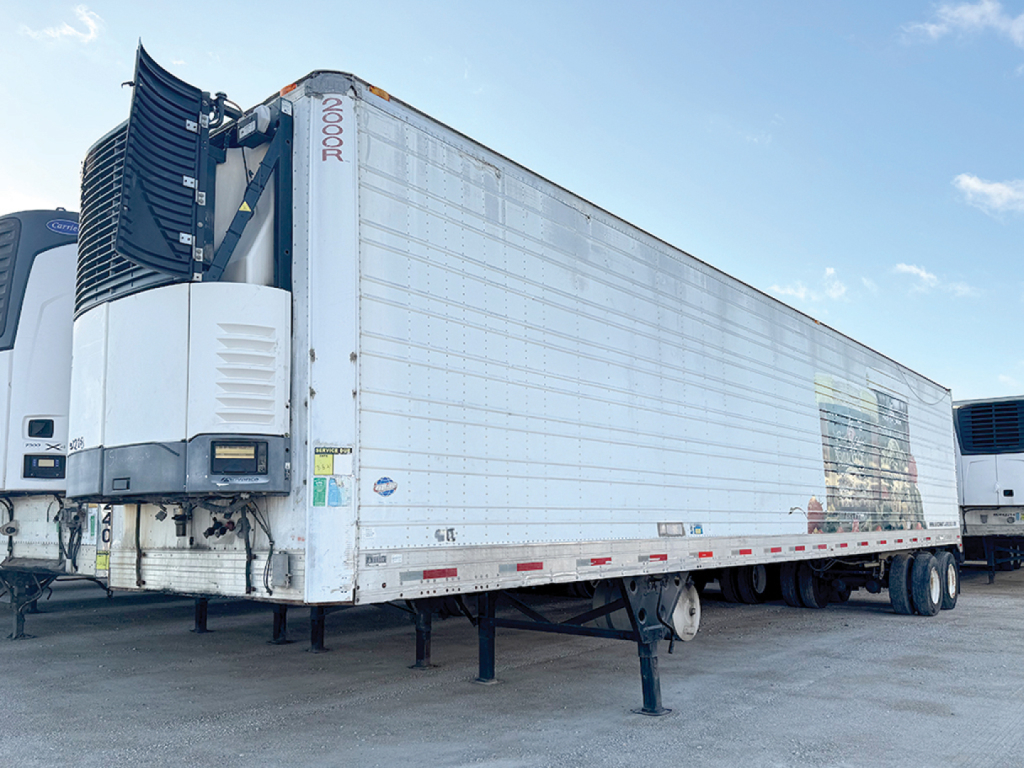
On a 1995 model, common buying decisions come down to trailer dimensions, floor design, suspension, and tandem configuration. Many reefer trailers are 48-foot or 53-foot, with widths commonly around 96 or 102 inches and overall height near 13 feet 6 inches. Utility reefer trailers are often aluminum-bodied, which helps with corrosion resistance and tare weight, but age makes a close inspection essential around the front wall, crossmembers, rear frame, threshold, and upper rail. Inside, buyers should look for duct floors or heavy-duty aluminum floors that maintain airflow under the load, plus scuff liners or scuff plates that protect the sidewalls from pallet and forklift damage. Swing doors, door frames, and stainless front radius panels are all areas where visible repairs or fatigue can tell you a lot about prior use.
The refrigeration unit itself is a major part of the value. On an older reefer trailer, condition and maintenance history usually matter more than brand alone. Confirm engine hours, controller operation, pull-down performance, fuel system condition, and whether the unit can hold setpoint consistently under load. A clean cold chute, intact bulkhead area, solid insulation, and tight door gaskets all support even temperature distribution. It is also worth checking for air ride suspension, sliding tandems, wheel-end condition, brake type, and tire size, since these affect ride quality, weight distribution, maintenance cost, and compliance. If the trailer will run regional grocery, produce, or frozen lanes in Texas, pay close attention to how well it handles frequent door cycles and hot-weather recovery.
For many buyers, a 1995 Utility reefer trailer fits best as a lower-cost option for seasonal work, short-haul refrigerated service, cold storage support, or farm-to-market freight rather than high-mileage premium over-the-road operation. The right trailer is the one with a sound box, a floor that still supports airflow and forklift traffic, and a reefer unit that has documented upkeep. When comparing listings, it helps to separate cosmetic age from structural and thermal condition. A straight frame, dry interior, solid rear doors, and dependable refrigeration performance usually matter more than appearance on an older refrigerated trailer.
Frequently Asked Questions
What should I inspect first on a 1995 Utility reefer trailer?
Start with the trailer box and the refrigeration system. Check the front wall, roof, floor, crossmembers, rear frame, and door area for corrosion, patches, cracks, or impact damage. Then inspect the reefer unit for operating hours, service records, start-up behavior, setpoint accuracy, and pull-down performance. On an older reefer, structural integrity and the ability to maintain temperature are the two biggest value drivers.
Are older Utility reefer trailers still practical for Texas service?
They can be, but only if the insulation, door seals, and refrigeration unit are still performing correctly. Texas heat puts extra demand on any reefer trailer, especially during loading delays and frequent door openings. A 1995 model may still work well for regional lanes, storage use, or seasonal freight if it cools properly and the trailer body is tight. Weak insulation or air leaks become expensive fast in hot-weather operation.
What floor type is best in a refrigerated trailer?
A duct floor or heavy-duty aluminum floor is common in reefer service because it supports airflow under the freight while also handling pallet jack and forklift traffic. The best choice depends on your cargo and loading pattern, but the key is condition. Bent channels, crushed sections, or repairs that block airflow can lead to uneven temperatures and cargo claims. Buyers should also inspect scuff liners and lower wall areas for signs of repeated forklift damage.
How important is the reefer unit brand on a 1995 trailer?
Brand matters less than maintenance history and current operating condition on a trailer of this age. Carrier and Thermo King units are both common in the market, but a well-maintained unit with clean starts, stable temperature control, and documented service is usually the better buy. Look at engine hours, controller function, fuel system condition, and signs of refrigerant or oil leaks before putting too much weight on brand name alone.
Is a 48-foot or 53-foot reefer trailer the better choice?
A 53-foot reefer trailer usually gives more cube and is the standard choice for many over-the-road and grocery applications. A 48-foot trailer can still make sense for tighter routes, older fleet compatibility, or specific dock and lane requirements. The better choice depends on your freight profile, axle laws, and loading practices. Buyers should also consider tandem slide range, kingpin setting, and how the trailer will scale on their regular lanes.