
Utility Trailers For Sale in Nebraska
Shop Utility trailers for sale in Nebraska, including dry van and reefer models with specs buyers compare most: length, suspension, floors, and TRUs.
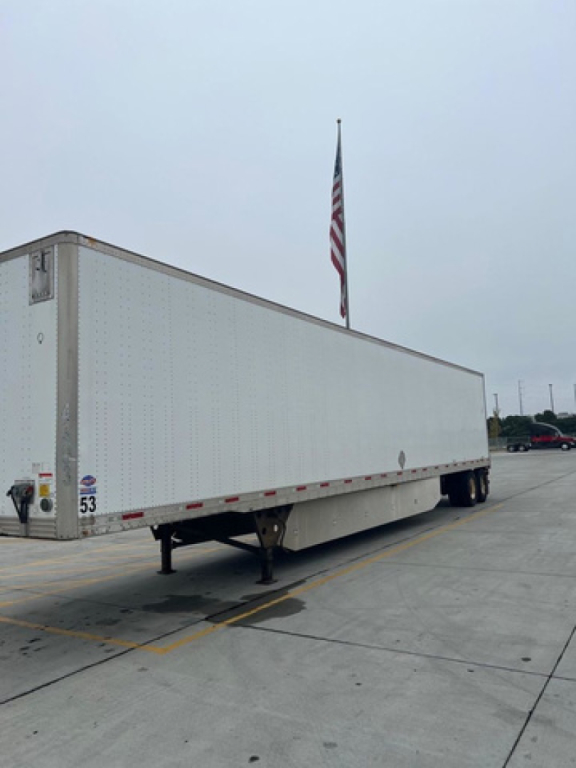
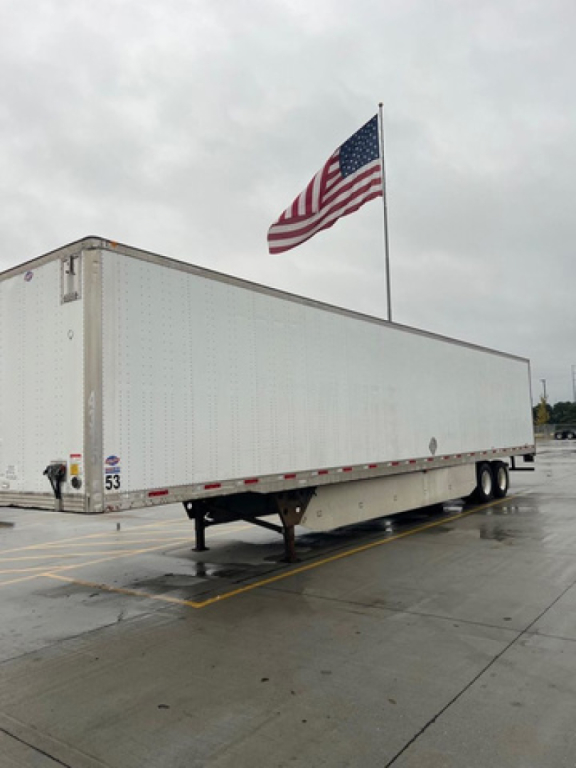
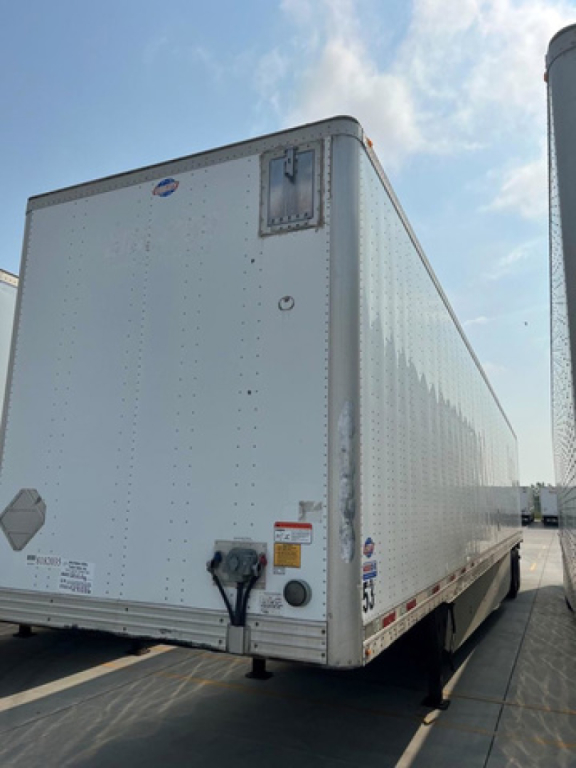
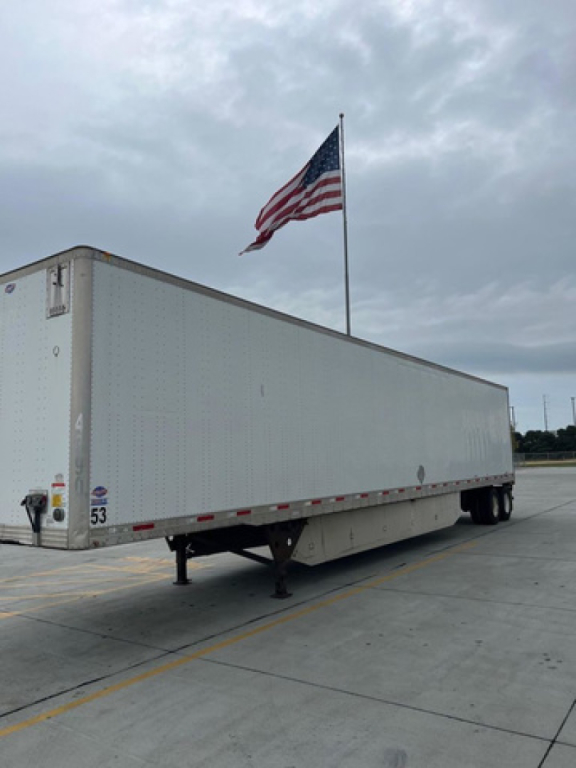
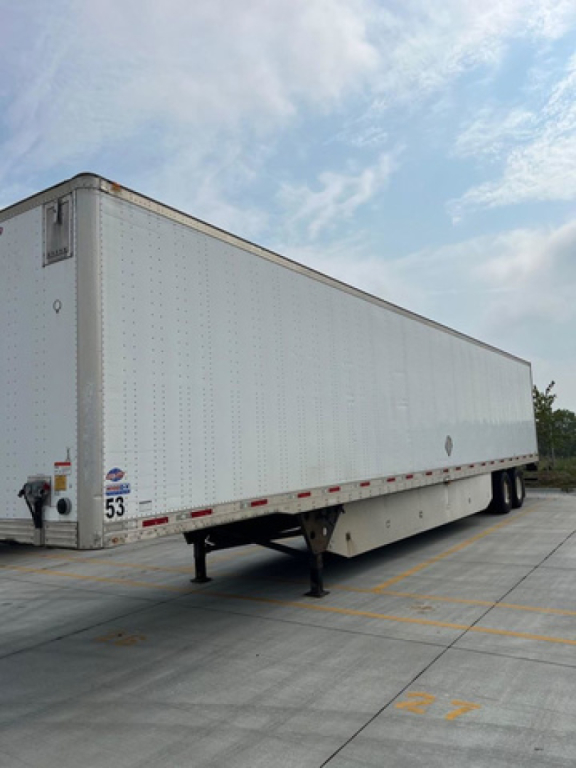
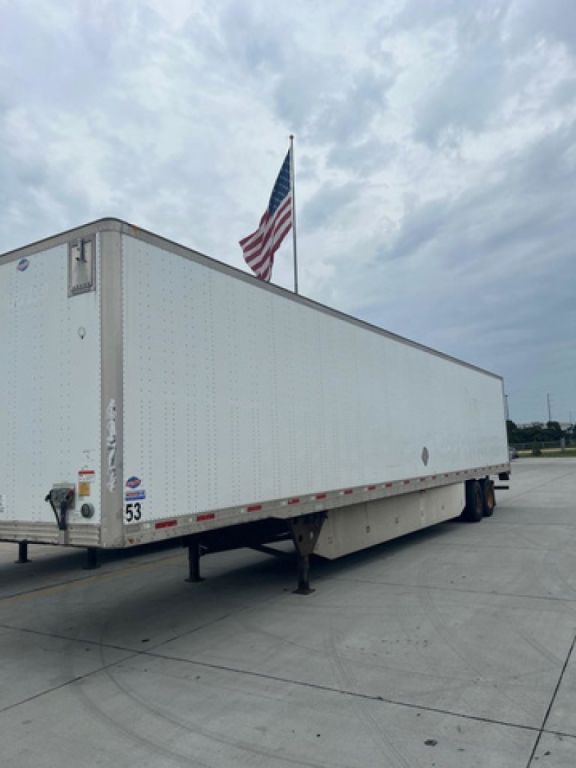
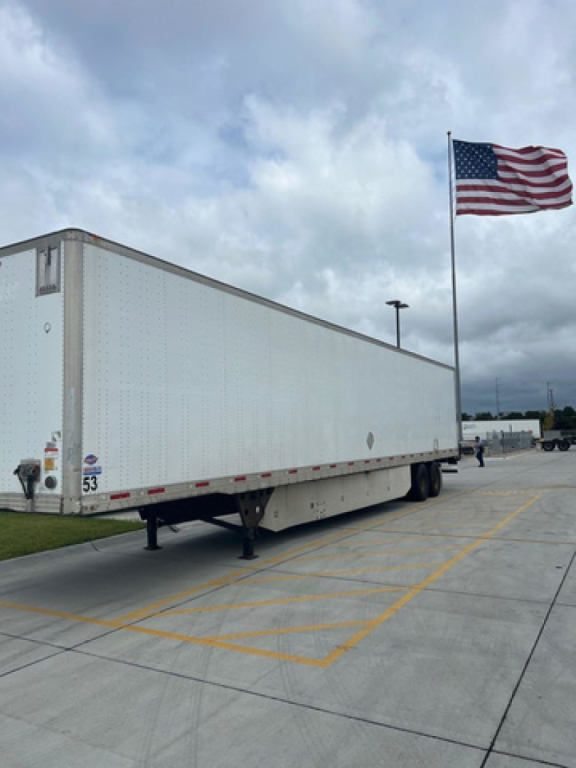
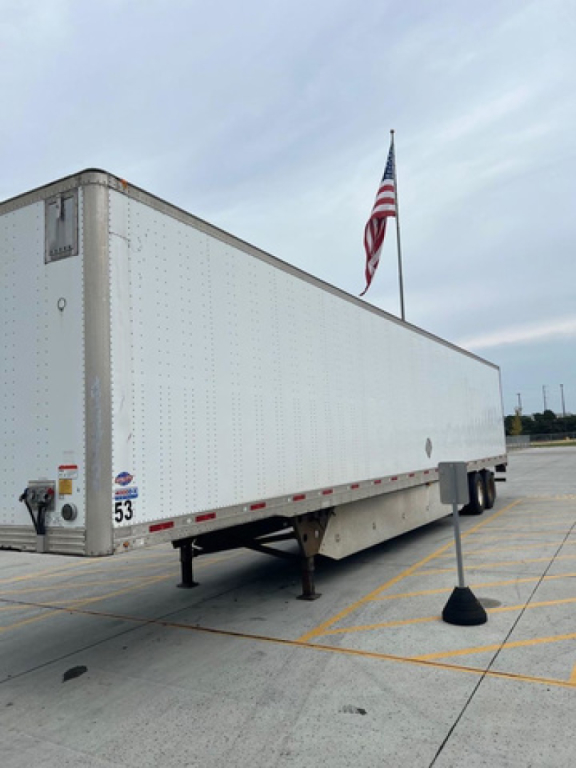
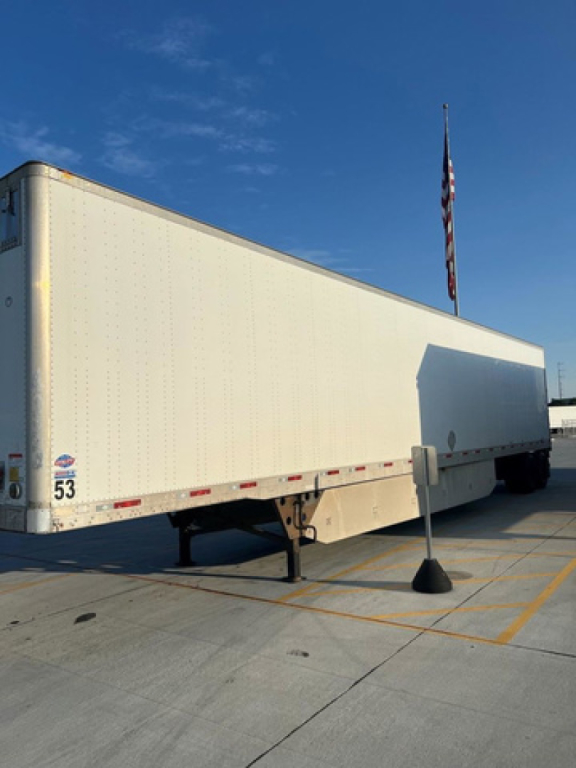
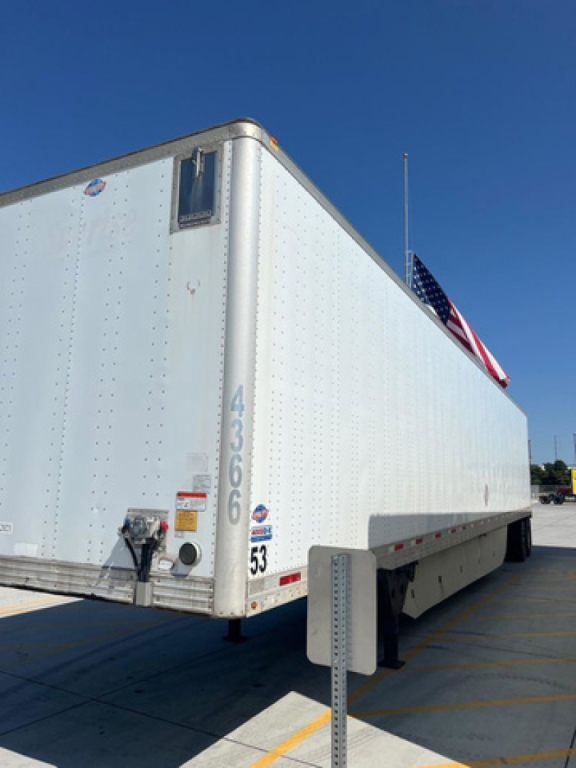
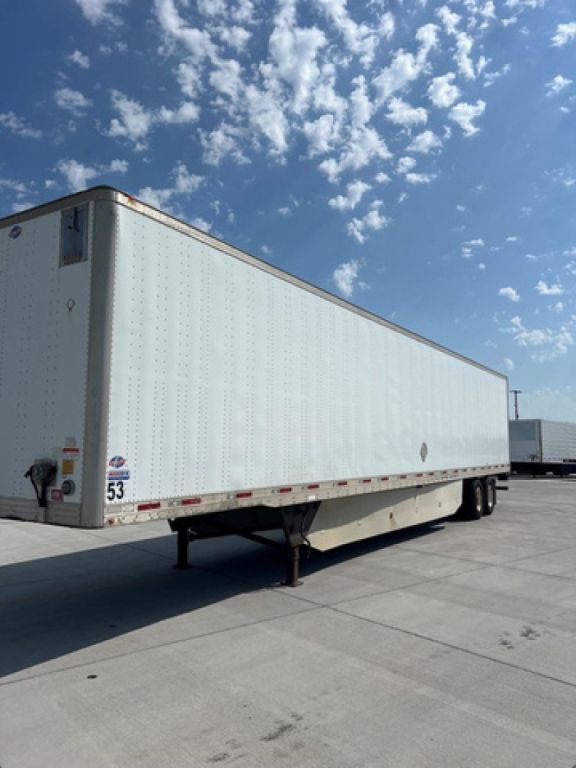
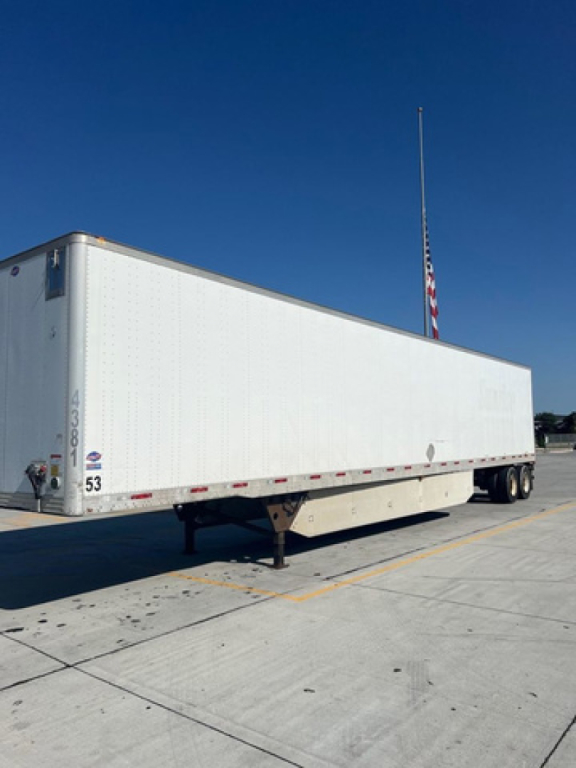
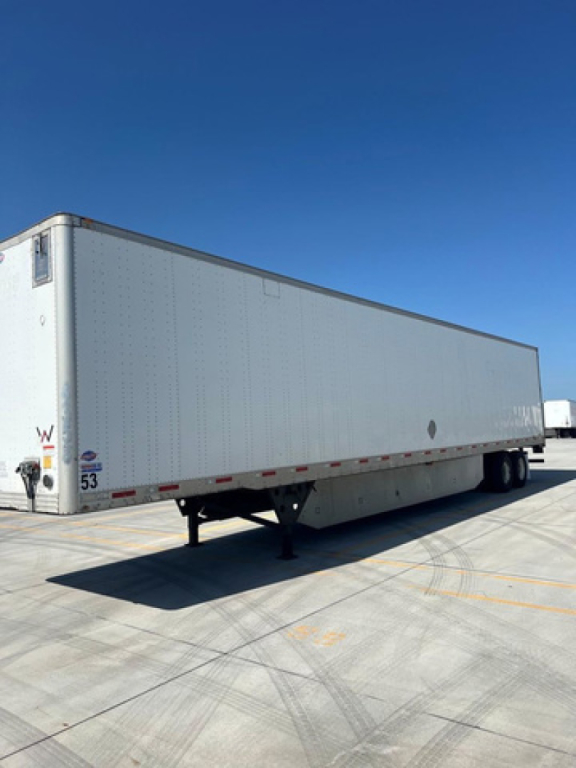
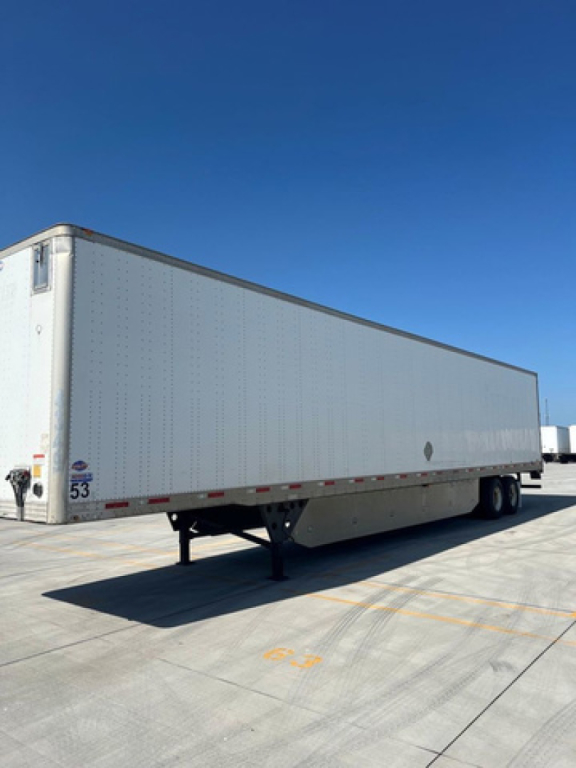
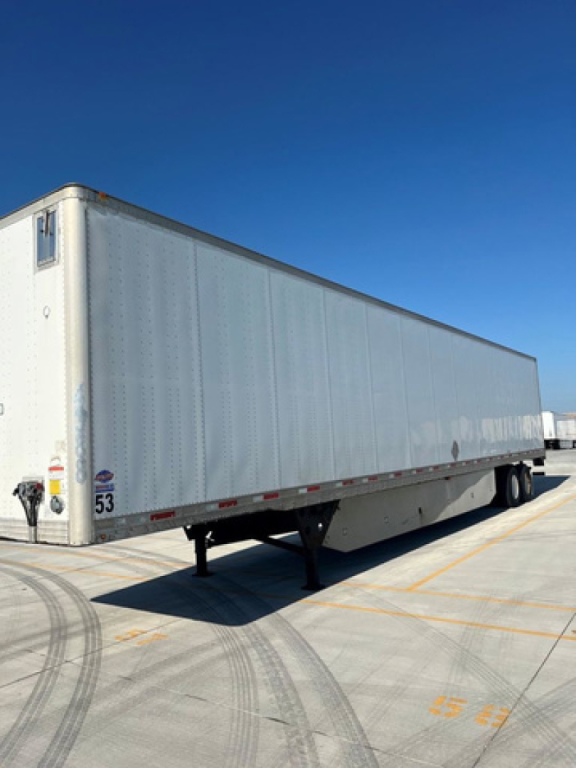
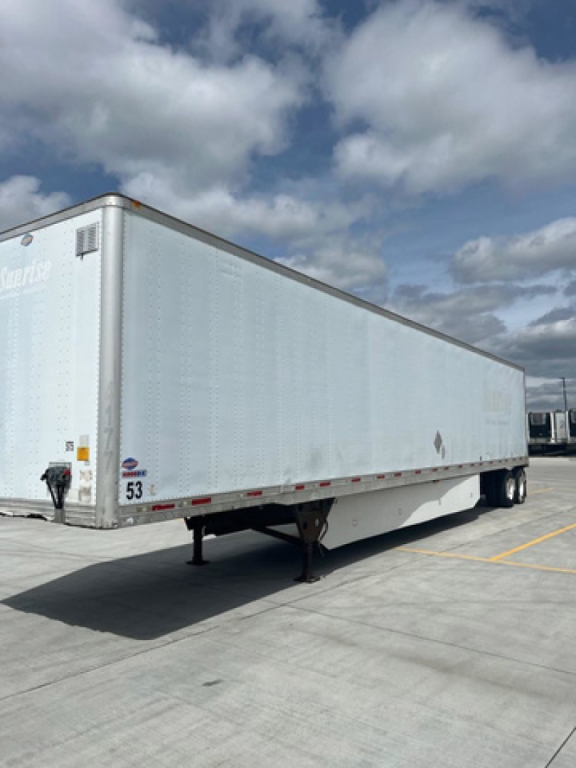

Showing 1 to 28 of 40 results
Selling a utility trailer? List your utility trailer for sale and reach thousands of commercial buyers.
Utility Trailers in Nebraska
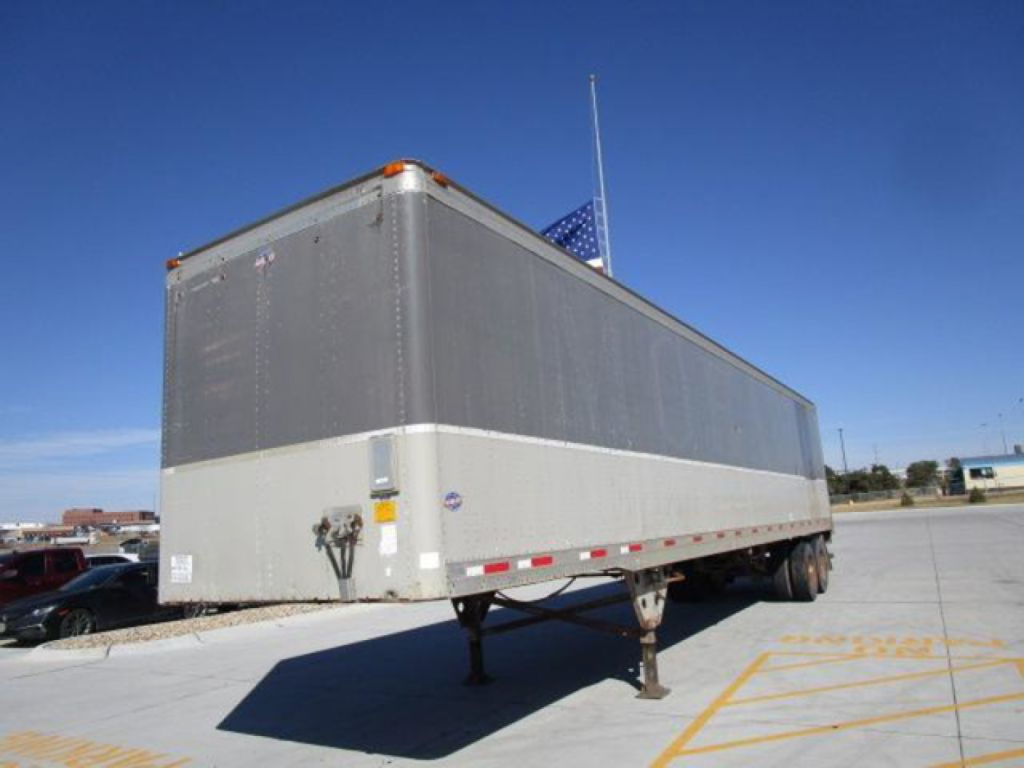
For dry van buyers, the key decisions usually start with trailer age, floor condition, suspension, and tandem setup. Many Utility dry vans are 53 feet long, 102 inches wide, and 13 feet 6 inches tall, with features such as wood floors, aluminum scuff liners or scuff plates, logistics posts, swing doors, and sliding tandems. Air ride suspension is a popular spec because it helps protect freight and reduces trailer shock on rough roads. Disc brakes are another valuable feature to watch for on later-model vans because they can improve stopping performance and simplify brake service intervals compared with drum setups. Stainless front radius panels, stainless rear frames, and threshold plates also matter on used trailers because they tend to hold up better in dock-heavy service.
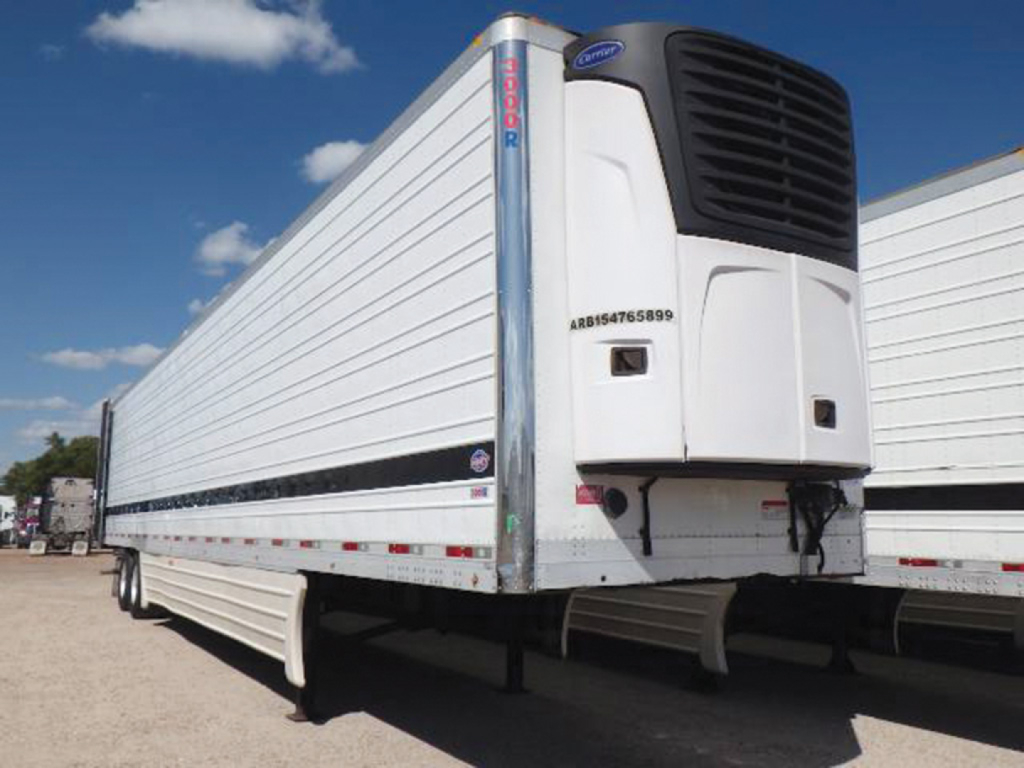
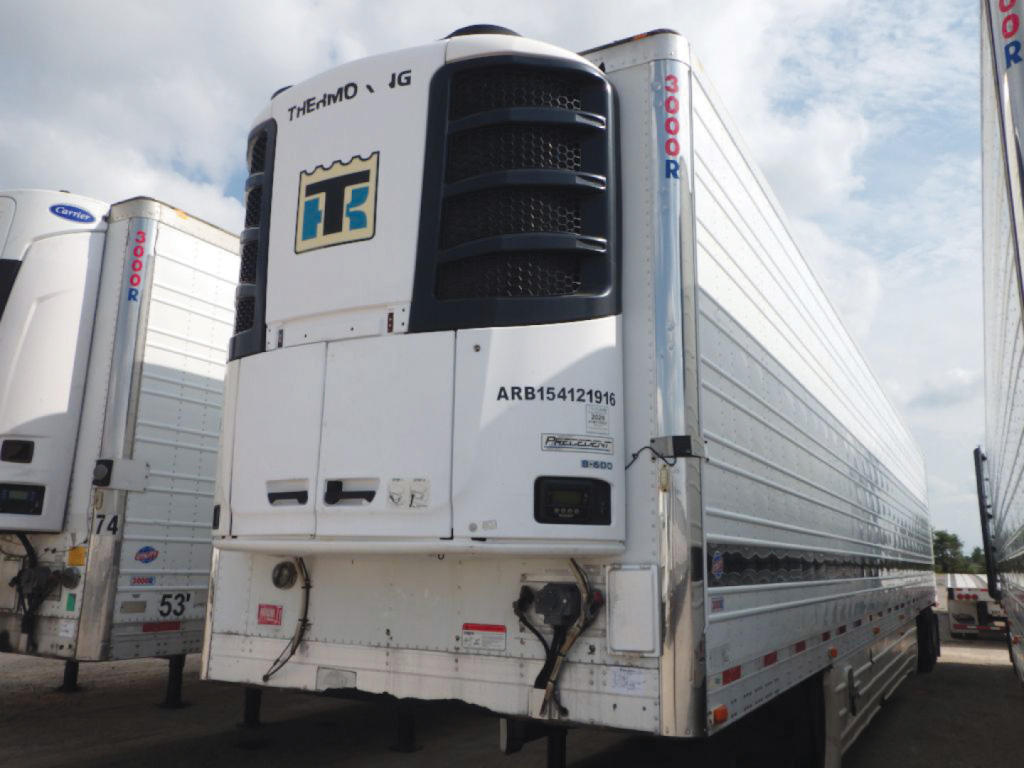
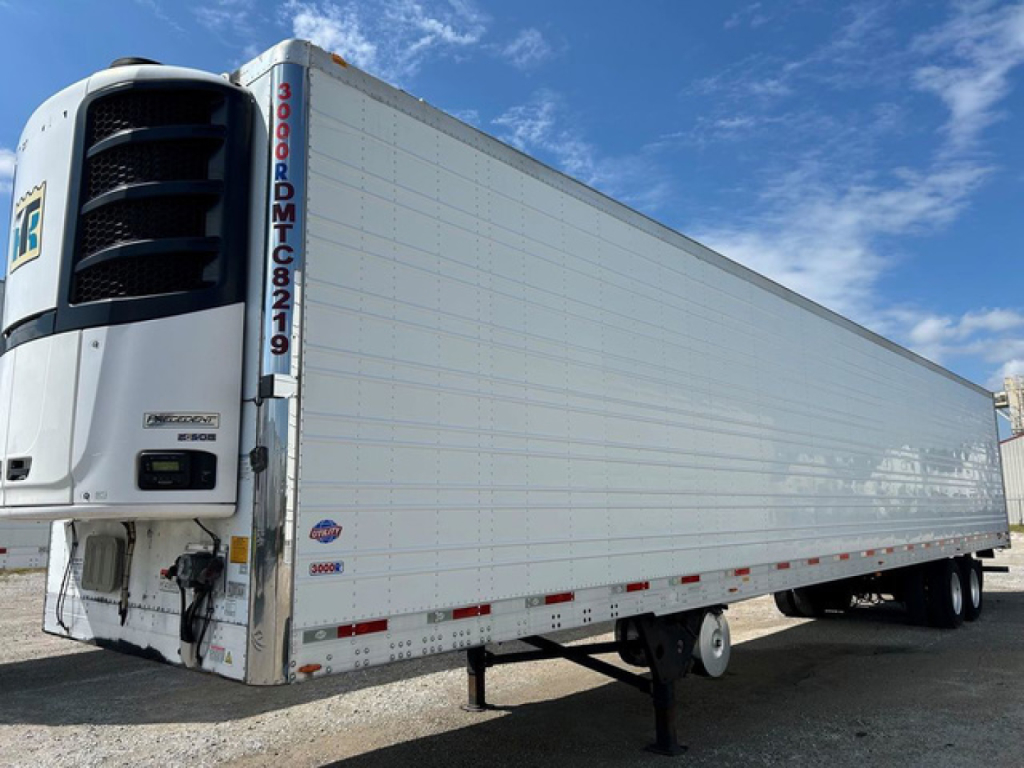
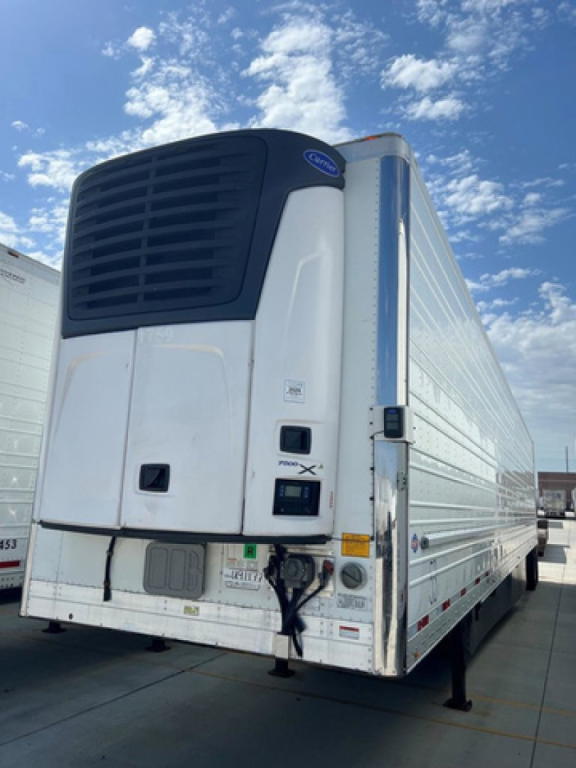
On refrigerated Utility trailers, buyers usually focus on the condition of the box first and the refrigeration unit second. The 3000R is well known in temperature-controlled freight, and common specs include heavy-duty aluminum duct floors, insulated walls, cold chutes, lined interiors, stainless door frames, and swing doors designed to manage repeated loading cycles. Refrigeration units from Carrier or Thermo King are common, and unit hours, maintenance history, and pull-down performance are more important than the badge alone. If the trailer will be used for produce, frozen freight, dairy, meat, or pharmaceutical lanes, pay close attention to floor design, door seals, interior lining condition, and any signs of moisture intrusion or patchwork repairs. A reefer with a sound box and documented unit service is usually the safer buy than one with lower hours but questionable insulation or body condition.
Utility trailer buyers in Nebraska should also think about lane length, winter operation, and local service support. Sliding tandems help with bridge law compliance and dock positioning, while low-profile 22.5 tires, aluminum wheels, and tire condition all affect operating cost. For storage use, an older Utility reefer or van can still be useful if the structure, doors, and floor remain sound, even if road service is no longer the goal. For over-the-road work, check roof integrity, crossmember condition, kingpin wear, rear frame alignment, suspension bushings, and signs of corrosion around the front wall and lower rails. A well-spec'd Utility trailer tends to appeal to both small fleets and larger operations because it is a familiar platform with widely understood parts, service requirements, and freight versatility.
Frequently Asked Questions about Utility Trailers in Nebraska
What are the most common Utility trailer models buyers look for?
The most common Utility trailer models on the used market are the 4000D-X dry van and the 3000R reefer. The 4000D-X is known as a lightweight aluminum dry van for general freight, while the 3000R is a refrigerated trailer built for temperature-controlled loads. Buyers also search by application, so Utility dry vans may be listed as van trailers and Utility reefers may appear under refrigerated trailers.
What should I inspect first on a used Utility reefer trailer?
Start with the trailer body and insulation, not just the refrigeration unit. Check the floor for damage, soft spots, or heavy wear, inspect the interior lining and door seals, and look for signs of water intrusion, patched panels, or poor repairs. After that, review the refrigeration unit hours, service records, engine performance, and pull-down capability. A reefer unit can be repaired or replaced, but a compromised insulated box is much more expensive to correct.
Are Utility dry vans a good fit for general freight?
Yes. Utility dry vans are widely used for packaged freight, retail loads, palletized goods, and distribution freight. Features like logistics posts, scuff liners, wood floors, swing doors, and sliding tandems make them adaptable to a broad range of shippers and dock environments. Their aluminum construction also helps keep tare weight competitive for fleets focused on payload efficiency.
Why do buyers prefer air ride suspension and sliding tandems on Utility trailers?
Air ride suspension helps reduce cargo shock and can improve ride quality for sensitive freight. Sliding tandems allow the trailer to be adjusted for bridge law compliance, axle weight distribution, and dock approach needs. Those two features are especially important for carriers running multi-state lanes, mixed freight, or customer locations with different loading configurations.
What matters most when comparing used Utility trailers in Nebraska?
Condition and spec matter more than model year alone. Buyers should compare trailer type, floor and roof condition, brake setup, suspension, tandem configuration, tire condition, wheel material, and any signs of structural repair. In Nebraska, it is also smart to consider winter exposure, corrosion around the undercarriage, and whether local service support is available for the refrigeration unit if the trailer is a reefer.