
Utility Reefer Trailers For Sale in Nebraska
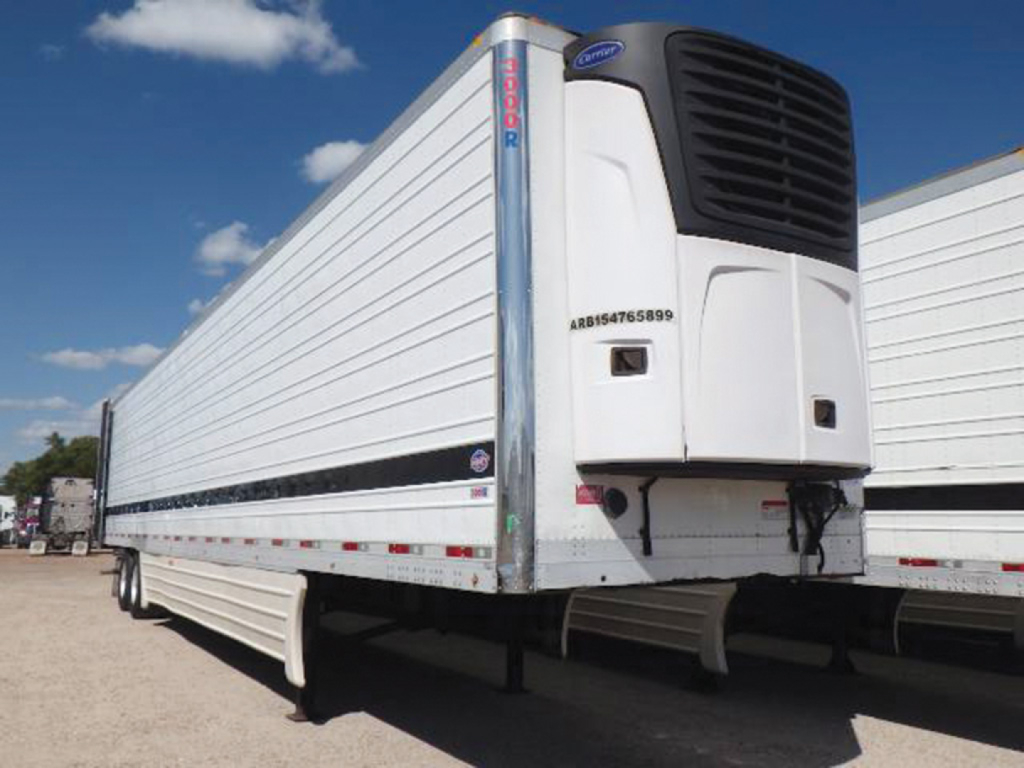
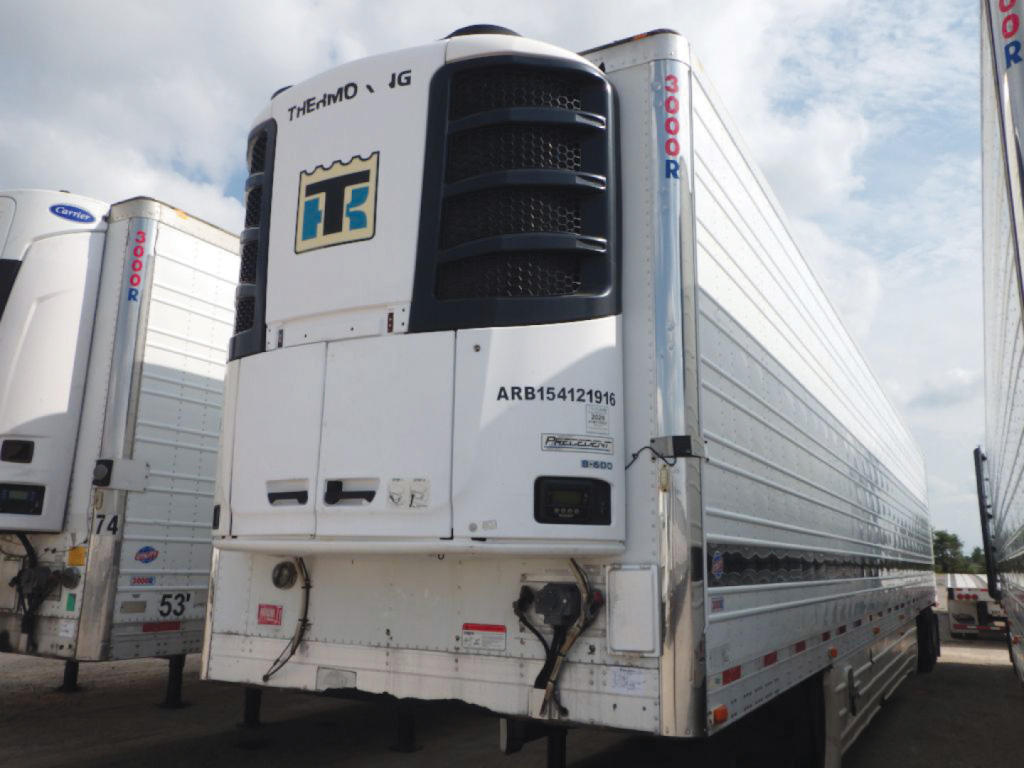
Browse Utility reefer trailers for sale, including 3000R models with insulated bodies, air ride, sliding tandems, and common Carrier units.

Selling a utility reefer trailer? List your utility reefer trailer for sale and reach thousands of commercial buyers.
Utility Reefer Trailers in Nebraska
For most operations, the reefer unit and floor design matter as much as the trailer itself. Many Utility reefers are spec'd with Carrier units such as the 2100A or X4 7300, and those differences affect fuel use, pull-down performance, maintenance cost, and suitability for deep-frozen versus chilled freight. Interior features like a heavy-duty aluminum duct floor, cold chute, rear vent, and scuff plate are important if the trailer sees frequent loading cycles or mixed product. Swing doors remain common, and stainless steel door frames, front radius panels, and quilted doors can add durability in dock-heavy service where impact and corrosion resistance count.
Suspension and running gear also deserve close attention. Air ride suspension is common on Utility refrigerated trailers because it helps protect sensitive cargo and improves ride quality. Sliding tandems give the flexibility needed for bridge law compliance and dock positioning, while 22.5 low-profile tires, disc wheels, tire inflation systems, and aerodynamic side skirts can all influence operating cost. Buyers comparing used Utility reefer trailers should pay close attention to reefer unit hours, service records, floor wear, door seal condition, evaporator condition, and the state of the interior liner and insulation package. A clean body with a tired unit is a different purchase than a solid refrigeration system on a trailer with heavy dock and forklift wear.
In Nebraska and across the Midwest, Utility reefer trailers are a practical fit for food distribution, cold storage transfer, and agricultural supply chains where dependable temperature control is non-negotiable. They are also known simply as refrigerated trailers or reefers. Utility has a strong reputation in fleets that prioritize serviceability and resale value, which makes the brand a common choice in the secondary market. The right trailer depends on lane length, product type, dock environment, and how much emphasis your operation places on unit performance, insulation integrity, and trailer weight.
Frequently Asked Questions about Utility Reefer Trailers in Nebraska
What is the most common Utility reefer trailer configuration?
The most common configuration is a 53-foot Utility 3000R reefer trailer with a 102-inch width, 13-foot 6-inch height, air ride suspension, and sliding tandem. Many are built with aluminum components to help control tare weight while maintaining structural durability for grocery and refrigerated freight service.
What should I inspect first on a used Utility reefer trailer?
Start with the refrigeration unit, then move to the trailer body and interior. Unit hours, maintenance history, start-up behavior, temperature hold, and alarm history are critical. On the trailer side, inspect the floor for forklift damage, check scuff liners and door seals, look for moisture intrusion or insulation issues, and verify the condition of the suspension, tires, brakes, and tandem slide.
Are Carrier units common on Utility reefer trailers?
Yes. Carrier refrigeration units are commonly found on Utility reefer trailers, including fleet-familiar models such as the 2100A and X4 7300. Buyers typically compare unit age, hours, emissions generation, service support, and temperature recovery performance when evaluating a reefer trailer with a Carrier system.
Why do features like duct floors, cold chutes, and rear vents matter on a reefer trailer?
These features help manage airflow and protect product temperature across the length of the trailer. A duct floor supports consistent circulation under the load, a cold chute helps move supply air where it is needed, and a rear vent can assist with airflow balance in certain applications. They become especially important in multi-temp-sensitive freight, dense loads, and frequent-stop distribution.
Are Utility reefer trailers a good fit for Midwest food freight?
Utility reefer trailers are well suited for Midwest food and produce lanes because they are commonly spec'd for high-cycle distribution and long-haul refrigerated service. In markets like Nebraska, buyers often look for durable interiors, reliable reefer units, and road-friendly suspension specs that can handle a mix of interstate runs, warehouse docks, and seasonal temperature swings.