
Utility Dry Van Trailers For Sale in Nebraska
Compare Utility dry van trailers for sale in Nebraska by floor rating, axle setup, and condition. Know what to inspect for winter corrosion and leaks.
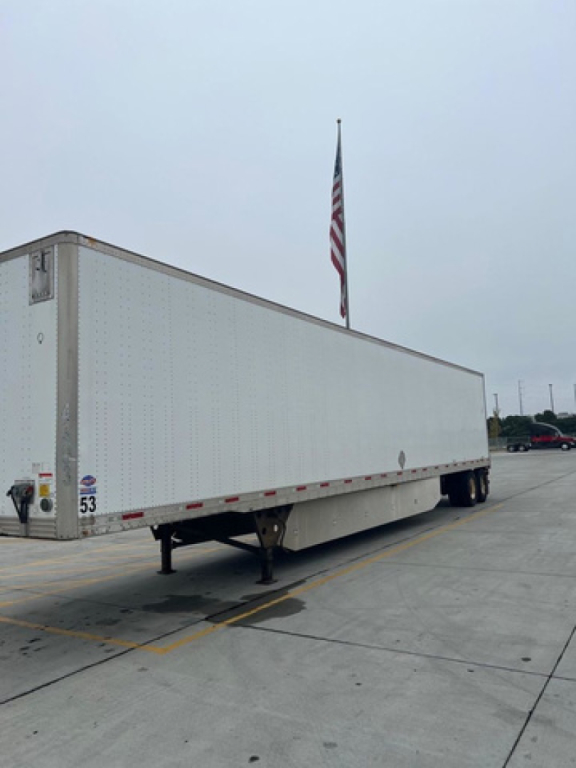
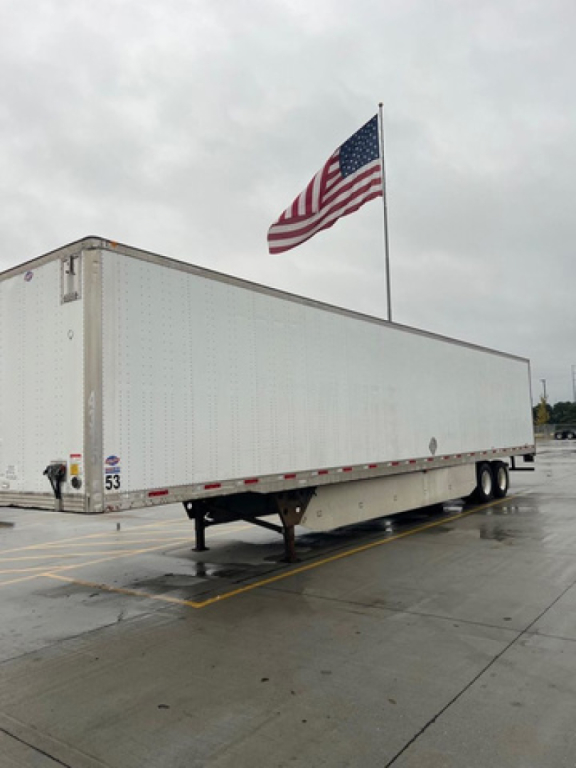
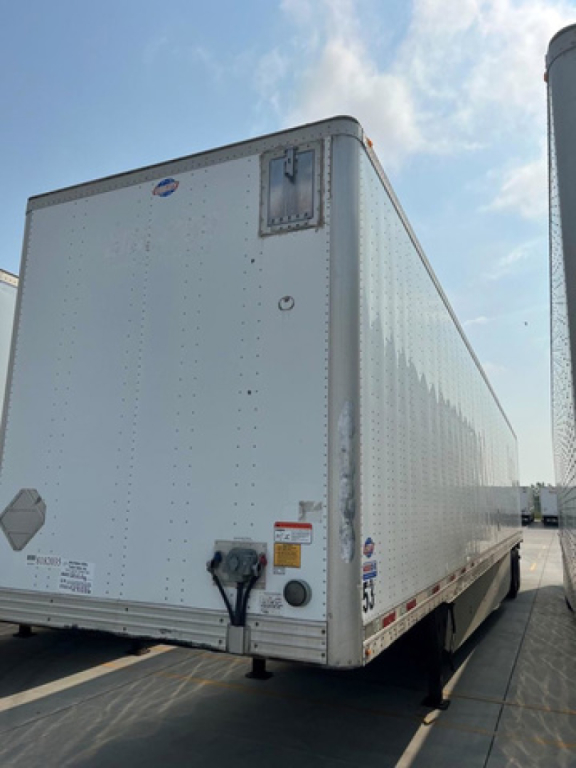
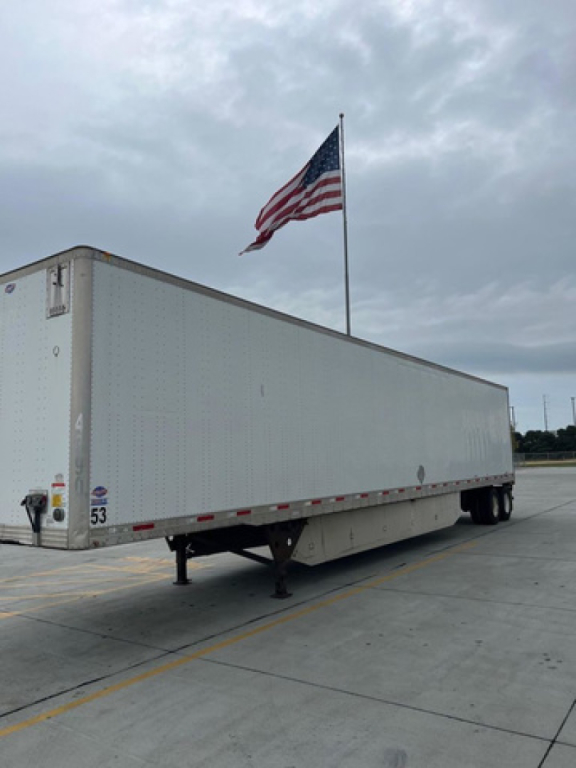
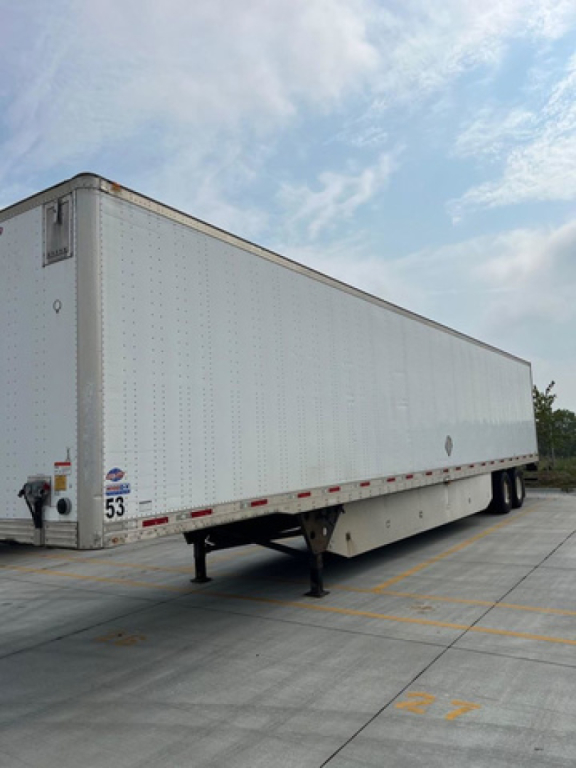
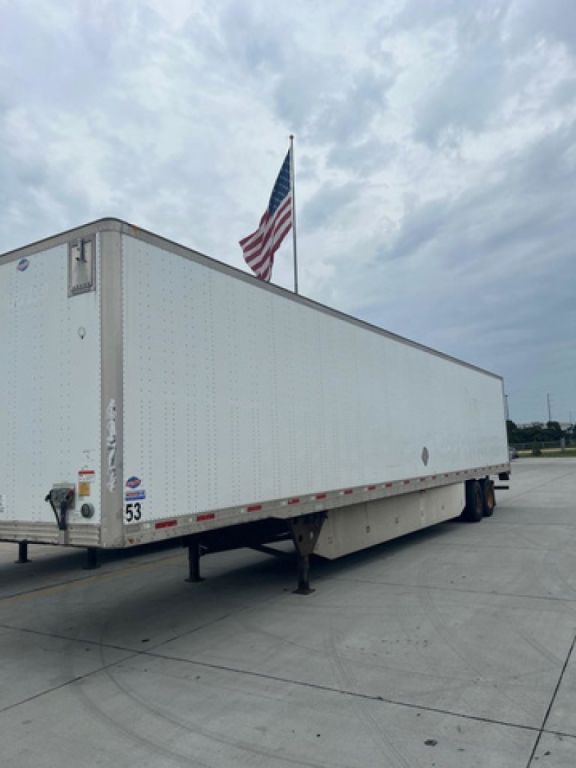
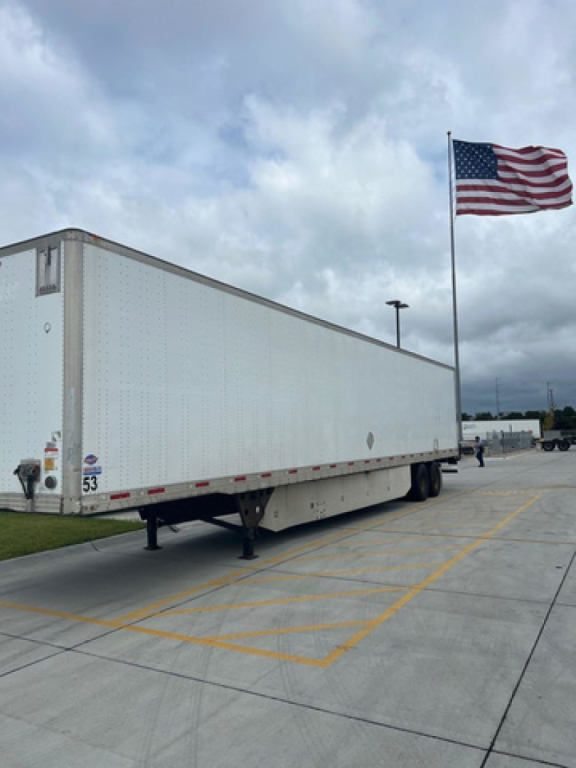
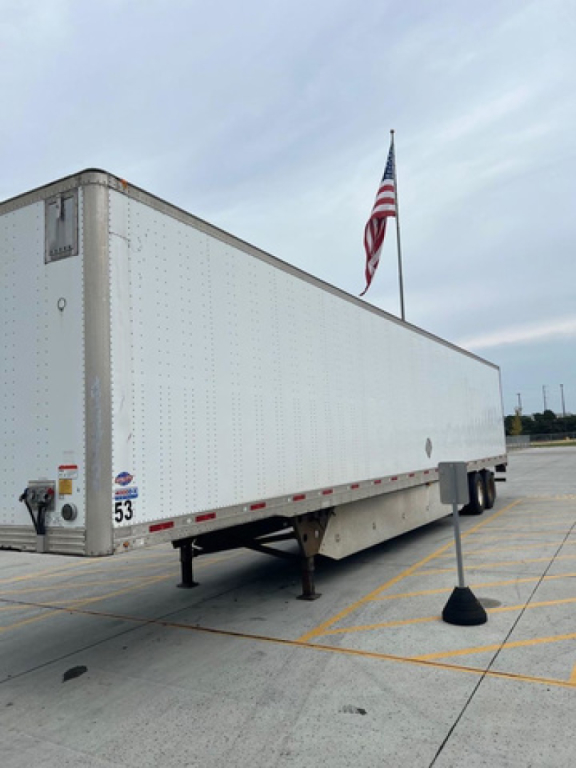
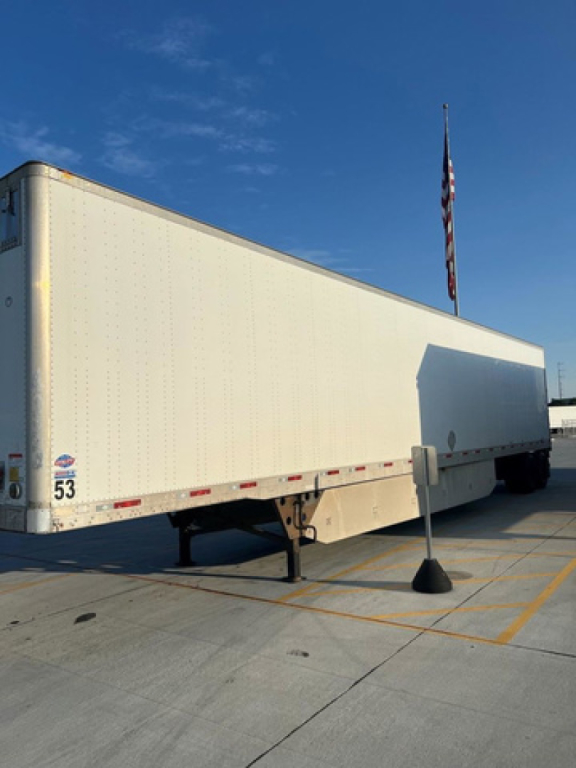
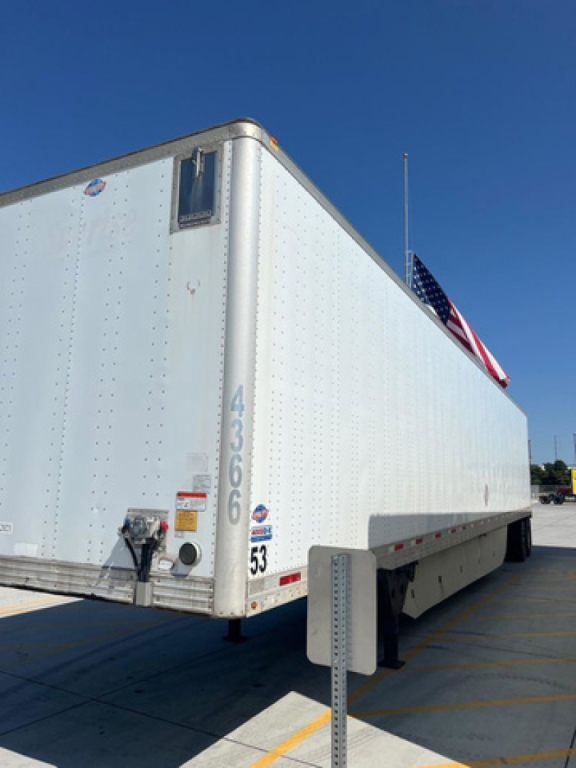
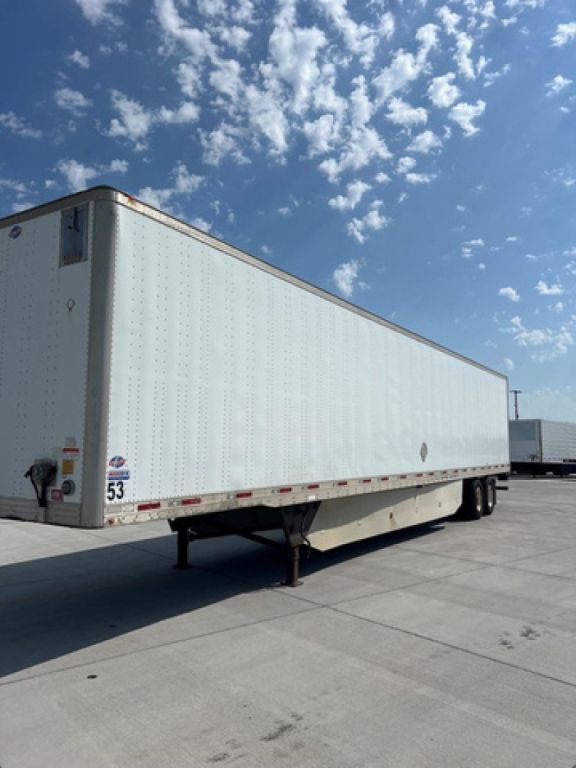
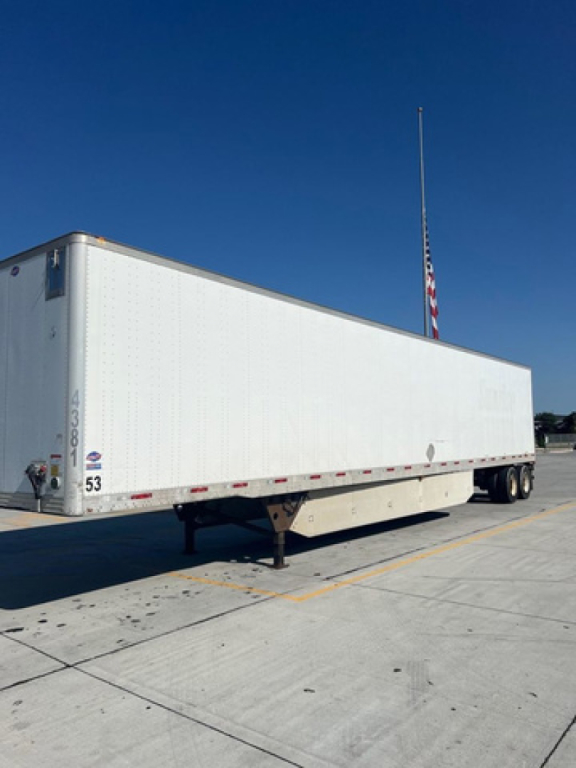
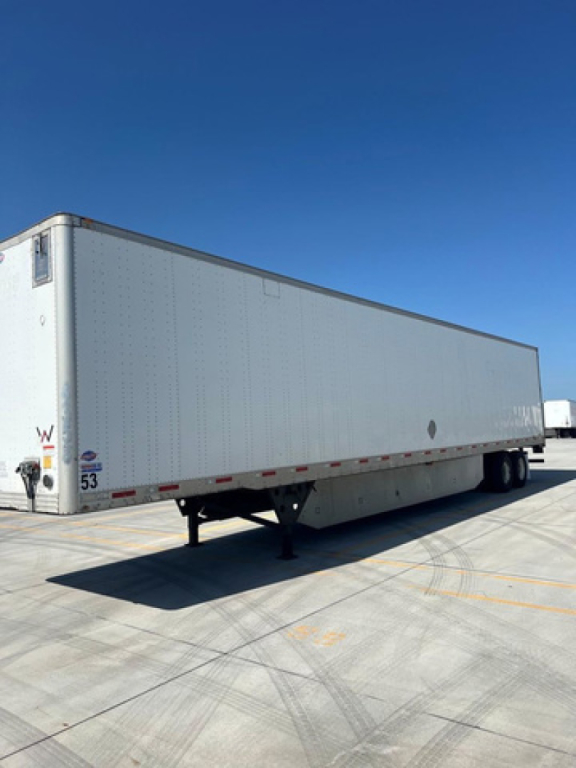
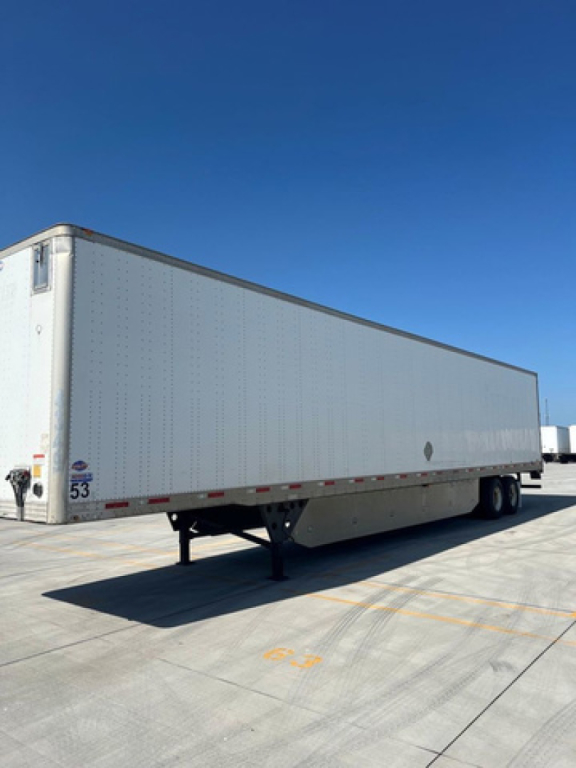
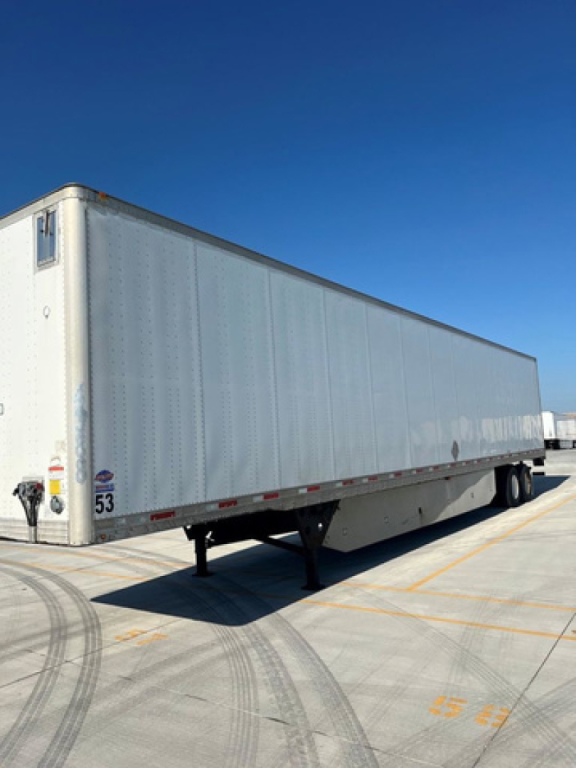
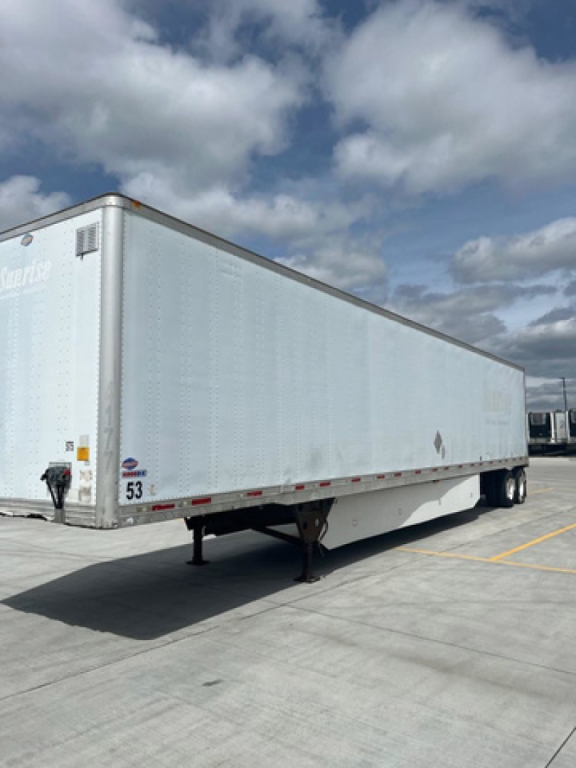
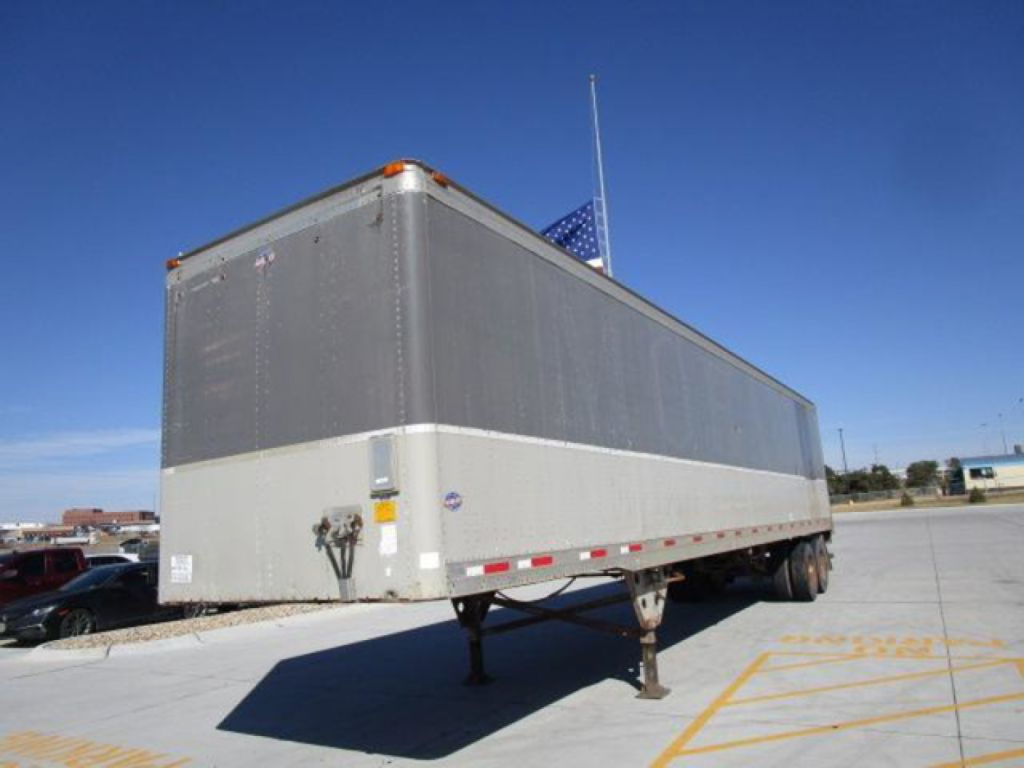

Selling a utility dry van trailer? List your utility dry van trailer for sale and reach thousands of commercial buyers.
Utility Dry Van Trailers in Nebraska
Used trailers need close inspection for floor deterioration, damaged crossmembers, loose wall connections, and leaks at roof seams and rear door seals. Nebraska winter deicers make suspension hangers, brake hardware, and the tandem slider particular corrosion concerns. Review maintenance records, test ABS operation, and check tire wear for alignment problems. For new equipment, specify floor capacity, door configuration, cargo securement, and tire inflation options before ordering. Confirm written warranty terms and account for the 12% federal excise tax on qualifying new heavy trailers.
Frequently Asked Questions about Utility Dry Van Trailers in Nebraska
What weight limits apply to a Utility dry van on Nebraska Interstate highways?
A standard tractor and dry van combination on Nebraska Interstate highways is generally limited to 80,000 pounds gross, 20,000 pounds on a single axle, and 34,000 pounds on a tandem. Federal Bridge Formula limits can reduce allowable weight based on axle spacing. Sliding Utility trailer tandems changes axle distribution, not rated capacity; tractor ratings, trailer ratings, route restrictions, and applicable exceptions still govern.
Should I choose swing doors or a roll-up door on a Utility dry van?
Swing doors typically provide more usable rear opening for palletized freight than a roll-up door. A Utility dry van with a roll-up door can suit frequent stops and docks where opening swing doors outside is inconvenient. Measure clear height with the roll-up door fully open, and inspect tracks, rollers, springs, and header clearance before choosing a delivery configuration.
Can a Utility dry van haul Nebraska food shipments?
Yes, a clean, dry Utility van can carry shelf-stable packaged food when the shipper permits unconditioned transport. A dry van cannot maintain chilled or frozen temperatures, and Nebraska's summer heat and winter cold can still damage temperature-sensitive products. Check the shipper's temperature limits, sanitation requirements, previous-cargo restrictions, odor tolerance, and seal procedures before assigning a trailer to food service.
Are aluminum wheels worth specifying on a Utility dry van?
Aluminum wheels reduce tare weight compared with comparable steel wheels, which can increase usable payload on weight-limited Nebraska freight. Steel wheels remain a practical choice where weight savings matter less. For a Utility dry van, compare wheel load ratings, hub fit, mounting requirements, corrosion condition, and maintenance practices rather than material alone. Inspect either type for cracks, damaged stud holes, and evidence of loose fasteners.
How do I verify that a Utility dry van floor can handle my forklift?
The loaded forklift's front axle load is the key figure for checking a Utility dry van floor rating, not the forklift's empty weight. Obtain the manufacturer's floor rating and load assumptions for the trailer configuration. Wheel spacing and cargo weight affect loading stresses. A higher trailer GVWR does not prove that the floor can safely support a heavier forklift.