
2027 Utility Trailers For Sale
Shop 2027 Utility trailers for sale, including dry van and reefer models with air ride, sliding tandems, aluminum wheels, and fleet-ready specs.
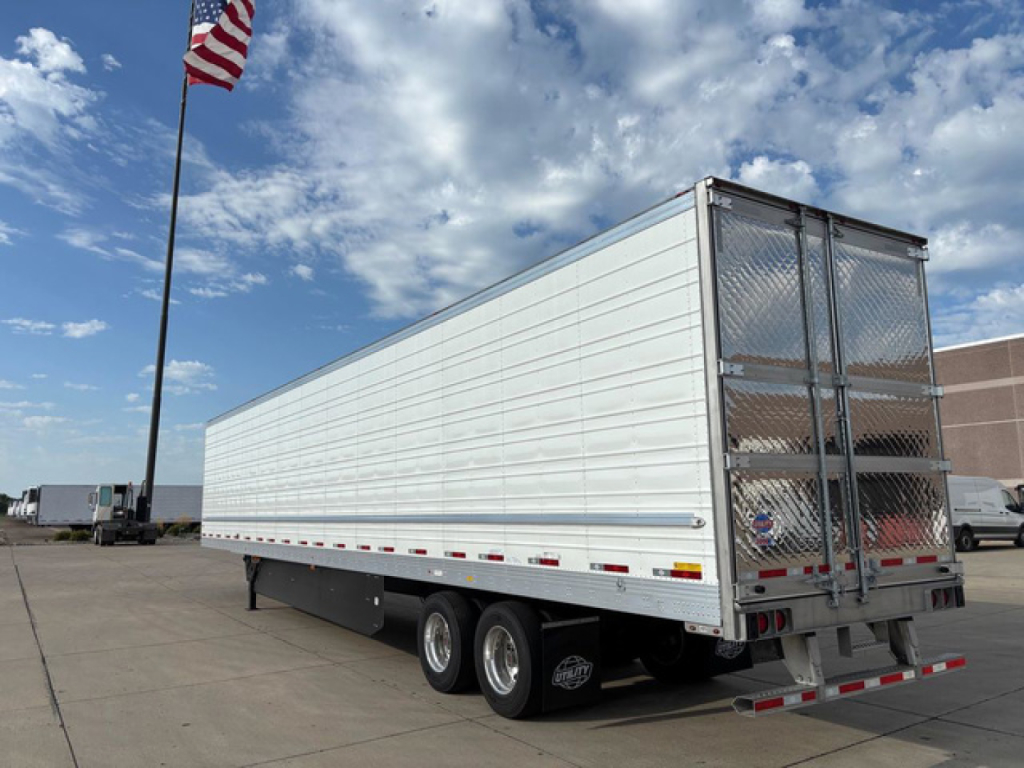
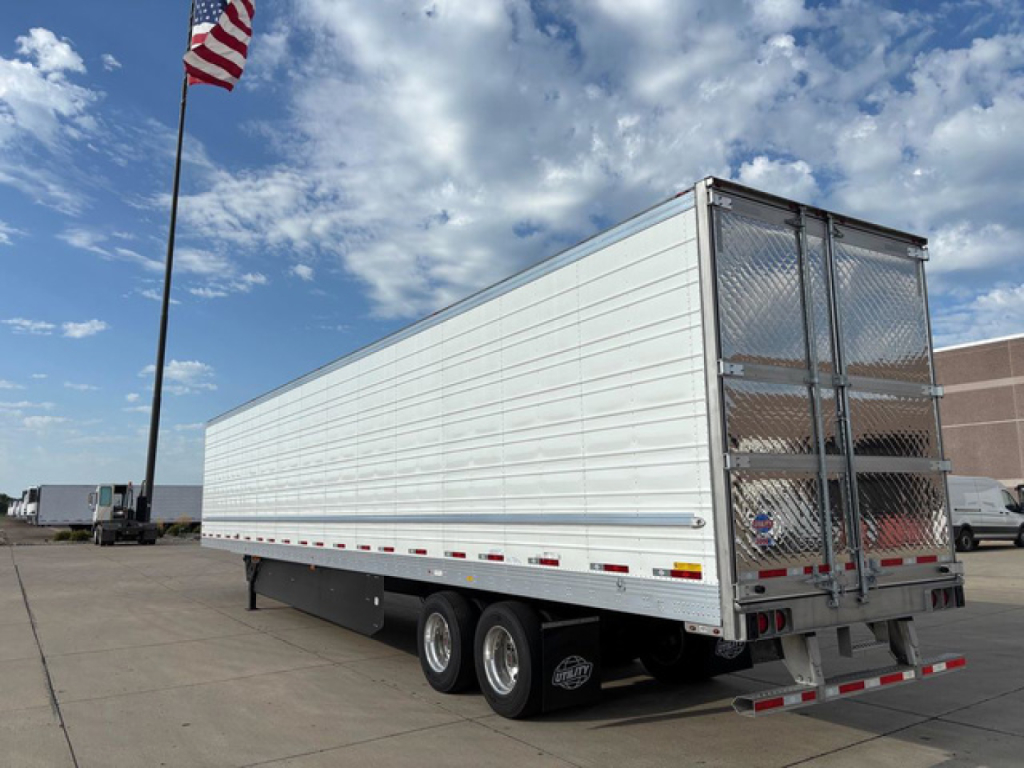
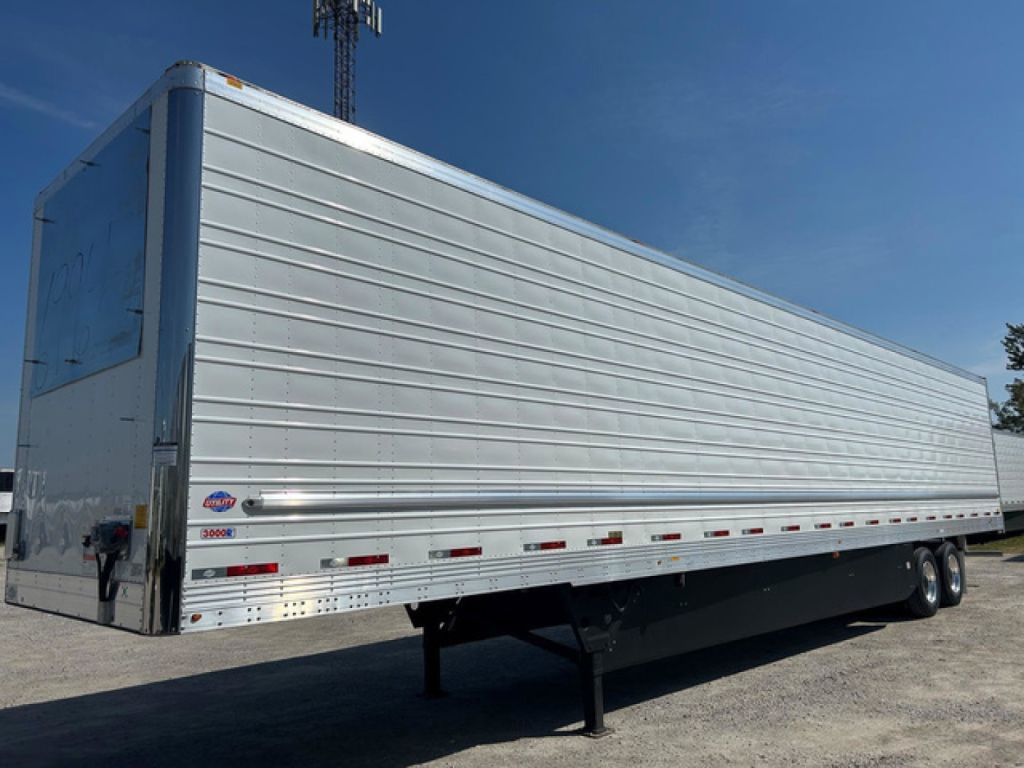
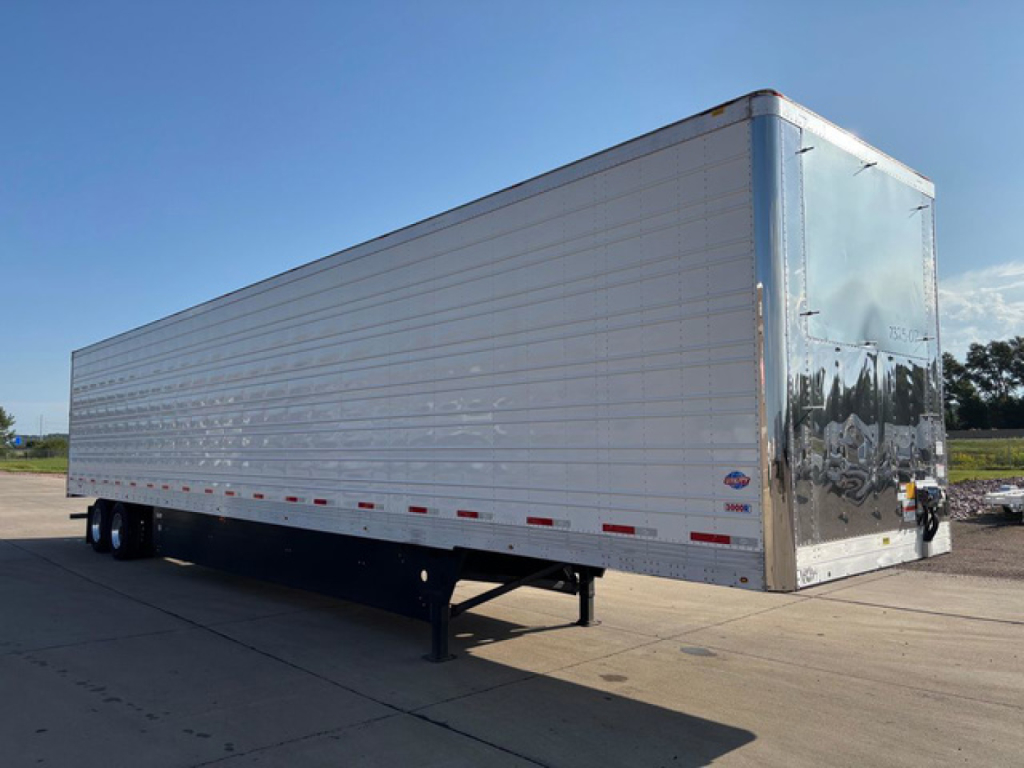

Showing 1 to 24 of 154 results
Have 2027 utility trailer to sell? List it here to reach thousands of buyers.
2027 Utility Trailers
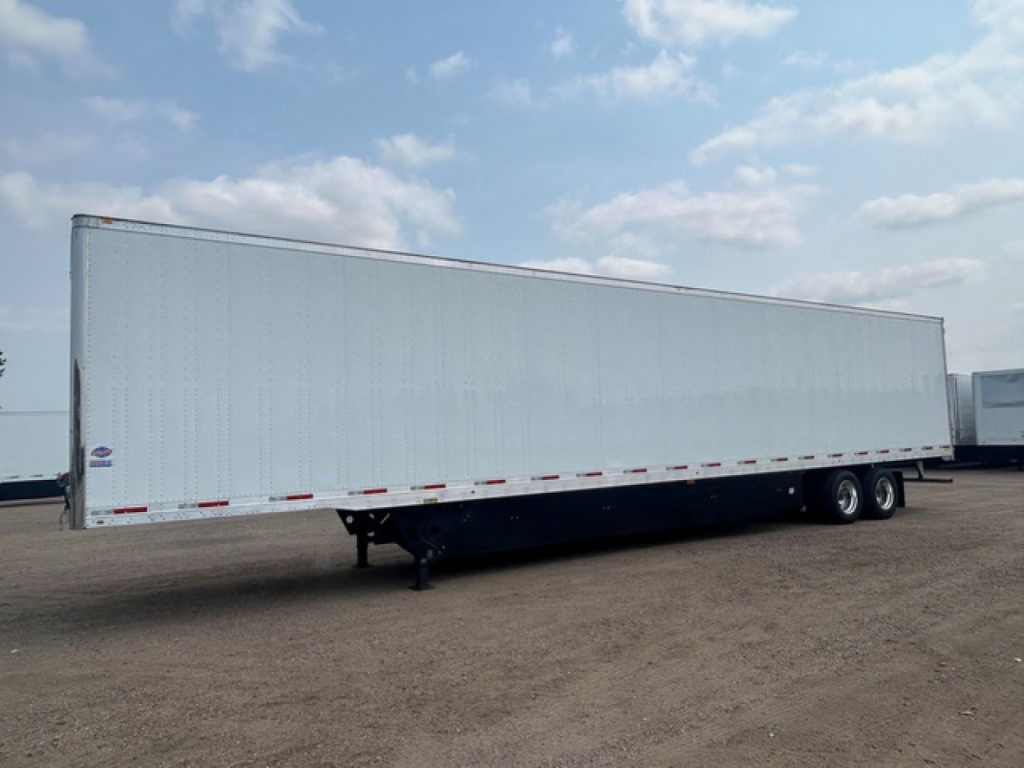
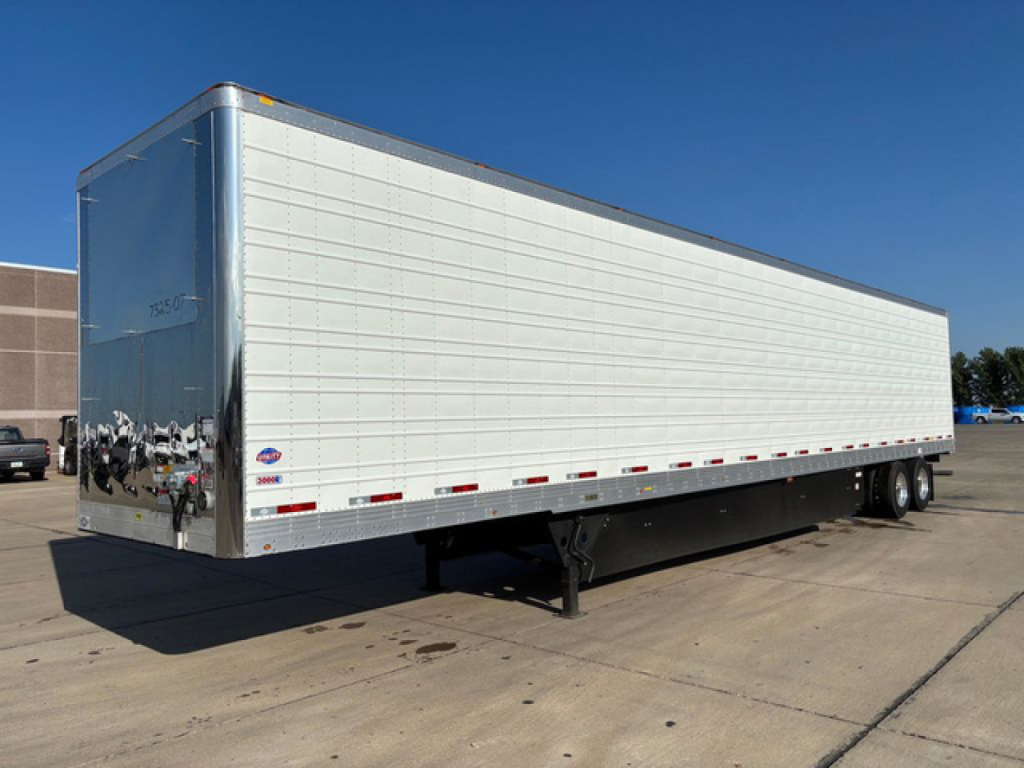
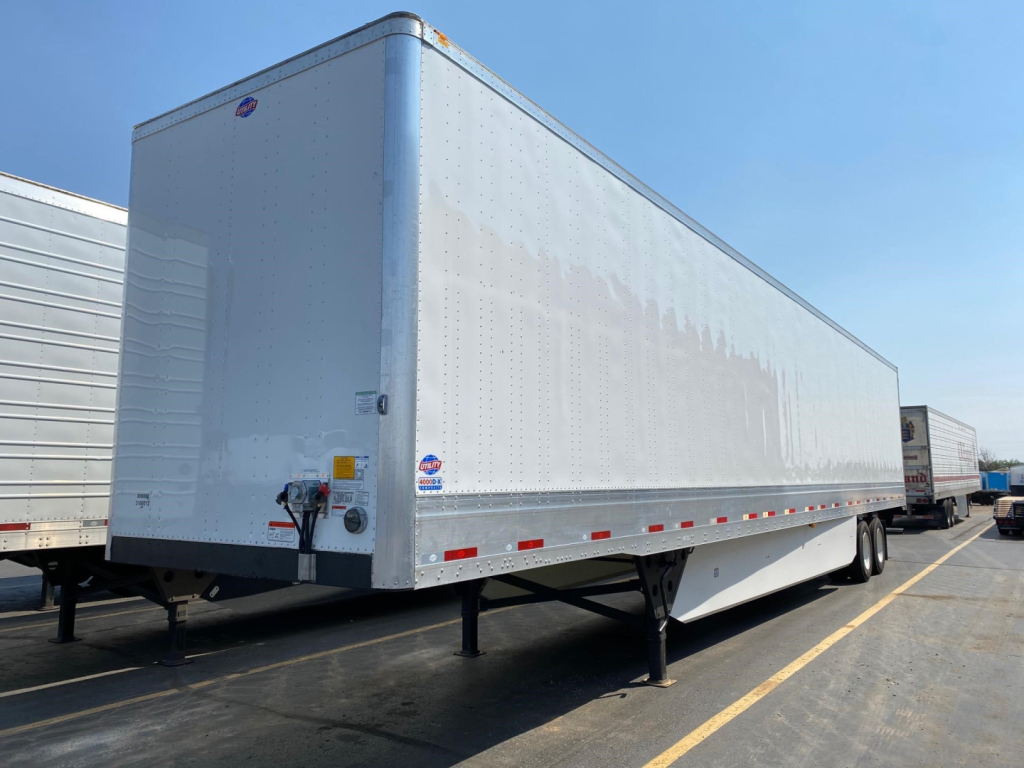
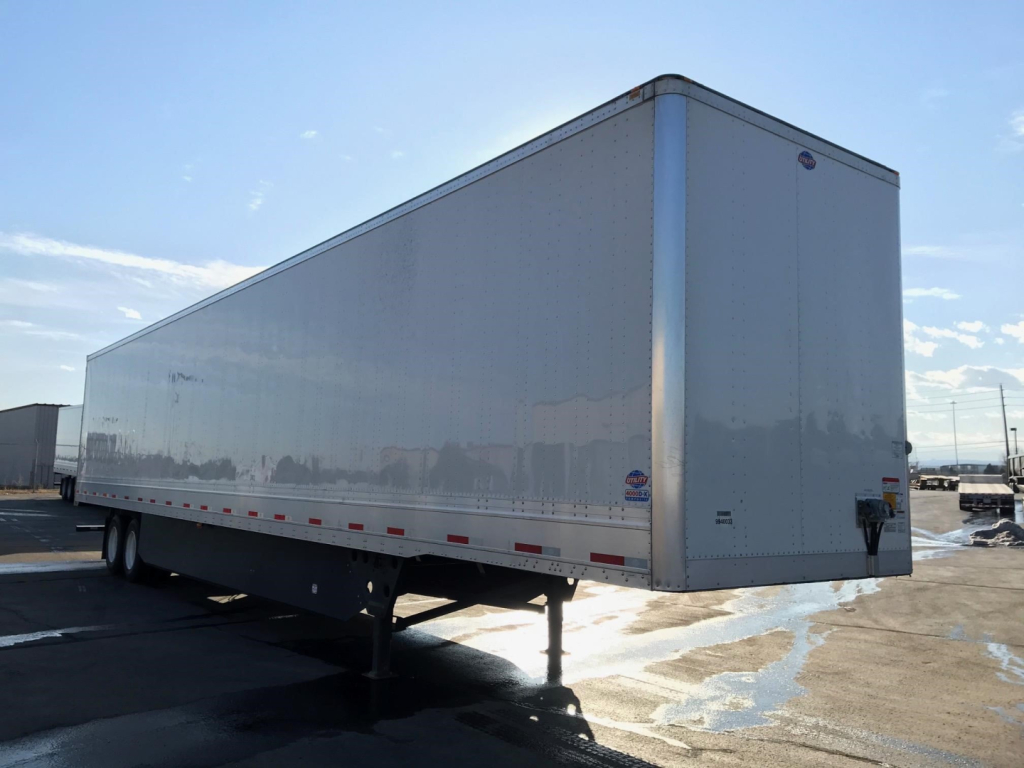
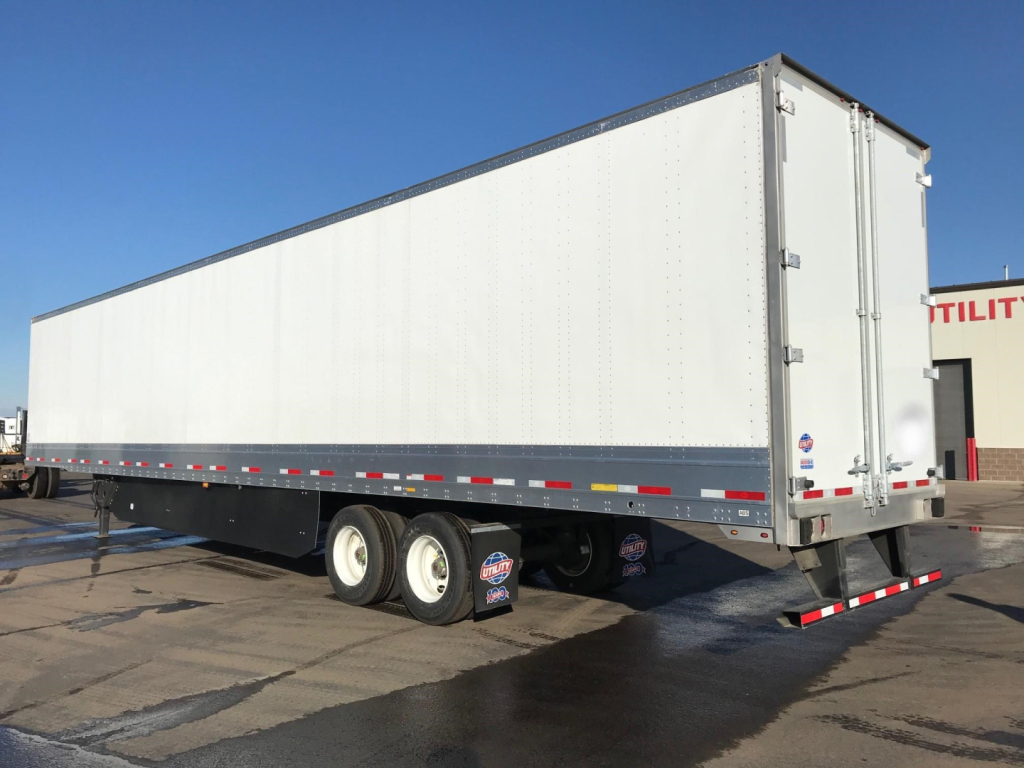
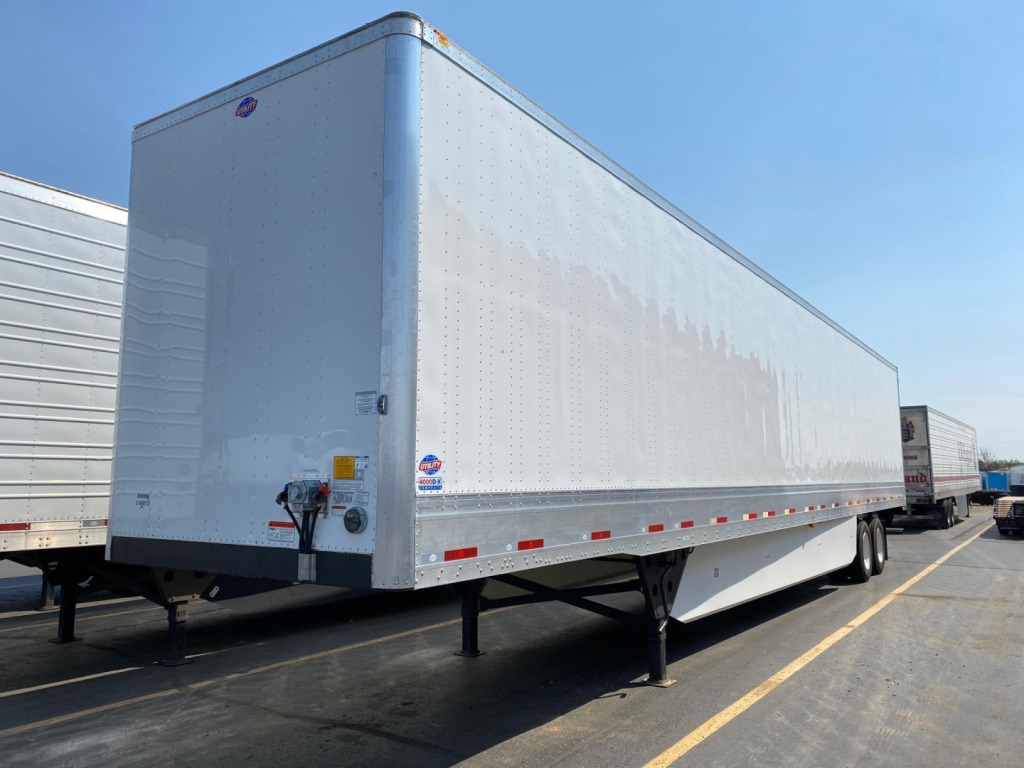
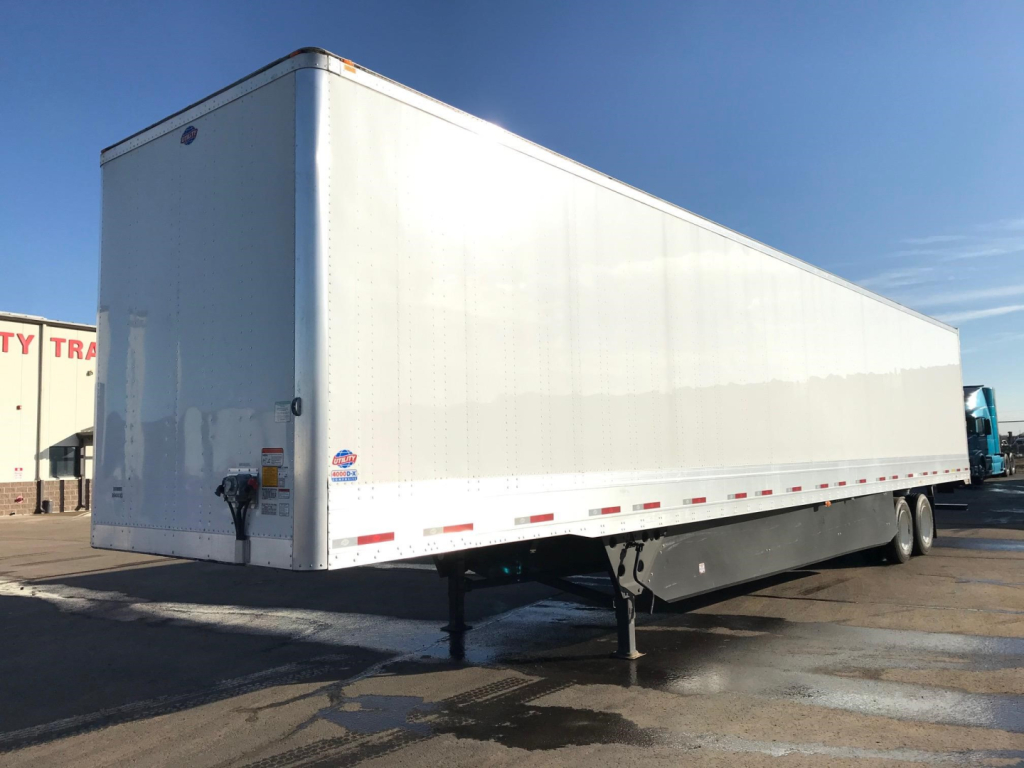
On a Utility dry van, key details usually include a 53-foot by 102-inch body, aluminum roof, swing doors or roll-up door configuration, logistics posts, aerodynamic side skirts, and tandem axle sliders. Air ride suspension is common and remains a strong choice for freight that is sensitive to vibration or shifting. Buyers comparing 2027 Utility van trailers should pay attention to floor rating, scuff liner height, rear frame design, kingpin setting, roof sheet construction, and whether the trailer is set up for high-cube general freight, dedicated retail freight, or multi-stop distribution. Tire size, wheel material, and brake spec also matter because they directly affect maintenance cost and interchange flexibility across a fleet.
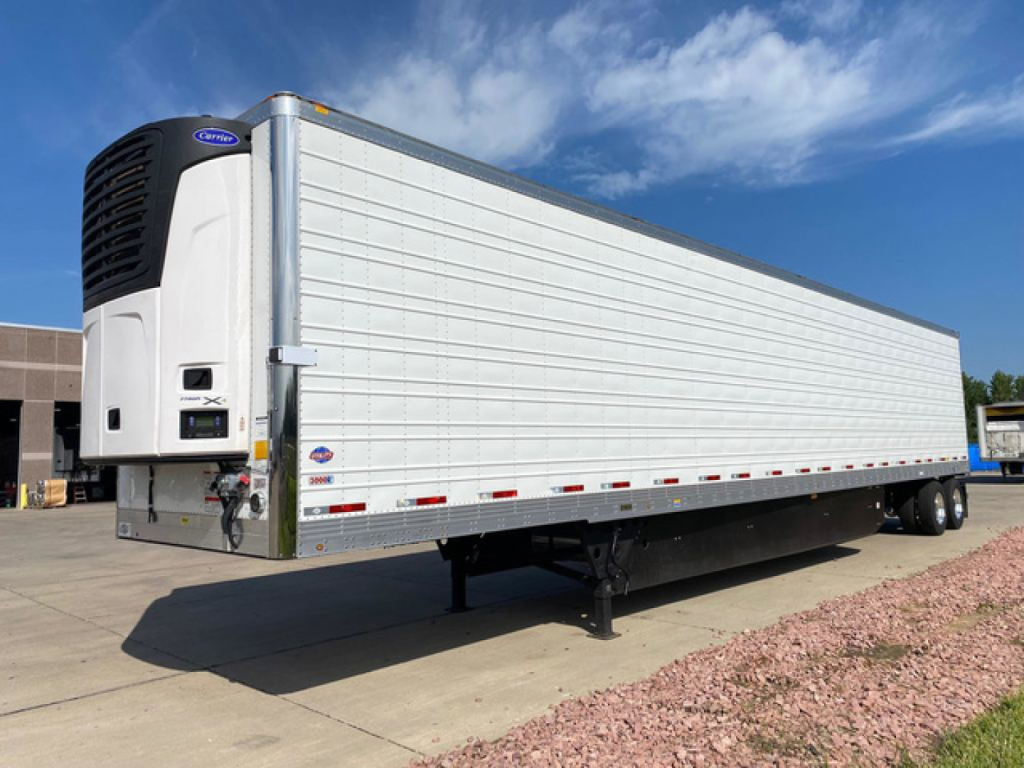
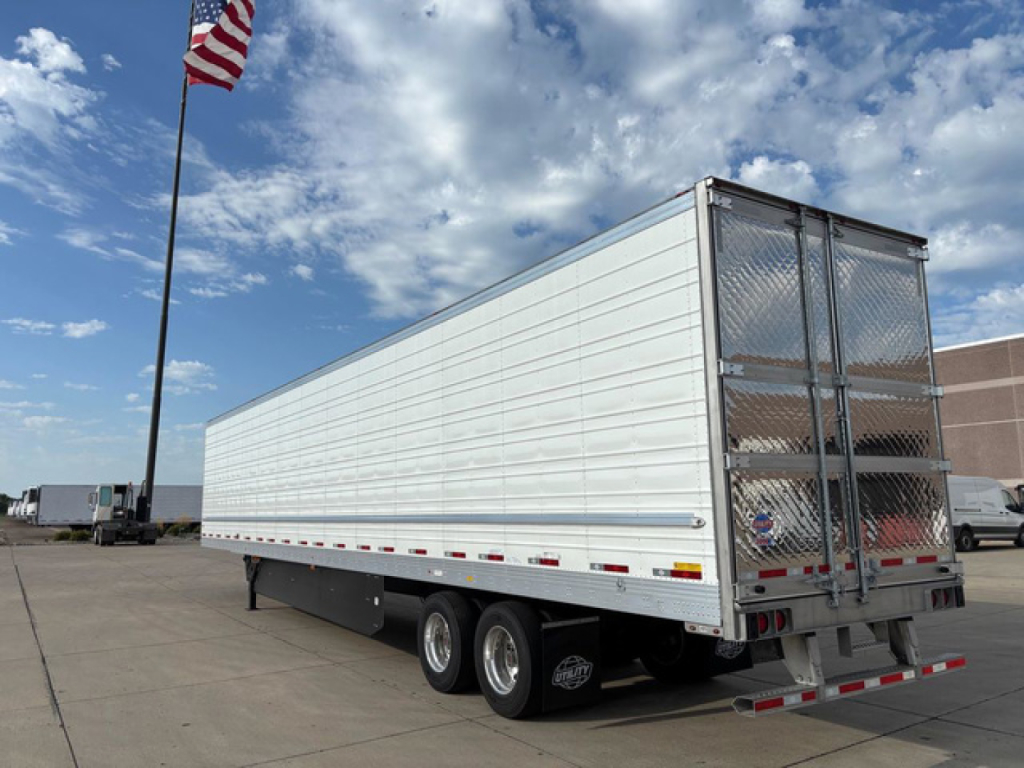
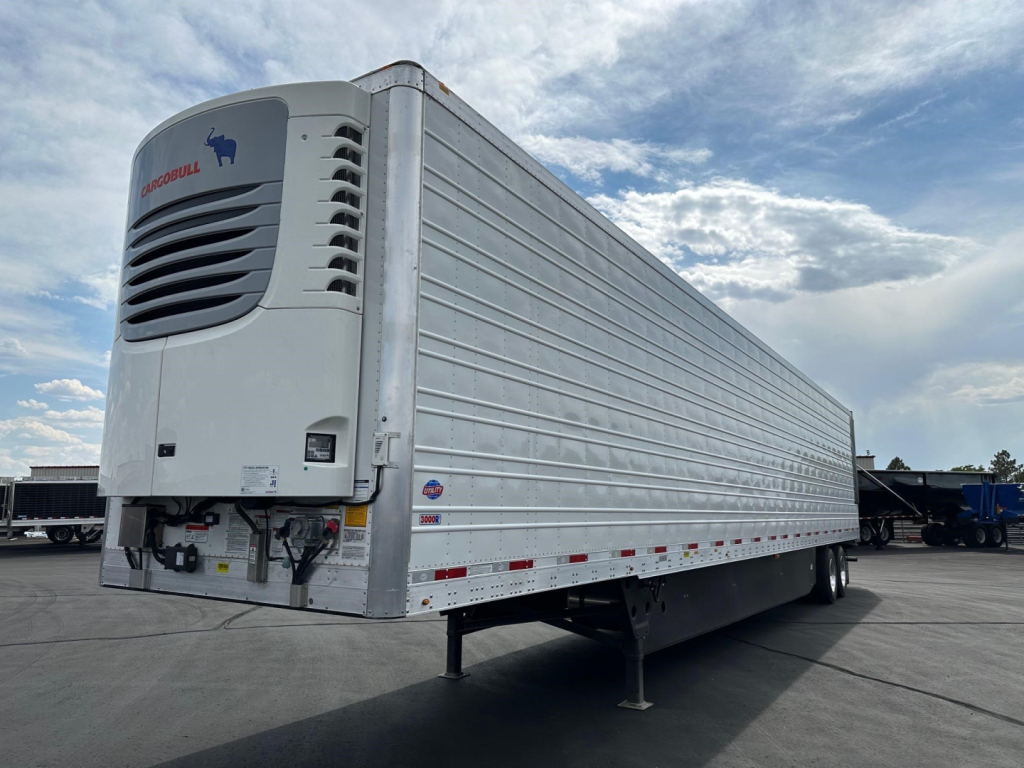
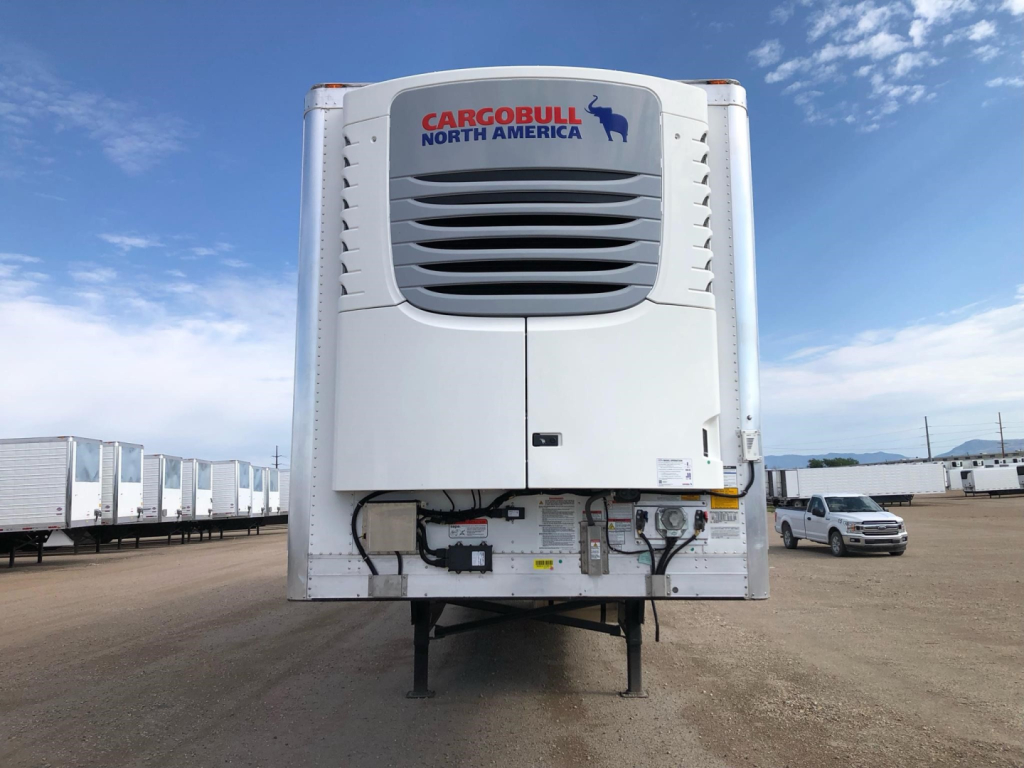
For refrigerated freight, a 2027 Utility reefer trailer is typically evaluated as a complete package that includes both the insulated body and the refrigeration unit. Important checkpoints include unit brand and horsepower class, bulkhead design, duct floor condition or specification, door seal quality, insulation integrity, and telematics compatibility. Reefer buyers should also look for features such as air ride suspension, tire inflation systems, aluminum wheels, rear vent options, anti-dock walk, and air-operated sliding tandems. If the trailer will run produce, frozen food, dairy, or pharmaceutical lanes, cargo protection depends as much on airflow management and door performance as it does on the reefer unit itself.
Utility trailers hold broad appeal because parts support is strong, specs are familiar to most fleet maintenance teams, and resale demand tends to stay healthy in both dry freight and cold-chain applications. A buyer comparing multiple 2027 Utility trailers should focus on application fit first: dry van for boxed and palletized freight, reefer for temperature-controlled freight, and each configured around the freight weight, loading pattern, and lane profile. The best value is not just the newest trailer or the lightest tare weight. It is the trailer with the right floor, suspension, axle spread, door setup, and trailer body package for the work it will do every day.
Frequently Asked Questions about 2027 Utility Trailers
What types of 2027 Utility trailers are most common on the market?
The most common 2027 Utility trailers are dry van and refrigerated trailers. Utility dry vans are widely used for general freight, retail, packaged goods, and distribution work. Utility reefers are built for temperature-controlled freight such as produce, frozen food, dairy, and other perishable cargo. Buyers usually narrow the search first by freight type, then compare details like suspension, axle slider setup, wheel material, and door configuration.
What should I look for when buying a 2027 Utility reefer trailer?
Start with the refrigeration package, then evaluate the trailer body. The reefer unit brand, operating capacity, service access, and telematics support are major factors, but body specs matter just as much. Check insulation design, duct floor type, bulkhead setup, door seals, rear frame construction, and airflow features. Air ride suspension, tire inflation systems, anti-dock walk protection, and sliding tandem axles are also valuable features on many reefer applications.
Why do many fleets choose Utility dry van trailers?
Utility dry vans are popular because they are familiar, efficient, and easy to keep in service. Many fleets like the balance of low tare weight, aerodynamic design, and straightforward maintenance. Common specs such as aluminum roofs, logistics posts, side skirts, and air ride suspension make them suitable for high-volume freight operations. Their broad acceptance in the market also helps with resale and fleet standardization.
Are air ride suspension and sliding tandems important on a Utility trailer?
Yes. Air ride suspension can improve cargo protection and reduce vibration for sensitive freight, while sliding tandems help with bridge law compliance, axle weight distribution, and dock positioning. On both dry vans and reefers, these features add flexibility in real-world operations. They are especially useful for fleets running mixed freight, multiple states, or customers with different loading requirements.
How do I choose between a Utility dry van and a Utility reefer?
Choose based on cargo requirements and operating cost tolerance. A dry van is the standard choice for non-temperature-sensitive freight and usually has lower maintenance complexity. A reefer is necessary when product temperature must be controlled, but it adds unit maintenance, fuel or power consumption, and more inspection points. If the freight does not require active cooling, a dry van is generally the simpler and lower-cost trailer to run.