
2017 Utility Trailers For Sale
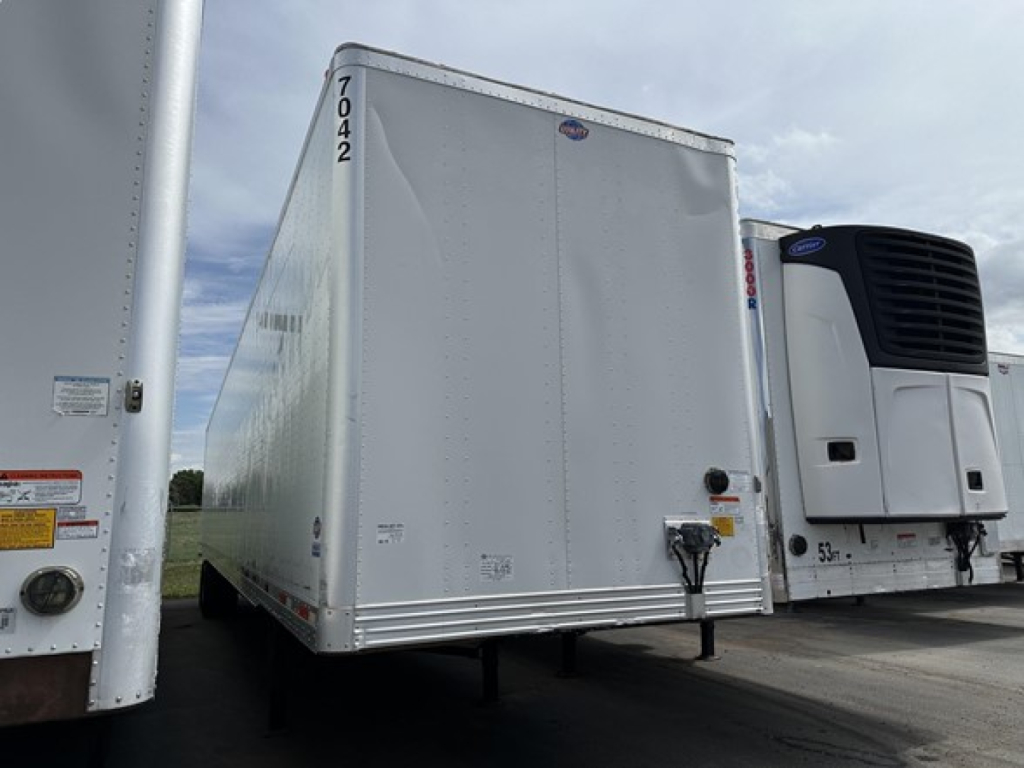
Browse 2017 Utility trailers including dry vans and reefers. Compare specs, construction, suspension, axle settings, and trailer applications.
Learn more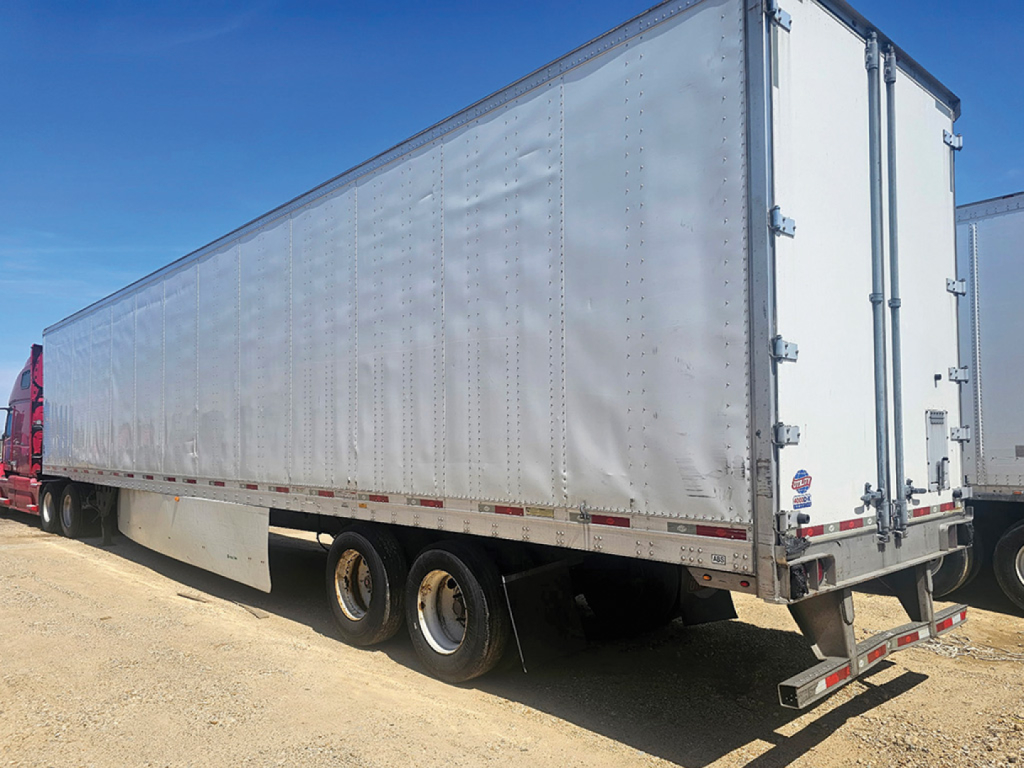

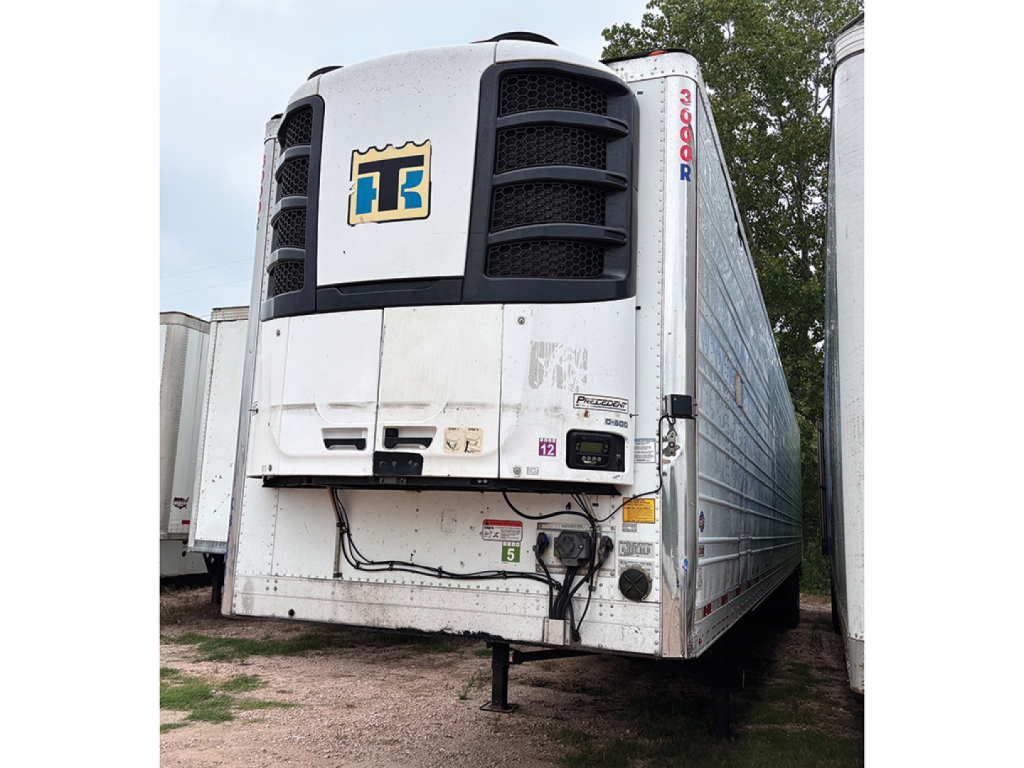
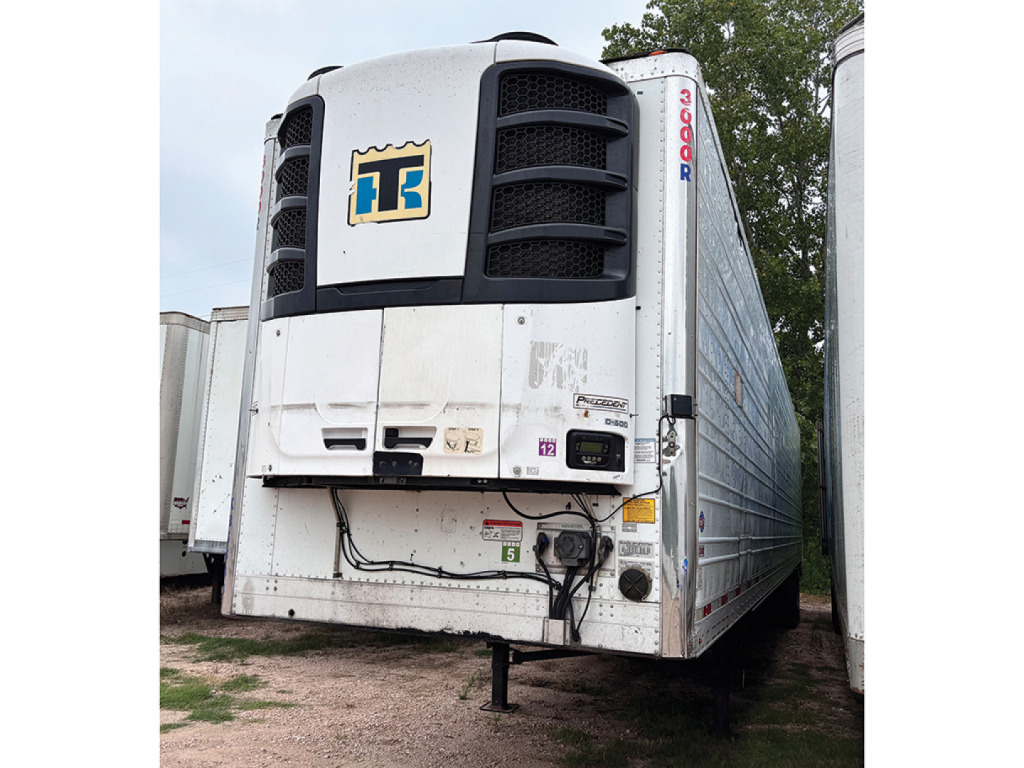
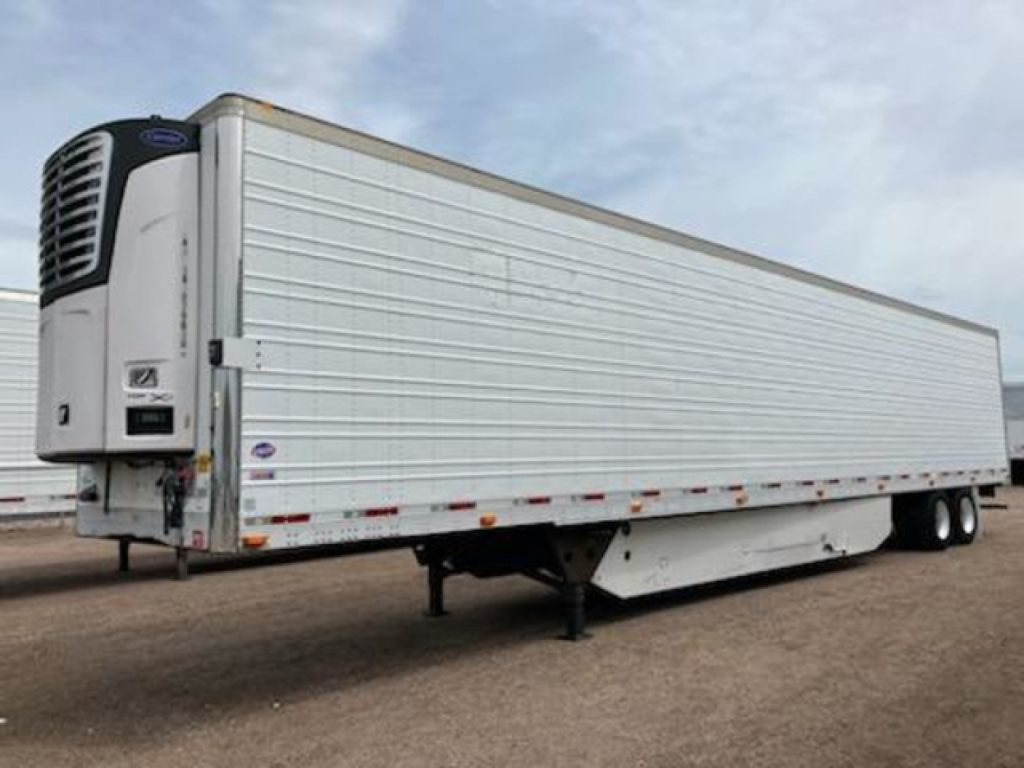
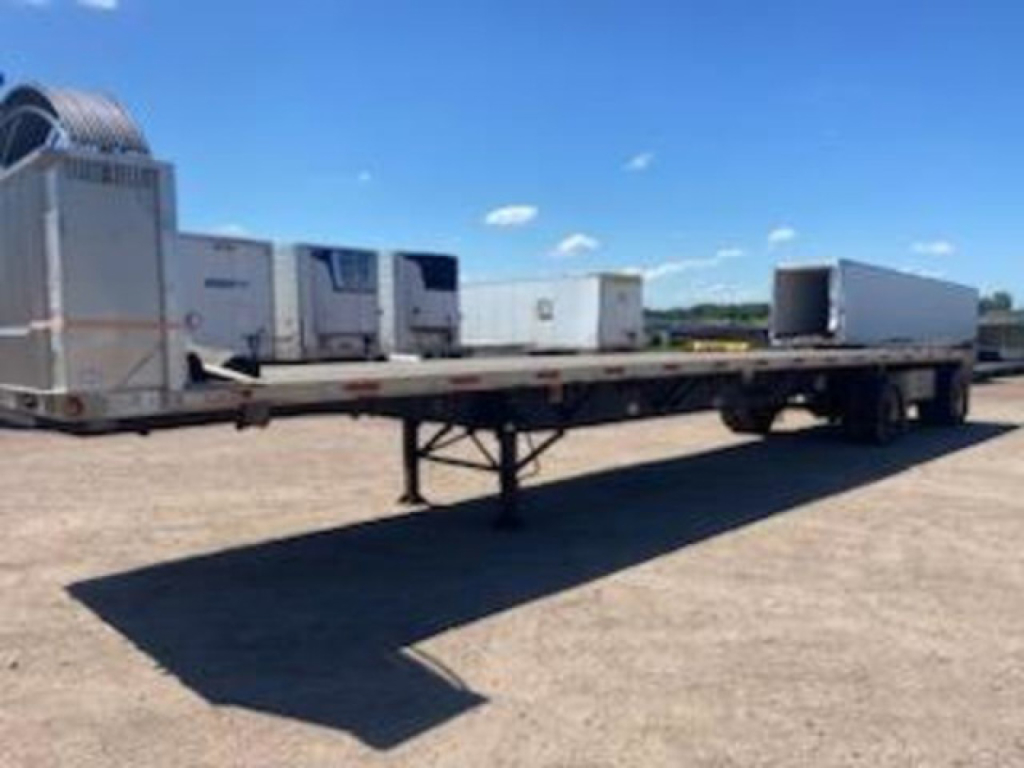
Showing 1 to 12 of 13 results
Have 2017 utility trailer to sell? List it here to reach thousands of buyers.
About 2017 Utility Trailers
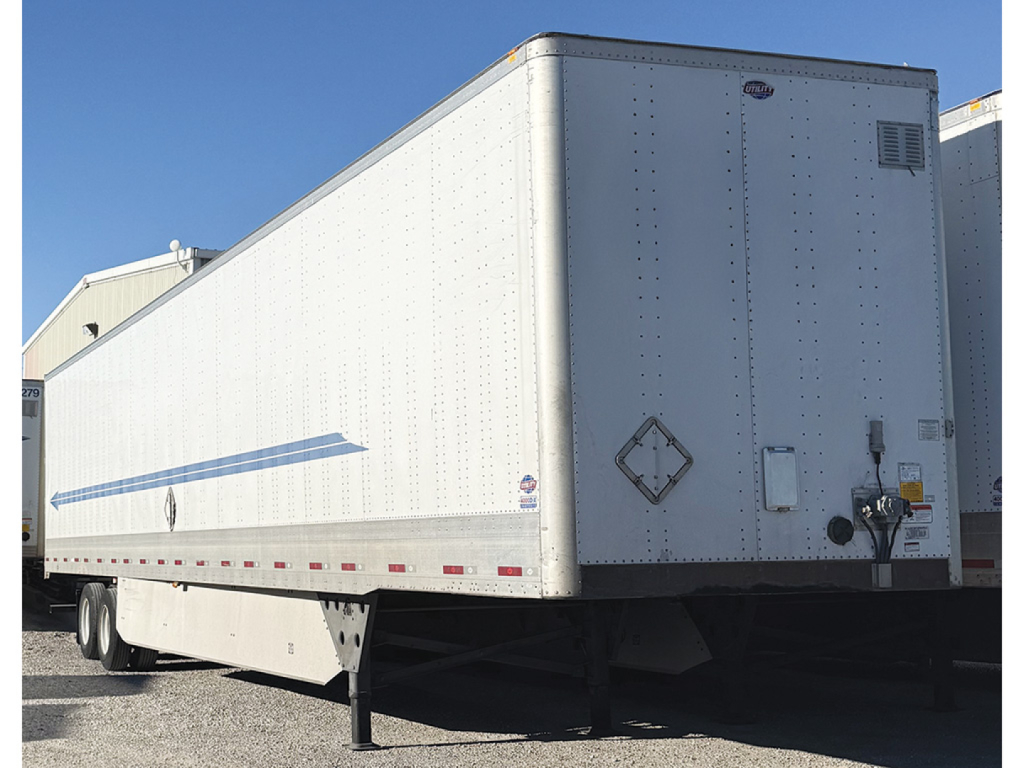
For dry van buyers, key details usually come down to roof and wall construction, floor condition, rear frame integrity, and axle slider operation. Utility dry vans are commonly spec'd with aluminum roofs, hardwood or laminated flooring, scuff liners, logistic posts, and swing doors, though exact equipment varies by fleet order. Check crossmember spacing, threshold wear, ICC bumper condition, and signs of forklift damage at the nose and rear sill. Suspension type, tire size, wheel material, and tandem setting all affect maintenance cost and payload flexibility. If the trailer will run heavy freight, floor rating and rail condition should be near the top of the inspection list.
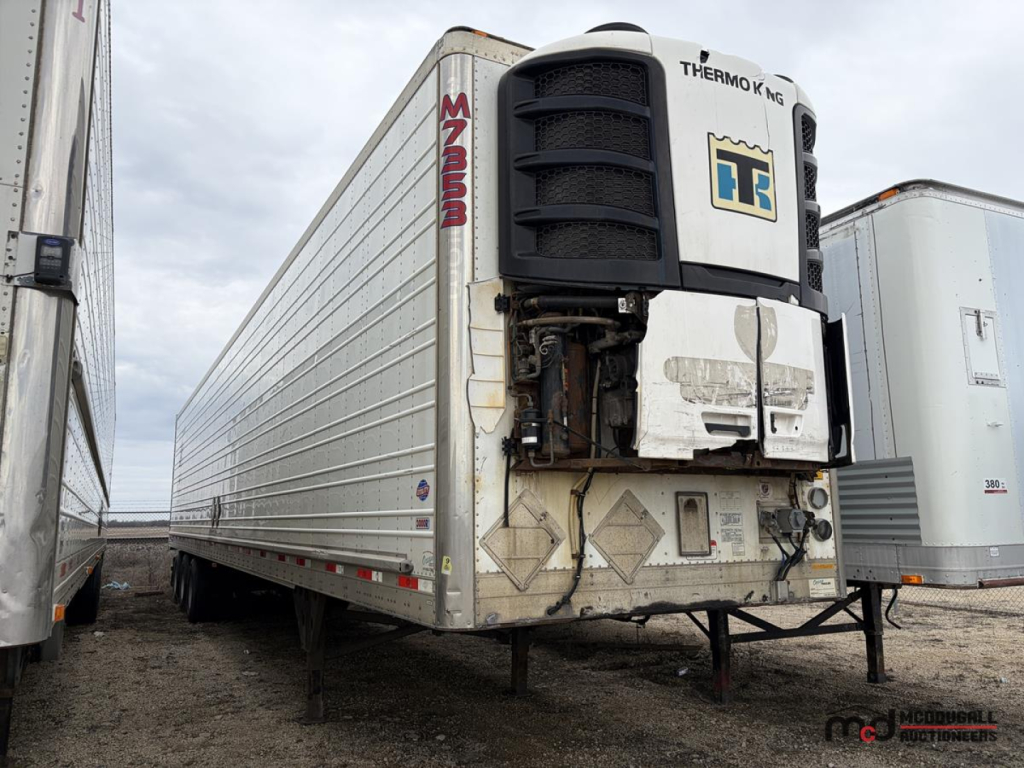
On 2017 Utility refrigerated trailers, the trailer body and the reefer unit should be evaluated as separate systems. Utility reefers from this era are commonly found with insulated walls, aluminum duct floors, stainless front corners, air ride suspension, and trailer aero options like side skirts. Buyers should pay close attention to chute condition, door seal integrity, floor wear, bulkhead setup, and evidence of moisture intrusion or insulation damage. The refrigeration unit's hours, service history, emissions compliance, and temperature performance are critical, especially for California or multi-state produce and foodservice work. A clean trailer with poor unit history can become expensive quickly.
Utility trailers generally hold value well because parts support is strong and the brand is familiar to large fleets, leasing companies, and independent carriers. The best 2017 Utility trailer for sale depends on lane profile, commodity mix, dock environment, and maintenance standards. For regional grocery, reefer unit condition and fuel efficiency features may drive the decision. For general freight, buyers often focus more on floor life, door hardware, tire condition, brake spec, and overall trailer straightness. A careful inspection of structural components, running gear, and maintenance records will usually tell you more than the model name alone.
Frequently Asked Questions
What types of 2017 Utility trailers are most common on the used market?
The most common 2017 Utility trailers are 53-foot dry vans and refrigerated trailers. Utility has long been a major supplier to large fleets, so many used units come from high-mileage linehaul, grocery, food distribution, and drop-and-hook applications. Buyers will also see differences in door style, suspension, axle slider setup, interior liner packages, and aerodynamic equipment depending on the original fleet spec.
What should I inspect first on a 2017 Utility dry van trailer?
Start with the floor, roof, rear frame, and tandem slider. These areas tell you a lot about how the trailer was used and how much life is left in it. Look for soft floor sections, patched roof damage, cracked rear sill components, bent crossmembers, worn door hardware, and impact damage from forklifts or docks. Tire wear, brake condition, and signs of poor alignment should also be checked early because they can point to running gear or frame issues.
What matters most when buying a 2017 Utility reefer trailer?
The reefer unit condition matters just as much as the trailer body. Buyers should review engine hours, maintenance records, recent repairs, temperature pull-down performance, and emissions compliance. On the trailer itself, inspect the insulated body, door seals, floor ducting, chute, and bulkhead areas for damage or air leaks. A reefer that looks clean but has weak temperature control or deferred unit maintenance can create major operating cost quickly.
Are 2017 Utility trailers good for fleet use?
Yes, many fleets consider Utility trailers a strong fit because the brand is widely supported and commonly spec'd for high-duty-cycle freight operations. Parts availability, service familiarity, and broad resale demand help keep lifecycle costs manageable. The real question is not just the brand or model year, but how the trailer was maintained, what freight it hauled, and whether the original spec matches the intended application.
How do I choose between a 2017 Utility dry van and reefer?
Choose based on freight type, revenue model, and maintenance tolerance. A dry van is generally simpler and less expensive to maintain because there is no refrigeration system to service. A reefer opens the door to temperature-controlled freight but adds unit maintenance, fuel use, and more compliance requirements. If the business depends on food, produce, frozen goods, or pharmaceutical lanes, a reefer may justify the added cost. If the work is general palletized freight, a dry van is usually the more straightforward option.