
2017 Utility Trailers For Sale in North Carolina
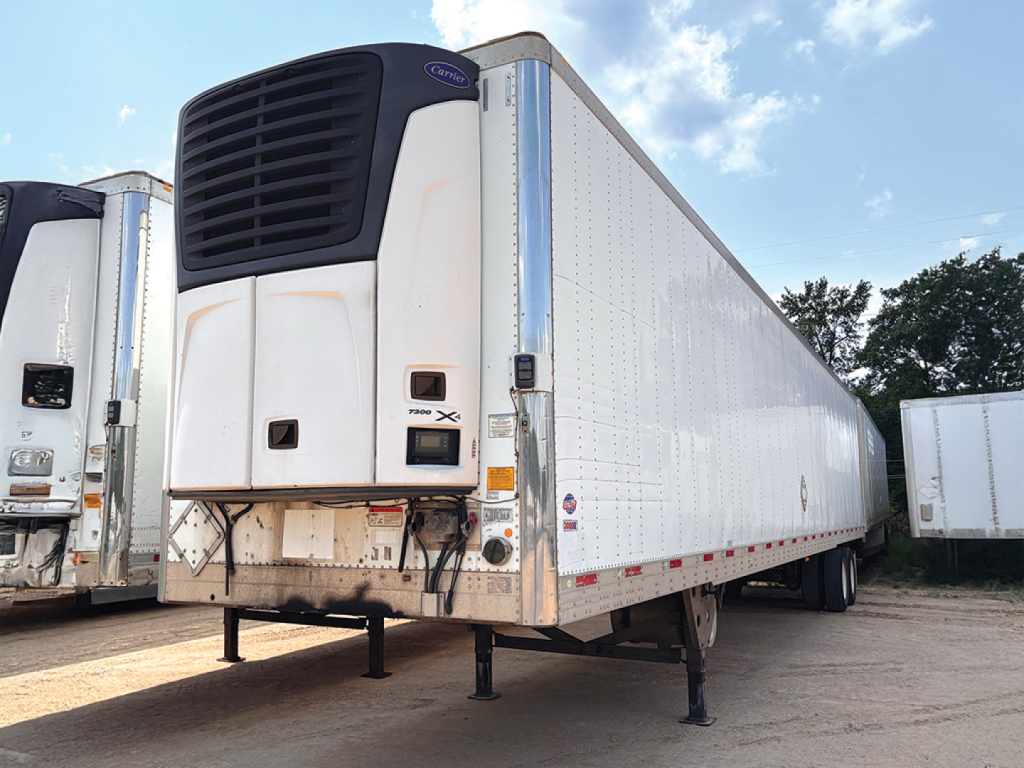
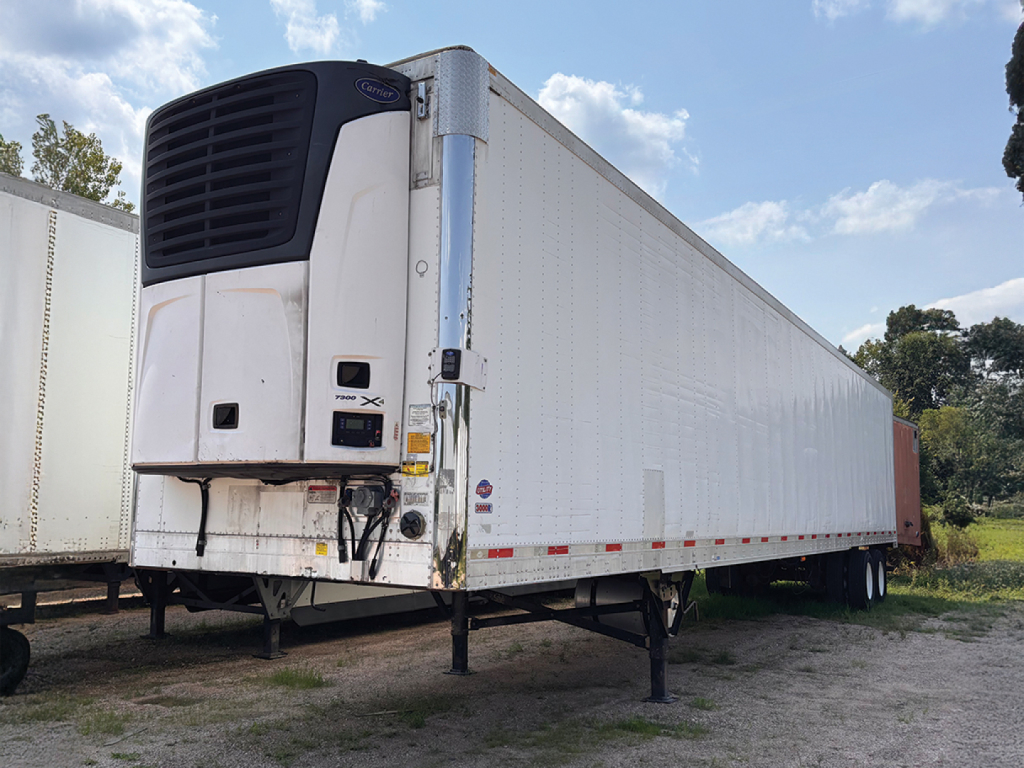

Have 2017 utility trailer to sell? List it here to reach thousands of buyers.
2017 Utility Trailers in North Carolina
On a 2017 Utility reefer, the refrigeration package is one of the first things to inspect. Many units from this model year were spec’d with Thermo King Precedent series systems, including the C-600, though some fleets may have Carrier units depending on original order. Buyers should confirm engine hours, run hours, service history, evap condition, and whether the trailer was used in regional delivery or long-haul foodservice. Interior trailer specs matter just as much as the reefer unit. Heavy-duty aluminum duct floors, scuff plates, rear vents, cold chutes, and stainless steel quilted swing doors are common features because they support consistent airflow, reduce wall damage, and improve durability in multi-stop service.
Construction and maintenance details can separate one 2017 Utility trailer from another. Aluminum disc wheels, low-profile 22.5 tires, stainless front radius panels, and stainless door frame components are all worth noting because they affect corrosion resistance, tare weight, and long-term repair cost. On reefers in this age range, buyers should look closely at floor wear, door seal condition, chute integrity, bulkhead compatibility, suspension bushings, crossmember condition, and any signs of patchwork around the front wall or unit mount. If the trailer has a sliding tandem, check rail wear and locking pin function. If it has been running in coastal or humid parts of North Carolina, corrosion around wiring, lights, and rear frame areas deserves extra attention.
A 2017 Utility trailer can make sense for fleets that want a late-model used refrigerated trailer without stepping into new-trailer pricing. The Utility 3000R remains a well-known reefer platform because parts support is broad and the design is familiar across major service networks. For buyers comparing multiple listings, the best value usually comes down to reefer maintenance records, interior condition, tire and brake spec, and how the trailer was previously operated. A clean 2017 Utility reefer with a documented service history can still be a productive trailer for regional lanes, dedicated grocery work, or general cold-chain freight.
Frequently Asked Questions about 2017 Utility Trailers in North Carolina
What is the most common 2017 Utility trailer configuration on the used market?
The most common 2017 Utility trailer configuration is the 53-foot Utility 3000R reefer trailer. These refrigerated trailers are typically 102 inches wide and 13 feet 6 inches high, with aluminum construction, air ride suspension, and a sliding tandem. They are widely used in food and temperature-controlled freight, so buyers will often see specs like duct floors, scuff liners or scuff plates, rear vents, cold chutes, and swing doors.
What should I check first on a 2017 Utility reefer trailer?
Start with the refrigeration unit and the trailer interior. Confirm the reefer make and model, engine hours, total run hours, recent preventive maintenance, and any major component replacements. Then inspect the floor, front wall, chute, door seals, and interior lining for damage from forklifts, pallets, or repeated washouts. A reefer trailer can look clean outside and still have expensive issues in airflow components, insulation areas, or the refrigeration system.
Are 2017 Utility trailers good for regional food distribution?
Yes. A 2017 Utility 3000R reefer is a strong fit for regional food distribution if the unit has been maintained correctly. Air ride suspension helps protect sensitive freight, the sliding tandem adds operational flexibility, and common reefer specs such as duct floors and rear vents support consistent temperature management. Regional buyers should still verify door cycle wear, multi-stop delivery damage, and reefer service records because those factors often matter more than age alone.
Why does the sliding tandem matter on a 2017 Utility trailer?
A sliding tandem gives the operator more flexibility in axle positioning for bridge laws, state compliance, and weight distribution across different loads. It also helps with dock approach and lane requirements depending on the freight network. On a used 2017 Utility trailer, buyers should inspect the tandem rails, slider box, locking pins, and suspension condition because wear in these areas can affect safety, alignment, and ease of adjustment.
What makes one 2017 Utility trailer a better buy than another?
The best 2017 Utility trailer is usually the one with the strongest maintenance history and the least hidden wear, not simply the lowest price. Reefer service documentation, floor condition, brake and tire life, door seal integrity, and evidence of sound structural maintenance are more important than cosmetic appearance alone. A well-kept trailer with documented repairs and consistent fleet maintenance will usually deliver lower operating cost than a cheaper unit with deferred reefer or structural work.