
2017 Utility Reefer Trailers For Sale in North Carolina

Have 2017 utility reefer trailer to sell? List it here to reach thousands of buyers.
2017 Utility Reefer Trailers in North Carolina
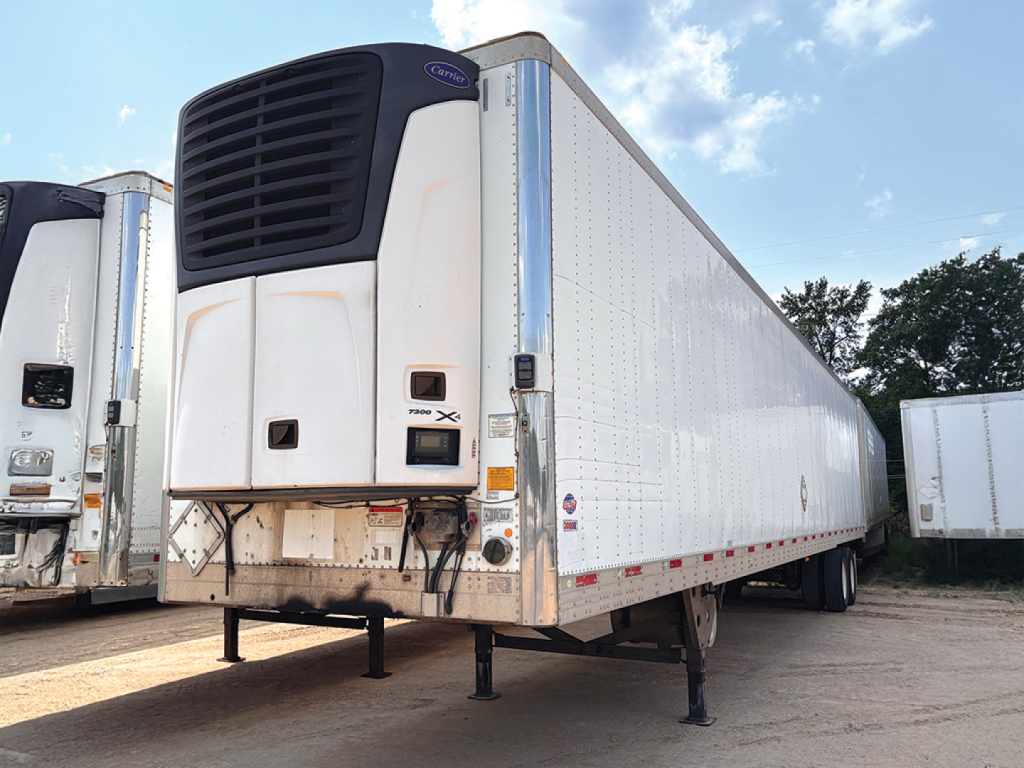
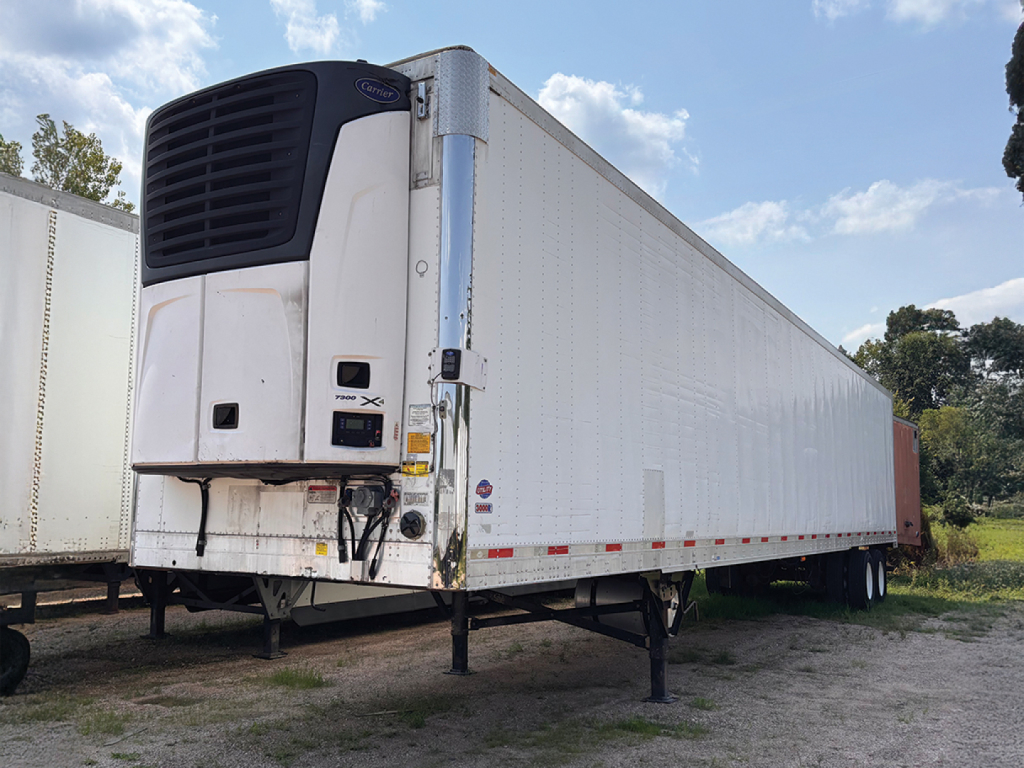
For most buyers, the reefer unit and interior configuration matter more than the badge on the nose. Many 2017 Utility reefers are paired with Thermo King or Carrier units, and the exact model will affect fuel use, pull-down performance, noise level, and maintenance history. Interior details like a heavy-duty aluminum duct floor, cold chute, rear vent, and scuff plate all matter because they directly affect airflow and cargo protection. Good airflow under and around the load is critical in a reefer, so buyers should pay close attention to floor condition, chute integrity, door seal condition, and any signs of insulation or lining damage that can compromise temperature control.
Utility reefer trailers from this era are also known for buyer-friendly running gear and corrosion-resistant trim packages. Air ride suspension and sliding tandems are common and remain important for ride quality, dock approach, and bridge law compliance. Stainless steel front radius panels, stainless door frames, and quilted swing doors help hold up in heavy dock service and frequent washouts. Tire size, wheel type, and options like tire inflation systems can make a real difference in operating cost over time, especially for fleets running high annual miles. In North Carolina and across the Southeast, many buyers also look at reefer performance in hot, humid conditions, where door openings, stop frequency, and insulation efficiency have a direct impact on fuel burn and cargo integrity.
A smart inspection on a 2017 Utility reefer trailer should focus on the refrigeration unit hours, service records, structural condition, and signs of hard dock use. Check the floor for crushed channels, inspect the crossmembers and rear frame, confirm the tandem slide works smoothly, and look closely at swing doors, hinges, seals, and interior scuff areas. It also helps to verify trailer weight, reefer unit emissions compliance, and the remaining life of wear items like brakes, tires, and suspension components. A well-maintained 2017 Utility reefer can still be a strong revenue trailer if the box is tight, the unit is healthy, and the spec matches the freight.
Frequently Asked Questions about 2017 Utility Reefer Trailers in North Carolina
What are the typical specs of a 2017 Utility reefer trailer?
A 2017 Utility reefer trailer is commonly a 53-foot refrigerated van built on the 3000R platform, usually 102 inches wide and 13 feet 6 inches high. Typical specs include aluminum construction, air ride suspension, sliding tandems, 22.5 low-profile tires, and swing rear doors. Many units also include a heavy-duty aluminum duct floor, scuff plates, stainless steel trim, and a front-mounted Thermo King or Carrier refrigeration unit.
What should I inspect first on a used 2017 Utility reefer?
Start with the refrigeration unit, trailer floor, and door seals. Reefer unit hours, maintenance records, and evidence of consistent service are critical because repair costs can add up quickly. Inside the trailer, check for damaged duct flooring, crushed floor channels, broken chute components, interior wall damage, and any insulation issues. Also inspect the rear frame, tandem slide rails, suspension, brakes, and areas that show repeated dock impact or corrosion.
Is the Utility 3000R a good reefer trailer for food-grade freight?
The Utility 3000R is widely used in food-grade refrigerated service because it is designed for temperature-sensitive freight and frequent loading cycles. Features like duct floors, cold chutes, scuff liners, and insulated bodies support stable airflow and cargo protection. Suitability still depends on condition, cleanliness, washout history, and whether the reefer unit can maintain the temperatures required by the shipper or receiver.
Which reefer unit is better on a 2017 Utility trailer, Thermo King or Carrier?
Both Thermo King and Carrier are common on Utility reefers, and either can be a strong choice if the unit has been maintained properly. Thermo King units are often favored for broad dealer support and familiar parts availability, while Carrier units are also widely respected for performance and fleet use. The better buy usually comes down to service history, local dealer support, engine hours, and how well the unit pulls down and holds temperature under load.
Why do features like duct floors, vents, and cold chutes matter on a reefer trailer?
These features help manage airflow, which is essential in refrigerated hauling. A duct floor allows air to move under the load, a cold chute helps direct air where it needs to go, and vents can support proper circulation depending on the commodity. If airflow is restricted by cargo placement or damaged components, the trailer may struggle to maintain an even temperature, increasing the risk of rejected loads and higher unit run time.