
2017 Utility Reefer Trailers For Sale
Shop 2017 Utility reefer trailers for sale. Compare 53-foot 3000R specs, reefer unit options, insulation, floors, suspension, and trailer setup.

Selling a 2017 utility reefer trailer? List your 2017 utility reefer trailer for sale and reach thousands of commercial buyers.
2017 Utility Reefer Trailers
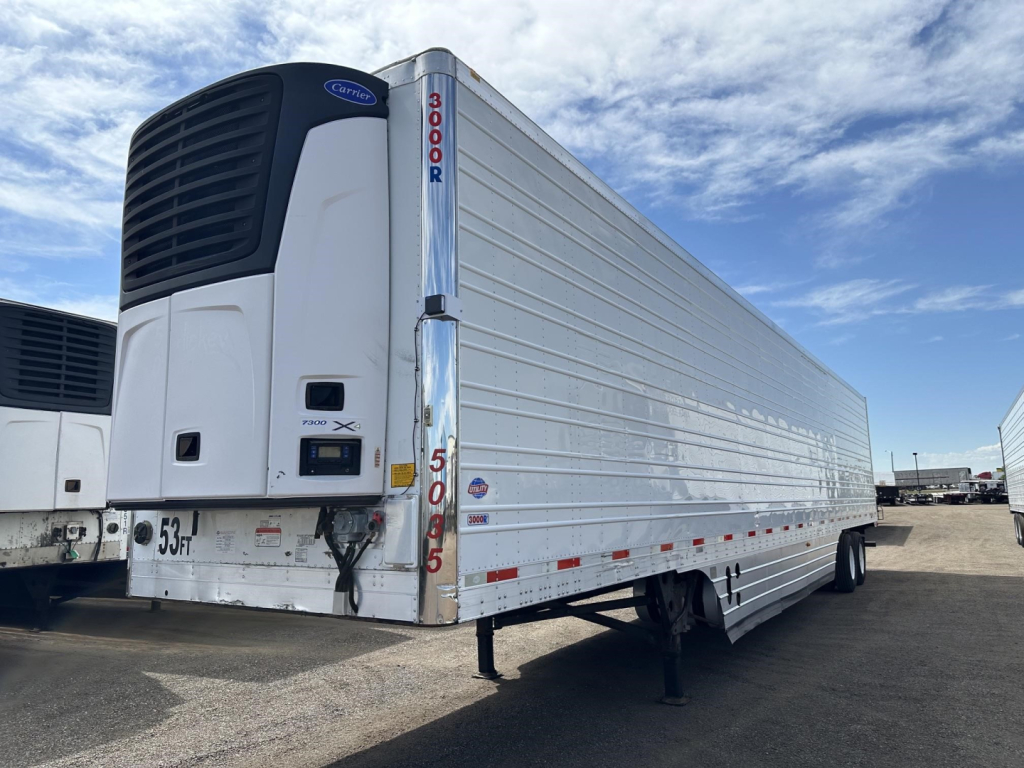
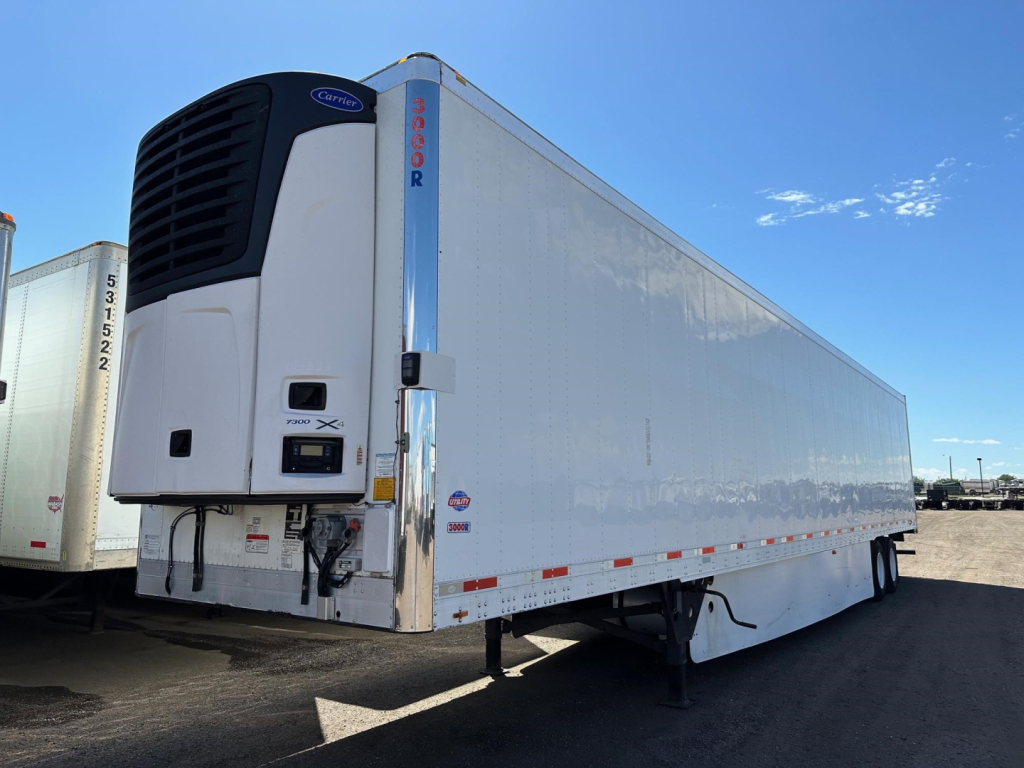
The first buying decision is usually the refrigeration package and its condition, not just the trailer year. Many 2017 Utility reefers are paired with Carrier or Thermo King units, and unit hours, maintenance history, start-stop performance, fuel system condition, and recent major repairs will affect value more than cosmetics alone. Buyers should also look closely at the insulated body itself, including the front wall, roof, door frame, rear sill, and floor condition. Common features on Utility reefer trailers include aluminum duct floors, cold chutes, scuff liners or scuff plates, rear vents, stainless steel front radius panels, stainless steel door frames, quilted swing doors, and side skirts. For multi-stop distribution, E-track, logistics posts, and a durable interior lining can matter just as much as reefer unit brand.
Running gear and trailer configuration deserve equal attention. A 2017 Utility reefer will often have air ride suspension, sliding tandems or a closed tandem setup, 22.5 low-profile tires, and either steel or aluminum disc wheels. Tire inflation systems are a valuable option on reefer fleets because they help control irregular tire wear and roadside downtime. Kingpin setting, tandem spread, axle slide function, and overall weight balance should be reviewed based on the freight you plan to haul and the states you run most often. Buyers moving dense frozen freight may prioritize floor strength, suspension condition, and tare weight, while those in long-haul retail lanes may focus more on aerodynamic equipment, side skirts, and fuel efficiency from the reefer unit.
Condition is everything on a used refrigerated trailer because small defects can become expensive temperature-control problems. Inspect for daylight around door seals, moisture intrusion in walls or roof, patched floor channels, corrosion at the rear frame, and signs of forklift abuse at the threshold and lower front wall. Confirm the reefer unit can hold setpoint under load, not just empty at idle. It is also smart to verify compliance items such as current reefer service records, fuel tank condition, ABS status, and any telematics or data recording equipment if your customers require temperature documentation. A well-kept 2017 Utility reefer trailer can still be a very productive asset when the box is tight, the unit is healthy, and the trailer spec matches the freight lane.
Frequently Asked Questions about 2017 Utility Reefer Trailers
What should I check first on a 2017 Utility reefer trailer?
Start with the refrigeration unit and the integrity of the insulated box. Reefer unit hours, service history, engine condition, and recent repairs often drive the trailer's real value more than the model year. After that, inspect the body for air leaks, damaged door seals, floor wear, roof or wall moisture intrusion, and rear frame corrosion. A reefer trailer only performs well when the unit and the box are both sound.
What reefer unit brands are commonly found on Utility reefer trailers from this era?
Carrier and Thermo King are the most common refrigeration unit brands paired with Utility reefer trailers from this timeframe. Buyers should compare not only brand preference, but also unit model, total hours, maintenance records, defrost performance, and parts support in their operating area. A well-maintained unit with documented service is usually a safer buy than choosing by brand name alone.
Are Utility 3000R reefer trailers good for grocery and food distribution?
Yes. The Utility 3000R is a widely used refrigerated trailer for grocery, frozen food, dairy, produce, and other temperature-sensitive freight. Features like aluminum duct floors, cold chutes, scuff protection, rear vents, and swing doors make them well suited for both long-haul refrigerated freight and multi-stop delivery work. The exact fit depends on the interior setup, reefer capacity, and the condition of the trailer body.
How important are floor type and interior options on a used reefer trailer?
They are very important because they affect airflow, cargo handling, and long-term durability. An aluminum duct floor helps move cold air under the freight, which is critical for maintaining even temperatures. Scuff liners, scuff plates, E-track, and wear protection matter if the trailer has seen heavy palletized freight or repeated forklift traffic. Interior condition can tell you a lot about how the trailer was used and maintained.
What suspension and axle setup is common on a 2017 Utility reefer?
Many 2017 Utility reefer trailers are equipped with air ride suspension and either sliding tandems or a closed tandem configuration. Air ride helps protect sensitive refrigerated freight and can improve ride quality. A sliding tandem adds flexibility for axle compliance and weight distribution, while tire inflation systems and 22.5 low-profile tires are common features that can help reduce downtime and operating costs.