
Used Trailers For Sale in Florida
Browse used trailers for sale in Florida, including dry van and freight trailers with common specs, suspension options, and fleet-ready features.
Learn more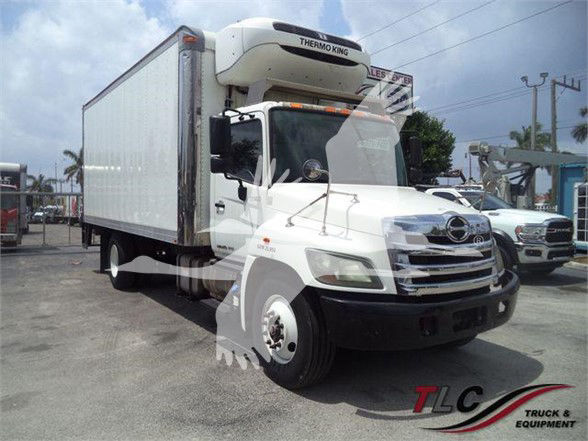
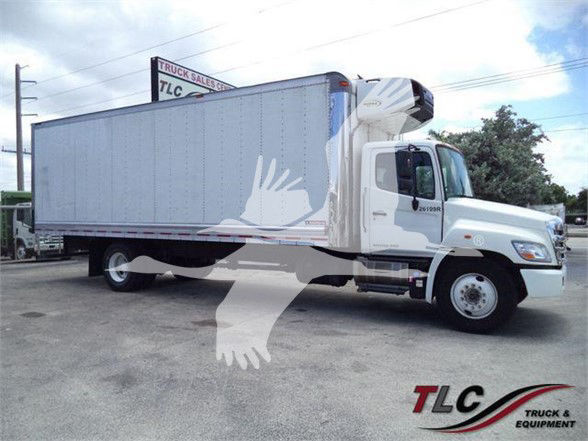
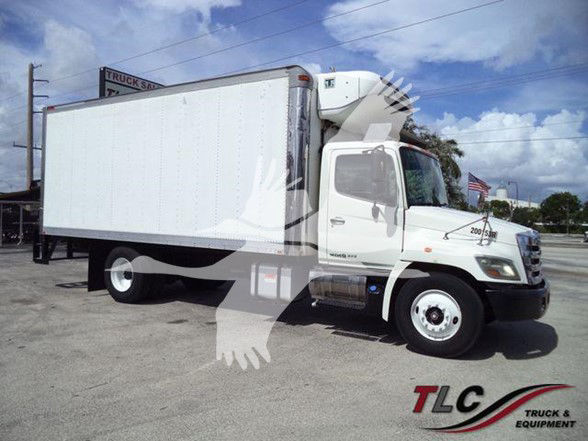
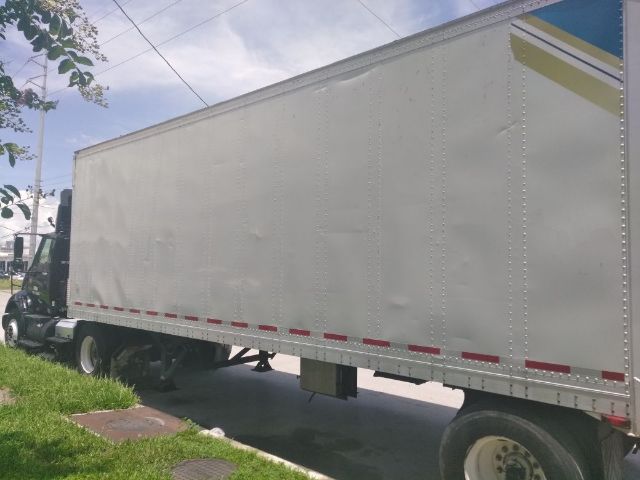
Showing 25 to 28 of 28 results
Have used trailer to sell? List it here to reach thousands of buyers.
About Used Trailers in Florida
A good used trailer evaluation starts with structure and running gear. Check the roof, side panels, rear frame, crossmembers, landing gear, and floor condition first, since those items drive repair cost faster than cosmetic wear. On van trailers, buyers should also look closely at scuff liners, threshold plates, E-track, venting, and door hardware because these areas show how the trailer was loaded and how hard it worked. Suspension type is another key decision. Spring ride can be simple and durable, while air ride is often preferred for higher-value or more damage-sensitive freight. Sliding tandem functionality, axle condition, wheel-end history, tire wear, and tire inflation systems are all worth reviewing on any used trailer.
Florida buyers usually pay close attention to corrosion, tire condition, and maintenance records because coastal humidity and heavy year-round use can expose weak points quickly. Aluminum van trailers are common in this market because they help control empty weight and resist rust better than heavier steel-intensive designs. Features like side skirts, undertray systems, and low-profile 22.5 tires may also show up on newer fleet trailers, especially units that spent time in long-haul or dedicated contract service. If the trailer will run interstate lanes, kingpin setting, overall height, inside height, and tandem slide range should all match the freight profile and the states where the trailer will operate.
The best used trailer is not just the newest one. It is the one with the right specification for the freight, consistent maintenance history, and a condition level that matches its next job. A trailer hauling palletized dry goods on established lanes has a different ideal spec than one handling package freight, multi-stop delivery, or dock-heavy urban work. Buyers comparing used trailers should focus on cubic capacity, floor life, door configuration, suspension, and repair exposure first, then sort by age, brand, and appearance. That approach usually leads to a trailer that stays productive longer and costs less to keep on the road.
Frequently Asked Questions
What should I inspect first on a used trailer?
Start with the structural components and the running gear. The roof, floor, crossmembers, rear frame, sidewalls, landing gear, suspension, axles, brakes, and wheel ends tell you more about the trailer’s real condition than paint or decals. On used dry vans, floor wear, wall damage, door operation, and tandem slide function are especially important because they affect safety, loading efficiency, and near-term repair cost.
Are aluminum trailers a good choice in Florida?
Aluminum trailers are often a strong fit for Florida operations because they help reduce empty weight and generally handle humid, coastal conditions better than trailers with more corrosion-prone steel construction. That does not mean condition can be assumed. Buyers should still inspect fasteners, substructures, rear impact guards, landing gear mounts, and any mixed-metal contact points where corrosion can still develop over time.
Is air ride better than spring suspension on a used trailer?
Air ride is often preferred for fragile, high-value, or claims-sensitive freight because it can improve ride quality and reduce cargo shock. Spring suspension remains common because it is durable, straightforward, and familiar to many maintenance shops. The better choice depends on the freight and the maintenance plan. On a used trailer, condition matters as much as suspension type, so inspect bushings, hangers, airbags if equipped, and alignment-related tire wear.
Why do sliding tandems matter on a used 53-foot trailer?
Sliding tandems give operators flexibility to adjust axle weight distribution and help meet bridge law and state-specific axle requirements. They also matter for dock approach, turning characteristics, and how the trailer balances under different load patterns. On a used trailer, the tandem slider should move and lock correctly, with no obvious rail damage, corrosion, or worn locking components that could create downtime or safety issues.
What features are common on used dry van trailers?
Common specs on used dry van trailers include 53-foot length, 102-inch width, wood floors, plywood lining, scuff plates, threshold plates, venting, roll-up doors, and sliding tandems. Many fleet-spec units also include E-track, tire inflation systems, side skirts, air ride suspension, and low-profile 22.5 tires. The right combination depends on the freight being hauled, the loading method, and how the trailer will be routed.