
Used Flatbed Trailers For Sale in Florida
Shop used flatbed trailers for sale in Florida. Compare 48- and 53-foot lengths, aluminum combo specs, suspensions, deck condition, and payload fit.
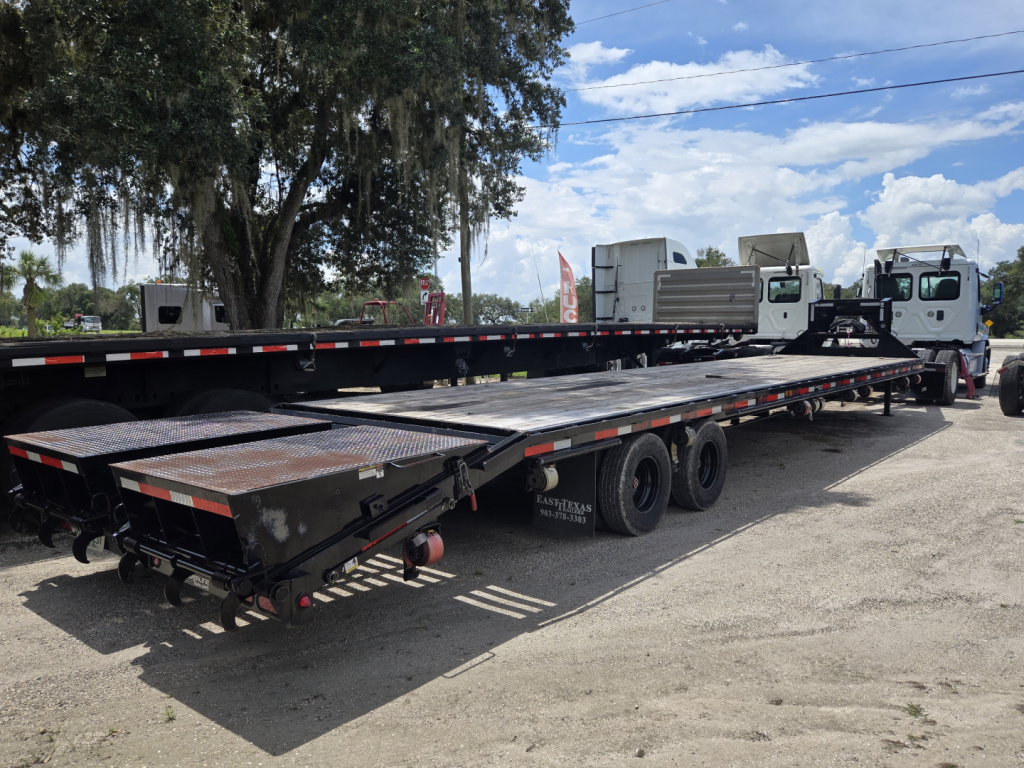
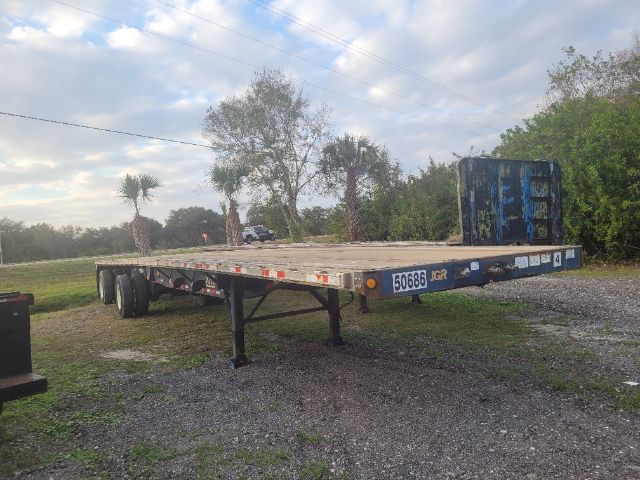
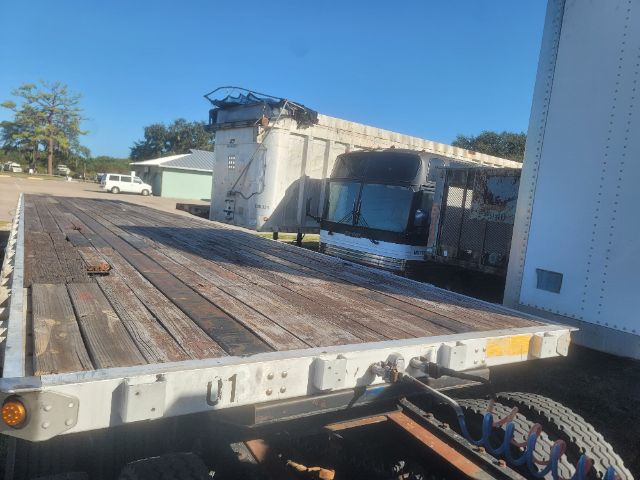
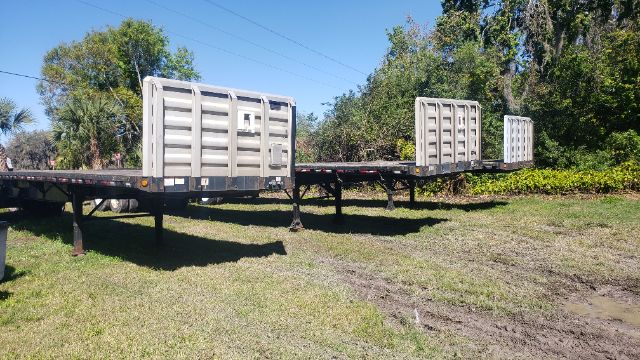
Selling a used flatbed trailer? List your used flatbed trailer for sale and reach thousands of commercial buyers.
Used Flatbed Trailers in Florida
On a used flatbed, deck condition matters as much as the frame. Look closely at crossmembers, main rails, outriggers, apitong or hardwood flooring, winch track, rub rail, and stake pockets. Cracks around concentrated load areas, bent crossmembers from forklift traffic, and worn deck boards can tell you a lot about how the trailer was worked. Buyers hauling building materials, machinery, pipe, palletized freight, or strapped general commodities should also check for coil package configuration, sliding winches, scuffing at chain tie-down points, and the overall condition of the landing gear and rear impact guard.
Suspension and axle setup affect both ride quality and maintenance. Many used flatbeds on the market are tandem axle trailers with air ride suspension, though spring ride units are still common in older or more basic specs. Air ride is often preferred for mixed freight and more sensitive loads, while spring ride can be simpler and less expensive to maintain. Tire size, wheel condition, brake type, ABS function, and alignment history all deserve attention, especially on older trailers. In Florida, corrosion exposure can vary by prior service history, so it is worth checking for rust at the underside, around fasteners, and in areas where standing water and road debris collect.
A flatbed trailer is also known simply as an open deck trailer, and its value depends heavily on how well the spec matches the freight lane. A 48-foot trailer may be a practical fit for regional work and certain specialized loads, while a 53-footer offers more deck space for general commodity freight. Buyers comparing used flatbed trailers should weigh tare weight, deck height, tie-down configuration, suspension type, and structural condition before focusing on price alone. The right trailer is the one that can be loaded efficiently, secured correctly, and kept in service without constant repair downtime.
Frequently Asked Questions about Used Flatbed Trailers in Florida
What should I inspect first on a used flatbed trailer?
Start with the structure and the deck. Inspect the main rails, crossmembers, outriggers, kingpin area, suspension hangers, landing gear mounts, and rear frame for cracks, corrosion, poor repairs, or impact damage. Then check the deck surface for rot, soft spots, broken boards, and signs of concentrated forklift wear. On a flatbed, structural condition usually matters more than cosmetics because repairs to rails, crossmembers, and deck support components can add up quickly.
Is a 48-foot or 53-foot flatbed trailer better?
It depends on the freight and the lanes. A 53-foot flatbed gives you more usable deck space and is common in general commodity service, especially when load length and flexibility matter. A 48-foot flatbed can still be a strong fit for regional hauling, construction materials, and operations where the extra deck length is not necessary. The better choice is the one that matches your common load dimensions, bridge law considerations, and how often you need maximum deck capacity.
What is the difference between aluminum, steel, and aluminum combo flatbed trailers?
An all-aluminum flatbed is usually lighter and offers strong corrosion resistance, which helps when payload is a priority. An all-steel flatbed is typically heavier but can be less expensive to buy and may be simpler to repair in some shops. An aluminum combo trailer uses a steel subframe with aluminum components to balance weight savings and durability. Buyers should compare tare weight, repair environment, expected service life, and the type of freight they haul before choosing one construction style over another.
Is air ride suspension worth it on a used flatbed trailer?
For many operations, yes. Air ride suspension generally provides a smoother ride and can be a better match for mixed freight, palletized products, and loads that do not respond well to harsh road shock. It is common on late-model flatbeds and often preferred by carriers handling higher-value cargo. Spring ride can still be a solid option for tougher duty cycles and buyers looking for a simpler, lower-cost setup, but the decision should be based on cargo sensitivity, maintenance priorities, and total operating cost.
What tie-down features are important on a flatbed trailer?
The key features are a strong rub rail, functional stake pockets, adequate chain tie-down points, and a winch track setup that fits your freight. Sliding winches, ratchet strap compatibility, and coil package equipment can make a major difference depending on what you haul. Buyers should confirm that the trailer has enough securement options across the deck and along the sides to meet cargo securement rules without relying on improvised solutions.