
Used 2019 Trailers For Sale in Florida
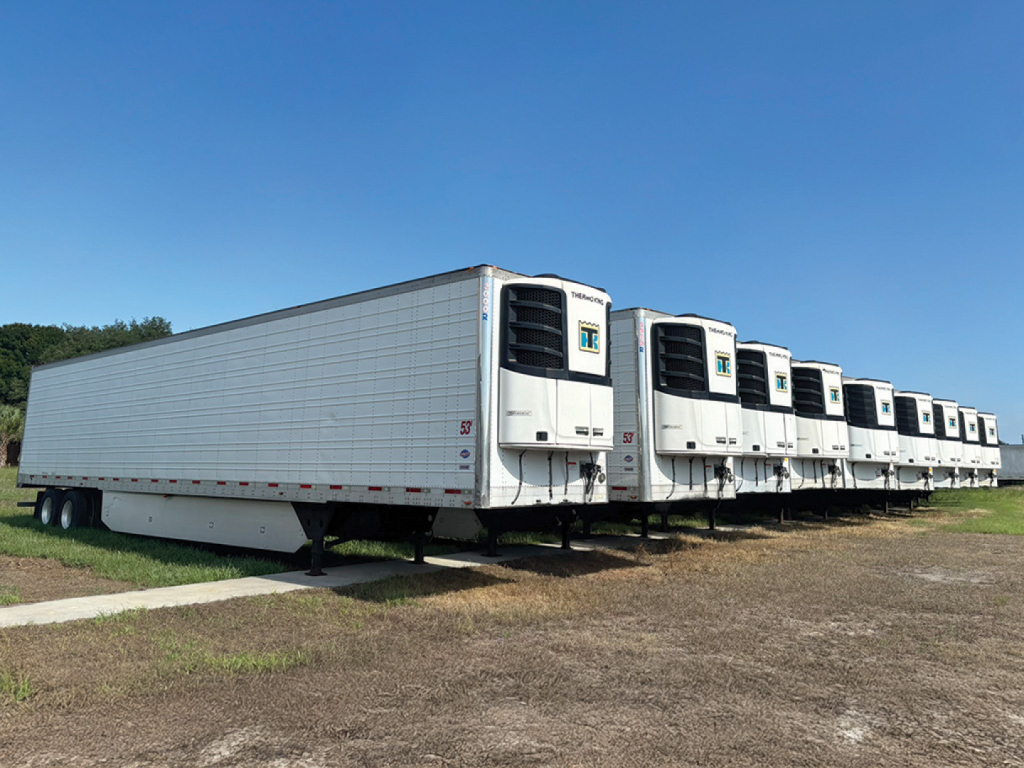
Have used 2019 trailer to sell? List it here to reach thousands of buyers.
Used 2019 Trailers in Florida
A 2019 model year often sits in a practical sweet spot for buyers who want newer trailer specs without paying late-model pricing. On van trailers, common features from this era include aluminum construction, plywood lining, scuff plates, threshold plates, wood floors, E-track, front and rear vents, undertray systems, tire inflation systems, and low-profile 22.5 tires on disc or steel wheels. Buyers should pay close attention to inside height, roof condition, floor wear, rear frame integrity, door hardware, tandem slide operation, and suspension condition. In Florida, corrosion checks are important even on inland units because humidity, coastal exposure, and frequent rain can accelerate wear on crossmembers, wiring, brake components, and light connections.
For flatbed-adjacent and heavy-haul buyers, a used 2019 trailer can offer updated brake systems, better lighting, and more current axle and suspension configurations than older iron. On lowboys, verify axle spacing, deck length, loaded deck height, neck style, suspension type, and any structural repairs around the main beams, outriggers, and bucket well areas. If the trailer will run under Florida permit conditions or cross into neighboring states, overall dimensions, empty weight, and kingpin setting should be reviewed early because those details affect routing, bridge law compliance, and payload flexibility.
The best used 2019 trailer is the one matched to freight, lane, and loading method. A van trailer for dock-to-dock distribution should be evaluated differently than a lowboy hauling yellow iron. Buyers comparing multiple used trailers in Florida should focus on maintenance history, tire condition, brake life, floor and frame integrity, VIN and title status, and how the trailer is spec'd for the work. A clean 2019 trailer with the right suspension, dimensions, and cargo-control setup will usually outperform a cheaper unit that needs immediate structural or running-gear work.
Frequently Asked Questions about Used 2019 Trailers in Florida
What should I inspect first on a used 2019 trailer?
Start with the frame, suspension, brakes, tires, and floor because those areas drive repair cost fastest. On dry vans, inspect the floor for rot, delamination, forklift damage, and soft spots, then check the rear frame, door seals, roof, scuff liner condition, and tandem slide operation. On lowboys or other heavy-haul trailers, focus on beam condition, neck connection points, axle alignment, deck wear, and any visible weld repairs. Corrosion, uneven tire wear, and air system leaks are all signs that the trailer may need immediate attention.
Are 2019 trailers a good value in the used market?
Yes, many 2019 trailers hit a strong value point because they are modern enough to include desirable specs but old enough to avoid the premium attached to very late-model equipment. Buyers can often find air ride suspensions, tire inflation systems, better cargo-control options, and more current brake and lighting setups in this model year. The real value depends on maintenance history, structural condition, and how closely the trailer spec matches the intended freight.
What trailer specs matter most for dry van buyers in Florida?
Length, inside height, suspension type, tandem configuration, door style, floor condition, and cargo-control equipment are the main considerations. Many dry vans in this segment are 53 feet long, 102 inches wide, and built for dock-height freight with roll-up or swing doors. In Florida, buyers should also pay close attention to moisture-related wear, roof and seal condition, and corrosion around wiring, brakes, and undercarriage components because the climate can be hard on trailers.
What matters most when buying a used lowboy trailer?
Deck height, axle count, axle spacing, load rating, neck style, and structural condition matter most on a lowboy. These trailers are application-specific, so a unit built for compact equipment is very different from one intended for excavators, dozers, or other concentrated heavy loads. Buyers should also confirm permit implications, bridge law considerations, and whether the trailer dimensions and kingpin setting fit the tractor and routes it will run.
Why is a sliding tandem important on a used trailer?
A sliding tandem gives the operator more flexibility in weight distribution and bridge law compliance. On van trailers, it helps balance axle weights to suit different freight mixes and shipper loading patterns. It can also make a trailer more versatile across regional and over-the-road work. When inspecting a used unit, make sure the slide rail, locking pins, and air release system operate correctly and show no signs of major wear or damage.