
Used 2023 Trailers For Sale in Florida
Browse used 2023 trailers for sale in Florida, including flatbed, drop deck, dry van, reefer, dump, and specialty trailer options.
Learn more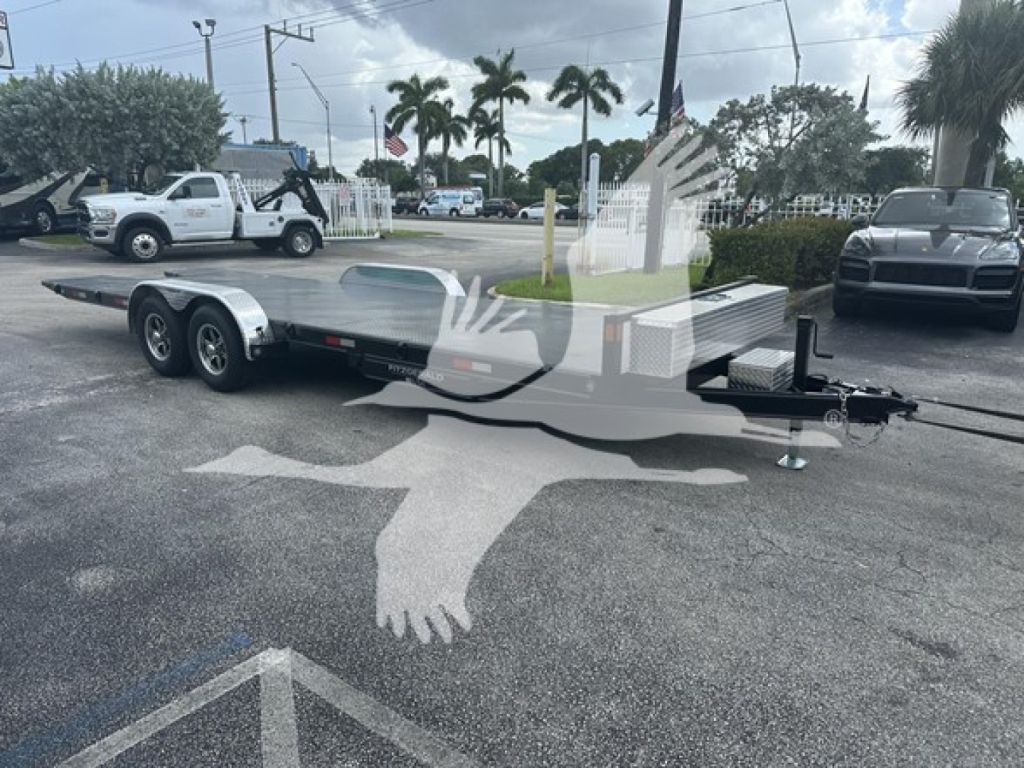
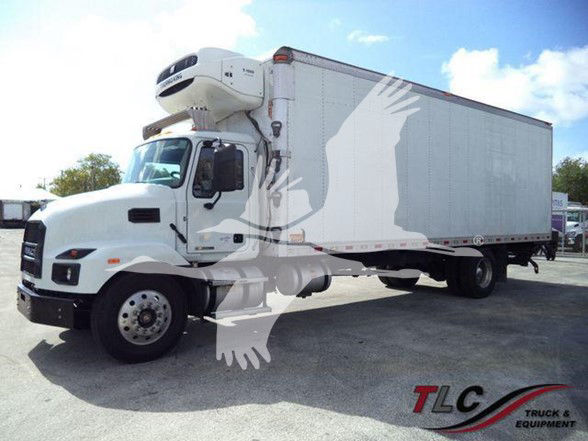
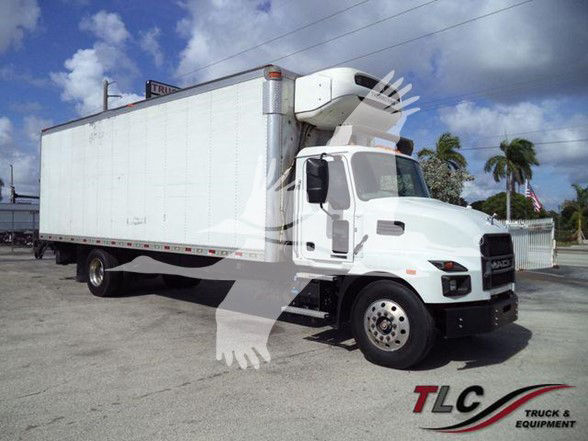
Have used 2023 trailer to sell? List it here to reach thousands of buyers.
About Used 2023 Trailers in Florida
The right trailer depends on freight, loading method, and route profile. In this market, buyers may be comparing flatbeds, step decks also known as drop deck trailers, dry vans, reefers, dump trailers, walking floor trailers, chassis, and other specialty configurations. Key specs to review first are overall length and width, GVWR, axle spacing, suspension type, brake setup, floor condition, tire size, wheel material, and trailer weight. On open-deck trailers, deck height, concentrated load rating, winch track, chain ties, toolboxes, ramps, and apitong or aluminum floor construction matter. On enclosed trailers, pay close attention to roof condition, door seals, scuff liners, logistics posts, swing or roll-up doors, and any liftgate or tire inflation system.
Florida buyers should also put extra weight on corrosion exposure, brake condition, and tire age. Even a 2023 trailer can show accelerated wear if it has spent time in coastal service, high-humidity storage, or heavy stop-and-go routes. Inspect crossmembers, wiring, lights, air lines, slack adjusters, bushings, and the kingpin area for signs of damage or deferred maintenance. For reefer and insulated applications, verify unit hours, service history, bulkhead condition, and fuel system integrity. For dump and moving-floor applications, look closely at liner wear, hydraulic components, rear frame stress, and door operation. A clean title, documented PM history, and recent brake or tire work can be as important as the model year.
A used 2023 trailer often appeals to buyers who need current-spec equipment that can go straight into revenue service with limited reconditioning. The best value usually comes from matching trailer design to freight instead of buying strictly on price. A lightweight combo flatbed may improve payload on steel or building products, while an air-ride dry van may better protect retail or palletized freight. A step deck with ramps can open up machinery and equipment hauling, and a walking floor trailer can reduce unload time in agricultural, mulch, scrap, or waste applications. The closer the trailer spec matches the lane, commodity, and loading equipment at your shippers, the better the return on the purchase.
Frequently Asked Questions
What are the main advantages of buying a used 2023 trailer?
A used 2023 trailer gives buyers a late-model spec with less depreciation than a new unit. In many cases, you still get modern lighting, ABS, suspension, brake components, and more current design features, but at a lower capital cost. That can improve cash flow while still keeping maintenance risk lower than with much older trailers, assuming the trailer has been properly serviced and inspected.
What should I inspect first on a used 2023 trailer in Florida?
Start with the frame, crossmembers, kingpin area, suspension, brakes, tires, wheels, wiring, and air system. In Florida, humidity and coastal exposure make corrosion checks especially important, even on newer equipment. Buyers should also confirm tire date codes, look for uneven wear that may point to alignment or suspension issues, and review service records for brake work, PM intervals, and any structural repairs.
Which trailer specs matter most when comparing different trailer types?
The most important specs depend on the trailer category, but buyers should always confirm length, width, axle configuration, GVWR, empty weight, suspension type, and brake setup. For flatbeds and step decks, deck height, flooring, tie-down equipment, and ramp provisions are key. For dry vans and reefers, floor condition, door seals, interior dimensions, logistics track, and reefer unit history matter more. Matching those specs to freight is what determines real-world value.
Is a 2023 used trailer a good fit for owner-operators and small fleets?
Yes, a 2023 used trailer can be a strong fit for both owner-operators and small to midsize fleets that want newer equipment without committing to full new-trailer pricing. It can help maintain shipper expectations for appearance and reliability while keeping purchase cost more manageable. The key is buying a trailer with the right spec and verifiable maintenance history so it can enter service quickly without major reconditioning expense.
How do I choose between a flatbed, step deck, dry van, reefer, or walking floor trailer?
Choose based on the freight, the loading dock or yard setup, and the level of cargo protection required. Flatbeds handle general open-deck freight and simplify side loading. Step decks, also called drop decks, are better for taller freight that would exceed legal height on a standard flatbed. Dry vans protect palletized freight from weather and theft, reefers add temperature control for food and other sensitive cargo, and walking floor trailers are useful where self-unloading bulk or loose material is needed without tipping.