
Used 2016 Trailers For Sale in Florida
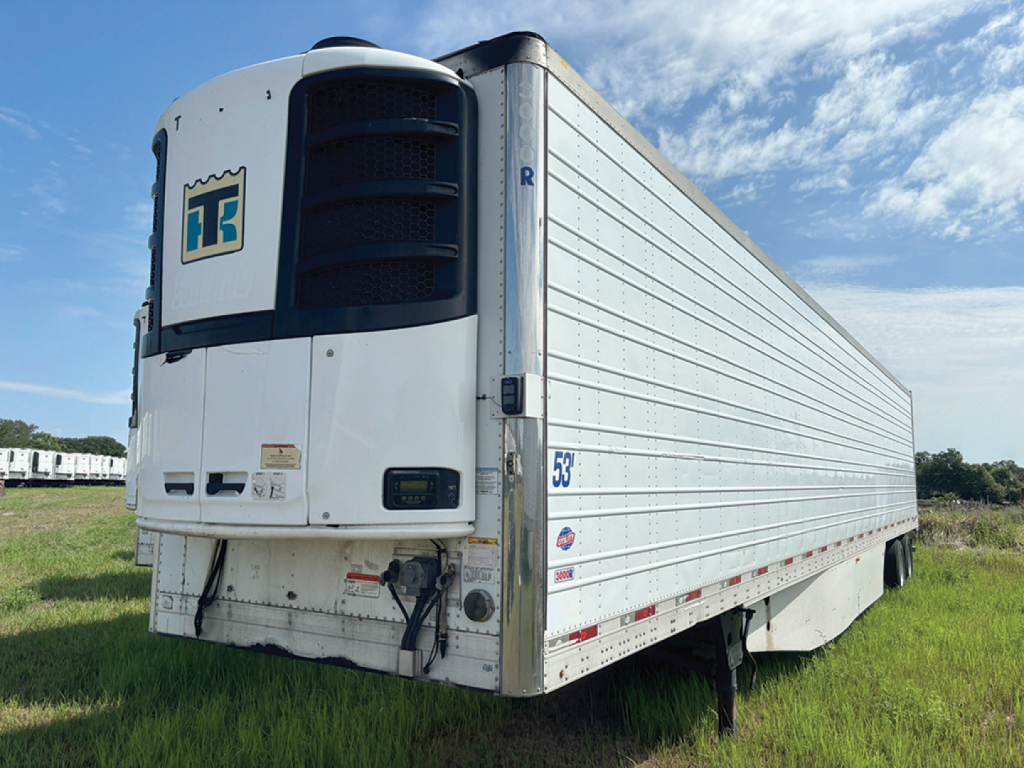
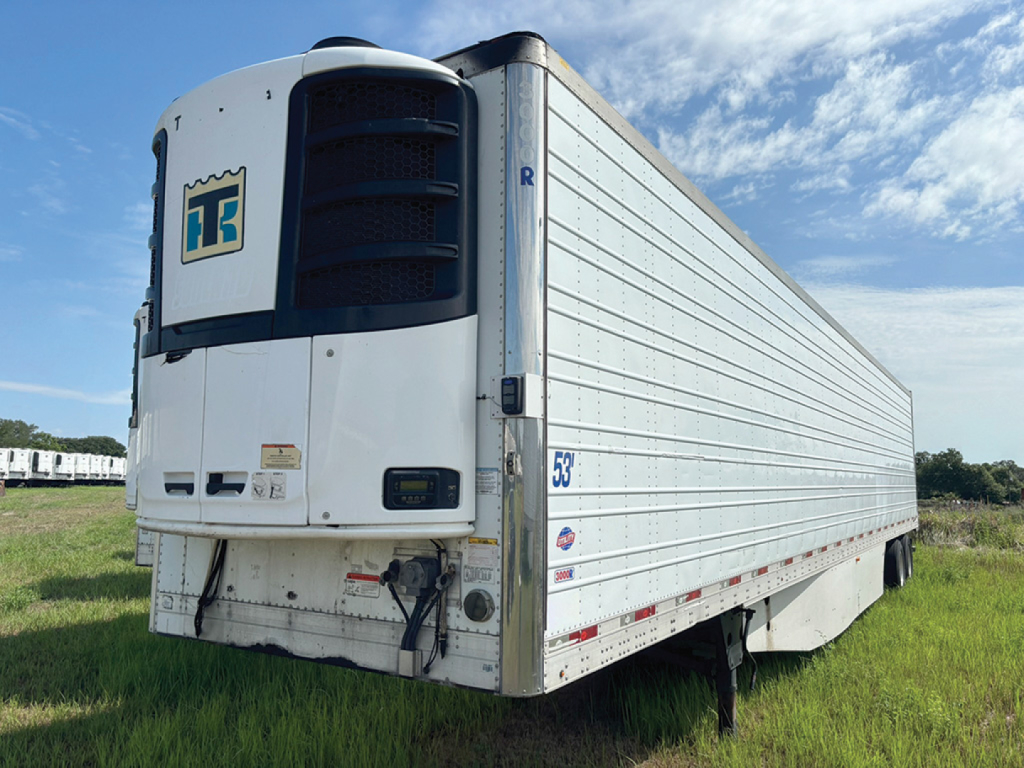
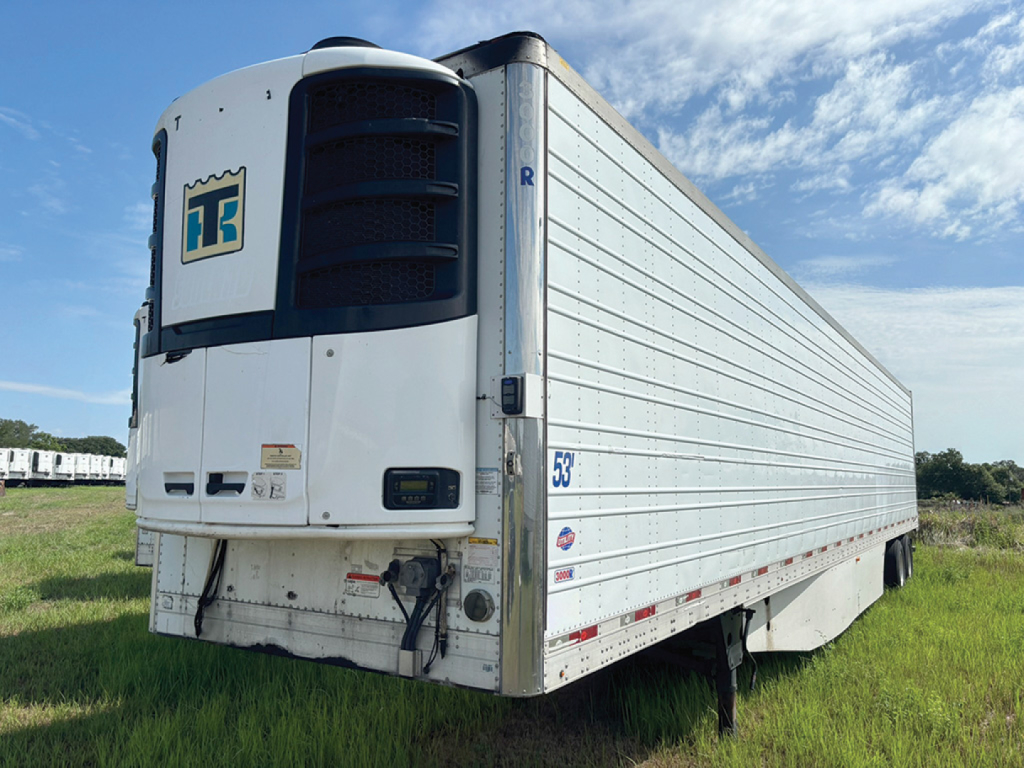
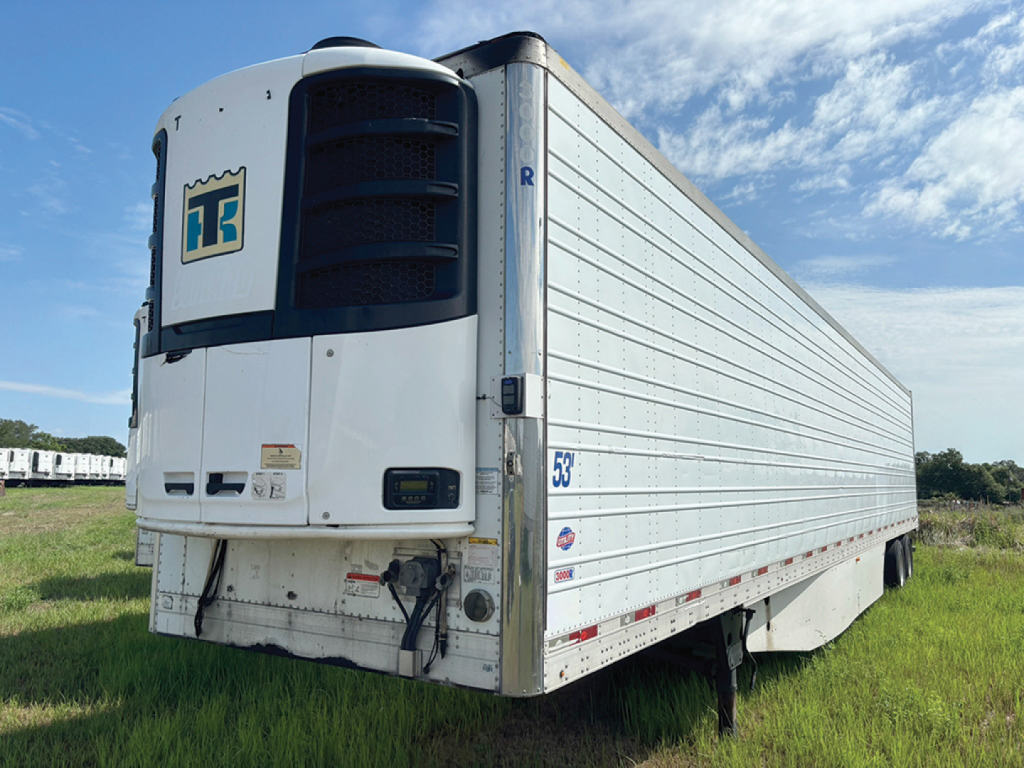
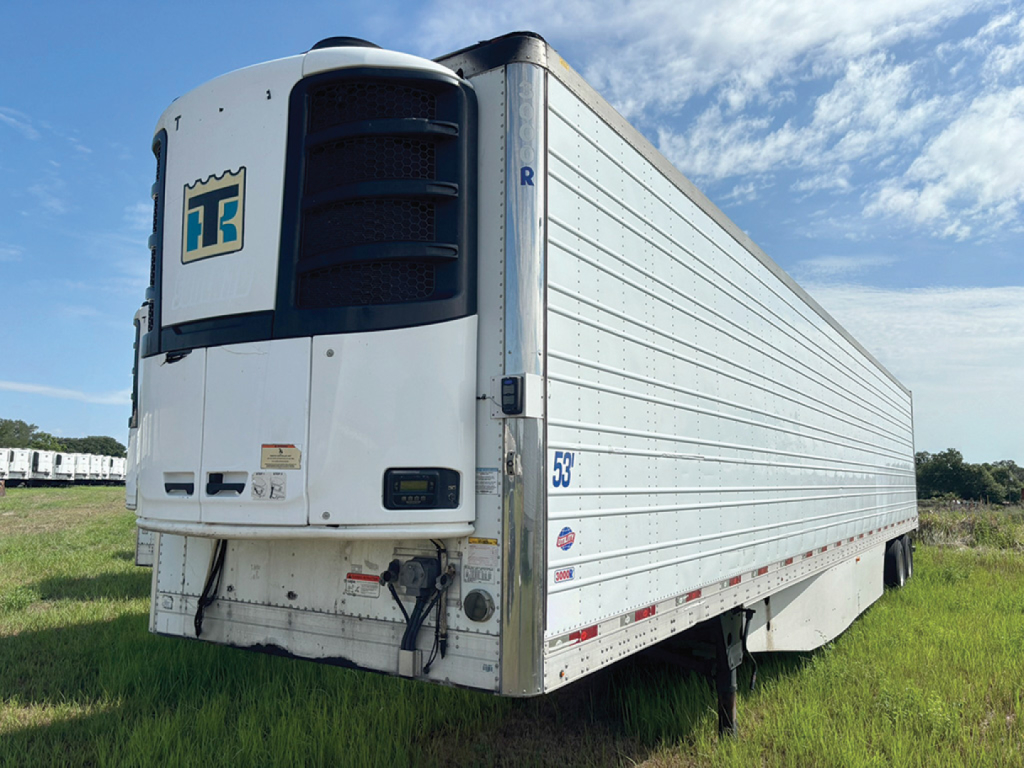
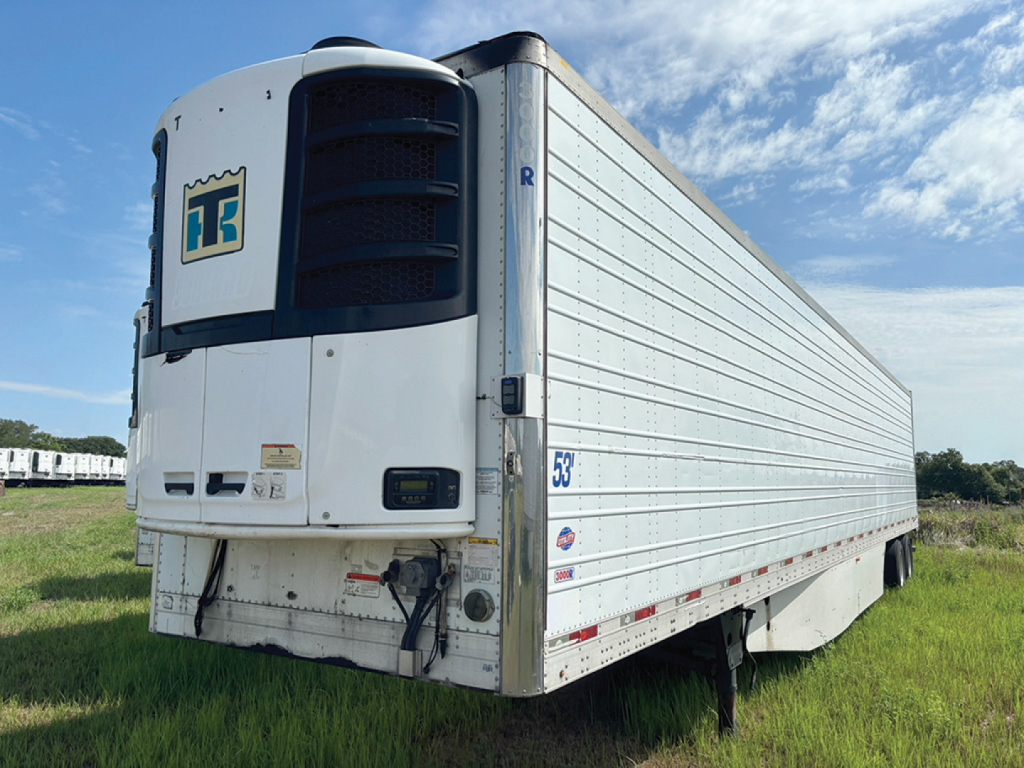
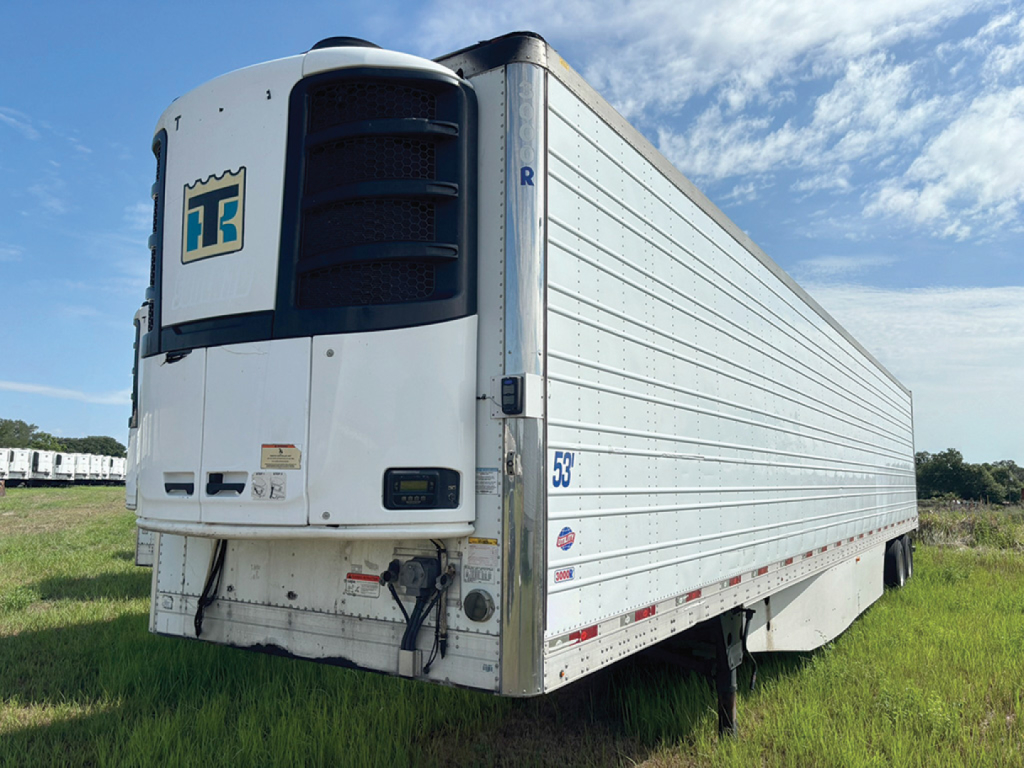
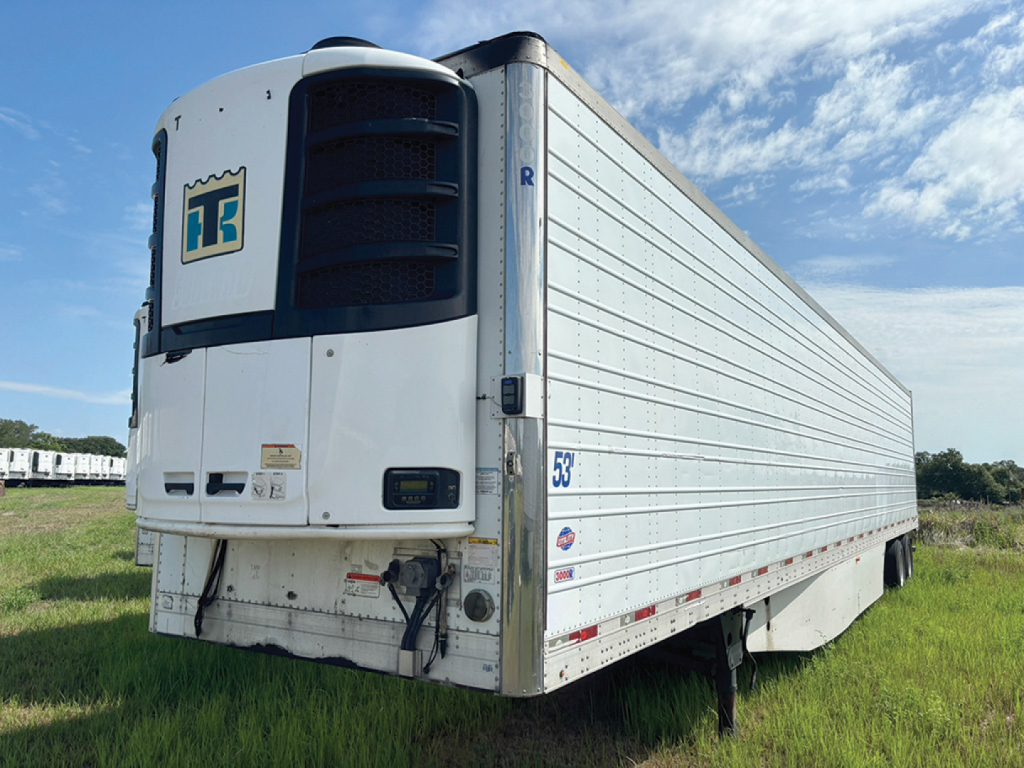
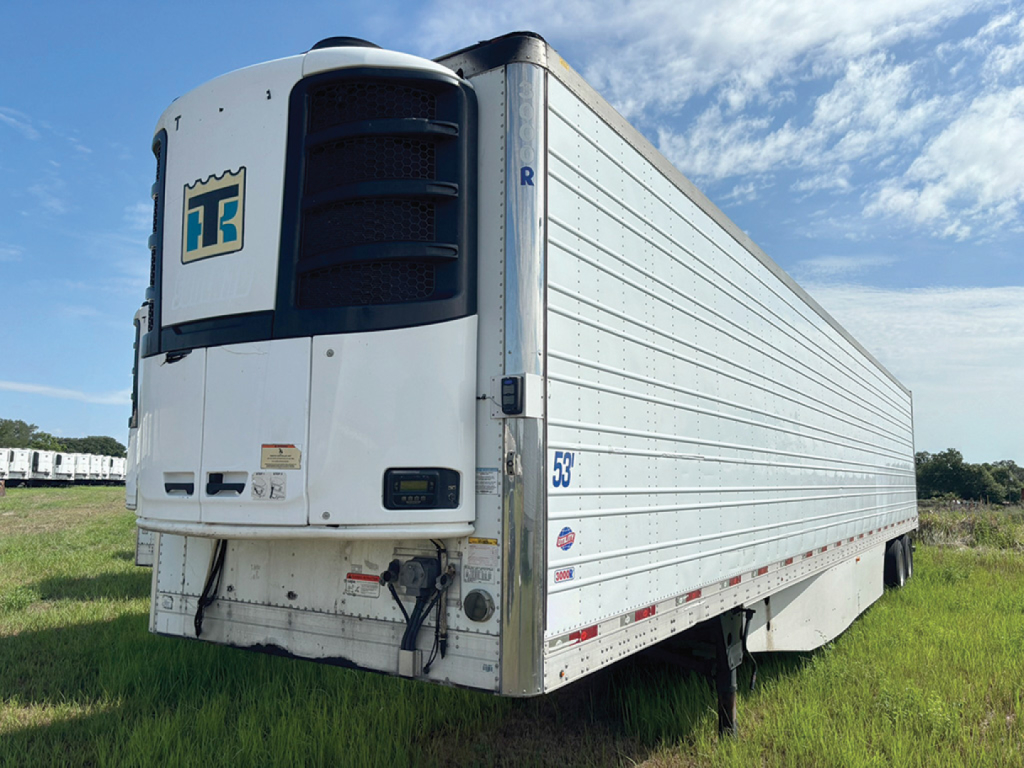
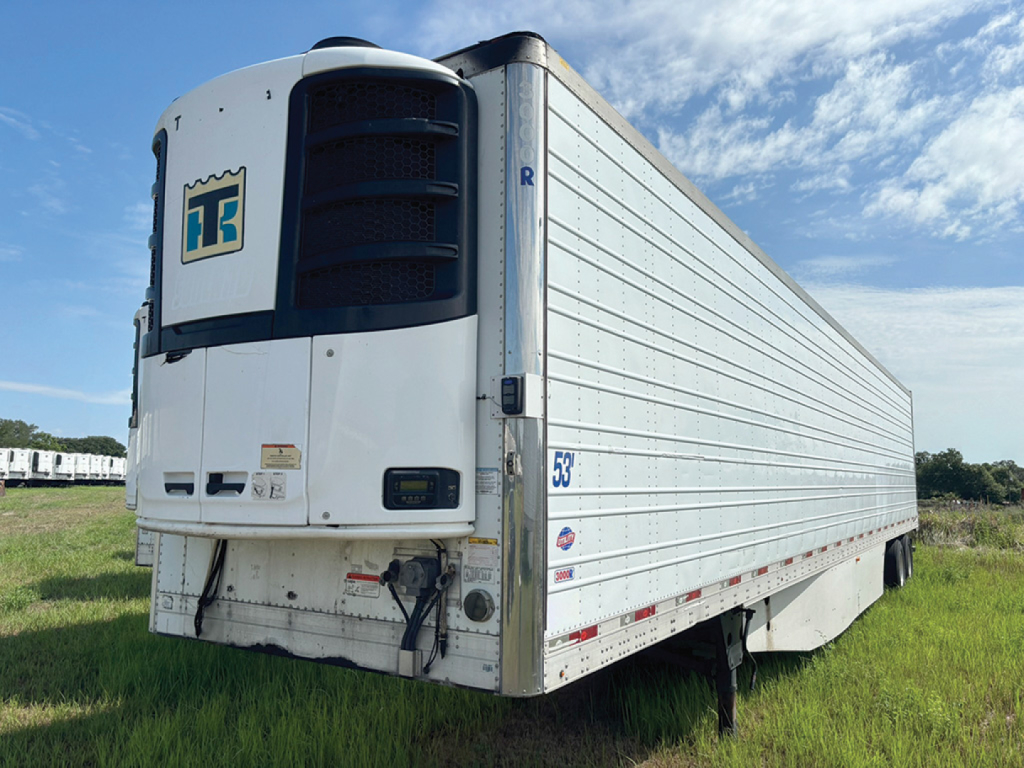
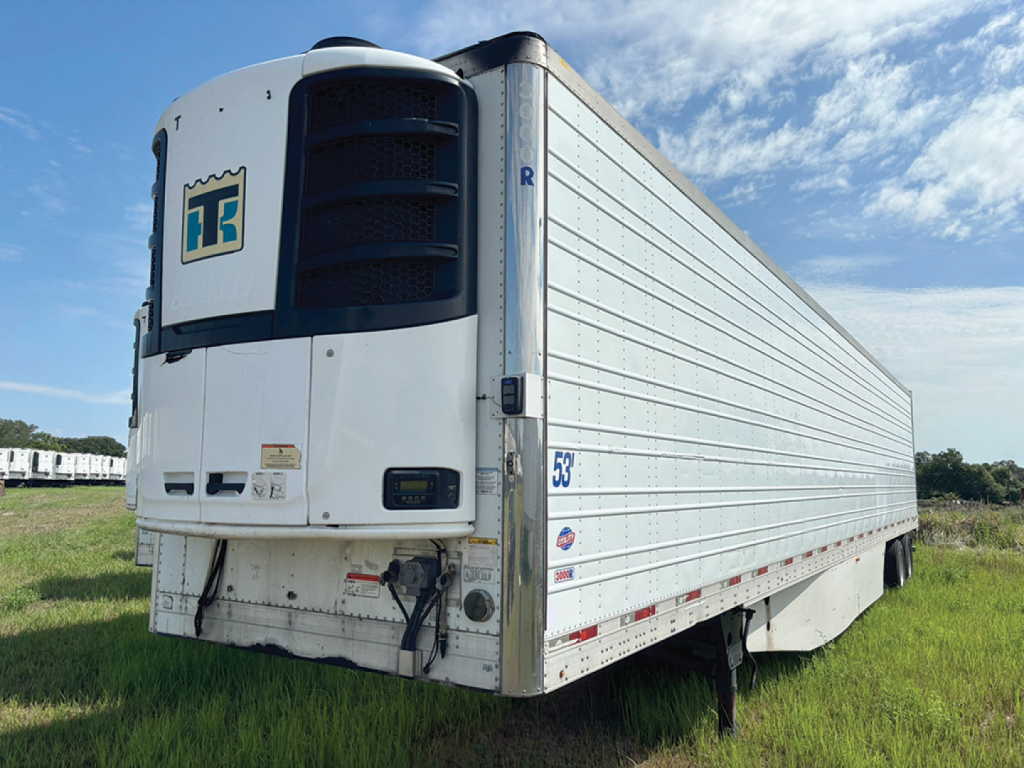
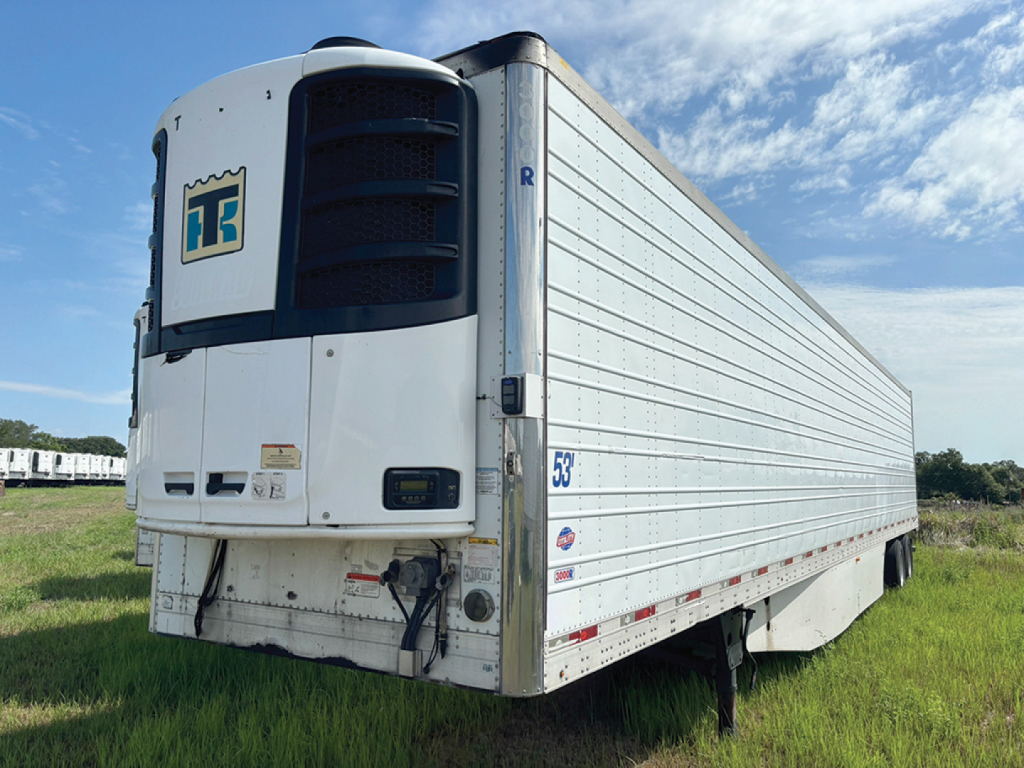
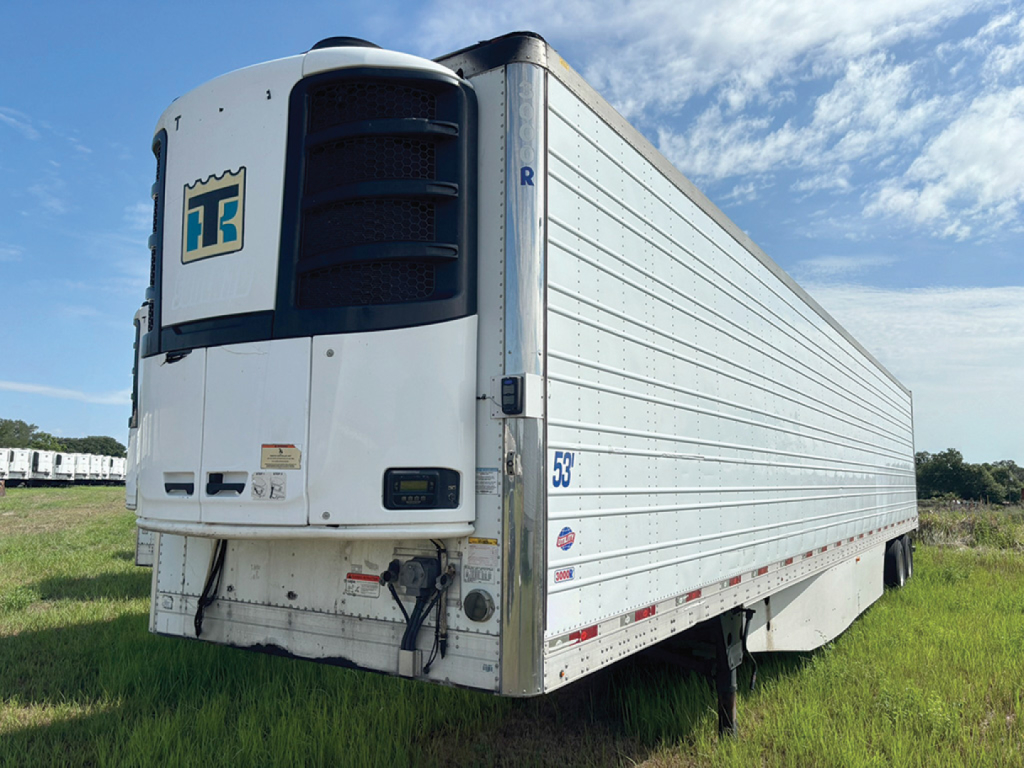
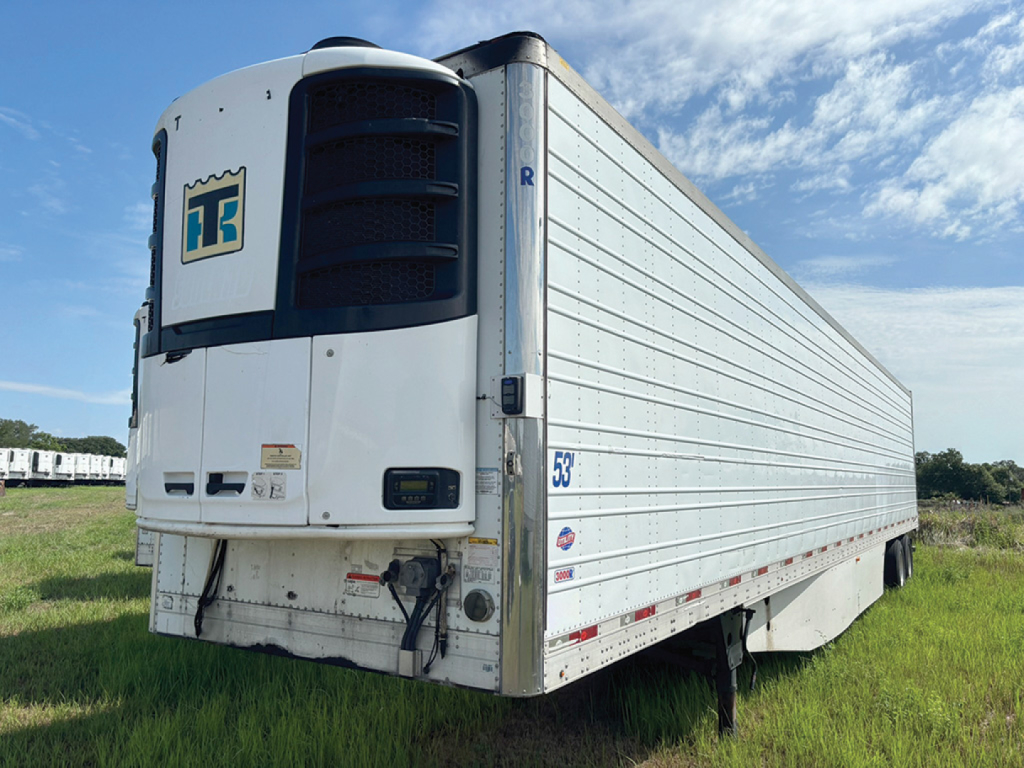
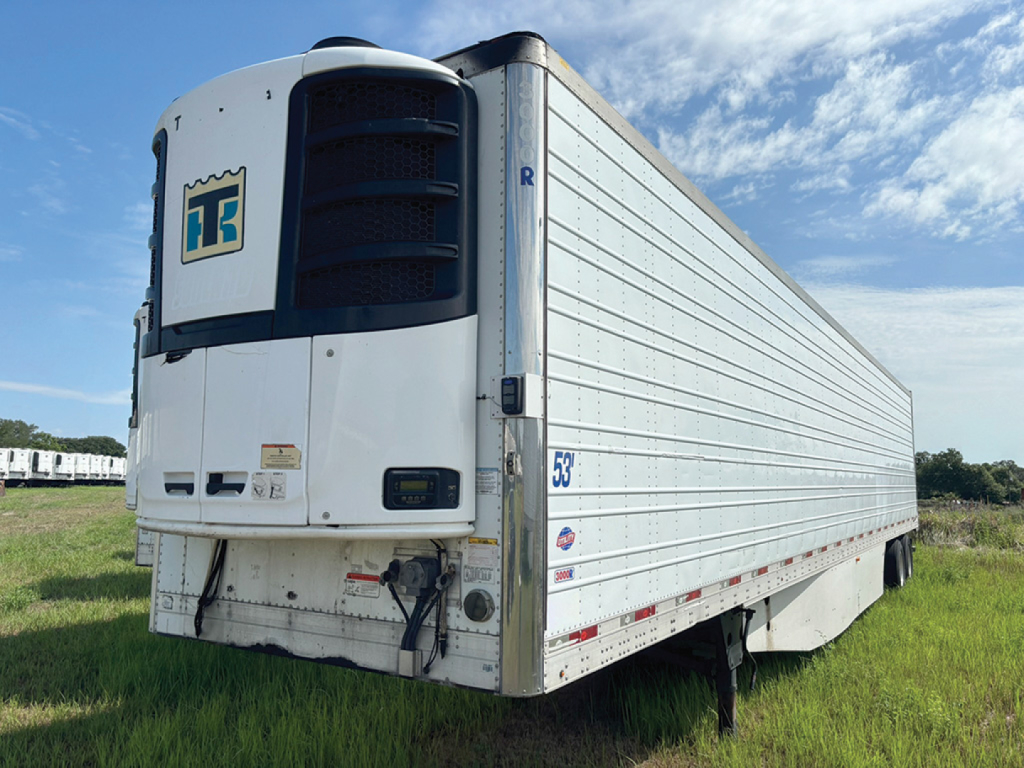
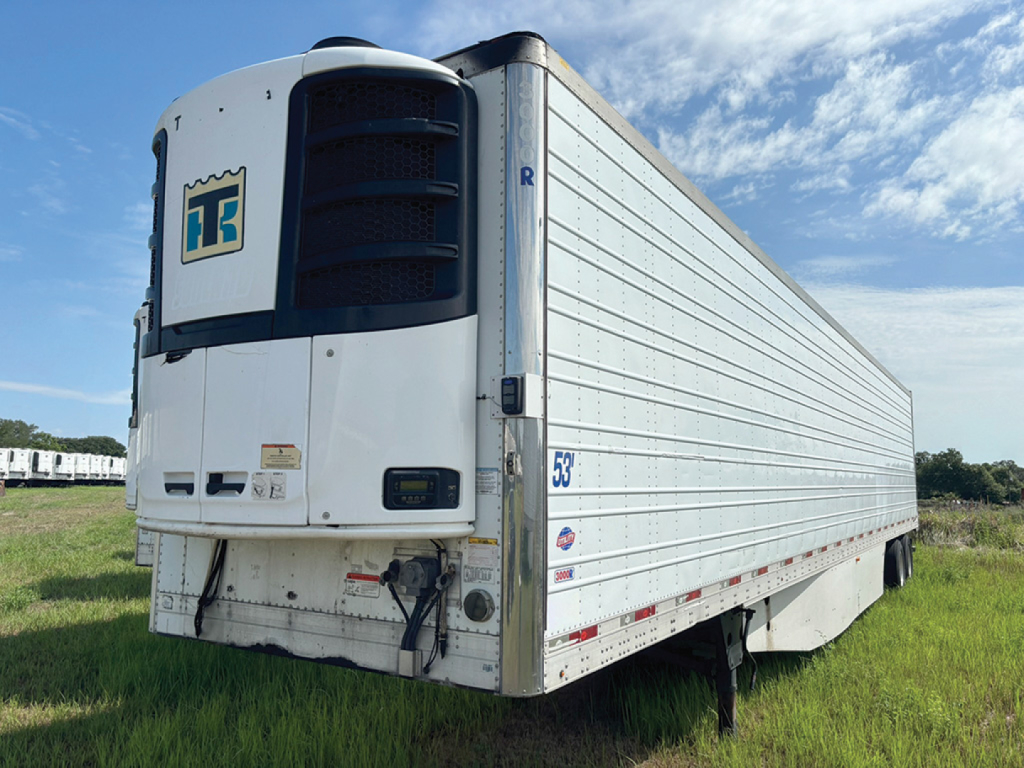
Have used 2016 trailer to sell? List it here to reach thousands of buyers.
Used 2016 Trailers in Florida
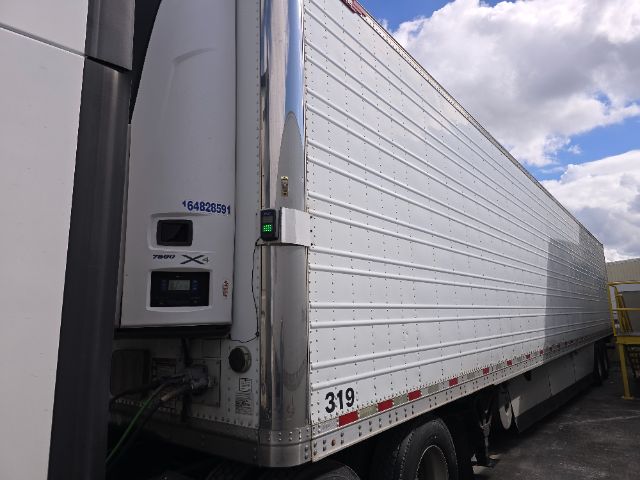
Condition and prior use matter more than age alone on a 2016 trailer. A van trailer that spent most of its life in regional package freight will wear differently than one that handled heavy palletized loads, dock-heavy LTL work, or high-cube retail freight. Buyers should inspect crossmembers, floor condition, roof bows, rear frame, door hardware, ICC bumper, tandem slide rails, suspension components, hubs, wheel ends, brakes, and tire wear patterns. In Florida, corrosion is usually less severe than in northern road-salt markets, but coastal service can still leave its mark on wiring, air lines, light connections, and exposed steel components.
Spec decisions should be tied to the lanes the trailer will run. Sliding tandems help with bridge law compliance and weight distribution. Air ride is preferred for many freight types because it reduces cargo shock and tends to be easier on both trailer structure and lading. Tire inflation systems, low-profile 22.5 tires, aluminum or steel wheels, side skirts, vents, undertray storage, and air-lift axles can add value depending on the operation. On van trailers, interior height is a real sorting factor. A 100-inch inside height works for standard freight, while taller interiors can improve cube for lighter, bulky loads. Buyers running grocery, retail, parcel, manufacturing, or port-related freight should also confirm dock compatibility, kingpin setting, door opening height, and any logistics equipment already installed.
A 2016 model year trailer often sits in the sweet spot where replacement parts, service knowledge, and resale demand remain strong. The best buy is usually the trailer with a clear maintenance history, a straight frame, solid floor, healthy brake and suspension life, and a spec that fits the freight instead of forcing compromises. For Florida operations, it also pays to think about heat, humidity, rainfall, and highway-heavy routing across I-10, I-75, the Turnpike, and port corridors. A trailer that is correctly spec'd for payload, cube, and loading style will usually return more value than one chosen only by price or appearance.
Frequently Asked Questions about Used 2016 Trailers in Florida
What should I inspect first on a used 2016 trailer?
Start with the structural and running gear components because they drive repair cost and uptime. Check the frame rails, crossmembers, floor condition, roof, sidewalls, rear frame, door seals, tandem slide, suspension, brakes, wheel ends, tires, and all lights and air lines. On van trailers, pay close attention to scuff liner damage, forklift impact, floor soft spots, and cracks around the rear sill and threshold plate. A straight trailer with documented maintenance is usually a better purchase than a cheaper unit that needs immediate structural or brake work.
Is a 2016 trailer too old for fleet service?
Not necessarily. Many 2016 trailers are still viable for fleet service, regional haul, dedicated lanes, storage use, or backup capacity if they have been maintained properly. The real issue is not model year by itself but service history, prior freight type, structural condition, and current compliance status. A well-kept 2016 trailer can still offer strong value if its specs match the operation and the cost of needed reconditioning is understood up front.
What trailer specs matter most for dry van buyers?
Length, width, inside height, suspension type, tandem configuration, door style, and interior logistics equipment usually matter first. Many buyers look for 53-foot by 102-inch vans with air ride, sliding tandems, roll-up or swing doors, wood floors, scuff plates, and E-track or logistics posts. Tire inflation systems, side skirts, disc or drum brakes, and venting can also be important depending on route length, fuel priorities, and cargo type. The right combination depends on payload, cube, dock conditions, and how often the trailer is loaded by forklift.
Are used 2016 trailers in Florida a good regional buy?
Florida can be a favorable market for used trailers because many units avoid the heavy road-salt exposure seen in northern states. That can mean less undercarriage corrosion, especially on older equipment. Buyers still need to inspect for coastal corrosion, sun exposure, moisture-related wear, and high-cycle route damage from port, retail, or parcel operations. Climate helps, but maintenance and application still determine the trailer's real condition.
How do I know if a used 2016 trailer is spec'd correctly for my freight?
Match the trailer to the cargo first, then to the route. Confirm payload needs, cube requirements, loading method, dock height compatibility, kingpin setting, door clearance, and axle spread or sliding tandem needs. For palletized dry freight, floor strength, inside width, and logistics equipment may matter most. For long highway runs, side skirts, tire systems, and aerodynamic spec can add value. A trailer that fits the freight and loading pattern will perform better and usually cost less to operate than a unit bought on year and price alone.