
Used 2026 Trailers For Sale
Shop used 2026 trailers for sale, including dry vans, reefers, flatbeds, drop decks, tank and specialty trailers across common fleet specs.
Learn more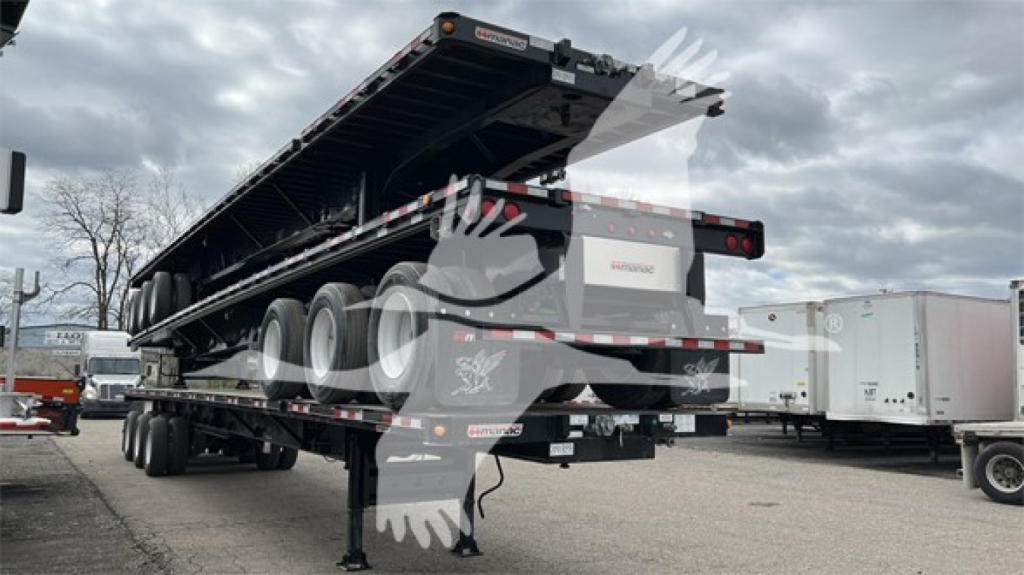
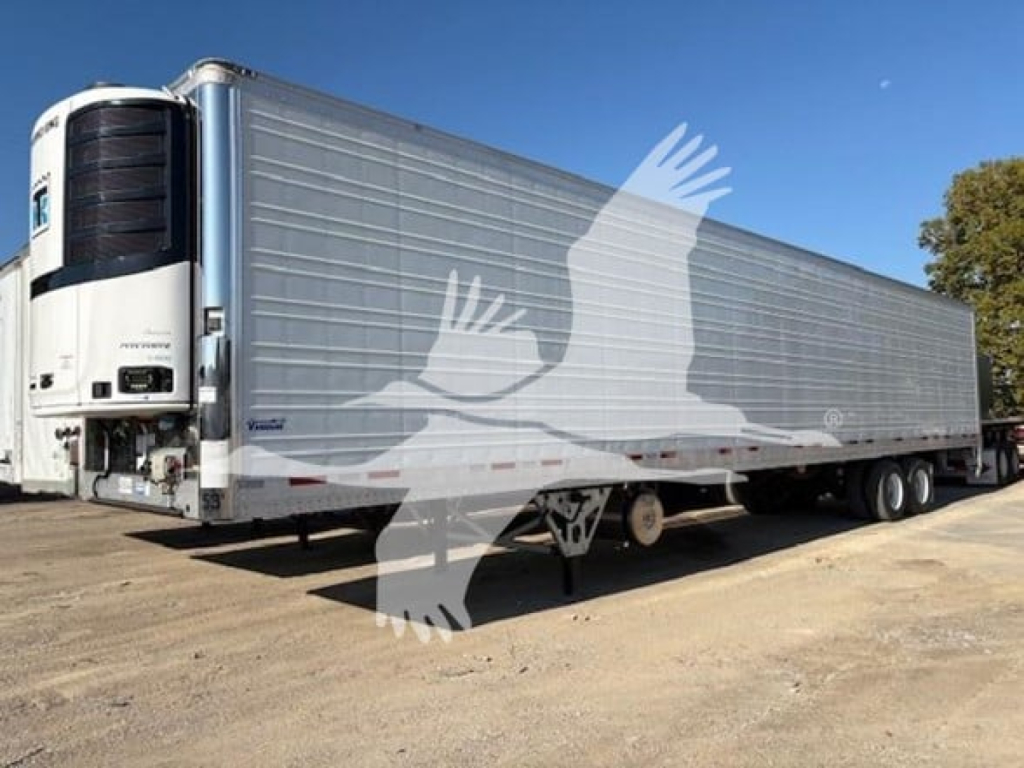
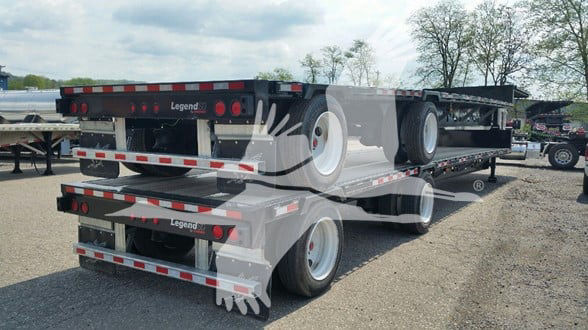
Showing 13 to 16 of 16 results
Have used 2026 trailer to sell? List it here to reach thousands of buyers.
About Used 2026 Trailers
For van and reefer buyers, interior condition matters as much as the chassis. Dry vans are often spec'd with wood floors, logistics posts, scuff liners, threshold plates, and swing or roll doors depending on freight mix and dock traffic. Reefers add another layer of evaluation with the refrigeration unit, duct floor or channel floor design, rear vents, chute systems, and insulation integrity. Buyers moving food-grade or temperature-sensitive freight should pay close attention to reefer hours, unit service history, door seal condition, and signs of floor or wall damage that can affect temperature control and washout performance.
For open deck and specialty applications, weight, deck configuration, and securement options usually drive the purchase. Flatbeds and drop decks may be aluminum or steel, with differences in tare weight, repair cost, and long-term corrosion resistance. Features like winch tracks, sliding winches, coil packages, tire inflation systems, toolbox placement, and kingpin settings can make a major difference in daily usability. Expandable drop decks and low-profile setups are especially relevant for operators hauling taller equipment, dense freight, or machinery that needs legal deck height without moving into a more specialized trailer class.
Tank and bulk trailers require closer attention to barrel material, piping, discharge layout, manhole count, suspension condition, and prior product history. Aluminum barrels save weight, while steel components may change maintenance needs depending on product type and operating environment. Across all used trailers, buyers should inspect crossmembers, roof condition, floor wear, suspension bushings, brake type, tire size consistency, wheel condition, landing gear operation, and any signs of frame damage or poor repairs. A good used 2026 trailer should fit the freight first, then match your maintenance standards, terminal setup, and state-by-state operating requirements.
Frequently Asked Questions
What types of used 2026 trailers are most common on the market?
The most common categories are dry van trailers, refrigerated trailers, flatbeds, drop decks, tank trailers, and pneumatic dry bulk trailers. Dry vans and reefers are widely used in general freight and food distribution, while flatbeds and drop decks serve construction materials, machinery, and oversized freight. Tank and pneumatic trailers are more specialized and should be matched carefully to the product being hauled, discharge system requirements, and cleaning standards.
What should I inspect first when comparing used trailers?
Start with the structural and wear components because they drive both safety and operating cost. Check the frame, crossmembers, floor, roof, suspension, brakes, tires, wheels, landing gear, kingpin area, and rear frame. On vans and reefers, inspect door seals, scuff liners, interior lining, and floor condition. On open deck trailers, inspect the deck surface, side rails, winch tracks, and securement points. Signs of uneven tire wear, poor weld repairs, corrosion, or damage around the suspension hangers can point to expensive issues.
Is aluminum or steel better for a used trailer?
Aluminum usually offers lower tare weight and better corrosion resistance, which helps maximize payload and reduce long-term rust concerns. Steel can be more economical up front and may be preferred in severe-duty applications where repair access and component cost matter more than weight savings. The better choice depends on payload targets, operating environment, repair strategy, and how long the trailer is expected to stay in service.
What matters most on a used reefer trailer?
The refrigeration unit is only part of the equation. Buyers should also evaluate insulation performance, floor design, interior lining condition, door seal integrity, and evidence of air leaks or water intrusion. Reefer hours, maintenance records, unit start-up behavior, and the condition of components like evaporators, chute systems, and rear vents all affect temperature control. A reefer with a sound trailer body and documented unit service history is usually a stronger long-term buy than one that looks clean but lacks maintenance detail.
Why are sliding tandems and kingpin settings important on used trailers?
Sliding tandems and kingpin settings affect axle loading, bridge law compliance, turning clearance, and how the trailer interacts with different tractors and docks. A sliding tandem gives operators more flexibility to shift weight and meet state requirements, especially on 53-foot trailers. Kingpin setting matters for load distribution and tractor compatibility, particularly in fleets with mixed wheelbase specs or tight customer yards. These measurements should match the freight profile and the tractors that will be assigned to the trailer.