
Used 2026 Van Trailers For Sale
Browse used 2026 van trailers for sale. Compare 53-foot dry vans, specs, logistics features, suspension, doors, floors, and trailer condition.
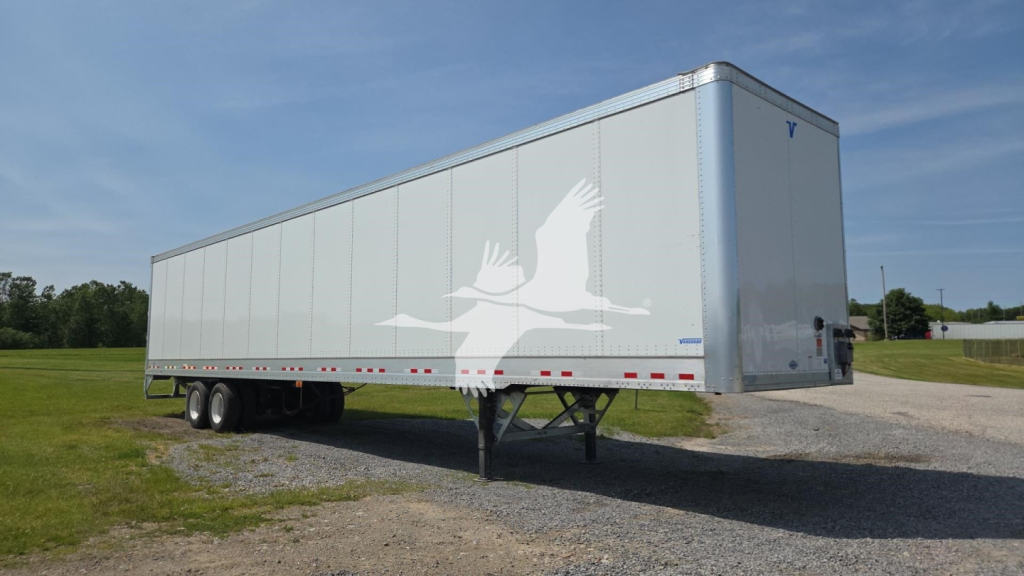
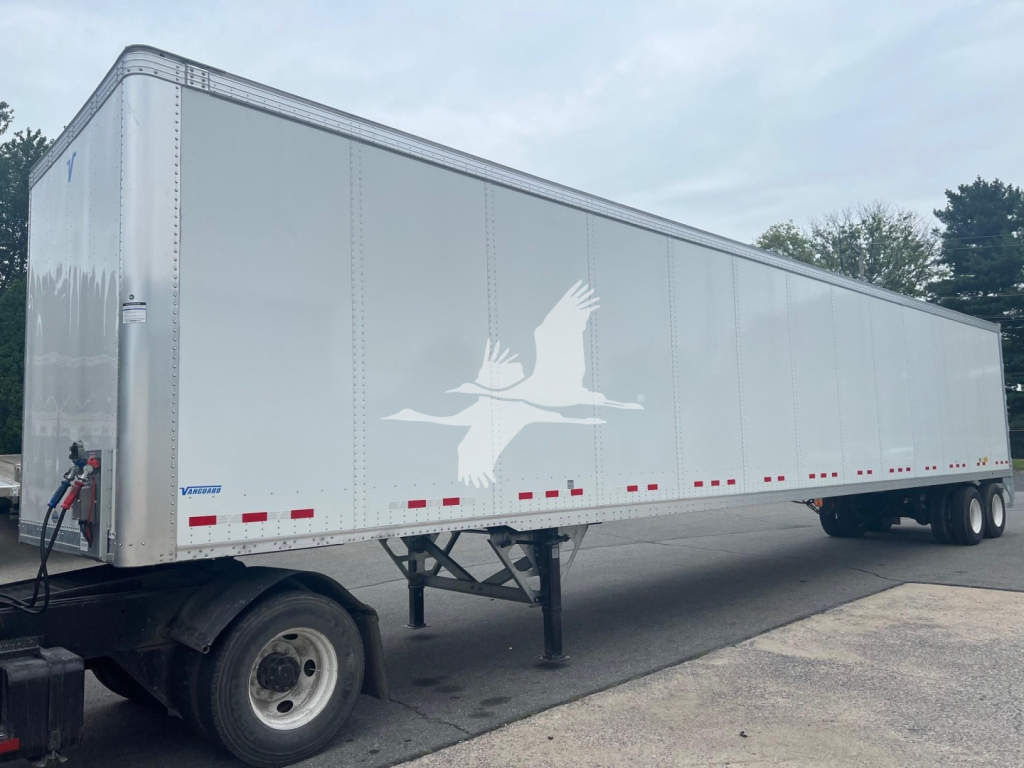
Have used 2026 van trailer to sell? List it here to reach thousands of buyers.
Used 2026 Van Trailers
Frequently Asked Questions about Used 2026 Van Trailers
What should I look at first on a used 2026 van trailer?
Start with the structural and freight-contact components. Check the floor for soft spots, patched boards, excessive forklift gouging, and threshold wear at the rear. Inspect the roof, front wall, side panels, rear frame, and crossmembers for repairs, buckles, corrosion, and signs of water intrusion. Then verify tandem slide operation, suspension condition, brake life, tire wear pattern, wheel-end condition, and door seal integrity. On a late-model van trailer, buyers also pay close attention to logistics track, scuff liners, dock-lock reinforcement, and telematics or trailer tracking equipment because these features affect fleet usability and resale.
Are most used 2026 van trailers 53 feet long?
Yes. The standard dry van configuration in this market is a 53-foot trailer with 102-inch width and tandem axles. That size works for standard dock freight, cube efficiency, and broad compatibility with common shipper requirements. Shorter lengths such as 48-foot or 45-foot vans still appear in specialized operations, but the 53-foot van is the dominant choice for general freight, dedicated contract carriage, and large fleet applications.
What suspension and tandem setup is most common on a van trailer?
Air ride with a sliding tandem is the most common and most versatile setup. A sliding tandem, often on 49-inch settings with long slide rails, gives the operator flexibility for bridge law compliance, dock positioning, and load distribution. Air ride is preferred for better freight protection and more consistent handling across mixed highway conditions. Mechanical suspension can still be found, but late-model dry vans are more commonly spec'd with air ride because it better fits retail, consumer goods, and higher-value palletized freight.
Which trailer options add value on a dry van?
The options that usually matter most are logistics posts or E-track style cargo control provisions, scuff liners, composite or plate sidewalls, galvanized rear frames, reinforced bumpers for dock-lock use, and a solid hardwood floor such as 1 3/8-inch oak. Swing doors are common for full rear opening and durability, while roll-up doors can be useful in route delivery or specialized loading environments. Tire inflation systems, disc brakes, aluminum roofs, and corrosion-resistant rear structures can also add value by reducing downtime and improving long-term operating cost.
How do I evaluate body construction on a used van trailer?
Compare sidewall material, post design, roof construction, and crossmember spacing with the freight you plan to haul. Composite plate and sheet-and-post designs each have tradeoffs in repair cost, weight, and impact resistance. Closer crossmember spacing and a well-maintained oak floor are important for heavy forklift traffic. Galvanized rear frames, anti-snag roof bows, and integral scuff protection help a trailer hold up better in high-cycle dock work. For many buyers, the best trailer is not simply the lightest one. It is the trailer whose body spec matches the abuse level, cube demands, and loading pattern of the operation.